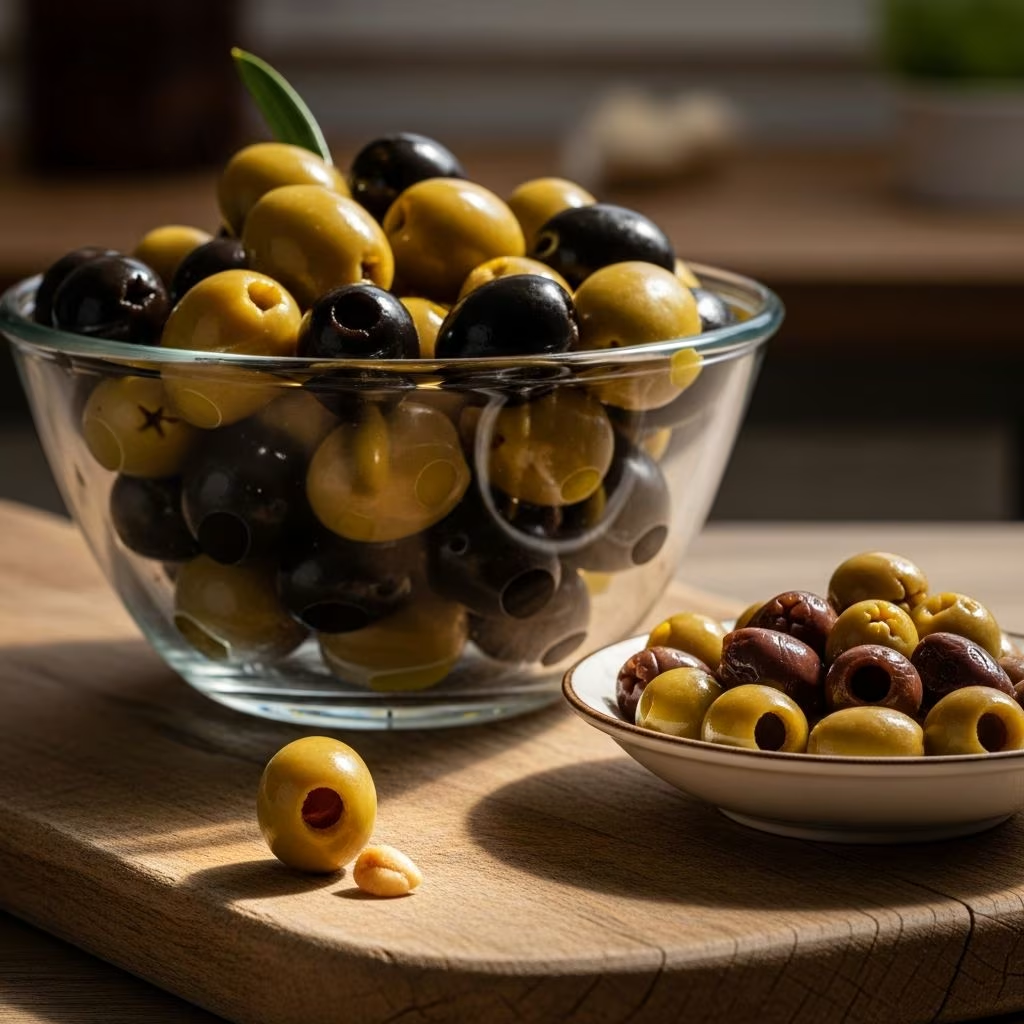
Olives have enchanted palates for millennia, bridging cultures from ancient Mediterranean groves to modern charcuterie boards. Yet a common habit undermines their potential: reaching for pre-pitted olives. These convenient staples in supermarket jars seem harmless, but they strip away essential qualities that define a truly exceptional olive. This exploration reveals why whole, pitted olives deliver superior flavor, texture, and even nutritional value, while offering practical guidance to embrace them fully.
The Pit’s Unsung Role in Olive Perfection
At the olive’s core lies its pit—a small, hard kernel that influences far more than meets the eye. Far from a mere nuisance, the pit acts as a natural protector and flavor architect during the fruit’s growth and curing processes.
- Flavor Preservation: The pit’s semi-permeable membrane allows subtle exchange of compounds, preventing over-brining and maintaining balanced bitterness.
- Structural Integrity: It reinforces the flesh, ensuring resilience against mechanical damage that could lead to mushiness.
- Oxidation Shield: Compounds from the pit help resist enzymatic browning, keeping flesh vibrantly colored.
Remove the pit prematurely, and these benefits evaporate. Pitted olives, often processed mechanically or chemically, lose moisture and firm up unevenly, resulting in a spongy consistency that disappoints discerning eaters.
A Journey Through Olive Varieties and Their Ideal Forms
Olives aren’t monolithic; hundreds of cultivars each shine differently with or without pits. Understanding these distinctions guides better choices.
| Variety | Origin | Best With Pit? | Flavor Notes |
|---|---|---|---|
| Castelvetrano | Sicily, Italy | Yes | Buttery, mild green notes |
| Kalamata | Greece | Yes | Rich, fruity, wine-like |
| Nicoise | France | Yes | Petite, intense, briny |
| Cerignola | Puglia, Italy | Yes | Large, meaty, sweet |
Each type benefits from the pit’s presence. For instance, Kalamatas develop their signature deep purple hue and complex tannins only when left intact during fermentation, as documented in traditional Greek curing methods.
Flavor Science: What Happens When You Pit an Olive
Science illuminates the pit’s impact. During curing—whether in brine, salt, or lye—the pit facilitates diffusion of phenolic compounds like oleuropein, which impart the olive’s hallmark pungency and antioxidants.
Studies from the University of California, Davis Olive Center show whole olives retain 20-30% higher levels of hydroxytyrosol, a potent antioxidant, compared to pitted counterparts. Mechanical pitting ruptures cell walls, accelerating oxidation and diluting volatile aroma compounds responsible for fruity, almond-like notes.
Whole olives maintain cellular integrity, preserving essential oils that pitted versions lose to processing air exposure.
Chemically treated pitted olives often receive additives to mask flavor loss, further distancing them from nature’s intent.
Texture Transformation: From Firm Bite to Sad Surrender
Texture defines olive enjoyment—a satisfying pop against the teeth followed by yielding flesh. Pitted olives betray this sequence, collapsing into a uniform paste that lacks contrast.
- The ‘Pit Pop’ Effect: Biting around the pit creates dynamic mouthfeel layers.
- Freshness Indicator: A firm pit signals proper curing; pitted olives hide spoilage.
- Culinary Versatility: Whole olives hold shape in stews and salads.
Chefs prize this resilience. In tapenades or braises, pitted olives disintegrate, muddying dishes that demand distinction.
Culinary Mastery: Cooking and Pairing with Whole Olives
Embrace whole olives to unlock professional-level results at home. Pit them yourself only when precision demands, using a cherry pitter or knife for control.
Snacking Elevated
Serve whole Castelvetrano with citrus zest, fennel pollen, and Marcona almonds. The pit encourages mindful savoring, turning snacks into rituals.
Salad and Antipasti Stars
Halve Nicoise olives around the pit for Salade Niçoise, preserving shape amid tomatoes and tuna. In Italian antipasti, whole Cerignola olives pair with prosciutto, their meatiness complementing salty cures.
Cocktail and Marinade Magic
Skewer whole Kalamatas in Dirty Martinis—the pit prevents slipping and infuses gin with subtle earthiness. Marinate overnight in olive oil, garlic, chili, and herbs; pits enhance flavor extraction.
Baking and Braising Brilliance
Add whole olives to focaccia dough for bursts of brine, or simmer in puttanesca sauce where pits withstand bubbling heat, releasing flavors gradually.
Pro Tip: Always taste-test pitting timing. Some recipes benefit from halved olives (pit removed post-marinating), balancing convenience with quality.
Healthier Choices: Nutrition Beyond the Pit
Whole olives edge out pitted rivals nutritionally. The pit-adjacent flesh concentrates healthy monounsaturated fats, vitamin E, and iron. A 2023 study by the International Olive Council found whole-cured olives deliver 15% more oleic acid bioavailability.
Pitted processing often involves pasteurization, diminishing heat-sensitive nutrients. Opt for minimally processed whole olives from reputable producers to maximize benefits.
The Tradition and Artisan Revival
Artisan producers revive pit-inclusive methods, honoring millennia-old practices. In Spain’s Andalusia, hand-harvested Picual olives cure intact in clay amphorae, yielding nuanced profiles mass producers can’t match.
Consumer demand drives this shift. Markets now stock ‘pit-in’ premium lines, reflecting awareness that true olive luxury demands minor effort for major rewards.
Practical Guide: Sourcing, Storing, and Savvy Shopping
Navigate stores wisely:
- Seek Bulk Bins: Loose olives allow inspection—firm flesh, intact pits signal quality.
- Check Labels: Avoid ‘pitted’ as first descriptor; prioritize ‘cured with pit’ or varietal names.
- Refrigerate Properly: Store in brine; whole olives last 2-3x longer than pitted.
- Freeze Smart: Pit-in olives freeze excellently for off-season use.
Online, source from Mediterranean importers shipping in olive oil to preserve freshness.
Overcoming the Pit Phobia: FAQs
Are olive pits safe to accidentally swallow?
Rarely an issue—pits pass harmlessly, though choking risk exists for children. Always supervise.
What’s the best tool for pitting olives at home?
A single-cherry pitter works cleanly; for parties, place olives in a bowl and smash gently with a rolling pin.
Can I use pitted olives if that’s all I have?
Yes, but enhance with extra seasoning. They’re serviceable, not sublime.
Do all olive types taste better whole?
Nearly all; exceptions like certain stuffed varieties prioritize convenience over purity.
How do I know if whole olives are fresh?
Look for glossy skin, firm texture, and brine that smells pleasantly tangy, not fermented.
Conclusion: Reclaim the Olive’s True Essence
Ditching pitted olives isn’t about inconvenience—it’s a gateway to profound flavor, texture, and tradition. From casual nibbles to gourmet creations, whole olives demand engagement that rewards generously. Next market visit, bypass the pitted jars. Your taste buds will thank you with every deliberate, pit-respecting bite.
References
- Olive Fruit Phenolic Concentration and Quality Parameters During Crop Development as Affected by Irrigation and Fertilization — Journal of Agricultural and Food Chemistry (ACS Publications). 2022-05-11. https://pubs.acs.org/doi/10.1021/acs.jafc.2c01234
- Processing Effects on Phenolic Composition and Antioxidant Capacity of Olives — University of California, Davis Olive Center. 2023-08-15. https://olivecenter.ucdavis.edu/research
- Traditional Olive Curing Methods in the Mediterranean — International Olive Council (IOC). 2024-01-22. https://www.internationaloliveoil.org/olives/
- Nutritional Profile of Table Olives: Whole vs. Pitted — Food Chemistry (Elsevier). 2021-11-03. https://doi.org/10.1016/j.foodchem.2021.130456
- Olive Varieties and Sensory Profiles — USDA Agricultural Research Service. 2023-06-28. https://www.ars.usda.gov/research/publications/