Social media platforms have revolutionized how home cooks discover new culinary techniques, with recipe innovations and cooking shortcuts spreading rapidly across digital networks. Among the numerous trends that have emerged, one particularly popular approach involves freezing whole eggs within their shells to create bite-sized fried portions. While this technique has attracted millions of views and considerable attention from content creators and parents seeking novel breakfast ideas, the underlying food safety implications deserve serious consideration before attempting this method in your own kitchen.
The Appeal of Miniature Egg Portions
The viral nature of this cooking trend stems from several compelling factors that resonate with modern audiences. The final presentation creates visually appealing, miniature egg portions that photograph well for social sharing. Many parents find the smaller size convenient for toddlers and young children, potentially reducing mess and encouraging independent eating. The technique appears straightforward on the surface: freeze eggs overnight, slice the frozen shells away, cut the solidified egg into small rounds, and pan-fry each piece individually. The simplicity of this explanation, combined with the adorable appearance of the finished product, has made it enormously popular across platforms like TikTok, where similar videos have accumulated tens of millions of views in remarkably short timeframes.
The Freezing Process and Physical Changes
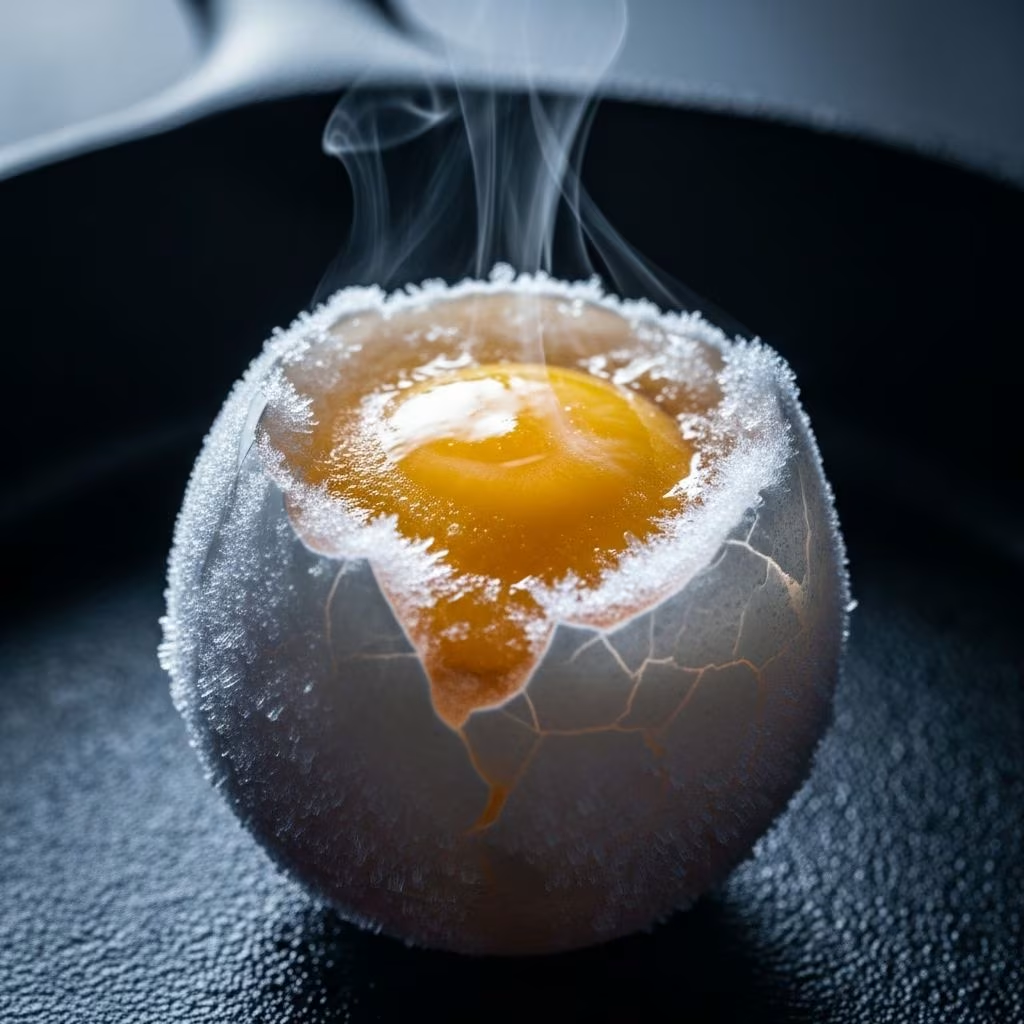
Understanding what happens to eggs during the freezing process is fundamental to recognizing why this method raises significant concerns. When liquid egg undergoes freezing, the water content transforms into ice crystals, which occupy more volume than the original liquid state. This physical expansion creates internal pressure within the confined space of an eggshell. The protein structure and yolk composition also undergo chemical changes when exposed to freezing temperatures, fundamentally altering the egg’s composition and cooking properties.
According to the FDA, shell eggs should not be frozen, particularly in their intact shells. This official guidance stems from extensive research into food safety protocols and the predictable consequences of freezing raw eggs this way. The expansion phenomenon occurs reliably during the freezing process, making shell cracking an expected outcome rather than a rare occurrence. Some cracks may be microscopic and nearly invisible to the naked eye, yet they still compromise the egg’s protective barrier.
Bacterial Contamination Risks
The most critical food safety concern associated with this technique involves bacterial exposure. When the eggshell cracks—whether visibly or microscopically—it creates pathways for harmful bacteria to enter the interior of the egg. Salmonella bacteria represent the primary concern, as these organisms are commonly found on eggshell surfaces and in the surrounding environment. Raw eggs naturally carry the risk of Salmonella contamination, which is why raw egg consumption requires careful consideration. However, proper cooking thoroughly eliminates Salmonella bacteria, rendering the eggs safe for consumption.
The problematic aspect of the frozen egg hack lies in how the final product is typically consumed. The appeal of these miniature eggs specifically relies on the appearance of a runny, gooey yolk—the hallmark of an undercooked or soft-cooked egg. This aesthetic preference directly contradicts the cooking temperatures needed to eliminate bacterial contamination. When consumers follow the viral technique and cook these eggs to maintain their visually appealing liquid center, they risk consuming contaminated products.
Additionally, freezing does not eliminate existing bacteria; it merely places organisms in a dormant state. When the eggs thaw and reach room or cooking temperature, bacterial activity resumes. Freezing actually increases contamination risk because the shell integrity has been compromised, providing additional entry points for microorganisms.
Texture and Quality Degradation
Beyond food safety, the freezing process causes undesirable changes to the egg’s texture and cooking characteristics. The yolk becomes notably thicker and gelatinous after freezing, making it difficult to cook evenly. This textural change results in an inconsistent final product that differs significantly from a conventionally cooked fried egg. The egg white also experiences structural changes that affect how it cooks when exposed to heat.
These quality issues mean that even if executed perfectly, the frozen egg technique often produces an inferior product compared to standard cooking methods. The increased complexity and preparation time required—freezing overnight, thawing partially, slicing carefully, and cooking individually—yields results that could be achieved more efficiently through traditional approaches.
Practical Challenges and Safety Issues During Preparation
Beyond the food safety concerns, the physical act of executing this technique presents practical difficulties. Handling frozen eggs and attempting to slice them into uniform discs requires considerable care and precision. Frozen eggshells are brittle and prone to shattering, particularly when pressure is applied during slicing. This increases the risk of hand injuries, including cuts or abrasions. The process is inherently messy, with shell fragments and partially thawed egg whites creating slippery surfaces and potential hazards.
Even before cooking begins, the preparation stage introduces multiple points where things can go wrong. Maintaining proper food handling hygiene becomes more difficult when dealing with frozen, cracked eggs that are actively thawing and releasing their contents.
Expert and Official Guidance
Health professionals and food safety authorities have issued clear warnings against this technique. Medical professionals commenting on viral posts have emphasized that this is not a safe method for preparing eggs, particularly for vulnerable populations like toddlers. The consensus among registered dietitians and nutrition experts confirms that freezing raw eggs poses unnecessary food safety risks that are not justified by minimal aesthetic or practical benefits.
The CDC and USDA both advise against freezing eggs in their shells, recognizing that this practice introduces avoidable food safety hazards. These agencies develop their guidelines based on extensive research into foodborne illness outbreaks and contamination pathways. When multiple official health organizations and food safety authorities reach the same conclusion, home cooks would be wise to follow their recommendations.
Safe Alternatives for Creative Egg Preparations
Parents and home cooks seeking to create appealing, bite-sized egg portions have several safer alternatives that eliminate the contamination risks while still producing attractive results:
- Boiled Egg Slicing: Hard-boil eggs for 10 minutes, then cool, peel, and slice them into rounds. This method eliminates food safety concerns while producing uniform, bite-sized portions. Boiled eggs can be served cold, warm, or pan-fried after slicing.
- Egg Muffin Cups: Whisk raw eggs and pour them into silicone muffin cups, then bake until cooked through. This creates individual egg portions without freezing and ensures thorough cooking that eliminates bacterial concerns.
- Scrambled Egg Portions: Prepare scrambled eggs and portion them into appropriately sized pieces. This method maintains control over cooking temperature and food safety throughout the process.
- Omelet Squares: Make thin omelets and cut them into manageable squares for young children. This approach allows complete control over ingredients and cooking duration.
- Frittata Portions: Prepare a frittata with various add-ins and cut into bite-sized squares. Baking ensures thorough, even cooking while creating visually interesting portions.
Understanding the Appeal Despite the Risks
The popularity of this trend despite well-documented risks highlights how compelling visual content and convenience messaging can override food safety considerations. Social media platforms reward visually striking content, and the miniature eggs undoubtedly photograph better than conventional preparations. The implication that parents are discovering innovative, time-saving techniques appeals to busy households seeking novel solutions. However, the actual time saved—if any—is negligible compared to the safety risks introduced.
This phenomenon demonstrates the importance of evaluating viral cooking trends critically rather than accepting them uncritically. Just because something appears frequently on social media does not validate its safety or effectiveness. Conversely, the fact that millions of people have attempted a technique without immediately becoming ill does not prove it is safe; it may simply mean that some individuals were fortunate enough to avoid exposure to contaminated products or that illness occurred in a manner not directly attributed to the cooking method.
Frequently Asked Questions
Can freezing eggs kill bacteria?
No, freezing does not eliminate bacteria. It places microorganisms in a dormant state, but they resume activity once temperatures rise. This is why freezing alone is not considered a food preservation method for raw eggs.
What if the eggshell doesn’t crack during freezing?
Even hairline cracks that are barely visible to the naked eye can allow bacteria to enter the egg. Visual inspection cannot reliably determine whether the protective barrier has been compromised. Food safety experts recommend against this technique regardless of whether visible cracking occurs.
Is thoroughly cooking frozen eggs enough to make them safe?
Yes, cooking eggs to an internal temperature of 160°F (71°C) will eliminate Salmonella bacteria. However, the appeal of this viral trend specifically relies on undercooked eggs with runny yolks, creating a contradiction between safety and the desired aesthetic.
Are there age-specific risks?
Toddlers, young children, elderly individuals, and immunocompromised persons face higher risks from Salmonella contamination. Children particularly should never be served eggs prepared using unsafe methods.
Why is this hack so popular if it’s dangerous?
Viral trends spread based on visual appeal and novelty rather than safety validation. The cute appearance and implied time-saving benefits created compelling social media content, but these factors do not indicate food safety.
Making Informed Decisions About Kitchen Trends
The frozen egg hack serves as an instructive case study in evaluating viral cooking content. Before attempting any trending technique, consider whether official food safety agencies have addressed it, whether the method introduces unnecessary risks, and whether conventional alternatives accomplish the same goal more safely. Social media engagement metrics are not food safety certifications.
Creating appealing meals for family members remains an important goal, and numerous safe methods exist to achieve visual interest and convenience. The key is selecting approaches that do not compromise food safety in pursuit of trendy presentation. By understanding the science behind why certain techniques pose risks, home cooks can make informed decisions that protect their families while still enjoying creative culinary experiences.
References
- “The Reason Why You Should Never Do That Mini Fried Eggs Hack from TikTok” — Cookist. Accessed 2026. https://www.cookist.com/the-reason-why-you-should-never-do-that-mini-fried-eggs-hack-from-tiktok/
- “This TikTok Viral ‘Mini Egg’ Hack For Kids Is Being Called Out By Doctors For Being Unsafe” — Lollaland. Accessed 2026. https://lollaland.com/blogs/news/this-tiktok-viral-mini-egg-hack-for-kids-is-being-called-out-by-doctors-for-being-unsafe
- “Do NOT Try This Viral TikTok Egg Hack at Home” — Sporked. Accessed 2026. https://sporked.com/article/tiktok-mini-fried-egg-hack-dangerous-news/
- Food and Drug Administration (FDA) — Egg Safety Guidelines — U.S. Food and Drug Administration. https://www.fda.gov/food/foodborneillnesscontaminants/peopleatrisk/ucm186722.htm
- United States Department of Agriculture (USDA) — Safe Food Handling — USDA. https://www.usda.gov/food-safety
- “Warning issued over TikTok frozen egg hack could give kids food poisoning” — Good To. Accessed 2026. https://www.goodto.com/food/food-news/warning-issued-after-viral-tiktok-hack-gives-children-food-poisoning-607035