Searing beef is a fundamental cooking technique that dramatically enhances taste, texture, and overall dish quality. By applying high heat to the surface of raw meat, cooks trigger chemical reactions that build complex flavors impossible to achieve through gentler methods alone.
The Science Driving Searing Success
At the heart of searing lies the **Maillard reaction**, a process where amino acids in proteins react with reducing sugars under high temperatures, producing hundreds of flavor compounds. This browning creates the savory, nutty notes synonymous with gourmet beef dishes. French chemist Louis-Camille Maillard identified this reaction in the early 1900s, though humans have intuitively used it for millennia by cooking over open flames.
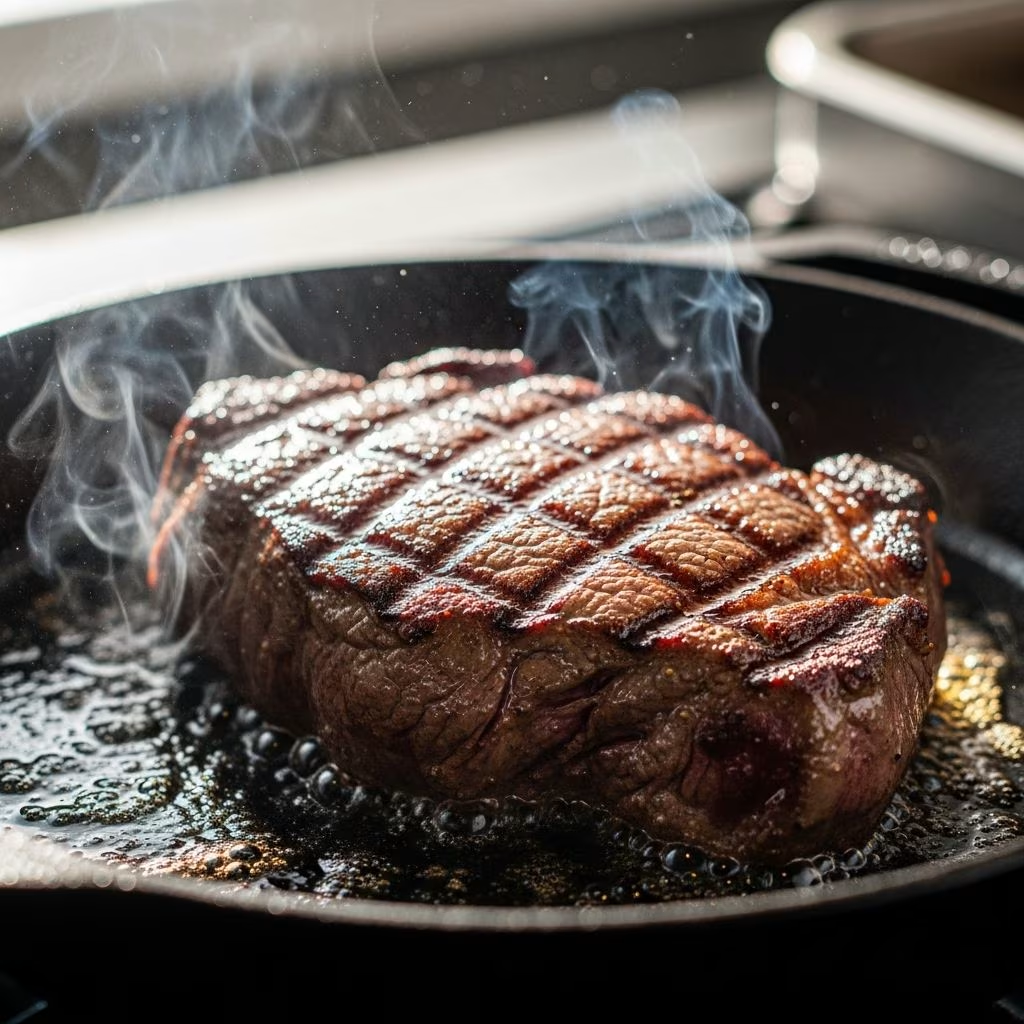
High heat—typically 400–500°F in a pan—dehydrates the meat’s surface quickly, forming a flavorful crust without overcooking the interior. This crust not only tastes better but also provides a textural contrast to tender insides, elevating everything from quick pan-seared steaks to slow-braised roasts.
Flavor Boost Beyond Basic Browning
Searing doesn’t just brown; it concentrates umami, the fifth taste responsible for meat’s deep savoriness. In slow cooking scenarios, like pot roasts or stews, this initial step ensures the final product isn’t bland despite hours of gentle simmering. Experts emphasize that skipping searing leaves dishes tasting “flat,” as the Maillard-derived compounds infuse the entire braise.
- Umami amplification: Caramelized surfaces release glutamates that permeate liquids during cooking.
- Aroma enhancement: Volatile compounds evaporate, filling kitchens with appetizing scents that signal quality.
- Layered complexity: Combines with onions, herbs, and spices for multidimensional profiles.
For beef stews, combining seared and unseared pieces—as in some hybrid methods—balances bold crust flavors with clean, integrated meat taste, proving searing’s role as a “multiplier” rather than a universal mandate.
Texture Transformation Through Searing
Beyond flavor, searing crafts an appealing bite. The crust acts as a barrier, preventing mushiness in moist cooking environments like slow cookers. Tough cuts with abundant connective tissue, such as chuck or shanks, benefit immensely, gaining structure amid breakdown.
| Without Searing | With Searing |
|---|---|
| Soft, uniform texture | Crispy exterior, tender core |
| Potential mushiness in braises | Defined edges, better mouthfeel |
| Less visual appeal | Golden-brown allure |
This contrast is crucial for steaks, where a seared exterior yields to juicy pink centers, and for stews, where it mimics restaurant-quality tenderness.
Prime Beef Cuts for Searing
Not all beef needs searing equally, but collagen-rich cuts shine brightest. These tougher, economical options transform via high heat followed by low-and-slow methods.
- Chuck roast: Ideal for pot roasts; searing firms the exterior before collagen melts.
- Short ribs: Builds depth for braises; crust counters fatty richness.
- Beef shank: Tough fibers soften beautifully post-sear.
- Oxtail and cheeks: Enhances gelatinous textures in soups.
- Ribeye or sirloin: Perfect for pan-searing to medium-rare.
Tenderloin requires lighter searing to avoid overcooking, while ground beef benefits in burgers for crusty edges.
Mastering the Sear: Step-by-Step Techniques
Success hinges on preparation and execution. Start with dry surfaces—pat meat thoroughly with paper towels to promote browning over steaming.
- Choose the pan: Cast iron or stainless steel holds heat best; avoid nonstick for crust formation.
- Preheat aggressively: Smoke should rise slightly before adding meat.
- Oil sparingly: High-smoke-point options like avocado or grapeseed; render beef fat naturally.
- Don’t crowd: Sear in batches to maintain temperature.
- Hands-off approach: Allow 2–3 minutes per side undisturbed for crust development.
- Use tongs: Avoid piercing with forks to preserve juices.
For thicker cuts, sear then finish in a 400°F oven. Grilling works too: high direct heat first, then indirect to prevent charring. Rest seared meat 5 minutes post-cook for juice redistribution.
Debunking Searing Myths
A persistent belief holds that searing “seals in juices.” Experiments show it actually causes minor moisture loss, but benefits far outweigh this. The myth persists from outdated advice, yet modern tests confirm flavor and texture as true stars. Searing isn’t always essential—quick chicken breasts may skip it—but for beef, it’s transformative.
Searing in Popular Beef Recipes
Classic Beef Stew
Brown cubed chuck in batches, deglaze with wine for fond (browned bits), then simmer with veggies. This captures essence in every spoonful.
Reverse-Sear Steaks
Oven-cook low to target doneness, then sear for crust. Minimizes overcooking risk.
Slow Cooker Pot Roast
Sear roast first, add to crockpot with aromatics. Results in fork-tender, flavorful meat.
Common Searing Pitfalls and Fixes
- Steaming instead of searing: Fix: Dry meat, hot pan, space out pieces.
- Uneven crust: Fix: Preheat fully, flip once.
- Bitter char: Fix: Lower heat slightly for thick cuts; pat off excess moisture.
- Dry interior: Fix: Use thermometer; rest properly.
Advanced Tips from Culinary Pros
Season generously pre-sear with salt for better crust via moisture draw-out. For stews, incorporate brining on unseared portions alongside seared for balanced flavor. Experiment with compound butters post-sear for herb-infused finishes.
Health and Nutrition Considerations
Searing at proper temperatures minimizes harmful compounds like HCAs; keep sessions short. It reduces surface bacteria effectively, enhancing safety for rare steaks.
FAQ
Do I need to sear beef for slow cooking?
Yes, especially tough cuts; it prevents flat flavors and mushy textures.
What’s the best oil for searing?
High-smoke-point neutrals like canola or avocado.
How long to sear a steak?
2–4 minutes per side for 1-inch thick; adjust for size.
Can I sear frozen beef?
Thaw first for even results; partial thaw risks steaming.
Is searing necessary for all recipes?
No, but ideal for beef to maximize Maillard benefits.
References
- Why Searing Meat First Is A Game-Changer For Slow Cooker Meals — Food Republic. 2023-10-01. https://www.foodrepublic.com/1859621/why-sear-meat-before-slow-cooking/
- Searing Meat: Why We Love It — Appleton Meat. 2022-05-15. https://www.applestonemeat.com/recipe-archive/blog/searing
- Sear or Not? — The Best Beef Stew Might Be Both — W2 Kitchen (YouTube). 2024-01-20. https://www.youtube.com/watch?v=0qrq1bf5-jQ