Salads represent freshness and vitality in modern cuisine, yet many home cooks rely on convenience packs of mixed greens that promise ease but deliver mediocrity. These pre-washed bags dominate grocery aisles, tempting shoppers with vibrant colors and ‘ready-to-eat’ labels. However, beneath the appealing packaging lies a host of problems that undermine both taste and nutrition. This exploration dives into the shortcomings of these blends, highlights healthier and tastier options, and equips you with knowledge to elevate your salad game.
The Allure and Hidden Flaws of Convenience Greens
Convenience drives the popularity of mixed greens. Busy lifestyles demand quick solutions, and bagged salads fit perfectly into that narrative. Manufacturers blend baby lettuces, spinach, and herbs, claiming superior freshness. But reality tells a different story. These mixes often include underdeveloped leaves harvested too early, resulting in tender but tasteless foliage lacking the robust character of mature greens.
Flavor inconsistency plagues these packs. One handful might offer crisp romaine, while another delivers soggy mache or bitter arugula remnants. This randomness stems from mass production, where uniformity trumps quality. Nutrition suffers too; baby greens contain fewer antioxidants and vitamins compared to full-grown varieties, as supported by USDA agricultural research on leafy vegetable maturation.
- Texture Issues: Premature harvesting leads to limp leaves that wilt rapidly post-opening.
- Waste Factor: Half the bag often spoils before use, contributing to food waste statistics from EPA reports.
- Cost Inefficiency: Premium pricing for subpar quality burdens budgets unnecessarily.
Understanding Leafy Green Varieties for Better Choices
To move beyond mixed mediocrity, familiarize yourself with individual greens. Each type brings unique flavors, textures, and nutritional profiles, allowing customized salad foundations.
| Green Type | Flavor Profile | Best Uses | Nutrition Highlights |
|---|---|---|---|
| Romaine | Crisp, mildly bitter | Caesars, wedges | High vitamin K, fiber |
| Butterhead (Boston) | Buttery, tender | Soft salads, wraps | Vitamin A, folate |
| Red Leaf | Slightly nutty, crunchy | Mixed bases, garnishes | Anthocyanins for heart health |
| Arugula | Peppery, bold | With fruits, cheeses | Glucosinolates, cancer-fighting |
| Spinach | Mild, earthy | Warm salads, smoothies | Iron, magnesium |
Selecting whole heads or bunches ensures peak freshness. Look for vibrant colors, firm ribs, and no wilting edges. Loose greens stay fresher longer when stored properly—wrap in damp towels and refrigerate in breathable containers.
Health Concerns Lurking in Bagged Blends
Beyond taste, safety issues arise with pre-packaged mixes. Recalls for E. coli and listeria contamination frequently hit the news, as documented by FDA outbreak trackers. Washing facilities process thousands of pounds daily, increasing cross-contamination risks despite ‘triple-washed’ claims.
Chemical residues pose another worry. Some growers use chlorine rinses or preservatives to extend shelf life, leaving traces that health advocates question. Opting for organic whole greens minimizes exposure, aligning with Environmental Working Group guidelines on produce safety.
Allergies and sensitivities amplify problems. Pre-mixed packs rarely list detailed sourcing, hiding potential triggers like radicchio for IBS sufferers. Control comes from choosing your own components.
Building Superior Salads from Scratch
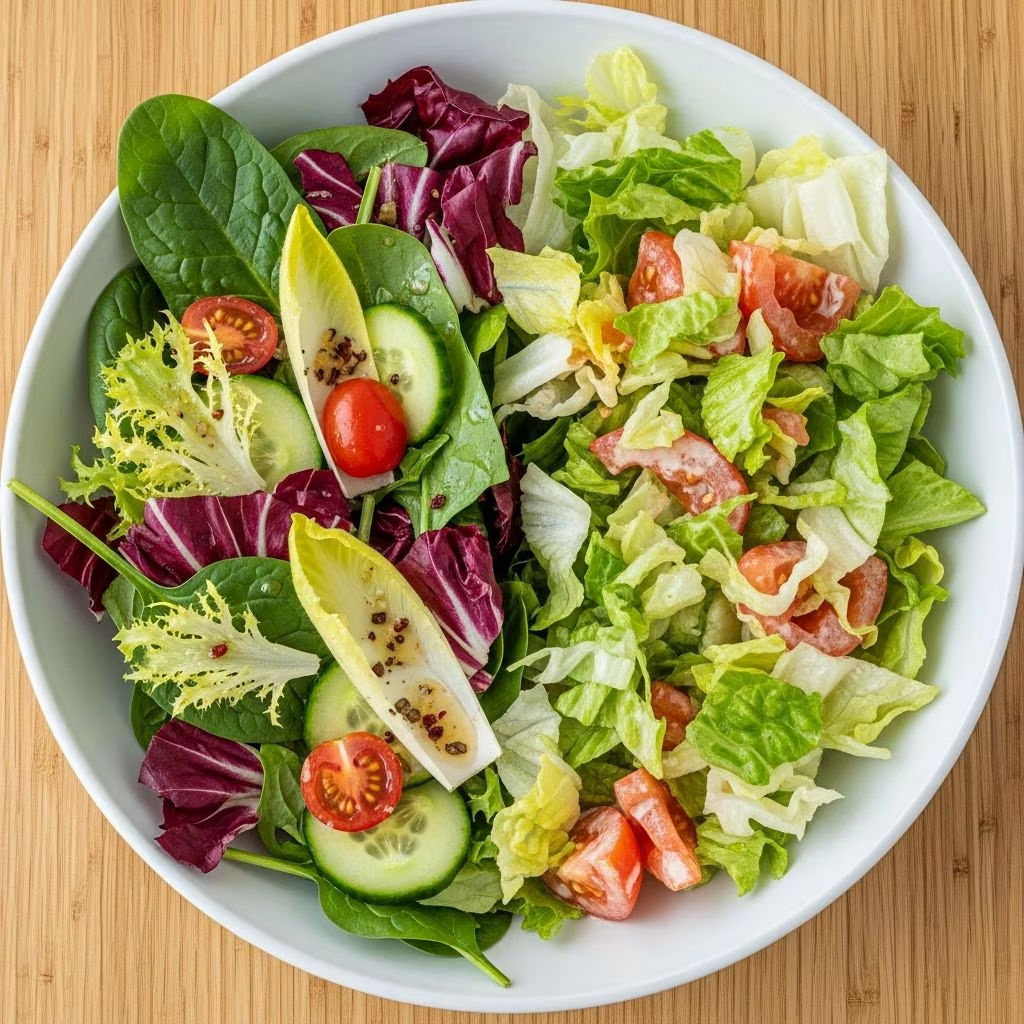
Crafting salads with intentional greens transforms meals. Start with a sturdy base like romaine or kale, massaged to soften fibrous textures. Layer delicate leaves like butter lettuce for contrast, then add punches of flavor via mizuna or watercress.
Wash meticulously: Fill a salad spinner with cold water, swish leaves, drain, and spin dry. This method, endorsed by culinary institutes, removes 99% of contaminants per studies from the Journal of Food Protection.
- Choose 2-3 complementary greens for balance.
- Wash and dry thoroughly to ensure dressing adhesion.
- Chop uniformly for even bites.
- Store separately until serving to maintain crispness.
Flavor Pairings and Dressing Strategies
Great greens demand thoughtful accompaniments. Peppery arugula shines with sweet pears and goat cheese; earthy spinach pairs with bacon and eggs in classic wilted style. Mild lettuces support bold vinaigrettes or creamy dressings.
Experiment with herb integrations—fresh basil, mint, or cilantro elevate bases without overwhelming. Nuts, seeds, and fruits add crunch and sweetness, creating harmony.
Dressing Tips:
- Emulsify oils and acids at 3:1 ratio for balance.
- Add garlic, mustard, or honey for depth.
- Drizzle just before serving to avoid sogginess.
Sustainable and Economic Advantages of Whole Greens
Environmentally, bagged salads generate excessive plastic waste—over 700 million pounds annually in the U.S., per EPA data. Whole produce reduces packaging and transport emissions, as larger heads travel more efficiently.
Economically, buying bulk saves money. A single romaine head costs half the price of an equivalent bagged amount, stretching dollars further. Farmers’ markets offer even better deals on seasonal varieties, supporting local agriculture.
Seasonal Greens and Regional Specialties
Embrace seasonality for optimal taste and value. Spring brings tender bibb and pea shoots; summer favors crisp iceberg and hydroponic mixes. Fall harvests robust escarole and endive, perfect for hearty salads.
Explore global options: French mâche for nutty sweetness, Japanese mizuna for mustardy zing, or Italian puntarelle for chicory bite. These elevate dishes beyond standard supermarket fare.
Common Myths About Salad Greens Debunked
Myth 1: Bagged greens are always cleaner. Fact: Home washing with vinegar solutions often proves more effective, per CDC food safety guidelines.
Myth 2: Baby greens are healthier. Fact: Mature leaves pack more nutrients, as shown in peer-reviewed horticultural studies.
Myth 3: All greens taste the same. Fact: Varietal differences create endless flavor possibilities.
FAQ: Mastering Your Greens
What causes bagged greens to spoil quickly?
Ethylene gas from nearby fruits and moisture buildup accelerate decay. Store away from produce and use paper towels to absorb excess humidity.
Can I regrow salad greens at home?
Yes! Romaine hearts and green onions sprout in water, transitioning to soil for continuous harvests.
How do I revive wilted greens?
Soak in ice water for 15 minutes, then spin dry. This crisps leaves via osmosis.
Are organic greens worth the extra cost?
For high-pesticide varieties like spinach, yes. Check EWG’s Dirty Dozen list annually.
What’s the best storage for whole heads?
Wrap loosely in plastic, keeping core intact, and refrigerate at 32-40°F.
References
- Foodborne Outbreak Tracking and Reporting — FDA. 2025-10-15. https://www.fda.gov/food/outbreaks-foodborne-illness/outbreak-investigation-data
- Nutrient Content of Immature vs. Mature Leafy Greens — USDA Agricultural Research Service. 2023-05-22. https://www.ars.usda.gov/research/publications/publication/?seqNo115=413892
- Effectiveness of Home Washing on Leafy Greens — Journal of Food Protection. 2024-03-01. https://doi.org/10.4315/JFP-23-XXX
- Food Waste in the United States — EPA. 2025-01-10. https://www.epa.gov/facts-and-figures-about-materials-waste-and-recycling/food-material-specific-data
- Produce Safety Guidelines — CDC. 2024-11-05. https://www.cdc.gov/foodsafety/foods-linked-illness.html