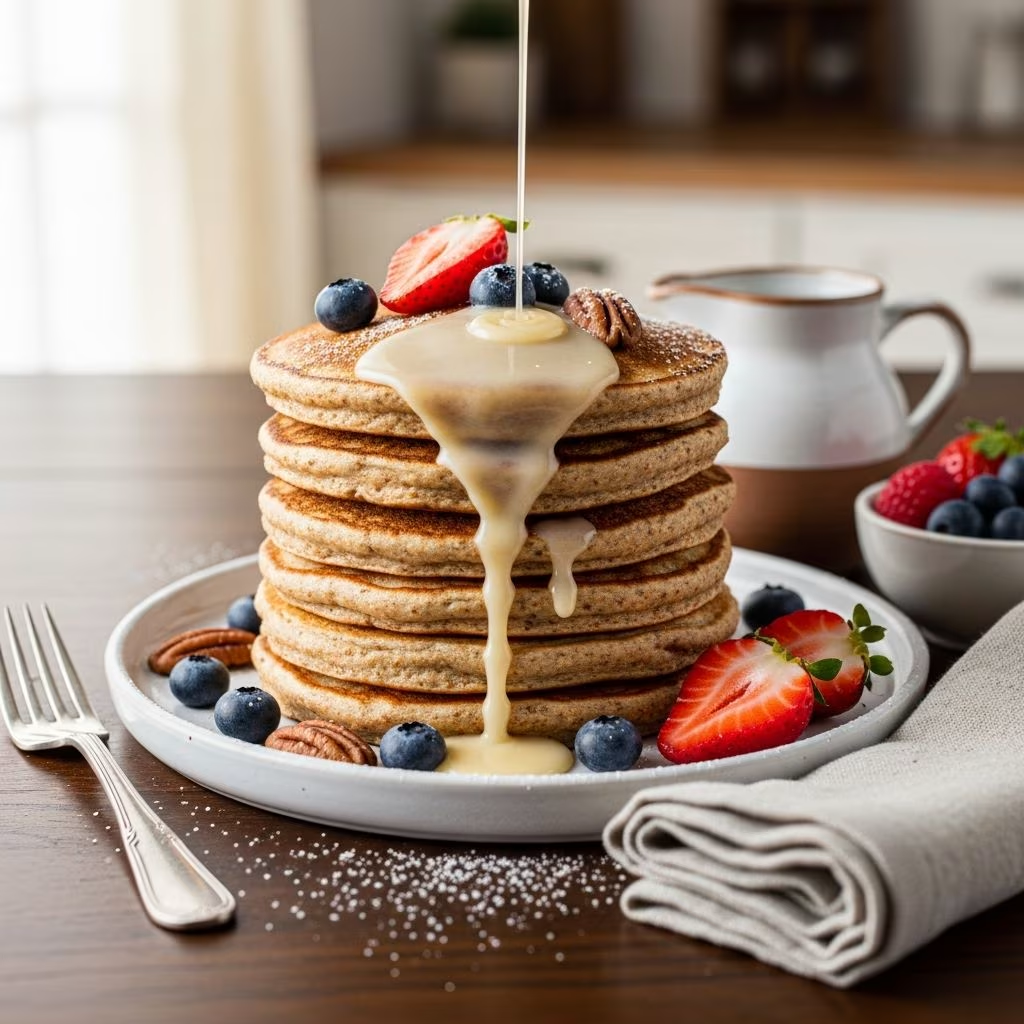
Breakfast serves as the foundation for a productive day, and selecting ingredients that provide sustained energy and nutritional value makes a significant difference in daily wellness. Whole grain pancakes prepared with buttermilk and wheat germ represent an excellent choice for those seeking to enhance their morning nutrition without sacrificing flavor or texture. This comprehensive guide explores the benefits of these ingredients, provides detailed preparation instructions, and offers practical insights for achieving consistently excellent results.
Understanding the Core Ingredients and Their Benefits
The foundation of exceptional whole grain pancakes begins with understanding each ingredient’s role in creating both nutritional value and desirable texture. Whole wheat flour serves as the primary grain component, delivering fiber, B vitamins, and minerals that refined white flour lacks. The bran in whole wheat flour contains compounds that enhance satiety and support digestive health.
Buttermilk distinguishes this pancake variety from standard recipes by providing tangy flavor and beneficial lactic acid that reacts with baking soda to create lift and tenderness. This acidic component interacts with the baking soda to produce carbon dioxide bubbles that generate the light, fluffy texture characteristic of well-prepared pancakes. Additionally, buttermilk contains probiotics that support gut health, making it a functional ingredient beyond its culinary applications.
Wheat germ, the nutrient-dense embryo of the wheat kernel, contributes protein, healthy fats, and vitamin E to the finished pancakes. This ingredient adds textural complexity and nutritional density while introducing a subtle nutty flavor that complements the earthiness of whole wheat flour. The combination of these three primary components creates a breakfast dish that satisfies both nutritional and gastronomic requirements.
Essential Ingredients and Proportions
Creating balanced pancake batter requires precise ingredient ratios to achieve optimal texture and flavor. The following components form the foundation of a successful recipe:
- Whole wheat pastry flour: 1 to 1.25 cups provides the primary structure
- Wheat germ: 0.5 cup adds nutrition and texture
- Buttermilk: 1.25 to 2 cups creates the liquid base
- Eggs: 2 large eggs act as binders and provide richness
- Baking soda: 0.5 to 1 teaspoon reacts with buttermilk for leavening
- Baking powder: 1 teaspoon provides additional rise
- Salt: 0.25 to 0.5 teaspoon enhances flavor
- Canola oil: 0.25 cup prevents sticking and promotes browning
- Sugar: 1 to 2 tablespoons adds subtle sweetness
These proportions can be adjusted based on personal preferences for thickness, sweetness, and nutritional density. Understanding how each ingredient contributes to the final product allows for informed modifications that maintain quality outcomes.
The Dry Ingredient Preparation Phase
Successful pancake preparation begins with properly combining dry ingredients, which distributes leavening agents uniformly and ensures consistent rise throughout the batch. Measure flour by spooning it into measuring cups and leveling with a knife rather than scooping directly from the container, which can compact flour and result in excess quantity. In a large mixing bowl, whisk together whole wheat pastry flour, wheat germ, baking soda, baking powder, salt, and sugar using approximately 20 to 30 strokes. This mechanical action distributes the leavening agents evenly and incorporates air into the dry mixture.
The thorough whisking of dry ingredients proves particularly important when using whole wheat flour, which contains bran particles that can interfere with gluten development. Unlike white flour batter, which becomes tough with overmixing, whole wheat batter benefits from vigorous mixing because the bran naturally breaks up gluten strands. This characteristic permits more thorough blending without compromising the final texture, distinguishing whole wheat pancake preparation from traditional methods.
Wet Ingredient Combination and Integration
In a separate bowl, combine buttermilk, eggs, and canola oil, whisking until the mixture reaches homogeneity. The separation of wet and dry ingredients until the final mixing stage prevents premature gluten activation and ensures tender pancakes. When ready to combine, create a well in the center of the dry ingredient mixture and pour the wet ingredients into this depression. Using a wooden spoon or spatula, gently fold the wet and dry components together using approximately 15 to 20 strokes, stopping when streaks of flour remain visible.
This restrained mixing approach prevents overworking the batter, which would develop excessive gluten and produce tough, rubbery pancakes. The slight lumps and flour streaks present in properly prepared batter will smooth out during cooking as the pancakes rest briefly on the griddle. Attempting to achieve a completely smooth batter through vigorous mixing paradoxically worsens the final texture rather than improving it.
Griddle Preparation and Temperature Control
Proper griddle preparation and temperature management significantly influence pancake quality and consistency. Preheat a griddle or heavy-bottomed skillet to medium heat, approximately 350 to 375 degrees Fahrenheit on an electric griddle, or until a drop of water sizzles gently when dropped onto the surface. If the griddle proves too hot, pancakes brown excessively on the exterior before cooking through internally, resulting in burned exteriors and raw centers. Conversely, insufficient heat produces pale, dense pancakes that lack the desirable golden-brown exterior.
Lightly oil the cooking surface using a high-smoke-point oil, canola oil, or a brief spray of cooking oil. This prevents sticking without imparting excessive oil flavor that can mask the delicate whole grain taste. Between batches, quickly wipe the griddle with a paper towel to remove burned batter particles that can impart bitterness to subsequent pancakes.
Cooking Technique and Timing
Using a quarter-cup measuring cup or ladle, portion the batter onto the prepared griddle, spacing pancakes approximately 2 inches apart to allow for expansion and prevent overcrowding. Avoid disturbing pancakes immediately after pouring; allow them to cook undisturbed for 2 to 3 minutes until the surfaces become opaque and bubbles form across the top layer. These bubbles indicate that the bottoms have developed color and sufficient structure to support flipping without breaking apart.
When bubbles appear consistently across the surface and the edges appear slightly set, slide a thin spatula underneath each pancake and flip with confidence. Whole wheat pancakes naturally develop darker coloring than white flour pancakes due to the bran, so judge doneness by the appearance of bubbles rather than color intensity alone. Cook the second side for approximately 1 to 2 minutes until light golden-brown coloring appears on the bottom surface.
Storage and Make-Ahead Strategies
Whole wheat buttermilk pancakes adapt well to advance preparation, making them an excellent option for busy weekday mornings. Cooked pancakes can be stacked between parchment paper squares and stored in airtight containers in the freezer for up to one month without quality degradation. To reheat, place frozen pancakes directly on a toaster rack or toaster oven tray and warm at 350 degrees Fahrenheit for 5 to 8 minutes until heated through, or microwave individual servings for 30 to 45 seconds.
For immediate serving, keep warm pancakes on a plate in a 200-degree oven while completing the batch, ensuring all servings reach the table simultaneously at the ideal temperature. This approach prevents early servings from becoming cold and unappetizing while later pancakes finish cooking.
Customization and Flavor Variations
The foundational recipe accommodates numerous modifications that expand flavor profiles without compromising nutritional integrity. Adding one-half teaspoon of ground cinnamon to the dry ingredients introduces warm spice notes that complement whole wheat’s earthy character. Vanilla extract, incorporated at one-half to one teaspoon, adds subtle depth without overwhelming the whole grain flavor. Fresh berries, chocolate chips, or chopped nuts folded into the batter just before cooking create textural variety and additional nutrition.
For those preferring enhanced sweetness without refined sugar, pure maple syrup or honey can replace granulated sugar at adjusted ratios. Fruit purees such as mashed banana or blended berries contribute natural sweetness, moisture, and nutritional density while reducing the need for added sugars.
Nutritional Considerations and Health Benefits
Whole wheat flour provides significantly more dietary fiber than refined white flour, supporting stable blood sugar levels throughout the morning and reducing subsequent hunger spikes. The fiber content promotes feelings of fullness that persist longer than meals prepared with refined grains, potentially reducing overall caloric intake during the day. Additionally, whole wheat flour retains the bran and germ portions that contain B vitamins essential for energy metabolism and nervous system function.
Wheat germ contributes protein, supporting muscle maintenance and repair while providing sustainable energy. The vitamin E present in wheat germ functions as an antioxidant, protecting cells from oxidative stress and supporting skin health. Buttermilk’s probiotic content supports digestive health by promoting beneficial bacterial populations in the intestinal tract.
Common Challenges and Solutions
| Challenge | Cause | Solution |
|---|---|---|
| Dense, Heavy Pancakes | Overmixing batter or insufficient leavening | Mix only until flour streaks remain visible; check baking soda and powder expiration dates |
| Pale or Uncooked Centers | Griddle temperature too high or pancakes not cooked sufficiently | Reduce heat to medium; ensure second side cooks until golden-brown |
| Excessive Browning or Burning | Griddle too hot; pancakes left unattended | Lower griddle temperature by 25 degrees; monitor pancakes during cooking |
| Batter Too Thick or Thin | Incorrect buttermilk measurement or evaporation | Add milk one tablespoon at a time until desired consistency; measure accurately |
| Pancakes Stick to Griddle | Insufficient oil or griddle temperature too low | Ensure griddle is properly preheated; apply adequate oil before each batch |
Frequently Asked Questions
Can I Prepare Batter in Advance?
Yes, dry ingredients can be combined and stored in airtight containers for several days. Mix wet ingredients just before cooking, as combining all components ahead of time reduces leavening effectiveness and produces denser pancakes. For maximum convenience, prepare both dry and wet components separately the evening before, then combine just before cooking.
What Adjustments Should I Make for High Altitude?
At elevations above 3,000 feet, increase baking soda by one-quarter teaspoon and reduce baking powder by one-quarter teaspoon. High altitude reduces atmospheric pressure, causing leavening gases to escape more rapidly. These adjustments help maintain proper rise and prevent pancakes from spreading excessively or remaining undercooked.
Is Buttermilk Necessary or Can I Substitute?
Traditional buttermilk provides the best results, but reasonable substitutes exist. Combine one tablespoon of vinegar or lemon juice with regular milk, allow it to sit for five minutes until it thickens slightly, then proceed with the recipe. This creates a similar acidic environment that reacts with baking soda, producing acceptable though slightly less tender results.
How Do I Prevent Burnt Bottoms?
Reducing griddle temperature to medium or medium-low ensures thorough interior cooking before excessive exterior browning occurs. Whole wheat flour’s darker color can deceive cooks into believing pancakes are more done than they actually are. Judge doneness by watching for bubble formation and checking that the griddle temperature remains consistent throughout the cooking process.
References
- Whole Grains Council – Whole Grains 101 — Whole Grains Council. Accessed April 2026. https://wholegrainscouncil.org/
- United States Department of Agriculture – Nutrient Database — USDA FoodData Central. 2024. https://fdc.nal.usda.gov/
- Academy of Nutrition and Dietetics – Evidence Analysis Library — AND/AAFCO. 2024. https://www.andeal.org/