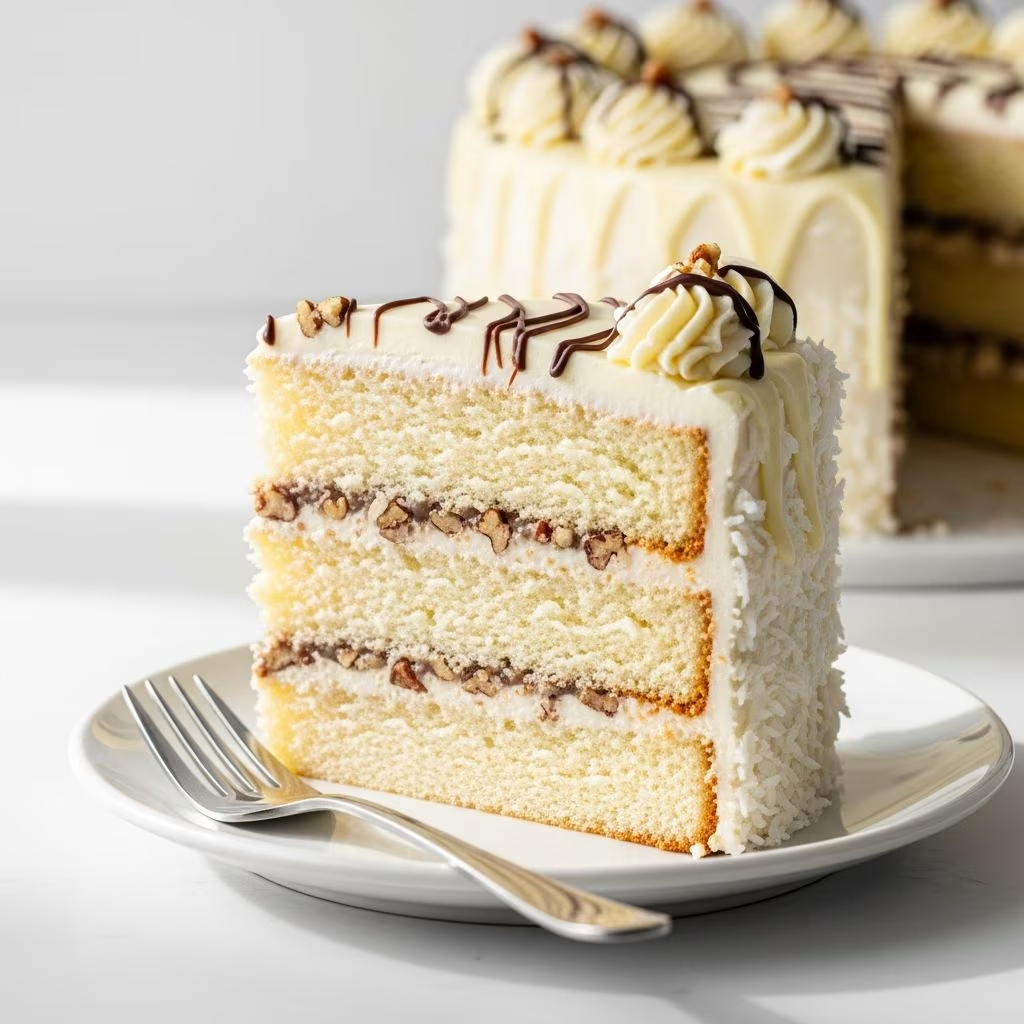
Creating a memorable dessert experience often requires selecting a recipe that balances sophistication with approachability. White German chocolate cake represents an elegant variation on a classic American favorite, substituting traditional dark chocolate with luxurious white chocolate while maintaining the signature coconut and pecan frosting that defines the genre. This comprehensive guide walks you through every stage of preparation, from ingredient selection to final presentation, ensuring your finished cake impresses both experienced bakers and casual dessert enthusiasts alike.
Understanding the White Chocolate Component
White chocolate serves as the foundational flavor element that distinguishes this cake from traditional German chocolate versions. Unlike its dark counterpart, white chocolate provides a subtle sweetness and delicate flavor profile that complements rather than overwhelms other ingredients. When selecting white chocolate for your batter, opt for quality products containing cocoa butter rather than substitutes like compound coatings or almond bark, which can produce inferior texture and flavor results.
The melting process requires careful attention to temperature control. Microwave melting works effectively when conducted at 30-second intervals at high power, stirring between each heating session to distribute heat evenly and prevent scorching. Alternatively, a double boiler method provides gentler, more controlled melting, particularly beneficial when working with premium chocolate varieties. Regardless of method, always allow melted white chocolate to cool slightly before incorporating into your batter, preventing premature cooking of eggs and ensuring smooth integration.
Assembling Your Ingredient Collection
Success begins with gathering properly measured and quality ingredients before starting your baking process. The dry ingredient foundation consists of all-purpose flour or cake flour, baking powder, and salt, which work together to create appropriate lift and structure. For optimal results, sift these ingredients together multiple times to eliminate lumps and ensure even distribution of leavening agents throughout your batter.
The wet ingredient combination includes softened butter, granulated sugar, separated eggs, vanilla extract, and buttermilk. Buttermilk’s acidity reacts with baking soda to promote rise and creates a tender crumb structure that prevents dense, heavy cakes. Fresh eggs at room temperature integrate more thoroughly into your batter, creating better emulsification and lighter texture than cold eggs.
The frosting component represents an equally important consideration, requiring egg yolks, evaporated milk, additional butter and sugar, plus the coconut and pecan garnishes that define this cake style. Evaporated milk’s concentrated consistency produces the signature thick, caramel-colored frosting that distinguishes German chocolate cake from other varieties.
Preparation and Equipment Setup
Proper preparation prevents common baking mishaps and ensures consistent results across baking attempts. Begin by positioning your oven rack to the middle position and preheating to 350 degrees Fahrenheit approximately 15 minutes before baking. This advance preparation allows the oven to reach accurate temperature, promoting even baking throughout all three cake layers.
Prepare three 9-inch round cake pans using one of several effective methods. Greasing involves coating pan interior surfaces with softened butter or cooking spray, creating a barrier preventing batter adhesion. Flouring adds a final protective layer by distributing a light powder coating over the greased surfaces. Alternatively, parchment paper circles cut to fit pan bottoms provide the most reliable release assistance, particularly important when unmolding delicate layers.
Assemble all ingredients and equipment in your workspace before beginning, allowing uninterrupted workflow once mixing begins. Room temperature ingredients combine more effectively, creating superior texture and consistency compared to ingredients directly from refrigerator storage.
Executing the Cake Batter Procedure
Begin your cake-making process by whisking together flour, baking powder, and salt in a medium mixing bowl. Set this dry mixture aside for later use. In a large mixing bowl, cream together softened butter and granulated sugar using an electric mixer on medium speed for approximately three minutes, until the mixture achieves a pale, fluffy consistency with increased volume.
Add egg yolks sequentially, beating thoroughly after each addition to ensure complete incorporation before introducing the next yolk. This gradual process prevents the mixture from becoming greasy or separated. After incorporating all yolks, add your cooled melted white chocolate and vanilla extract, mixing until the chocolate distributes evenly throughout without any visible streaks.
Introducing the dry ingredients requires alternating methodology to maintain batter consistency and prevent overmixing. Add approximately one-third of the flour mixture, mix briefly at low speed until just combined, then add one-third of the buttermilk, repeating this pattern until all ingredients are incorporated. This technique prevents the development of excess gluten, which creates tough, dense cakes rather than tender crumb structures.
In a separate bowl, beat the five egg whites until stiff peaks form, indicated by peaks that stand upright when your beater is lifted from the mixture. Carefully fold these whipped egg whites into your batter using a rubber spatula with gentle, sweeping motions, turning the bowl as you work to ensure even distribution without deflating the whites. This folding technique preserves the air bubbles that create the cake’s light texture.
Baking and Cooling Procedures
Divide your prepared batter equally among the three prepared pans, smoothing the tops gently to ensure level surfaces. Place all three pans in your preheated oven on the middle rack, arranging them to allow air circulation around each pan. Bake for 35 to 40 minutes, until a toothpick inserted into each layer’s center emerges clean or with only a few moist crumbs attached.
Allow cakes to cool in their pans for approximately 10 minutes after removal from the oven, during which time they set enough to handle safely without breaking. Run a thin knife around each pan’s interior edge to separate the cake from the sides, then invert each layer onto a wire cooling rack. Complete cooling requires approximately one to two hours, during which the cakes achieve room temperature and firm consistency ideal for frosting application.
Creating the Signature Coconut-Pecan Frosting
This distinctive frosting component requires careful preparation in a large saucepan over medium heat. Combine four egg yolks, evaporated milk, and vanilla extract, whisking thoroughly until well blended. Add sugar and butter, stirring constantly while the mixture heats, watching carefully for thickening as the frosting develops.
The cooking process typically requires approximately 12 minutes of continuous stirring to achieve proper consistency and golden-brown color. The frosting should thicken noticeably and develop a slightly caramelized appearance indicating complete cooking. Remove from heat and stir in the coconut flakes and chopped pecans, distributing them evenly throughout the frosting base.
Allow this frosting to cool to room temperature before applying to assembled cakes. Warm frosting spreads more easily but may slide between layers, while properly cooled frosting maintains better structural integrity during assembly and decoration.
Assembly and Finishing Techniques
Once all cake layers have cooled completely and frosting has reached room temperature, begin assembly by placing your first cake layer on a serving plate or cake stand. Spread a generous layer of coconut-pecan frosting evenly across the top surface using an offset spatula or knife. Position your second cake layer directly on top of this frosting, pressing gently to ensure secure positioning.
Repeat this frosting and layering process with your third layer, then frost the entire cake’s top and sides with remaining frosting. The frosting’s thick consistency creates a rustic, homemade appearance that enhances rather than detracts from the cake’s appeal. Consider garnishing the top with additional toasted pecan halves for visual enhancement and flavor reinforcement.
Storage and Serving Recommendations
| Storage Method | Duration | Best Practices |
|---|---|---|
| Room Temperature | 2-3 days | Cover with cake dome or plastic wrap to prevent drying |
| Refrigerator | 5-7 days | Store in airtight container on lower shelf away from odorous foods |
| Freezer | 2-3 months | Wrap layers individually before freezing; thaw at room temperature |
Store your finished cake in conditions that preserve moisture while preventing the frosting from absorbing external flavors or odors. Frosting containing egg products requires refrigeration if the cake will be stored longer than a few hours, particularly in warm environments. Allow refrigerated cake to reach room temperature before serving to maximize flavor development and achieve optimal texture.
Troubleshooting Common Baking Challenges
Dense or heavy cake layers typically result from overmixing batter, which develops excess gluten that traps steam rather than producing light, open crumb structure. Mix only until ingredients combine, avoiding prolonged beating beyond this point. Sunken or collapsed centers indicate insufficient oven temperature or premature opening of oven doors during early baking stages, allowing heat to escape.
Frosting that appears grainy or separated suggests overheating during cooking or insufficient stirring throughout the process. Cook frosting slowly over medium-low heat, stirring constantly to prevent localized overheating. Frosting that’s too thin indicates insufficient cooking time; continue heating and stirring until proper consistency develops.
Flavor Variations and Creative Modifications
While the traditional version serves as an excellent starting point, numerous variations accommodate different taste preferences and dietary considerations. Substitute cream cheese frosting for the classic coconut-pecan version, combining softened cream cheese with butter and powdered sugar for a tangy alternative. Add almond extract to the cake batter for subtle flavor complexity that complements white chocolate beautifully.
For those preferring darker presentation, incorporate a small amount of vanilla pudding mix into the frosting or create a darker frosting base by caramelizing additional sugar before incorporating other ingredients. Experimenting with different nut varieties like macadamia or walnuts provides alternative textural and flavor profiles while maintaining the cake’s essential character.
Frequently Asked Questions
Can I prepare this cake in advance?
Yes, bake unfrosted layers up to two days ahead, wrapping them individually and storing in airtight containers. Prepare frosting no more than one day before assembly to ensure food safety with raw egg yolks.
Is it possible to use a different pan configuration?
You can use two 9-inch pans instead of three, increasing individual layer thickness and adjusting baking time accordingly to approximately 45-50 minutes. Alternatively, a 9×13 rectangular pan requires 40-45 minutes of baking time.
What if I don’t have buttermilk available?
Create buttermilk substitute by combining regular milk with lemon juice or white vinegar, allowing the mixture to sit for 5 minutes before using in your recipe.
How do I know when the frosting has cooked sufficiently?
Properly cooked frosting develops a distinctly golden-brown color and noticeably thickens, coating the back of a spoon when tested, typically taking 10-15 minutes of constant stirring.
Can egg substitutes replace whole eggs in this recipe?
Egg substitutes work in the cake batter but cannot safely replace raw egg yolks in the cooked frosting. Use only pasteurized egg yolks if raw eggs present safety concerns.
References
- Egg Safety from Farm to Table — U.S. Department of Agriculture (USDA). 2022-06-15. https://www.fsis.usda.gov/food-safety/safe-food-handling-and-preparation/eggs-and-egg-products
- Food Storage and Preservation Guidelines — U.S. Food and Drug Administration (FDA). 2023-11-20. https://www.fda.gov/food/consumers/safe-food-handling
- Professional Baking and Pastry Techniques — The Culinary Institute of America. 2019-03-10. https://www.ciachef.edu
- Chocolate Melting and Tempering Best Practices — Institute of Culinary Education. 2021-09-12. https://www.iceculinary.com
- Chemical Leavening Agents in Baking Science — American Society of Baking. 2020-05-22. https://www.asbe.org