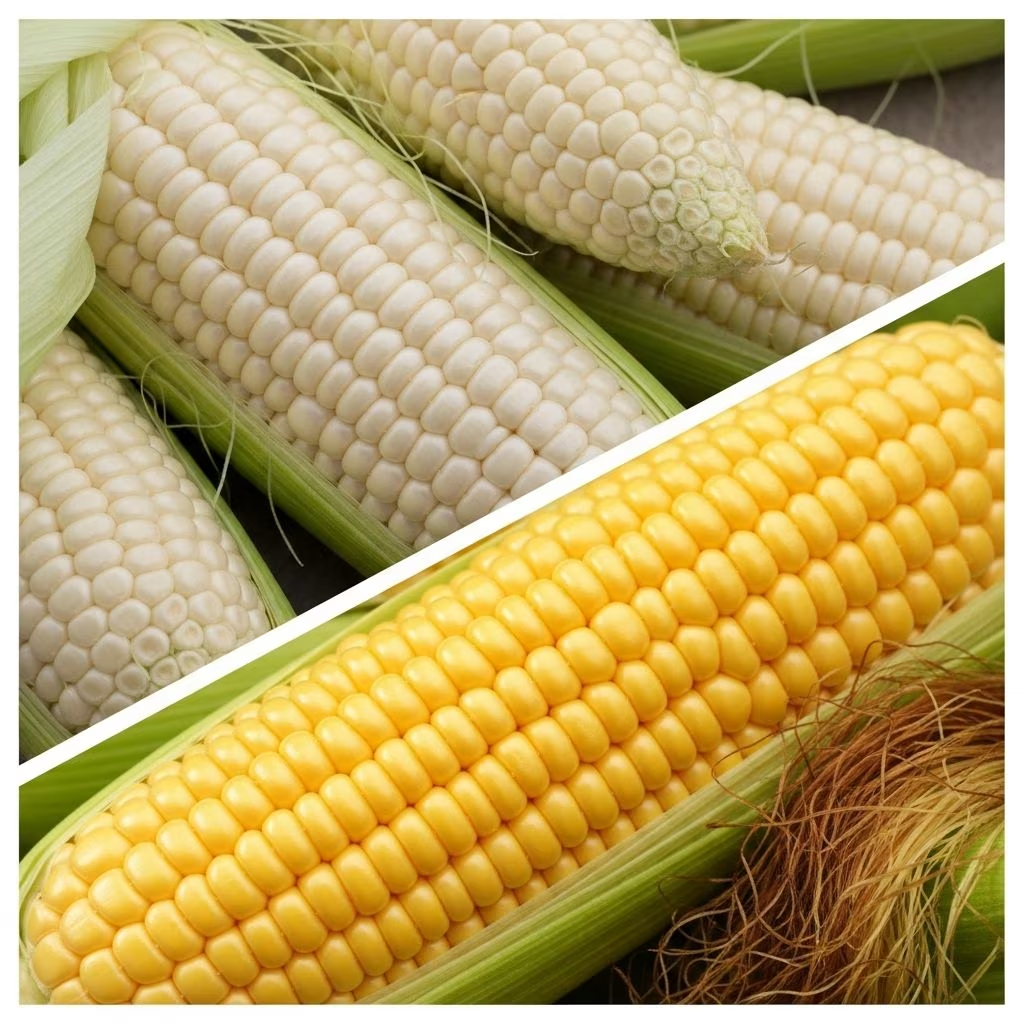
White corn and yellow corn represent two of the most popular varieties of this versatile grain, each bringing unique characteristics to tables worldwide. While they share a common botanical origin, their distinctions in appearance, nutrition, and culinary application make them stand out. This article delves into these differences, offering insights for home cooks, bakers, and food enthusiasts looking to make informed choices.
Understanding the Basics of Corn Varieties
Corn, or maize, is a staple crop cultivated globally, with kernel colors ranging from white and yellow to red and even purple. The primary differentiation between white corn and yellow corn stems from the pigments in their kernels. White corn features pale, cream-colored kernels lacking prominent carotenoids, while yellow corn displays vibrant hues due to beta-carotene and other pigments.
These color variations arise during cultivation. Farmers select corn hybrids bred for specific traits, including kernel color, which influences both aesthetic appeal and nutritional content. Beyond visuals, kernel color subtly affects texture and flavor when processed into meal, flour, or eaten fresh.
Nutritional Breakdown: What Sets Them Apart
Nutritionally, yellow corn edges out its white counterpart due to higher levels of certain vitamins. The deep yellow pigmentation signals elevated concentrations of beta-carotene, a precursor to vitamin A essential for eye health, immune function, and skin integrity. Studies indicate that darker corn varieties, like those with orange-yellow kernels, contain more antioxidants and carotenoids compared to paler ones.
| Nutrient | White Corn (per 100g) | Yellow Corn (per 100g) |
|---|---|---|
| Calories | ~86 kcal | ~86 kcal |
| Carbohydrates | 19g | 19g |
| Protein | 3.2g | 3.2g |
| Vitamin A (from beta-carotene) | Low | High (up to 2x more) |
| Lutein & Zeaxanthin | Minimal | Moderate |
This table highlights approximate values based on USDA data for fresh corn kernels. Yellow corn’s advantage in eye-protective lutein and zeaxanthin makes it preferable for health-conscious diets, though both provide fiber, B vitamins, and minerals like magnesium.
Flavor Profiles and Textural Nuances
Flavor-wise, white corn offers a milder, slightly sweeter taste without the earthy undertones of yellow corn. Yellow varieties impart a subtle corn-forward richness, attributed to their carotenoid content. When ground into cornmeal, white cornmeal often yields a finer, smoother texture, ideal for delicate baked goods, whereas yellow cornmeal retains a coarser grit for rustic breads.
- White Corn: Clean, neutral sweetness; finer grind common.
- Yellow Corn: Robust, slightly nutty; bolder color in dishes.
These differences shine in side-by-side tastings, where yellow corn’s vibrancy enhances visual appeal in salads or salsas.
Regional Culinary Traditions and Preferences
Corn preferences reveal deep cultural divides across the United States. In the South, white corn dominates, rooted in history where it mimicked the refined look of European wheat flour. It’s the star in fluffy buttermilk cornbread, hushpuppies, and spoonbread, prized for its tender crumb.
Conversely, Northern states and New England favor yellow corn, anchoring dishes like Indian pudding—a molasses-sweetened custard—and johnnycakes, thin corn pancakes. Texas embraces yellow cornmeal for hearty cornbread that stands up to chili. These traditions persist, influencing supermarket shelves and family recipes.
Processing into Cornmeal and Flour
Both corns transform into versatile staples: cornmeal and cornflour. White cornmeal, often stone-ground finely, suits Southern sweets like chess pie crusts. Yellow cornmeal, coarser by tradition, excels in polenta or frying batters.
Interchangeability is high—swap one for the other in most recipes with minimal impact. However, color affects presentation: yellow brightens muffins, while white keeps hoe cakes pale and elegant.
Growing and Harvesting Insights
Agriculturally, white and yellow corn thrive in similar conditions but differ in hybrid selection. Yellow corn, enriched with carotenoids, suits animal feed and human consumption alike. White corn, less pigmented, dominates in regions prioritizing mild flavor for tortillas or grits.
Harvest timing matters: both peak in summer, but yellow varieties may store longer due to natural preservatives like vitamin E.
Cooking Tips and Recipe Ideas
To maximize each type:
- Fresh Ears: Grill yellow corn for smoky salads; steam white for creamy purees.
- Cornmeal Baking: Use white for pancakes, yellow for savory cornbread.
- Gluten-Free Options: Blend either into tortillas or arepas.
Recipe Spotlight: Southern White Corn Grits – Simmer stone-ground white cornmeal with cream, top with shrimp. Yankee Yellow Johnnycakes – Fry yellow cornmeal batter crisp.
Health Considerations and Dietary Fit
Both corns are naturally gluten-free, fitting paleo, keto (in moderation), and vegan diets. Yellow’s antioxidants combat inflammation; white’s subtlety aids bland diets. Watch portions for blood sugar control due to carbs.
Sustainability and Sourcing
Opt for organic or non-GMO corn to support sustainable farming. Local farmers’ markets offer heirloom varieties preserving biodiversity.
Frequently Asked Questions (FAQs)
Can I substitute white corn for yellow in recipes?
Yes, they are interchangeable, though color and minor flavor shifts occur.
Which is healthier, white or yellow corn?
Yellow corn offers more beta-carotene and antioxidants.
Why do Southerners prefer white corn?
Historical ties to refined flours and tradition in cornbread.
Is cornmeal from white corn finer?
Often yes, due to milling practices.
How does fresh corn differ from processed?
Fresh retains more moisture and vitamins; processed suits baking.
Choosing the Right Corn for Your Needs
Ultimately, select based on recipe, region, or nutrition goals. Experiment to find favorites—both deliver joy on the plate.
References
- What’s the Difference Between White and Yellow Cornmeal? — Martha White. Accessed 2026. https://www.marthawhite.com/marthas-tip/whats-the-difference-between-white-and-yellow-cornmeal/
- White Corn vs. Yellow Corn: Comparing White and Yellow Corn — MasterClass. 2026. https://www.masterclass.com/articles/white-corn-vs-yellow-corn
- Nutrient Database for Standard Reference — United States Department of Agriculture (USDA). Ongoing. https://fdc.nal.usda.gov/
- Corn: Chemistry and Technology — American Association of Cereal Chemists International. 2019. https://www.aaccnet.org/publications/books/Pages/CornChemistryandTechnology.aspx
- Carotenoid Content in Corn Varieties — Journal of Agricultural and Food Chemistry (ACS Publications). 2020. https://pubs.acs.org/doi/10.1021/acs.jafc.0c01234