The Reality Behind Your Can of Pumpkin
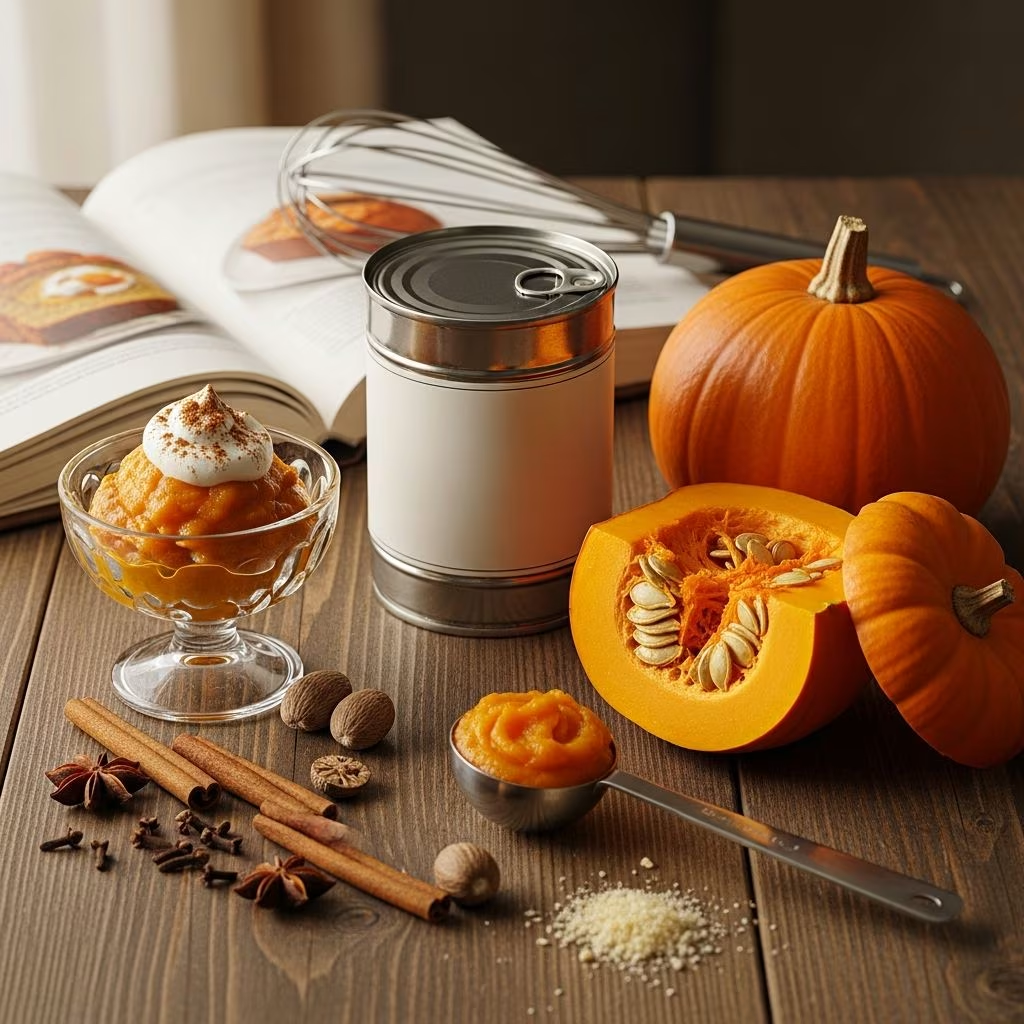
When you reach for a can labeled “100% pumpkin” at the grocery store, you might assume you’re getting pure pumpkin. However, the story behind that convenient product is more complex than the label suggests. The canned pumpkin industry has created a product that, while practical and widely used, operates under a loose definition of what “pumpkin” actually means. Understanding this distinction helps home cooks make informed choices about their ingredients and achieve the best results in their seasonal baking.
Botanical Classification and the Squash Connection
The confusion surrounding canned pumpkin starts with botanical classification. Pumpkins are not a distinct botanical category but rather a subset of squash varieties. All pumpkins belong to the Cucurbitaceae family, which encompasses squashes, melons, cucumbers, and gourds. The term “pumpkin” itself is defined more by appearance and cultural use than by botanical science.
Pumpkins are members of four different plant species within the genus Cucurbita. Common field pumpkins, such as the ‘Howden’ variety typically used for jack-o’-lanterns, belong to Cucurbita pepo, alongside acorn squash. The commercially significant Dickinson pumpkin, which forms the primary ingredient in most canned pumpkin products, belongs to Cucurbita moschata, the same species as butternut squash. Large winter squash varieties and certain pumpkin cultivars fall into Cucurbita maxima, while Cucurbita mixta includes cushaw-type pumpkins.
This botanical overlap explains why canned pumpkin products may contain not just pumpkin but also other squash varieties. The regulatory definition of “pumpkin” prioritizes the fruit’s exterior appearance and culinary application rather than strict species classification, allowing manufacturers flexibility in their sourcing.
How Canned Pumpkin Is Made
The process of creating canned pumpkin differs significantly from what home cooks experience when preparing fresh pumpkin. Commercial production involves several key steps that transform raw pumpkins into the smooth, uniform product consumers know.
Manufacturers begin with whole pumpkins, typically the Dickinson variety chosen specifically for its texture and flavor profile. The pumpkins are washed and cooked using steam rather than the roasting method home cooks often employ. This steaming process breaks down the flesh and facilitates easier separation from the skin and seeds. Once cooked, the softened pumpkin flesh is mechanically separated from the inedible portions.
The separated flesh then undergoes mechanical puréeing to create the smooth, consistent texture characteristic of canned pumpkin. The resulting purée is strained to remove any remaining fibrous material, ensuring a uniform consistency. Finally, the purée is packaged into cans and undergoes heat treatment to ensure shelf stability and food safety. This entire process concentrates the pumpkin flavor through cooking and reduces moisture content compared to fresh preparations.
Key Differences Between Canned and Fresh Pumpkin Preparations
| Characteristic | Canned Pumpkin | Fresh Pumpkin Purée |
|---|---|---|
| Source | Often a blend of pumpkin and squash varieties | Single pumpkin variety |
| Processing Method | Steamed and mechanically puréed | Roasted and hand-blended |
| Texture | Thick and consistently uniform | Slightly thinner, more variable |
| Color | Deep orange to dark brown | Golden yellow-orange |
| Flavor Intensity | Concentrated and intense | Lighter, more delicate |
| Moisture Content | Lower due to cooking concentration | Higher water content |
| Shelf Life (Unopened) | Multiple years | Several days in refrigerator |
Understanding the “100% Pumpkin” Label
A can labeled “100% pumpkin” technically meets regulatory standards, but the definition of pumpkin is broad enough to include multiple squash varieties. The primary commercial source for canned pumpkin purée is the Dickinson pumpkin, a variety originally developed specifically for commercial processing. Interestingly, the Dickinson pumpkin more closely resembles a butternut squash in its characteristics than a traditional orange jack-o’-lantern pumpkin.
This means that when you purchase a major brand’s canned pumpkin product, you may actually be getting a product derived from a pumpkin variety that looks and tastes quite different from the pumpkins associated with traditional autumn imagery. The 100% designation simply means the can contains only pumpkin or pumpkin-adjacent squash with no additional vegetables or fillers, but it doesn’t guarantee that the contents come from a single pumpkin variety or what most people would recognize as a typical pumpkin.
Flavor and Texture Implications for Cooking
The differences between canned and fresh pumpkin purée significantly impact how they perform in recipes. Canned pumpkin’s concentrated flavor develops from the steaming and cooking process, which breaks down cell walls and intensifies the natural sugars and compounds. This concentration makes canned pumpkin an excellent choice for recipes where a bold pumpkin flavor is desired, such as traditional pumpkin pie.
Fresh pumpkin purée, particularly when made from smaller sugar pumpkins chosen specifically for cooking rather than decoration, offers a more delicate and subtle pumpkin flavor. The roasting method used in home preparation creates a slightly different flavor profile than commercial steaming. Some bakers prefer the lighter flavor of homemade purée when they want to feature other ingredients or create more nuanced flavor combinations.
The texture difference also matters in application. Canned pumpkin’s consistency makes it ideal for seamless integration into batter and filling recipes. Fresh pumpkin purée, which often has a slightly higher moisture content, may require recipe adjustments to prevent baked goods from becoming overly wet. However, this difference is rarely dramatic enough to cause problems for most home cooks.
Distinguishing Canned Pumpkin from Pumpkin Pie Filling
One critical distinction that home cooks must understand is the difference between pure canned pumpkin and pumpkin pie filling. These are fundamentally different products that are not interchangeable in recipes.
Canned pumpkin purée contains a single ingredient: pureed pumpkin or steamed pumpkin puree. It is an unsweetened, unadulterated product that gives cooks complete control over flavoring and sweetness levels.
Pumpkin pie filling, by contrast, comes pre-seasoned and sweetened. It contains pumpkin purée as its base but also includes added sugar, spices like cinnamon and nutmeg, and often includes eggs or thickening agents. This product is specifically formulated for making pumpkin pie quickly, with minimal additional ingredients required.
Confusing these two products can result in overly sweet, heavily spiced dishes if pie filling is substituted where pure pumpkin is called for. Similarly, using pure pumpkin when a recipe expects pie filling means losing the flavor framework the recipe developer intended. Always check the ingredient list carefully and select the product your recipe specifically requires.
Versatility Beyond Traditional Uses
While pumpkin is most famously associated with autumn desserts, canned pumpkin offers surprising versatility in a broader range of recipes. Beyond pie and bread, pumpkin serves as an ingredient in soups, curries, and savory dishes. Its natural sweetness and smooth texture make it an excellent base for creamy soups combined with aromatics and broths.
Pumpkin also functions as an excellent substitute for other winter squashes in many recipes. When a recipe calls for butternut squash, acorn squash, or kabocha squash, canned pumpkin can often be used as a direct substitution. This flexibility makes canned pumpkin a valuable pantry staple year-round, not just during autumn months.
Storage and Shelf Stability
One of canned pumpkin’s primary advantages over fresh pumpkin is its exceptional shelf stability. An unopened can of pumpkin purée can remain shelf-stable for several years, making it an ideal ingredient to stock ahead of the season. This long shelf life means home cooks can purchase canned pumpkin whenever it’s on sale and available, rather than being constrained by the limited fresh pumpkin season.
Once a can is opened, however, shelf life decreases dramatically. Opened canned pumpkin should be transferred to an airtight container and refrigerated, where it will keep for approximately three to five days. To extend storage life beyond this window, home cooks can freeze opened canned pumpkin in ice cube trays or other freezer-safe containers for future use, with frozen pumpkin remaining viable for several months.
Choosing Between Canned and Fresh
The decision between canned and fresh pumpkin depends on several factors. Convenience strongly favors canned pumpkin, which requires no preparation beyond opening the can. For recipes that specifically call for pumpkin purée, canned is undoubtedly the more practical choice for most home cooks.
For those seeking textural variety, such as recipes that feature chunks of pumpkin rather than a smooth purée, fresh pumpkin is the necessary choice. Additionally, home cooks who want maximum control over flavor profiles or who enjoy the process of from-scratch food preparation may prefer making their own purée from fresh pumpkins.
For decorative purposes or jack-o’-lantern projects, fresh pumpkins are obviously required. However, large pumpkins typically used for carving are generally less flavorful and more watery than smaller varieties, making them unsuitable for cooking purposes. Small sugar pumpkins, available during autumn months, provide superior cooking qualities compared to large carving varieties.
Nutritional Considerations
From a nutritional standpoint, canned and fresh pumpkin purée are nutritionally comparable. Both are excellent sources of beta-carotene, fiber, and potassium. The cooking process used to create canned pumpkin does not significantly diminish nutritional value. One advantage of canned pumpkin is that its consistent nutrient profile remains constant from can to can, whereas fresh pumpkin’s nutritional content varies based on growing conditions and the specific variety used.
Practical Recipe Applications
Canned pumpkin excels in applications where its thick consistency and concentrated flavor are beneficial. Traditional pumpkin pie, pumpkin cheesecake, pumpkin muffins, and pumpkin bread all benefit from canned pumpkin’s properties. The product also works well in smoothies, oatmeal, yogurt parfaits, and as a base for soups when combined with appropriate broths and seasonings.
For bakers seeking specific outcomes, understanding canned pumpkin’s characteristics helps predict results. Its moisture content makes it less suitable for recipes requiring drier final products, and its intense flavor might overwhelm delicate flavor profiles in some applications. However, for the vast majority of autumn-inspired recipes, canned pumpkin delivers reliable, consistent results that match or exceed those achieved with fresh pumpkin.
Frequently Asked Questions
Is canned pumpkin really made from Dickinson pumpkins?
Yes, the primary source for commercial canned pumpkin purée is the Dickinson pumpkin variety. This variety was specifically developed for commercial processing and processing efficiency rather than for appearance or traditional decorative purposes.
Can I use pumpkin pie filling in recipes that call for pumpkin purée?
It is not recommended. Pumpkin pie filling contains added sugar and spices, which would alter the intended flavors and sweetness levels of recipes designed for pure pumpkin purée. Always use the product your recipe specifically calls for.
How long does opened canned pumpkin last?
Once opened and transferred to an airtight container, canned pumpkin should be used within three to five days when refrigerated. For longer storage, freezing in appropriate containers extends shelf life for several months.
Why does fresh pumpkin purée look different from canned?
Fresh pumpkin purée made from roasted pumpkins typically has a lighter, more golden color compared to the darker orange-brown of canned pumpkin. This difference results from different cooking methods—steaming for canned versus roasting for fresh preparations—and potential differences in pumpkin variety.
Can I substitute butternut squash for canned pumpkin?
Yes, butternut squash purée can generally be substituted for canned pumpkin in most recipes, as butternut squash and certain pumpkin varieties belong to the same plant species. However, be aware that butternut squash may have a slightly different flavor profile and moisture content that could affect final results.
References
- Canned Pumpkin vs. Fresh Pumpkin: What’s the Difference? — Jow. Retrieved April 2026. https://jow.com/blog/entries/canned-pumpkin-vs-fresh-pumpkin-whats-the-difference
- Fresh vs. Canned Pumpkin — Handle the Heat. Retrieved April 2026. https://handletheheat.com/fresh-vs-canned-pumpkin/
- What’s the Difference Between Canned vs. Fresh Pumpkin? — Delish. Retrieved April 2026. https://www.delish.com/cooking/a37625754/canned-pumpkin-vs-fresh-pumpkin/
- Is canned pumpkin actually made from a mixture of butternut and other squashes? — Iowa State University Extension and Outreach. Retrieved April 2026. https://yardandgarden.extension.iastate.edu/faq/canned-pumpkin-actually-made-mixture-butternut-and-other-squashes