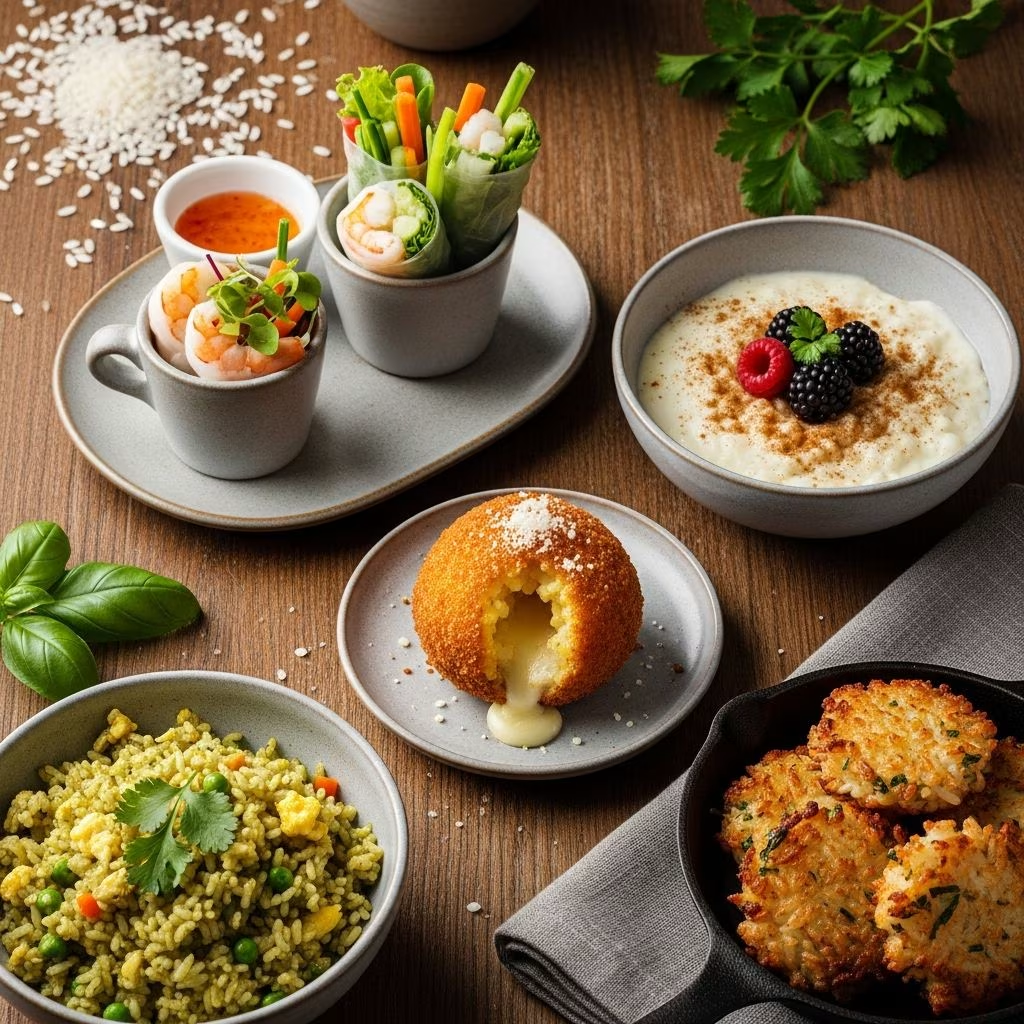
Cooked rice stored in your refrigerator represents an opportunity for culinary creativity rather than a cooking obligation. While uncooked rice maintains quality for extended periods, prepared rice has a limited shelf life of three to five days, making it essential to transform these portions into compelling dishes before spoilage occurs. Understanding how to repurpose refrigerated rice efficiently prevents food waste while delivering meals that satisfy both appetite and budget constraints.
Understanding Rice Storage and Texture
The texture of leftover rice differs significantly from freshly cooked rice, and this distinction matters considerably when planning your preparation method. Day-old rice becomes slightly firmer as moisture evaporates, creating individual grains that resist clumping when subjected to high heat and sauce integration. This textural quality makes aged rice preferable for many applications, particularly those requiring distinct grain separation.
Fresh rice, conversely, retains moisture that can lead to undesirable mushiness when combined with oils, sauces, and stir-frying techniques. However, if you only have recently prepared rice available, rapid cooling techniques can approximate the textural benefits of day-old rice. Spreading warm rice on a baking sheet and refrigerating it accelerates moisture loss, producing results comparable to naturally aged rice within hours.
Always refrigerate prepared rice within two hours of cooking to prevent bacterial proliferation, particularly concerning strains like Bacillus cereus that develop in unrefrigerated conditions and potentially cause foodborne illness.
Mastering the Art of Fried Rice
Fried rice represents the quintessential application for leftover rice, transforming simple ingredients into a complete meal within minutes. The dish’s appeal lies in its flexibility and speed—most preparations complete in fifteen to twenty minutes using items already inhabiting your kitchen.
Success in fried rice preparation depends upon several technical considerations. Begin by selecting a wide-bottomed pan or wok that distributes heat evenly and prevents steam accumulation. High heat proves essential for developing crispy rice grains rather than steamed or soggy results. The fold-and-press technique—pressing rice firmly into the hot surface for thirty seconds, then stirring—creates desirable browning while maintaining grain integrity.
Layering flavors creates depth that distinguishes homemade fried rice from mediocre versions. Start by sautéing aromatic components like garlic, ginger, and onions in oil until fragrant. Add proteins or vegetables requiring extended cooking times, then introduce faster-cooking ingredients progressively. Eggs, whisked separately and added after other components, should be stirred continuously to create fluffy, integrated ribbons rather than large chunks.
Consider these adaptable protein and vegetable combinations:
- Shrimp with mushrooms, bell peppers, and green onions
- Ground turkey with carrots, peas, and corn
- Tofu cubes with broccoli, snap peas, and sesame seeds
- Diced ham with cabbage, eggs, and garlic
- Beef strips with mushrooms, zucchini, and ginger
Season the finished dish with soy sauce, sesame oil, and white pepper, allowing the rice to sit undisturbed for thirty to forty-five seconds before serving to develop additional crispy textural elements.
Korean-Inspired Mixed Rice Bowls
Bibimbap, a traditional Korean preparation, offers an elegant approach to rice repurposing that emphasizes visual appeal and flavor complexity. This mixed rice bowl construction layers various components over a rice foundation, crowned with a fried egg and drizzled with gochujang (Korean chili paste) that binds everything together.
The beauty of bibimbap lies in its adaptability to available ingredients. The basic framework involves preparing four to five distinct components—each contributing unique flavors and textures—arranged artfully over warm rice. Traditional vegetables include spinach, shredded carrots, sliced mushrooms, and zucchini, each sautéed briefly with garlic and sesame oil.
Protein options range from marinated beef strips to seasoned chicken or tofu, cooked separately and positioned strategically around the bowl. Kimchi, whether homemade or store-purchased, provides characteristic spicy-funky notes that enliven the entire dish. The fried egg, cooked until whites set while yolk remains runny, crowns the composition and creates a luxurious sauce when mixed throughout.
This preparation method works excellently for meal preparation, as components can be prepared in advance and assembled quickly during busy weekdays. Bibimbap boxes stored in the refrigerator maintain quality for two to three days, making them ideal for planned lunches.
Savory Rice-Stuffed Vegetables
Hollowed vegetables become vessels for seasoned rice mixtures, creating an impressive presentation that appears more labor-intensive than actual preparation requires. This technique works across seasons—summer tomatoes and peppers transform into elegant dinner centerpieces, while winter squashes provide heartier foundations.
Begin by selecting vegetables of appropriate size and hollow out the interior, reserving any removed flesh for incorporation into the filling. Bell peppers, tomatoes, and zucchini require minimal preparation, while winter squashes benefit from roasting cut-side down at 375°F until slightly softened.
The filling combines prepared rice with sautéed aromatics like onions, garlic, and shallots, along with textural components such as mushrooms, nuts, or dried fruit. A binding agent—whether tomato sauce, broth, or beaten eggs—helps distribute moisture evenly and prevents dryness. Fresh herbs and cheese additions provide finishing touches that elevate the overall composition.
Arrange stuffed vegetables in a baking dish, cover loosely with foil, and bake at 350°F for twenty to thirty minutes until vegetables achieve desired tenderness. The filled vegetables can be prepared several hours in advance and refrigerated until baking time, making them suitable for entertaining or weekday planning.
Incorporating Rice Into Soups and Stews
A modest portion of prepared rice—approximately one-half to one cup per four-serving batch—significantly enhances soups and stews by adding texture, bulk, and satiation. The rice absorbs surrounding flavors while contributing subtle starch that enriches broths without cloudiness or overwhelming heartiness.
Rice integrates most effectively when added during final cooking stages, allowing thirty seconds to two minutes of heating sufficient to warm the grains thoroughly. This brief heating prevents overcooking that would transform individual grains into mush indistinguishable from the surrounding liquid.
Ideal soup and stew applications include:
- Chicken and vegetable soups seeking additional substance
- Lentil preparations requiring textural contrast
- Tomato-based stews needing body without flour thickening
- Posole and Mexican red lentil stews for traditional authenticity
- Black bean chili enhanced with softer texture components
Creamy Casserole Preparations
Baked casseroles represent comfort food at its finest, and rice-based versions deliver satisfying results with minimal complexity. These one-dish preparations combine rice with vegetables, proteins, binding sauces, and cheese toppings that brown attractively during baking.
Begin with a creamy base—bechamel sauce, cream of mushroom soup, or simple cream and broth combinations—that coats rice grains and prevents excessive dryness during oven cooking. Layer prepared rice with vegetables like broccoli, carrots, or peas, along with proteins such as cooked chicken, ground meat, or seafood.
Cheese toppings—cheddar, mozzarella, or parmesan—should be added during final baking stages to achieve golden-brown surfaces without burning. Bake covered at 350°F for thirty to forty minutes, then uncovered for an additional ten to fifteen minutes until the top develops desirable color and the sides bubble gently.
These casseroles freeze exceptionally well, allowing you to prepare multiple batches simultaneously and maintain convenient backup meals for hectic weeks.
Binding Agent Applications in Meat Preparations
Meatloaves and meatballs benefit from cooked rice additions that mimic breadcrumb functionality while providing gluten-free alternatives. Rice absorbs excess moisture that would otherwise create dense, compact final products, while simultaneously contributing binding properties essential for structural integrity.
The rice-to-meat ratio typically ranges from one-quarter to one-third cup of cooked rice per pound of ground meat, though adjustment proves necessary based on meat fat content and desired texture. Finely chop or lightly pulse rice to create smaller pieces that distribute more evenly throughout the mixture.
Additional binding components—eggs, milk, and seasonings—distribute throughout the rice-enriched mixture, creating cohesive preparations that hold together during cooking without becoming excessively firm or dry. Gentle mixing prevents overworking the meat, which develops undesirable tough textures.
Sweet Preparations and Desserts
Rice pudding transforms leftover rice into an elegant dessert that satisfies sweet cravings while utilizing ingredients typically available in most kitchens. This cold or warm preparation combines rice with dairy, sweeteners, and aromatic flavoring like cinnamon or vanilla that create comfort food status.
Baked rice pudding involves combining cooked rice with whole milk or cream, eggs, sugar, and flavoring ingredients before baking covered in a water bath at 325°F for approximately thirty minutes. The result achieves custard-like creaminess with distinct rice grain texture throughout.
Stovetop preparations offer quicker results, heating milk-rice combinations gently over medium heat while stirring frequently until desired thickness develops. This method allows for more direct control over final consistency and reduces overall cooking time substantially.
Strategic Shopping and Preparation Planning
Intentionally preparing slightly excess rice during regular meal cooking establishes a prepared-rice inventory sufficient for secondary preparations. Storing measured portions—typically one to two cups—in airtight containers facilitates easy recipe planning and prevents preparation delays when inspiration strikes.
Labeling storage containers with preparation dates ensures that older rice receives priority use, supporting efficient rotation and waste prevention. Cooked rice stored at optimal cold temperatures maintains quality throughout its three-to-five-day window, providing ample time for creative transformations.
Frequently Asked Questions
How long can I safely store cooked rice in the refrigerator?
Properly stored cooked rice maintains quality for three to five days when refrigerated in airtight containers at temperatures below 40°F. Always refrigerate rice within two hours of cooking to prevent bacterial growth.
Why does fried rice work better with leftover rice?
Day-old rice has lost surface moisture, creating firmer grains that separate distinctly when subjected to high heat and sauce integration. Freshly cooked rice remains too moist, resulting in clumpy, gummy textures that detract from the finished dish’s quality.
Can I use fresh rice instead of day-old rice?
Yes, rapid cooling techniques can simulate day-old rice properties. Spread warm rice on a baking sheet and refrigerate until completely cooled, which typically requires two to three hours. This accelerates moisture evaporation and produces acceptable results for most applications.
What’s the best way to reheat leftover rice?
Microwave reheating works adequately for general purposes—sprinkle water over rice, cover loosely, and heat in thirty-second intervals, stirring between each interval. For superior texture, reheat in a skillet over medium heat with minimal oil or butter, stirring frequently to prevent burning.
Can leftover rice be frozen?
Yes, cooked rice freezes well for up to six months when stored in airtight freezer containers or heavy-duty freezer bags. Thaw in the refrigerator overnight before use, or reheat directly from frozen using microwave or stovetop methods.
Conclusion: Reducing Waste While Enjoying Variety
Leftover rice represents neither kitchen obligation nor waste liability, but rather an ingredient foundation supporting numerous satisfying preparations that span global cuisines and flavor profiles. Strategic storage practices combined with knowledge of various applications ensure that refrigerated rice transforms into intentional meals rather than forgotten containers accumulating in the back of your refrigerator. By embracing rice repurposing as a routine cooking practice, you simultaneously reduce food waste, expand your culinary repertoire, and maintain economical meal planning that satisfies both practical and creative cooking desires.
References
- Storage and Handling of Cooked Rice — U.S. Food and Drug Administration. 2024. https://www.fda.gov/food/foodborneillnesscontaminants/causesofillness/ucm113730.htm
- 12 Leftover Rice Recipes — Budget Bytes. 2024. https://www.budgetbytes.com/leftover-rice-recipes/
- Quick Fried Rice with Leftover Rice — Urban Farmie. 2024. https://urbanfarmie.com/quick-fried-rice/
- Food Safety: Leftovers and Food Storage — Centers for Disease Control and Prevention. 2023. https://www.cdc.gov/foodsafety/kitchen/leftovers.html
- 6 Easy Remakes for Leftover Cooked Rice — Zero-Waste Chef. 2024. https://zerowastechef.substack.com/p/6-easy-makeovers-for-leftover-cooked