Blenders are versatile kitchen workhorses that handle countless culinary tasks, from creating silky smoothies to preparing homemade soups and sauces. However, despite their impressive power and capabilities, blenders have definite limitations. Not every ingredient is suitable for blending, and attempting to process certain foods can damage the appliance irreparably or create dangerous situations. Understanding what should never go into your blender is essential for maintaining its longevity and ensuring safe kitchen practices.
The motor, blades, and seals of a blender are engineered to handle specific types of ingredients under controlled conditions. Pushing these boundaries with inappropriate foods can result in motor burnout, blade dulling, leaking seals, and even potential injury. This comprehensive guide explores the categories of ingredients you should avoid and explains the specific risks associated with each.
Thermal Hazards: Why Hot Ingredients Are Dangerous
One of the most critical safety concerns involves introducing hot liquids or foods into a blender. When heat and pressure combine inside the sealed container, the consequences can be severe and unpredictable. The enclosed environment traps steam, which builds pressure and can force the lid to pop off violently, sending scalding liquid spraying across your kitchen and potentially causing serious burns.
Beyond the immediate burn risk, thermal stress damages the internal components of your blender. The rubber seals that keep your blender watertight are designed to function within specific temperature ranges. Exposing them to high heat causes them to warp and lose their effectiveness, leading to leaks during future blending sessions. This degradation is often irreversible, requiring costly repairs or replacement of the entire appliance.
Allow hot soups, broths, and beverages to cool to room temperature or below before blending. If you’re working with warm ingredients as part of a recipe, blend them when they’re cool and reheat the finished product on the stovetop if necessary. This simple precaution protects both your safety and your investment.
Dense and Hardened Ingredients: Understanding Motor Strain
Blender motors are calibrated to spin blades at high speeds through ingredients of moderate density. When you introduce materials that are excessively hard or dense, the motor must work significantly harder to maintain its rotation speed. This excessive strain can cause several problems that compound over time.
Whole Beans and Legumes
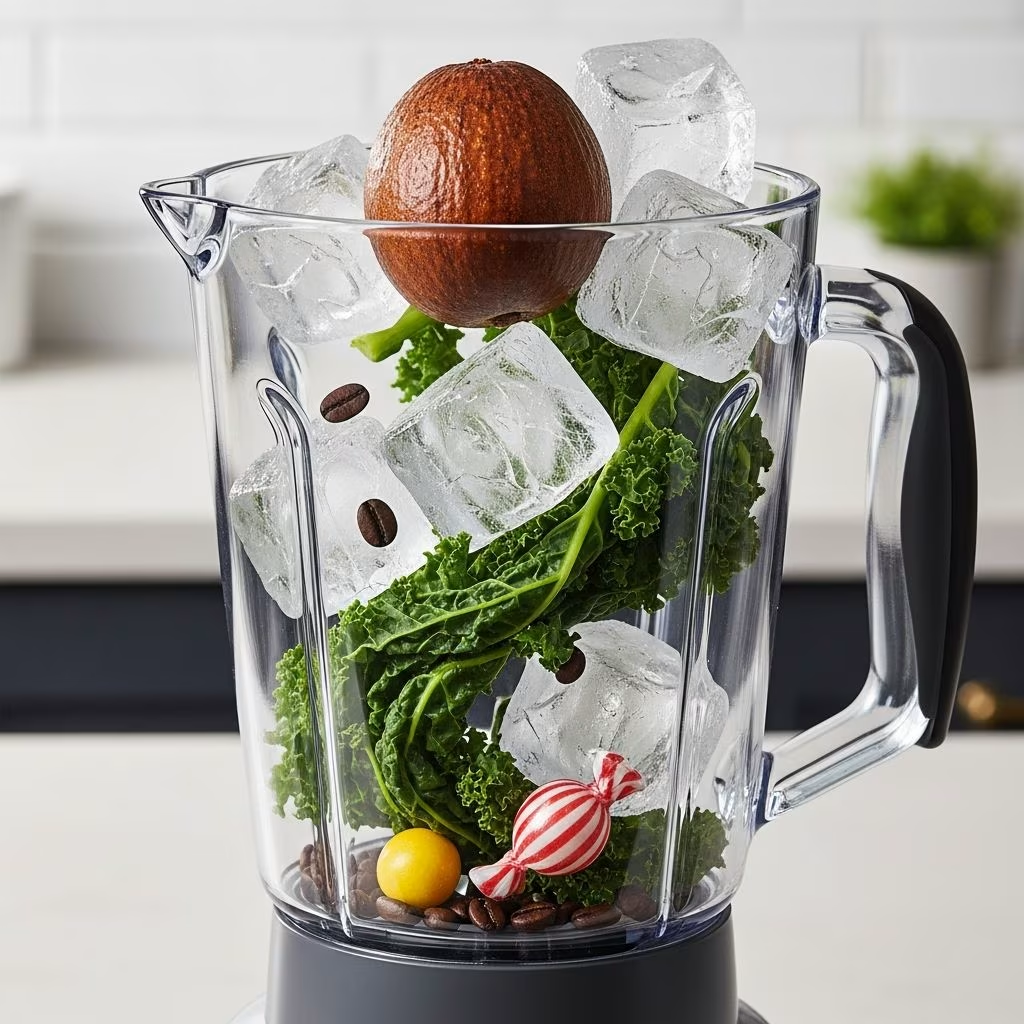
Dry beans, whether they’re coffee beans, legumes, or other varieties, possess a tough exterior designed by nature to protect the interior until germination. This hardness far exceeds what a standard blender motor can comfortably handle. Attempting to grind whole dry beans forces the motor to labor, generating excessive heat and potentially causing burnout. The blades also suffer, becoming dulled and less effective for future blending tasks.
For grinding coffee beans or pulverizing dry legumes, invest in a specialized coffee grinder or food processor designed for this purpose. These appliances have motors and blade configurations optimized for tough grinding work, yielding better results with less wear on your equipment.
Hard Nuts Without Preparation
While nuts are nutritious and useful in many recipes, whole nuts require special handling before blending. Raw, unsoaked almonds, cashews, and pecans have a density and hardness that can wear down blender blades rapidly. The motor must compensate for the resistance, leading to overwork and potential stalling.
Soaking nuts in water for several hours before blending softens them significantly, making them much more compatible with standard blenders. This pre-treatment also enhances the flavor profile and improves digestibility of the nuts. For those planning to make homemade nut butters or plant-based milks regularly, a high-powered blender designed for these tasks offers a more durable solution.
Hard Cheeses and Root Vegetables
Large chunks of hard cheese like aged Parmesan or raw, uncut root vegetables such as beets and turnips can jam the blades or cause them to wear excessively. Pre-processing these ingredients—grating cheese manually or cutting vegetables into smaller pieces—prevents strain on the motor and ensures more even blending throughout your recipe.
Adhesive and Sticky Substances: The Clogging Problem
Certain foods have a natural tendency to adhere to surfaces and thicken as they blend. These sticky substances create multiple problems for your blender’s functionality and require extensive cleanup afterward.
Dried Fruits and Their Challenges
Sun-dried tomatoes, raisins, and other dehydrated fruits may seem like convenient smoothie additions, but their concentrated texture and moisture-absorbing properties make them problematic. As these foods blend, they transform into a thick, paste-like consistency that clings to the blades and container walls. This buildup can restrict blade movement, forcing the motor to work harder and potentially damaging the blade assembly’s bearings.
If a recipe specifically calls for dried fruits, soak them in warm water beforehand to restore moisture and soften their texture. This preparation step takes only a few minutes but significantly reduces the strain on your blender. Alternatively, chop dried fruits into small pieces to minimize the sticky paste formation.
Taffy and Confectionery Sticky Items
Taffy, caramel, and other sticky candies should never enter a blender. These substances are designed to stick together and resist separation. When blended, they create a gluey mass that coats the blade assembly and interior walls, taxing the motor as it attempts to overcome the resistance. Cleaning such residue is laborious and may require soaking or scrubbing.
Starches and Vegetable Matter: Texture Transformation Issues
Certain foods undergo problematic textural changes when blended due to their starch content or fibrous structure. Understanding these transformations helps explain why some ingredients produce undesirable results.
Potatoes and Starch Breakdown
While cooked potatoes might seem like an efficient shortcut for preparing mashed potatoes, blending them produces disappointing results. The mechanical action of blender blades ruptures cell walls and breaks down starch molecules more aggressively than traditional mashing techniques. This excessive starch breakdown results in a gluey, unpleasant texture that resembles paste rather than fluffy mashed potatoes.
The starch content in potatoes, when disturbed by high-speed blending, releases compounds that cause the mixture to become thick and sticky. For light, fluffy mashed potatoes with proper texture, use a traditional potato masher, ricer, or food mill designed to handle this ingredient gently.
Additionally, attempting to blend potatoes strains the blender’s motor and bearings. If the resistance becomes too great, it can cause the bearing assembly to seize or the motor to overheat, potentially triggering an electrical fire. This safety risk alone should discourage potato blending.
Fibrous Vegetables and Stringy Outcomes
Raw, high-fiber vegetables such as celery, broccoli with stalks, and kale stems contain tough, stringy fibers that become problematic during blending. Rather than breaking down completely, these fibers become tangled around the blade assembly, restricting its rotation and forcing the motor to compensate with increased effort. The result is an uneven blend with unpleasant straggly textures and potential internal damage.
Cook fibrous vegetables before blending to soften their structure, or remove tough stalks and cut vegetables into smaller pieces. This preparation ensures consistent blending and protects your appliance from unnecessary strain.
Warm Leafy Greens and Oxidation
While fresh leafy greens are excellent smoothie ingredients, their temperature matters significantly. Warm or room-temperature greens undergo enzymatic changes when exposed to the high-speed blending process. These changes cause the greens to darken and lose their appealing color, resulting in brown, oxidized smoothies with diminished nutritional appeal.
Freeze leafy greens beforehand or blend them while they’re still cold from refrigeration. This simple step preserves their vibrant color and nutritional integrity while producing more visually appealing beverages.
Aromatic Compounds and Lingering Odors
Garlic, onions, and other pungent vegetables contain volatile aromatic compounds that behave differently when blended. These compounds don’t completely wash away after use; instead, they bond chemically with the plastic components of your blender. Over time, this causes permanent odor absorption, where your blender retains garlic or onion scent even after thorough washing.
If you must blend these ingredients, consider using a high-powered blender dedicated to savory applications, or minimize the quantity to reduce odor absorption. Running vinegar or lemon juice through the blender immediately after use may help neutralize some aromas, though complete odor removal remains challenging once the bonding occurs.
Seasonings and Fine Particles
Black pepper and other ground spices appear harmless but create unnecessary mess when blended. These fine particles don’t require blending to distribute effectively in recipes. Blending them simply disperses the powder throughout the blender container and into the air, creating a cloud of irritating particles that escape during lid removal. The effort expended produces no meaningful benefit while creating mess and potential respiratory irritation.
Add ground spices after blending is complete, or stir them into finished recipes manually. This approach is more efficient and prevents unnecessary powder dispersal.
Carbonated and Pressurized Beverages
While it may seem creative to blend carbonated drinks into cocktails or fizzy beverages, the combination of carbonation and blender pressure creates a dangerous situation. The carbon dioxide bubbles expand rapidly when exposed to the blender’s mechanical action, increasing internal pressure dramatically. This can force the lid to pop off or cause liquid to spray forcefully out of the container.
If you want to incorporate carbonation into a blended drink, blend all ingredients first, then gently stir in the carbonated beverage by hand after the blending process concludes. This preserves carbonation while maintaining safety.
Practical Alternatives and Solutions
Understanding what to avoid is only half the solution. Knowing which tools are better suited for specific tasks ensures you can still accomplish your culinary goals while protecting your blender.
- Food Processors: Better for chopping hard vegetables, grinding nuts, and processing dense ingredients
- Coffee Grinders: Ideal for grinding coffee beans, spices, and legumes to fine powder
- Potato Ricers: Produce perfectly fluffy mashed potatoes without starch damage
- Manual Graters: Perfect for cheese and chocolate without motor strain
- Mortar and Pestle: Best for crushing small quantities of spices or seeds
- Immersion Blenders: Ideal for blending soups and sauces directly in pots, avoiding transfer and temperature issues
Maximizing Blender Lifespan Through Preventive Care
Respecting your blender’s design limitations significantly extends its functional lifespan. Beyond avoiding problematic ingredients, maintain your appliance by cleaning it promptly after use, never forcing the blade assembly when resistance occurs, and storing it in a dry location away from moisture.
Run warm water with a small amount of dish soap through the blender immediately after use to prevent food from hardening inside. This simple maintenance step prevents buildup that could damage the motor or bearings over time.
When you hear unusual sounds, feel resistance during blending, or notice decreased blending efficiency, these are warning signs that something may be wrong. Address these issues promptly rather than continuing to use the appliance, as pushing through problems often causes more extensive damage.
Making Informed Blending Decisions
Every blender comes with manufacturer specifications and recommendations. Reviewing these guidelines for your specific model helps you understand its particular capabilities and limitations. Some high-powered commercial blenders can handle certain ingredients that would damage standard home models.
Matching your blending tasks to an appropriate appliance, combined with avoiding problematic ingredients, ensures you get reliable performance from your kitchen tools for years to come. Taking these precautions requires minimal effort but yields substantial benefits in terms of appliance longevity, safety, and cooking success.
References
- Foods You Should Never Put In A Blender — Mashed. 2024. https://www.mashed.com/344401/foods-you-should-never-put-in-a-blender/
- 6 Things You Should Never, Ever Put in Your Blender — Cleanblend. https://cleanblend.com/blogs/news-1/blender-care-6-things-you-should-never-ever-put-in-your-blender
- 8 Types of Food You Should Never Put In A Blender Or You’ll Regret It — Healthy Green Kitchen. https://www.healthygreenkitchen.com/8-types-of-food-you-should-never-put-in-a-blender-or-youll-regret-it/
- Not Everything Belongs in a Blender – What to Avoid — Argos Support. https://argos-support.co.uk/blog/hints-tips-services/not-everything-belongs-in-a-blender-what-to-avoid