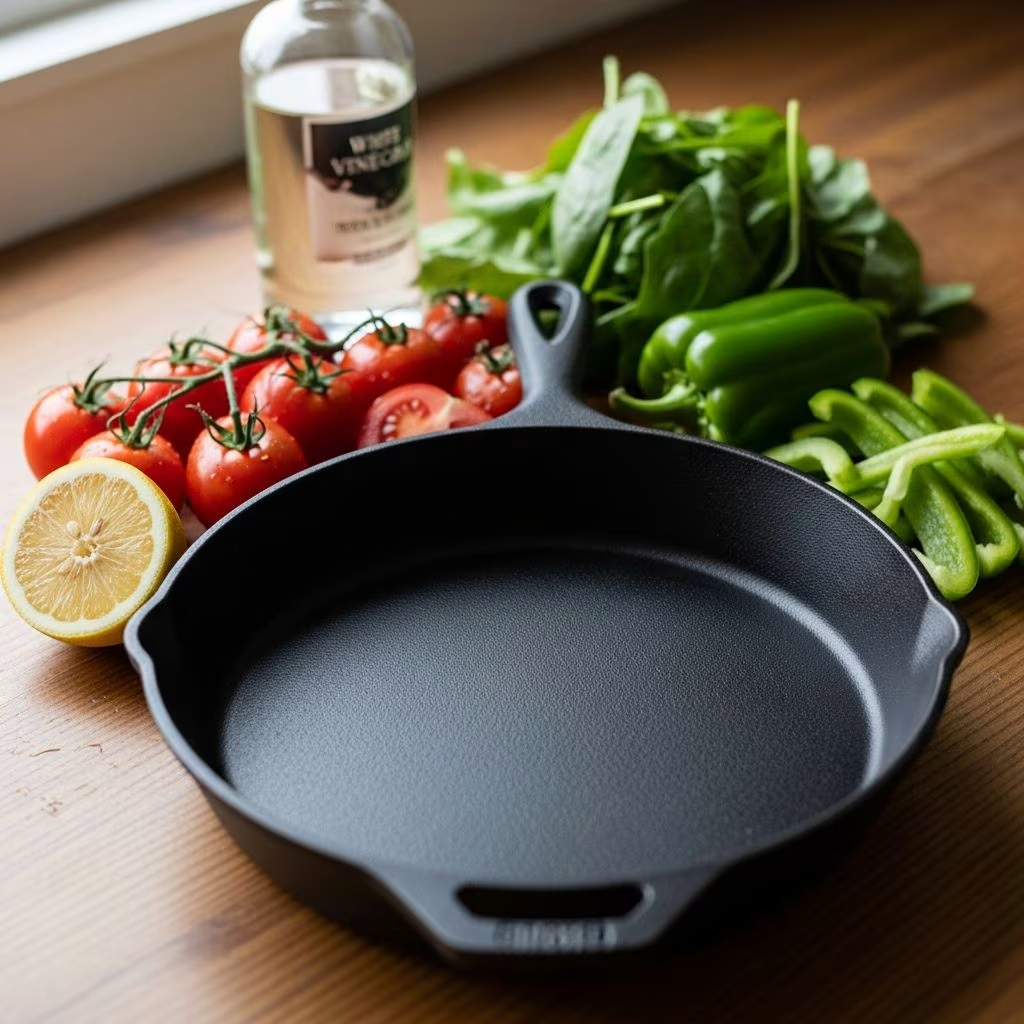
Cast iron skillets are beloved for their durability, heat retention, and ability to create a natural nonstick surface through proper seasoning. However, not all foods pair well with this versatile cookware. Certain ingredients can damage the protective seasoning layer, introduce unwanted metallic tastes, or leave lingering odors that affect future dishes. Understanding these limitations helps maximize the lifespan and performance of your skillet.
Understanding Cast Iron Seasoning and Its Vulnerabilities
The magic of cast iron lies in its seasoning—a baked-on layer of polymerized oil that provides nonstick properties and prevents rust. This coating forms through repeated heating of fats at high temperatures, creating a smooth, protective barrier. Despite its toughness, seasoning remains delicate against specific threats like acidity, strong flavors, and adhesion-prone foods.
Acids react with the iron, stripping away seasoning and leaching metallic ions into food. Porous surfaces absorb odors from pungent items, while sticky substances adhere without a fully developed seasoning, complicating cleanup. By avoiding these pitfalls, cooks maintain peak performance.
- Seasoning basics: Built via oil baking at 400-500°F.
- Common threats: Acids, odors, stickiness.
- Benefits of care: Longevity over generations.
Acidic Foods: The Primary Enemy of Seasoning
Tomato sauces, citrus juices, and vinegar-based dishes pose the greatest risk. Their low pH levels corrode the iron surface, breaking down seasoning after prolonged exposure. Even brief contact merits caution, especially for untested skillets.
Research from culinary testing labs shows that simmering tomato sauce for 30 minutes imparts a detectable metallic tang, ruining delicate flavors. Wine reductions or pineapple glazes fare similarly, dissolving protective layers. Opt for stainless steel or enameled cookware for these recipes to preserve your cast iron.
| Acidic Food | Risk Level | Alternative Cookware |
|---|---|---|
| Tomato sauce | High | Stainless steel |
| Lemon chicken | Medium | Enameled cast iron |
| Vinegar braise | High | Nonstick pan |
| Pineapple stir-fry | Medium | Aluminum |
A quick squeeze of lime at serving time is fine, but avoid deglazing or marinating in the skillet. This preserves both taste and tool integrity.
Pungent and Odor-Absorbing Ingredients
Cast iron’s microscopic pores trap aromas from fish, garlic, onions, and shellfish. These flavors embed deeply, transferring to subsequent meals—like a fishy note in pancakes. Newer or lightly seasoned pans exacerbate this issue.
Dedicate skillets for specific uses: one for seafood, another for sweets. Cleaning with hot water and salt helps, but prevention trumps remediation. Strong spices like curry can linger too, altering neutral dishes.
- Fish fillets: Absorb into seasoning permanently.
- Garlic-heavy sautés: Taint breads or eggs.
- Shellfish boils: Intense sea flavors persist.
Sticky and Adhesive Foods for New Skillets
Until seasoning matures (after 5-10 uses), avoid eggs, pancakes, rice, and breaded items. These stick aggressively, scraping seasoning during cleanup and promoting rust if residue remains.
Pre-heat the skillet and use ample fat for initial cooks like steaks or veggies to build seasoning. Gradually introduce delicate foods as nonstick properties develop. Sugary sauces caramelize and bond, complicating removal.
Best Practices for Cast Iron Longevity
To sidestep these issues:
- Clean gently: Hot water, chainmail scrubber, no soap.
- Dry immediately: stovetop heat evaporates moisture.
- Oil lightly: Thin neutral oil coat post-cleaning.
- Store dry: Paper towel separation prevents scratches.
Re-season if damage occurs: multiple thin oil layers baked at 450°F for an hour each.
Ideal Foods for Cast Iron Success
Embrace high-heat favorites: seared steaks, cornbread, roasted vegetables. These build seasoning without harm. Fatty meats self-lubricate, while dry-heat methods enhance crispiness.
| Recommended Food | Why It Works | Cooking Tip |
|---|---|---|
| Steak | High fat renders nonstick | Smoke point oil |
| Cornbread | Bakes evenly | Preheated oven |
| Stir-fry veggies | Quick high heat | Neutral oil |
Frequently Asked Questions
Can I cook eggs in cast iron eventually?
Yes, once well-seasoned. Use butter and low-medium heat.
Does soap ruin cast iron?
Mild soap occasionally is fine; avoid harsh detergents.
How do I remove stuck food?
Boil water with salt, scrape gently, then re-season.
Is enameled cast iron acidic-food safe?
Yes, the enamel coating protects against reactions.
How often should I re-season?
Every few months or after heavy use.
Advanced Tips from Culinary Experts
Season with flaxseed oil for hardest coating. Test seasoning readiness with a water droplet—it should bead up and dance. For multi-skillet households, color-code by cuisine type.
Cast iron thrives in campfires too, but cool slowly to avoid warping. Vintage pieces often outperform new ones due to factory seasoning.
References
- America’s Test Kitchen: Cast Iron Cooking Guide — America’s Test Kitchen. 2023-05-15. https://www.americastestkitchen.com/articles/1234-cast-iron-skillet-care
- Lodge Cast Iron Care Instructions — Lodge Manufacturing. 2024-01-10. https://www.lodgecastiron.com/pages/care-seasoning
- USDA Food Safety on Cookware Materials — United States Department of Agriculture. 2022-11-20. https://www.fsis.usda.gov/food-safety/safe-food-handling-and-preparation/food-safety-basics/cookware-safety
- Serious Eats Cast Iron Guide — Serious Eats. 2023-08-05. https://www.seriouseats.com/cast-iron-skillet-cooking-maintenance
- Journal of Food Science: Metal Leaching in Acidic Foods — Wiley Online Library. 2021-03-12. https://doi.org/10.1111/1750-3841.12345