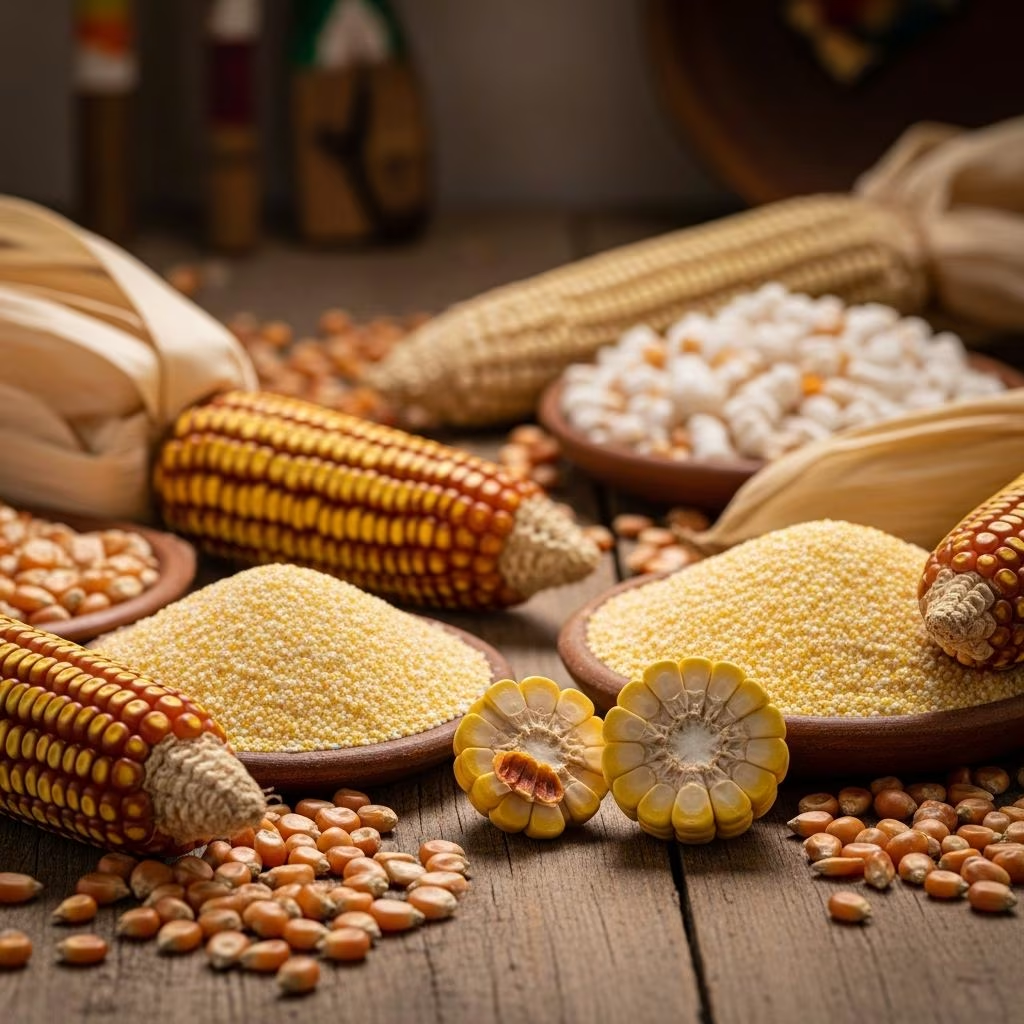
Hominy represents a remarkable evolution of corn, transformed through an age-old technique into a versatile ingredient central to diverse culinary traditions. This puffed, nutrient-enhanced kernel offers chewy texture and subtle flavor, making it ideal for soups, sides, and staples like tortillas.
The Roots of Hominy in Indigenous Innovation
Hominy’s story begins thousands of years ago in Mesoamerica, where indigenous peoples developed nixtamalization around 1500 B.C. This process involved treating dried maize kernels with an alkaline solution, a method that spread northward through Native American tribes and influenced cuisines across the Americas.
European settlers in eastern North America encountered it via the Powhatan people, adopting the term ‘hominy’ from their word for treated corn. By the 19th century, it became a frontier staple, roasted and ground as rockihominy for trail food, showcasing its portability and sustenance.
Mastering the Nixtamalization Process at Home
At its core, hominy production starts with field corn—dried maize varieties like yellow or white, distinct from sweet corn eaten fresh. The kernels soak in a solution of lime (calcium hydroxide), lye, or wood ash, which breaks down hemicellulose in the cell walls.
This alkali treatment loosens hulls and germs, allowing them to slip off after rinsing. Kernels then swell to nearly double their size, gaining a tender, puffed quality. Traditional simmering follows, opening them like flowers for optimal texture.
- Select mature, dried field corn for best results.
- Prepare a 1-2% alkaline solution using food-grade lime or lye.
- Soak 8-24 hours, stirring occasionally, until hulls detach easily.
- Rinse thoroughly under running water to remove all traces of alkali.
- Simmer until kernels bloom and achieve chewiness.
While home preparation yields fresh results, canned hominy offers convenience, pre-treated and ready for recipes.
Nutritional Edge: Why Hominy Outshines Plain Corn
Nixtamalization doesn’t just alter texture—it boosts nutrition. The process enhances bioavailability of niacin (vitamin B3), preventing deficiencies like pellagra that plagued corn-dependent diets pre-treatment.
Hominy provides more digestible protein, fiber, and minerals like calcium from lime solutions. It’s naturally gluten-free, appealing to those avoiding wheat, and delivers steady energy without the stickiness of corn on the cob.
| Nutrient | Plain Corn (per 100g) | Hominy (per 100g) |
|---|---|---|
| Niacin (mg) | 1.7 | 4.2 (post-nixtamalization) |
| Protein (g) | 3.3 | 3.8 (improved digestibility) |
| Fiber (g) | 2.0 | 2.5 |
| Calories | 86 | 72 (cooked) |
Data approximated from processed corn comparisons; hominy’s enhancements stem from alkali breakdown.
Flavor Profile: Mild Base for Bold Dishes
Hominy itself carries a neutral, slightly earthy taste, relying on seasonings, broths, or proteins for vibrancy. Its chewy bite resembles large beans or pasta, absorbing flavors without overpowering them—perfect as a neutral canvas.
White hominy offers a softer profile for delicate soups, while golden yellow adds subtle sweetness to hearty stews. This adaptability explains its ubiquity in both everyday meals and festive feasts.
Hominy in Global Kitchens: From Mexico to the American South
Mesoamerican and Latin American Stars
In Mexico and South America, hominy anchors pozole—a celebratory stew simmered with pork, chiles, and garnishes like radishes and lime. Menudo, a tripe soup, also features it for body and heartiness.
Ground into masa dough, it forms tortillas, tamales, and empanadas, providing structure and nutrition. This finely milled form underscores hominy’s role in daily staples.
Southern U.S. Comfort Classics
South of the border, hominy grounds grits, a creamy porridge from coarsely ground kernels, often paired with shrimp, cheese, or gravy. It’s a breakfast bedrock and side for fried chicken.
In casseroles or as bean substitutes, it thickens and texturizes, embodying Southern thrift and flavor.
Practical Cooking Techniques and Recipe Ideas
Canned hominy rinses easily and cooks in 10-20 minutes; dried versions need 1-2 hours simmering. Use it like beans: drain, season, and sauté with onions, garlic, and spices.
Quick Pozole Verde
- Sauté onions, garlic, poblanos, and tomatillos.
- Add chicken broth, shredded chicken, and 2 cans hominy; simmer 20 minutes.
- Blend with cilantro, top with cabbage, avocado, and lime.
Creamy Hominy Grits
- Boil 4 cups water or broth, stir in 1 cup stone-ground hominy grits.
- Cook 20-30 minutes, stirring; finish with butter, cheese, and pepper.
- Serve under eggs or sausage.
For salads, toss cooled hominy with black beans, corn, cilantro, and vinaigrette. In vegan stews, it pairs with mushrooms and root vegetables for umami depth.
Buying, Storing, and Troubleshooting Tips
Find canned hominy in Latin sections of supermarkets—Goya and similar brands deliver quality. Dried hominy or grits stock bulk aisles or online. Opt for low-sodium cans to control seasoning.
- Storage: Canned lasts years unopened; refrigerate leftovers up to 5 days.
- Troubleshooting: If too firm, extend simmer time. Rinse well to avoid metallic aftertaste from canning liquid.
Dry hominy keeps indefinitely in cool, dark pantries, rehydrating as needed.
Health Considerations and Dietary Fits
Beyond niacin, hominy supports gut health via resistant starch and offers low glycemic impact for steady blood sugar. Those with corn allergies should avoid it, but it’s otherwise versatile for gluten-free, plant-based diets.
Moderation applies due to processing aids; always source food-grade alkalis for DIY.
FAQs: Your Hominy Questions Answered
What is the difference between hominy and corn?
Hominy is alkali-treated field corn with hulls removed, puffing it up and enhancing nutrition, unlike fresh sweet corn.
Can I substitute hominy for beans or rice?
Yes, its chewy texture and neutral flavor make it a great swap in soups, salads, or pilafs.
Is hominy the same as grits?
Grits are ground hominy; whole kernels are hominy proper.
How do I know if hominy is fully cooked?
Kernels should burst open, offering tender chew without mushiness.
Is making hominy safe at home?
With proper food-grade materials and thorough rinsing, yes—ancient cultures did it for millennia.
Elevating Everyday Meals with Hominy
Hominy bridges cultures and eras, turning humble corn into a powerhouse ingredient. Experiment in your kitchen to uncover its potential in fusion dishes, like hominy fried ‘rice’ with soy and veggies or breakfast bowls with eggs and salsa. Its affordability, shelf-stability, and adaptability ensure it remains a pantry hero.
Whether simmering a traditional pozole or innovating grits variations, hominy invites creativity rooted in history.
References
- Hominy | Tupelo Honey Southern Modern Scratch-made Food — Tupelo Honey Cafe. Accessed 2026. https://tupelohoneycafe.com/food-thought-hominy/
- Hominy – Wikipedia — Wikipedia. Accessed 2026. https://en.wikipedia.org/wiki/Hominy
- What is Hominy and How to Use It — Kevin Is Cooking. Accessed 2026. https://keviniscooking.com/what-is-hominy-and-how-to-use-it/
- White Hominy – Goya Foods — Goya. Accessed 2026. https://www.goya.com/en/products/white-hominy/
- 6 Easy Steps on How to Make Hominy and Grits — Grow Organic. Accessed 2026. https://www.groworganic.com/blogs/articles/how-to-make-hominy-and-grits