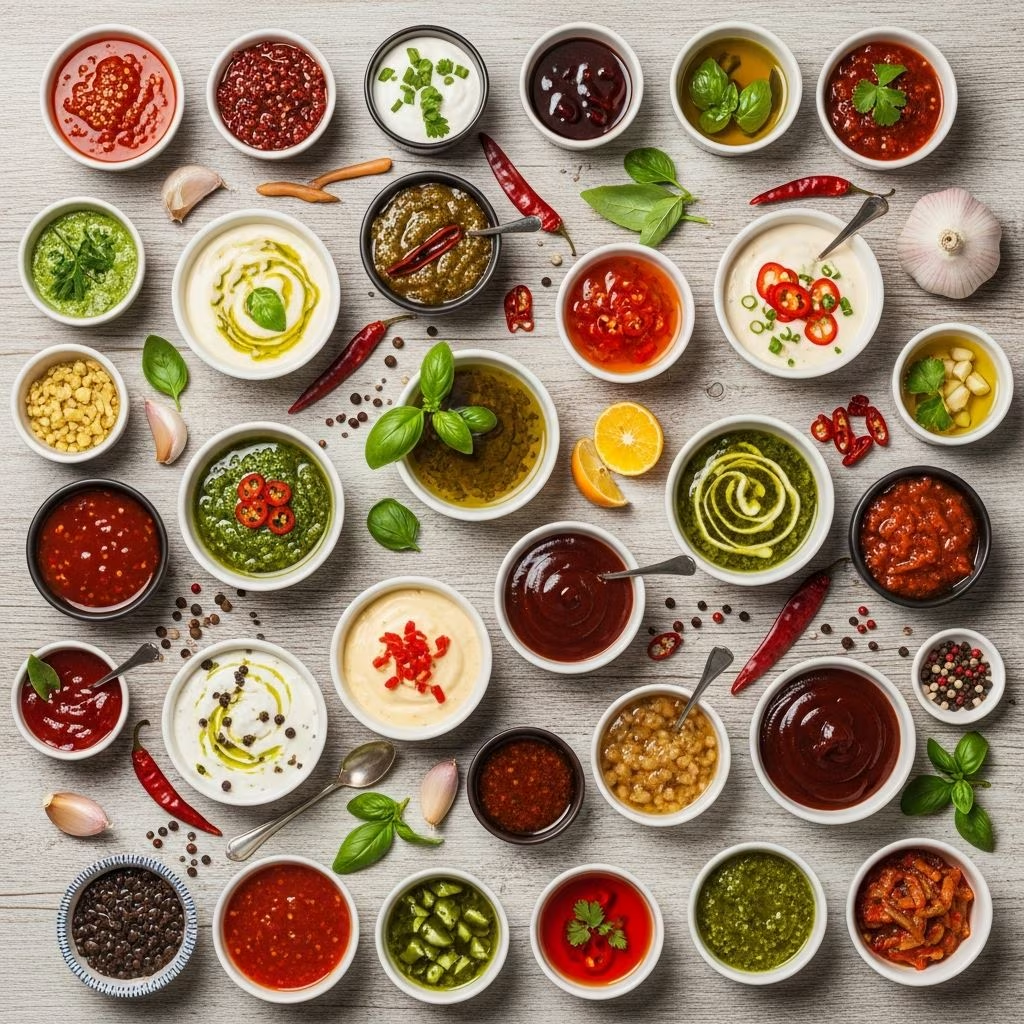
This versatile condiment, known as Wet Wet Sauce, has taken social media by storm, offering a perfect blend of heat, savoriness, and aroma that elevates any dish. Inspired by Asian flavors, it’s a simple yet powerful addition to your culinary arsenal, combining chili-infused oil with tangy and salty elements for unmatched depth.
Origins and Rise to Fame
The Wet Wet Sauce gained massive popularity through TikTok creator Cassie Yeung, who shared her creation roughly a year ago. Its name playfully nods to the two stages of liquid additions: first hot oil, then seasoned liquids, creating a ‘wet-wet’ transformation of dry spices into a silky sauce. This hybrid of chili oil and stir-fry sauce quickly spread, praised for its ability to enhance proteins, vegetables, and starches effortlessly.
What sets it apart is the technique of blooming aromatics with hot oil, releasing essential oils and intensifying flavors in minutes. Home cooks worldwide have adopted it for its ease—no cooking required beyond heating oil—and its bold profile that rivals restaurant-quality dips.
Essential Ingredients Breakdown
To craft this sauce, focus on fresh, high-quality components. Here’s a detailed look at each:
- Green Onions (White Parts): Thinly sliced, they provide a mild oniony base and subtle freshness. Use only the whites for cleaner infusion.
- Garlic and Ginger: Minced finely, these aromatics deliver pungent warmth and earthiness, forming the sauce’s flavorful backbone.
- Gochugaru (Korean Chili Flakes): The star for vibrant red color and adjustable heat. Start with less if spice tolerance is low.
- White Sesame Seeds: Add nutty texture and a slight crunch without overpowering.
- Vegetable Oil: Neutral base like canola or peanut oil carries flavors; about ½ cup ensures a pourable consistency.
- Toasted Sesame Oil: A small amount (1 tsp) imparts deep nuttiness—opt for dark, roasted varieties.
- Soy Sauce and Oyster Sauce: Each 1 tbsp brings umami and saltiness; no extra salt needed as they season perfectly.
- Rice Vinegar: 1 tbsp offers mild tang to balance richness; choose white rice vinegar for subtlety.
These ingredients harmonize through heat, creating layers of spice, savoriness, and acidity.
Step-by-Step Preparation
Making Wet Wet Sauce takes under 15 minutes. Follow these precise steps for best results:
- Combine sliced green onion whites (3 tbsp), minced garlic (1½ tsp), minced ginger (1 tsp), gochugaru (2 tbsp), and sesame seeds (1 tsp) in a large heatproof bowl or pot.
- In a saucepan, heat ½ cup vegetable oil over medium until shimmering and hot (not smoking), about 2-3 minutes.
- Pour the hot oil over the dry mixture carefully—it will sizzle and bubble vigorously as flavors bloom.
- Stir gently to distribute oil evenly, then let cool for 5 minutes.
- Mix in 1 tbsp soy sauce, 1 tbsp oyster sauce, 1 tbsp rice vinegar, and 1 tsp toasted sesame oil.
- Taste and adjust spice or acidity if desired. Use immediately or store.
The bubbling oil is key—it extracts and infuses aromatics instantly, mimicking traditional chili crisp methods.
Best Ways to Serve and Pair
Wet Wet Sauce shines in versatility. Traditional serving: pour into a bowl, top with food. Key pairings include:
- Dumplings and Buns: Drizzle over steamed or fried dumplings, baozi, or potstickers for spicy contrast.
- Vegetables: Toss with blanched broccoli, bok choy, or stir-fried eggplant to add zest.
- Seafood and Meats: Glaze grilled shrimp, fish, chicken satay, or fried chicken wings.
- Noodles and Rice: Mix into cold noodle salads, ramen, or fried rice for umami punch.
For stir-fries, thin with water or broth, add honey and cornstarch for glossy sauce. As a dip, pair with egg rolls or spring rolls.
Storage and Shelf Life Tips
Transfer cooled sauce to an airtight jar. Refrigerate up to 1-2 months; the oil preserves it well. Freezing in portions extends life to 6 months. Before reuse, stir as separation occurs. Avoid metal utensils to prevent reactions.
Signs of spoilage: off odors, mold, or sliminess—discard if noticed.
Customizing Your Sauce
Adapt to preferences with these tweaks:
| Variation | Substitution/Addition | Flavor Profile |
|---|---|---|
| Milder Version | Reduce gochugaru to 1 tbsp; add sugar (½ tsp) | Sweeter, less heat |
| Extra Nutty | Double sesame seeds; use more sesame oil | Toasted, richer |
| Vegan Twist | Replace oyster sauce with hoisin or mushroom sauce | Plant-based umami |
| Citrus Boost | Add lime juice (1 tsp) post-cooling | Bright, tangy |
Experiment cautiously, tasting incrementally.
Common Questions Answered
Why is it called Wet Wet Sauce?
The name highlights two ‘wet’ phases: hot oil first, then sauces, distinguishing it from dry spice mixes.
Can I use regular chili flakes?
Gochugaru preferred for flake size and smoke-free heat, but crushed red flakes work—expect different texture.
Is it gluten-free?
Use tamari instead of soy and gluten-free oyster sauce alternative.
How spicy is it?
Medium heat; adjust gochugaru for mild to hot.
Perfect for meal prep?
Yes—make a batch weekly for quick flavor boosts.
Nutritional Insights
Per 1 tbsp serving (approx.): 90 calories, mostly from oil. Rich in healthy fats from sesame, antioxidants from gochugaru and garlic. Low-carb, keto-friendly. Sodium high due to sauces—use sparingly if watching intake.
Pro Tips for Perfection
- Heat oil to 350-375°F for optimal blooming without burning.
- Prep mise en place—timing critical for hot oil pour.
- Scale up for gifts; jar with labels.
- Pair with cooling elements like yogurt or cucumber for heat balance.
This sauce redefines convenience cooking, turning simple ingredients into gourmet results.
References
- Wet Wet Sauce (TikTok Viral Recipe) — Spoons Of Flavor. 2024-01-15. https://spoonsofflavor.com/wet-wet-sauce/
- The Viral Wet-Wet Sauce That’s Been Spicing Up Everyone’s Kitchen — Tasting Table. 2024-10-22. https://www.tastingtable.com/1564841/viral-wet-sauce-chili-oil/