Understanding Watermelon Rind Preservation
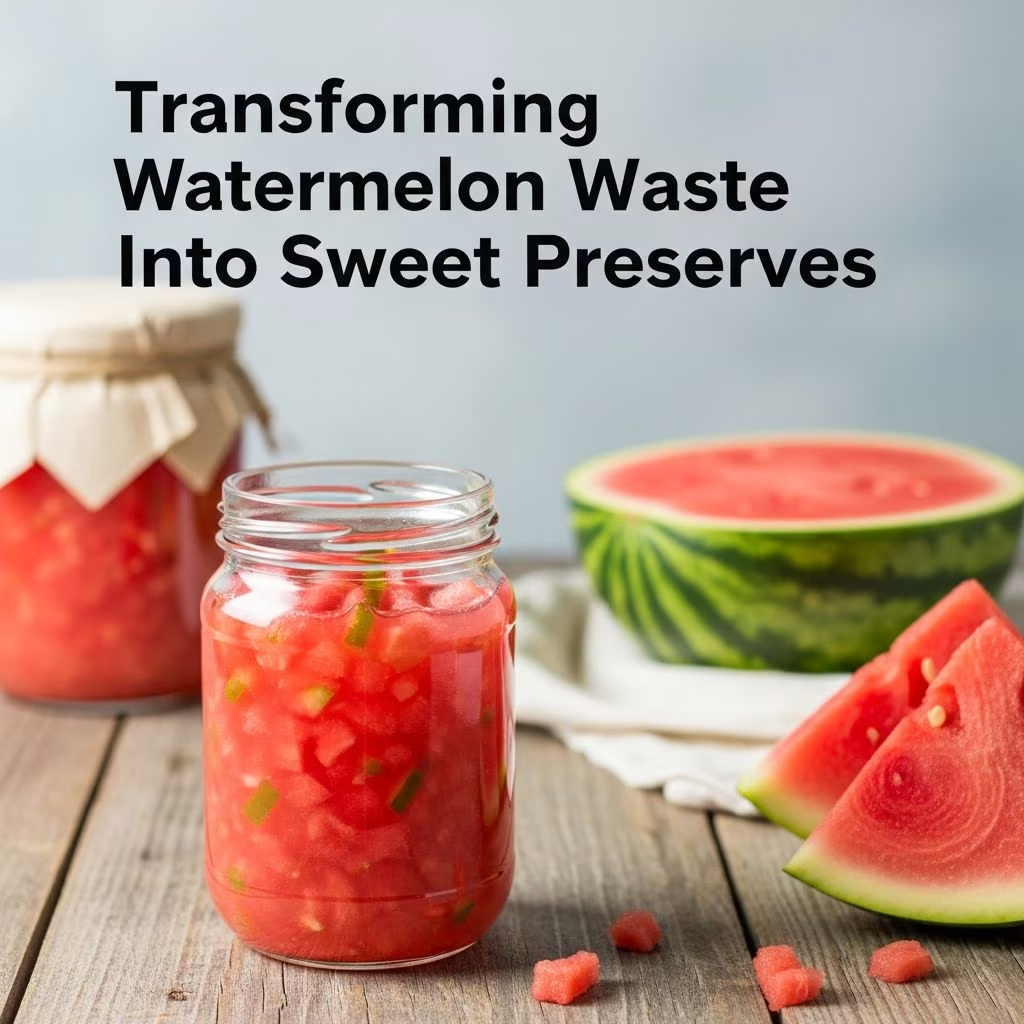
Watermelon season brings an abundance of fresh fruit to kitchens across the country, yet a significant portion of the melon is often discarded. The rind—encompassing the tough green exterior, soft white pith, and pale pink flesh—represents valuable culinary material that deserves a second life. Converting these typically wasted portions into preserved spreads exemplifies resourceful cooking while producing a unique condiment with distinct flavor characteristics that differentiate it from traditional fruit jams.
Watermelon rind preserves represent a category of old-fashioned preserves that require specific preparation techniques to achieve the desired texture and flavor profile. The transformation process involves multiple stages of preparation, cooking, and preservation that demand attention to detail but reward the effort with a distinctive spread suitable for toast, pastries, yogurt, or cheese pairings.
The Foundation: Selecting and Preparing Your Materials
Success in preserve-making begins long before cooking commences. The quality and preparation of your watermelon rinds directly influences the final product’s texture, flavor, and shelf stability. Understanding proper selection and initial preparation methods sets the foundation for excellent results.
Identifying Usable Watermelon Rind Components
Not all portions of the watermelon rind work equally well in preserves. The ideal material consists of three distinct layers: the inedible green exterior skin, the thick white or pale yellow pith layer, and a thin strip of the pale pink or white flesh immediately adjacent to this pith. Some recipes incorporate slightly more of the pink flesh for additional texture and mild watermelon flavor, though excessive pink meat can create an overly soft preserve.
The dark green exterior skin must be completely removed and discarded, as it contains bitter compounds and possesses an undesirable tough texture that persists through cooking. Likewise, the deep pink to red flesh typically reserved for eating fresh should be set aside for other purposes rather than incorporated into preserves. This selective use of components transforms what might appear to be waste into premium preserve material while ensuring you retain the best melon flesh for fresh consumption or other recipes.
Essential Equipment and Ingredients Overview
Watermelon rind preserve preparation requires minimal specialized equipment, making this project accessible to home cooks at any skill level. A large saucepan or preserving pot, cutting board, sharp knife, colander, and standard canning supplies constitute the necessary tools. For those intending to preserve their finished preserve through water-bath canning, appropriate jars, lids, and a thermometer complete the equipment list.
The ingredient list remains straightforward and accessible:
- Watermelon rinds (prepared), approximately 1.5 quarts
- Granulated sugar
- Fresh lemon juice or sliced lemon
- Ground ginger
- Salt for initial brining
- Water
The Multi-Stage Preparation Process
Creating successful watermelon rind preserves involves several distinct preparation phases, each serving a specific purpose in developing the final product’s characteristics. Skipping or rushing through any phase compromises the end result, making sequential adherence to proper procedures essential.
Phase One: The Preparatory Brine Treatment
The initial stage involves a salt-water brine that fundamentally alters the watermelon rind’s structure and removes unwanted compounds. This multi-hour soak serves multiple functions: drawing out excessive moisture, introducing salt for flavor development, and beginning the process that transforms the rind’s texture toward the desired translucent quality characteristic of finished preserves.
To begin, cut prepared watermelon rinds into uniform one-inch cubes and place them in a large container. Dissolve salt in cold water at a ratio of approximately four tablespoons of salt per two quarts of water, then pour this brine over the cut rinds. Allow the mixture to sit undisturbed for five to six hours, during which osmotic action gradually removes moisture and begins softening the rind material.
After the designated soaking period, drain the rinds thoroughly using a colander, discarding the brine liquid. A thorough rinse with fresh cold water removes surface salt and any residual brine flavors. Drain again completely before proceeding to the next phase to ensure you’re not introducing excess moisture into subsequent cooking stages.
Phase Two: The Preliminary Cooking Process
Following the initial brine treatment, a preparatory cooking stage further softens the rinds and prepares them for the final syrup-cooking phase. Cover the drained rinds with fresh cold water and allow them to rest for approximately thirty minutes, then drain once more. This resting and draining cycle reduces the brine’s lingering salt content while allowing the rind pieces to absorb fresh water.
Return the drained rinds to a large saucepan and sprinkle them with ground ginger—approximately one tablespoon—before covering completely with fresh cold water. Bring the water to a gentle boil and maintain this boil for approximately ten minutes, or until the rind pieces become fork-tender. This cooking stage accomplishes several objectives: further softening the rind structure, beginning the development of the translucent quality characteristic of finished preserves, and infusing the ginger flavor throughout the material.
Drain the cooked rinds thoroughly using a colander, discarding this cooking liquid. The rinds are now properly conditioned for the syrup-cooking stage that creates the finished preserve.
Phase Three: The Syrup Development and Final Cooking
The final cooking stage combines the prepared rinds with a sugar syrup containing lemon juice, creating the distinctive flavor profile and gel consistency characteristic of quality watermelon preserves. In a large saucepan, combine sugar, fresh lemon juice, and water at a ratio of approximately four cups sugar, one-quarter cup lemon juice, and seven cups water.
Bring this mixture to a rolling boil and maintain the boil for five minutes to begin syrup development. Add the reserved cooked watermelon rinds and reduce heat to maintain a gentle boil. Cook this combination for approximately thirty minutes, stirring occasionally, until the rinds achieve the desired translucent appearance and the syrup reaches appropriate thickness.
At this point, add sliced fresh lemon to the preserve—approximately one whole lemon thinly sliced—which adds visual appeal, brightens the flavor profile, and contributes additional pectin for gel development. Continue cooking until the preserve reaches the desired consistency, typically indicated by the mixture sheeting from a spoon rather than dripping in individual drops.
Canning and Preservation Methods
Once your preserve reaches the desired consistency and flavor profile, proper preservation ensures shelf stability and food safety. Two primary methods exist for preserving watermelon rind preserves: refrigeration for short-term storage and water-bath canning for long-term shelf storage.
Hot-Pack Water-Bath Canning
For those desiring shelf-stable preserves, water-bath canning provides a traditional and reliable preservation method. Prepare appropriate jars—typically half-pint or pint sizes—by heating them thoroughly to prevent thermal shock when filled with hot preserve. Sterilize the jars, lids, and rings according to standard canning protocols.
Ladle the hot preserve into prepared jars, leaving precisely one-quarter inch of headspace between the preserve surface and the jar rim. This headspace allows for proper lid sealing and accommodate any expansion during processing. Wipe the jar rims and threads clean to ensure proper lid adhesion, then apply two-piece canning lids according to manufacturer instructions.
Process the filled jars in a boiling water bath for twenty minutes to ensure complete preservation. Allow jars to cool undisturbed for several hours before testing for proper seals. Store sealed jars in a cool, dark location where they will maintain quality for one year or longer.
Refrigeration Storage Alternative
For simpler preservation without canning equipment, spoon finished preserve into sterilized jars while still hot, seal immediately with lids, and refrigerate once cooled. This method provides adequate preservation for three to four weeks when maintained at consistent refrigerator temperatures.
Troubleshooting Common Preserve Issues
| Problem | Likely Cause | Solution |
|---|---|---|
| Preserve remains too thin or liquid | Insufficient cooking time or incorrect sugar ratio | Return to saucepan and cook longer; test consistency more frequently |
| Rinds remain tough or chewy | Inadequate preliminary cooking or rushed preparation phases | Ensure full five-to-six hour brine soak and complete ten-minute cooking in ginger water |
| Preserve develops crystallization | Excessive sugar crystallization or improper storage | Store in cool location; use within recommended timeframe |
| Jars fail to seal properly | Jars insufficiently hot or rims not cleaned adequately | Ensure jars remain hot until filling; clean rims thoroughly before applying lids |
Creative Flavor Variations and Applications
While traditional watermelon rind preserves feature ginger and lemon, creative variations offer opportunities for culinary experimentation. Replace ginger with ground cinnamon, add vanilla extract during final cooking stages, incorporate fresh mint, or include whole cloves for warming spice notes. These variations maintain preserve structure while offering distinct flavor profiles suitable for different culinary applications.
Use finished preserves as a sophisticated spread for morning toast, layer into yogurt parfaits, accompany cheese boards, fill pastries or turnovers, or swirl into cream cheese for bagels. The unique flavor complexity works particularly well with sharp cheeses like aged cheddar or bold blues, offering an interesting counterpoint to rich dairy products.
Frequently Asked Questions About Watermelon Rind Preserves
How can I accelerate the preparation process if I’m short on time?
While patience produces superior results, you can substitute the five-to-six hour brine soak with an overnight refrigeration period in the salt brine, then proceed with remaining stages. However, reducing the initial brine time may result in slightly less ideal texture and flavor development.
Can I use bottled lemon juice instead of fresh lemons?
Yes, bottled lemon juice functions adequately for acid and preservative contributions. However, fresh lemon slices add visual appeal and subtle flavor nuances that enhance the finished preserve, making the effort worthwhile when fresh lemons are available.
What is the typical yield from a single preserve batch?
A standard recipe utilizing 1.5 quarts of prepared watermelon rinds typically produces approximately four to six half-pint jars of finished preserve, depending on exact cooking time and water evaporation.
How should I store finished watermelon rind preserves?
Water-bath canned preserves store excellently in cool, dark pantries for one year or longer. Refrigerated preserve without canning maintains quality for three to four weeks when refrigerated consistently.
Can I make this recipe without adding ginger?
Absolutely. Omit ginger or substitute complementary spices like cinnamon, allspice, or vanilla. The preserve develops slightly different characteristics without ginger, but remains delicious with appropriate lemon and sugar balance.
The Sustainability and Culinary Value Proposition
Beyond flavor and texture considerations, watermelon rind preserve-making represents a meaningful step toward zero-waste cooking practices. Transforming typically discarded material into valuable culinary products reduces household food waste while producing condiments superior to many commercial alternatives in terms of ingredient quality and customization potential.
This traditional preserve-making technique connects modern cooks to historical food preservation practices while offering contemporary relevance through sustainable cooking consciousness. The resulting preserve bridges seasonal abundance with year-round availability, extending watermelon season’s pleasures well beyond summer months.
References
- Watermelon Rind Preserves Recipe — Creative Canning. Accessed April 2026. https://creativecanning.com/watermelon-rind-preserves/
- Watermelon Rind Preserves: Unique and Delicious Homemade Jam — That Recipe. Accessed April 2026. https://thatrecipe.com/watermelon-rind-preserves/
- Watermelon Preserves Recipe — Pioneer Girl Homesteading. Accessed April 2026. http://www.pioneergirl.com/blog/archives/7407
- Watermelon Rind Jam (Preserves) – Amira’s Pantry — Amira’s Pantry. Accessed April 2026. https://amiraspantry.com/iraqi-reggi-jam/
- Watermelon Rind Preserves | Old School Canning Jars — YouTube. Accessed April 2026. https://www.youtube.com/watch?v=9Wbctcjmk44