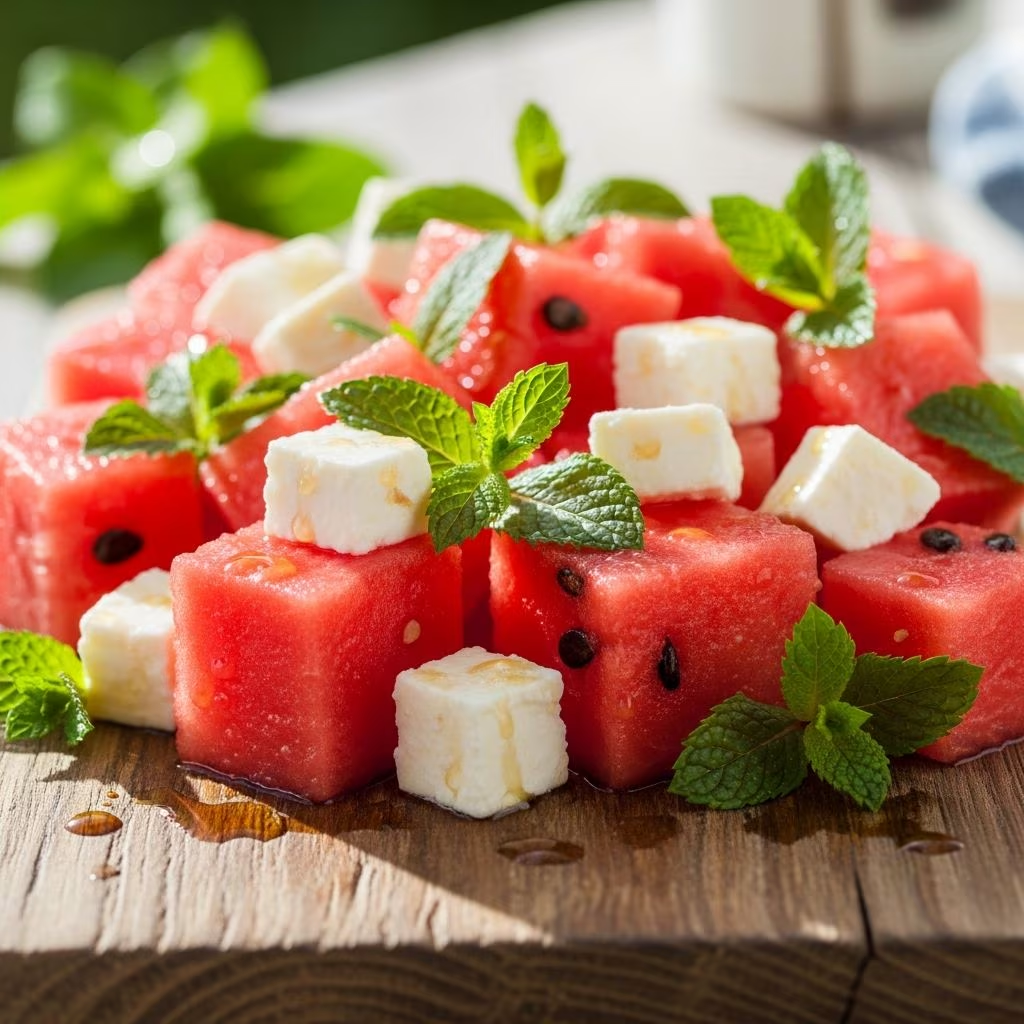
When temperatures rise and the last thing you want to do is spend hours in a hot kitchen, a watermelon feta salad becomes your culinary savior. This vibrant dish represents the perfect intersection of simplicity and sophistication, requiring minimal preparation while delivering maximum flavor impact. The combination of sweet, juicy watermelon with tangy, crumbly feta cheese creates a taste experience that feels both comforting and refined, making it an ideal choice for casual weeknight dinners, elegant garden parties, or bustling summer picnics.
The beauty of this salad lies in its versatility and accessibility. Whether you’re a seasoned cook or someone who prefers to keep things straightforward in the kitchen, watermelon feta salad welcomes all skill levels. The ingredient list remains short and straightforward, yet the final result tastes like you’ve invested considerable culinary effort. This no-cook approach means you can prepare this dish in under twenty minutes, leaving you more time to enjoy the outdoors rather than hovering over a stove.
Understanding the Core Components
Building an exceptional watermelon feta salad starts with understanding each ingredient’s role and selecting quality versions. The foundation of any successful salad depends on ingredient quality and freshness, and this salad is no exception.
Selecting Your Watermelon
The watermelon serves as your primary ingredient, so choosing the right one matters considerably. Look for watermelons that feel heavy for their size, indicating proper hydration and juiciness. The exterior should display a deep green color with minimal blemishes, and you should hear a hollow sound when tapping the bottom. Some prefer seedless varieties for convenience, though seeded watermelons offer a slightly different texture that some find preferable.
When you bring your watermelon home, refrigerate it before cutting. A chilled watermelon not only tastes better on a hot day but also maintains its crisp texture longer once cut and assembled into your salad. The cold temperature enhances the refreshing quality that makes this salad so appealing during summer months.
Choosing Quality Feta Cheese
Feta cheese provides the essential salty, tangy counterpoint to the watermelon’s sweetness. The quality of your feta dramatically influences the final result. Opt for feta packed in brine rather than pre-crumbled varieties whenever possible. Brine-packed feta maintains a creamier texture and more nuanced flavor profile compared to dry, pre-crumbled feta, which tends toward excessive saltiness and a drier consistency.
If you can source French or Greek feta, the investment typically rewards you with superior flavor. These imported varieties often offer complex, tangy notes that elevate the entire salad. Plan to use approximately one-half to two-thirds cup of crumbled feta per salad, depending on your preference and the salad’s intended serving size.
Fresh Herbs: The Flavor Multipliers
Fresh herbs transform a simple watermelon-feta combination into something memorable. Mint stands as the classic choice, its cool, refreshing qualities amplifying the salad’s summery nature. However, basil offers an intriguing alternative, introducing herbal notes that create a slightly different flavor dimension. Some cooks combine both herbs, while others rotate between them based on preference or availability.
Using fresh herbs rather than dried varieties proves essential here. The delicate flavors of fresh mint or basil cannot be replicated by their dried counterparts, and the texture contributes to the salad’s overall appeal. Tear or chop herbs gently rather than pulverizing them, which releases oils unnecessarily and can cause browning or flavor degradation.
Building Your Salad: A Step-by-Step Approach
The assembly process for a watermelon feta salad requires minimal technical skill but benefits from intentional sequencing.
Preparation Phase
Begin by preparing all ingredients before combining them. Wash your watermelon thoroughly under running water, then pat dry. Using a sharp knife, cut the melon into bite-sized cubes, removing any seeds if your variety contains them. Many cooks prefer uniform cubes roughly half to three-quarters of an inch in size, which balances texture with flavor distribution.
While preparing the watermelon, peel and slice your cucumber or red onion, depending on your chosen variation. Wash and tear your fresh herbs, keeping them separate until the final assembly stage. If you’re including additional vegetables like shallots or jalapeños, prepare these as well, measuring out your feta cheese and setting everything within easy reach.
Combining Ingredients
Place your prepared watermelon in a large serving bowl or on a flat platter. Distribute your chosen vegetables—cucumber, red onion, or shallot—evenly throughout. At this stage, many recipes recommend adding a light coating of olive oil and allowing the salad to marinate in the refrigerator for one to three hours. This marinating period allows flavors to meld and intensify, creating a more cohesive final dish.
Just before serving, scatter your torn fresh herbs and crumbled feta across the top. Some cooks prefer tossing everything together, while others arrange components separately for visual appeal. Both approaches work equally well, with your choice depending on presentation preference and serving context.
Dressing Considerations and Flavor Enhancement
While watermelon feta salad can stand on its own, a simple dressing elevates the experience. The key lies in keeping dressings light and complementary rather than overpowering.
Simple Vinaigrette Options
A basic lime vinaigrette works beautifully with this salad’s flavor profile. Combine fresh lime juice with extra-virgin olive oil in a two-to-one ratio, add a minced garlic clove for depth, and season with sea salt. This dressing brightens the watermelon’s sweetness while adding acidic notes that enhance the feta’s tanginess.
For those preferring different flavor directions, aged balsamic vinegar or balsamic glaze offers another excellent option. The complex sweetness in aged balsamic complements both the watermelon and feta, creating a more sophisticated flavor combination. Apply sparingly—a light drizzle rather than a generous coating—to avoid overwhelming the delicate balance of flavors.
When Dressing Meets Ingredient
The timing of dressing application matters more than many home cooks realize. If you plan to dress the entire salad in advance, do so just before serving to prevent the watermelon from becoming waterlogged and the herbs from wilting. Alternatively, serve dressing on the side, allowing each diner to control the amount applied to their individual portion.
Creative Variations and Personalization
While the classic watermelon feta combination never disappoints, numerous variations allow you to tailor the salad to specific tastes or dietary preferences.
Protein Additions
Transforming this salad into a complete meal requires adding protein. Chickpeas contribute a hearty texture and subtle earthiness that complements the sweet-savory profile. Cannellini beans offer similar benefits with a slightly creamier mouthfeel. For those seeking non-legume options, grilled chicken breast, feta-based cheese alternatives, or even roasted nuts like macadamia provide satisfying alternatives.
Texture and Temperature Play
Some cooks enjoy adding crunchy elements through toasted nuts or seeds, while others incorporate creamy components like diced avocado. A jalapeño or serrano pepper adds heat and spice for those preferring more complexity. Arugula or spinach can serve as a salad base, creating additional volume and nutritional depth.
Dairy-Free Alternatives
Those avoiding dairy products can substitute traditional feta with roasted, salted macadamia nuts for a similar textural quality. Alternatively, dairy-free feta cheeses available in most grocery stores provide comparable flavor and texture profiles without animal products.
Storage and Make-Ahead Strategy
The component-based nature of watermelon feta salad lends itself well to advance preparation, though certain elements require strategic handling.
Preparing Components in Advance
Cut your watermelon and prepare vegetables up to three days ahead, storing them in airtight containers within your refrigerator. Prepare your dressing separately, keeping it refrigerated until assembly time. Herbs should be washed and dried but left whole or roughly torn rather than finely chopped, preserving their delicate qualities until the final assembly.
Final Assembly Timing
Complete assembly should occur within thirty minutes before serving. This window prevents the watermelon from releasing excessive moisture that would soften the salad’s texture and dilute flavors. Feta cheese and fresh herbs should only be added immediately before serving to maintain their distinct identities within the dish.
Serving Suggestions and Occasions
Watermelon feta salad accommodates numerous serving contexts and occasions with equal success.
Summer Gatherings
This salad shines at outdoor entertaining events where guests appreciate refreshing, no-cook options during hot weather. Serve it on a large platter for family-style sharing, or portion it into individual bowls for more formal presentations. The vibrant colors and fresh appearance contribute to the visual appeal of any summer table.
Weeknight Dinners
For busy weeknights when cooking feels overwhelming, watermelon feta salad provides a complete meal requiring minimal effort. Pair it with grilled proteins or legumes for nutritional balance, and you’ve created dinner in under twenty minutes.
Portable Options
When transporting this salad to picnics or potluck events, pack the components separately and assemble at your destination. This approach prevents sogginess and ensures your contribution arrives in peak condition. Provide dressing in a separate container for addition by the consumer rather than pre-dressing the salad.
Nutritional Considerations
Beyond its appealing taste and minimal preparation requirements, watermelon feta salad offers legitimate nutritional benefits. Watermelon provides hydration through its high water content while delivering vitamins and minerals including vitamin C and potassium. Feta cheese contributes protein and calcium, while fresh herbs add micronutrients and phytonutrients associated with various health benefits. The combination creates a nutritionally balanced option suitable for health-conscious diners seeking satisfying summer meals.
Frequently Asked Questions
Can I prepare this salad the night before?
You can prepare individual components the night before, but final assembly should occur no more than thirty minutes before serving to prevent the watermelon from becoming waterlogged and herbs from wilting.
What if my watermelon isn’t very sweet?
A light drizzle of honey or a squeeze of fresh lime juice can enhance perceived sweetness and balance flavors. The salt in the feta cheese also brings out watermelon’s natural sugars.
Can I use canned or frozen watermelon?
Fresh watermelon works best for optimal texture and flavor. Frozen watermelon becomes mushy when thawed, and canned options lack the crisp texture that makes this salad appealing.
How long does this salad last?
Individual components last three days refrigerated, but the assembled salad remains optimal for consuming within two to three hours of preparation.
What beverages pair well with this salad?
Light, refreshing options work best—consider sparkling lemonade, white wine, or ice-cold iced tea. The salad’s sweetness pairs well with slightly acidic beverages that cleanse the palate.
Final Thoughts
Watermelon feta salad represents the best aspects of summer entertaining and eating. It requires minimal culinary technique while showcasing beautiful ingredients in their peak season. Whether you’re hosting elaborate garden parties or simply seeking a refreshing personal meal on a hot afternoon, this versatile salad adapts to your needs and preferences. By understanding your core ingredients and respecting their individual qualities, you create dishes that taste far more complex than their simple preparation would suggest. This summer, let watermelon feta salad become your go-to solution for delicious, effortless meals that celebrate the season’s bounty.
References
- Watermelon Nutritional Facts and Health Benefits — United States Department of Agriculture. 2024. https://fdc.nal.usda.gov/fdc-app.html#/?query=watermelon