The intersection of convenience and flavor creates an opportunity for creative meal preparation that transforms ordinary snack bags into complete dining experiences. Portable tacos represent an innovative approach to serving traditional Mexican-inspired cuisine in a format that prioritizes accessibility and ease of consumption. This comprehensive guide explores the methodology, ingredient selection, preparation techniques, and presentation strategies that make this concept both practical and satisfying.
Understanding the Concept of Bagged Tacos
The fundamental premise of portable tacos involves utilizing individual snack bags as both a container and a component of the overall dish. Rather than serving tacos in traditional shells or tortillas, this approach leverages the structural integrity and pre-portioned size of commercial snack bags to create an all-in-one meal experience. The methodology eliminates the need for separate bowls, plates, or utensils while maintaining the authentic flavor profile of conventional taco preparations.
This culinary innovation serves multiple practical purposes. The self-contained format reduces cleanup requirements significantly, making it an ideal solution for outdoor gatherings, office parties, and family events where minimizing post-meal maintenance is desirable. The individual portioning provides automatic portion control, preventing overindulgence while ensuring equitable distribution at group settings. Additionally, the novelty factor appeals to diverse age groups, making it particularly effective for children’s parties and casual entertaining.
Essential Ingredients and Their Selection
Protein Foundation
Ground beef serves as the primary protein component in most bagged taco preparations. One pound of ground beef, when combined with standard taco seasoning, yields sufficient portions for six to ten servings depending on the density of other ingredients. The beef should be browned thoroughly in a skillet over medium heat, with careful attention to breaking apart larger chunks to achieve uniform consistency. Draining excess fat after browning prevents an overly greasy final product and improves the overall eating experience.
Alternative proteins offer flexibility for dietary preferences or ingredient availability. Ground turkey, ground chicken, or plant-based protein substitutes can replace beef while maintaining the fundamental character of the dish. Black beans contribute additional protein content while adding textural variety and increased satiety, particularly valuable when preparing meals for larger groups where ingredient costs become a consideration.
Snack Bag Selection
The choice of snack bag significantly influences both the eating experience and the final flavor profile. Traditional corn chips provide a neutral base that complements most taco toppings effectively. Doritos, available in multiple flavor variations including nacho cheese, cool ranch, and original, offer pre-seasoned options that enhance the overall taste complexity. Fritos represent another popular choice, delivering straightforward corn chip texture without competing flavoring elements.
The bag format requires individual serving sizes, typically ranging from one to two ounces per package. Bulk purchasing at warehouse retailers offers considerable cost advantages, particularly for large-scale entertaining or regular meal preparation. The bag structure itself becomes a functional component of the presentation, eliminating the need for serving vessels.
Topping Composition
Creating a balanced topping selection ensures textural and flavor variety throughout the eating experience. Shredded lettuce provides crispness and volume without adding significant weight to the overall composition. Tomatoes contribute acidity and freshness, with both diced roma tomatoes and general tomato preparations serving this function effectively. Shredded cheese, preferably cheddar or Mexican blend varieties, introduces richness and melting characteristics that bind ingredients together.
Secondary toppings expand customization possibilities while accommodating diverse flavor preferences. Sour cream supplies cooling elements and creamy texture contrasts. Salsa introduces variable heat levels and moisture content. Guacamole or avocado provides healthy fats and sophisticated flavor development. Jalapeños, green onions, and cilantro offer aromatic and herbaceous components that enhance complexity. Black olives, diced onions, and fresh pico de gallo further expand the available options for individualized combinations.
Preparation and Assembly Methodology
Pre-Preparation Steps
Successful bagged taco preparation requires strategic sequencing of preparation steps to optimize efficiency and food safety. Beginning with protein preparation allows adequate time for proper browning and cooling. Browning one pound of ground beef requires approximately ten minutes of active cooking time, with additional minutes needed for proper draining. The protein preparation can occur several hours before serving, with storage in a warming container or slow cooker maintaining temperature without compromising quality.
Simultaneously, toppings should be measured and prepared, with perishable items like lettuce and tomatoes remaining uncut until closer to serving time. Pre-cutting produces surface area exposure that accelerates oxidation and deterioration. Establishing a well-organized topping station with clearly labeled containers facilitates efficient assembly and prevents confusion during service.
Bag Preparation Technique
The initial step of bag preparation involves gentle crushing of the snack chips. This process accomplishes multiple objectives simultaneously. Breaking larger pieces into smaller fragments increases surface area, allowing for more efficient distribution of toppings throughout the bag. The crushing action creates an uneven terrain that helps toppings adhere more effectively rather than settling to the bottom. This step requires delicate handling to avoid excessive pulverization that would create an overly fine, dust-like texture.
Strategic bag opening ensures accessibility without compromising structural integrity. Cutting along the side of the bag horizontally creates a boat-shaped vessel that maintains enough bag material to contain ingredients while providing easy access for consumption. Alternatively, opening the top and folding the sides downward creates a presentation that allows consumers to eat directly from the bag without requiring utensils.
Layering Strategy
The sequence of topping application influences both the eating experience and ingredient distribution. Applying seasoned ground beef first creates a foundation that prevents lighter ingredients from sinking into the chip debris. Following the protein with cheese allows the residual heat to slightly melt the cheese, promoting cohesion among ingredients. Adding lettuce and tomatoes subsequently provides textural contrast and prevents these moisture-containing items from immediately softening the chips at the bottom of the bag. Finishing with sour cream, salsa, or additional garnishes completes the composition with flavorful and visually appealing final layers.
Serving and Presentation Approaches
Individual Self-Assembly Method
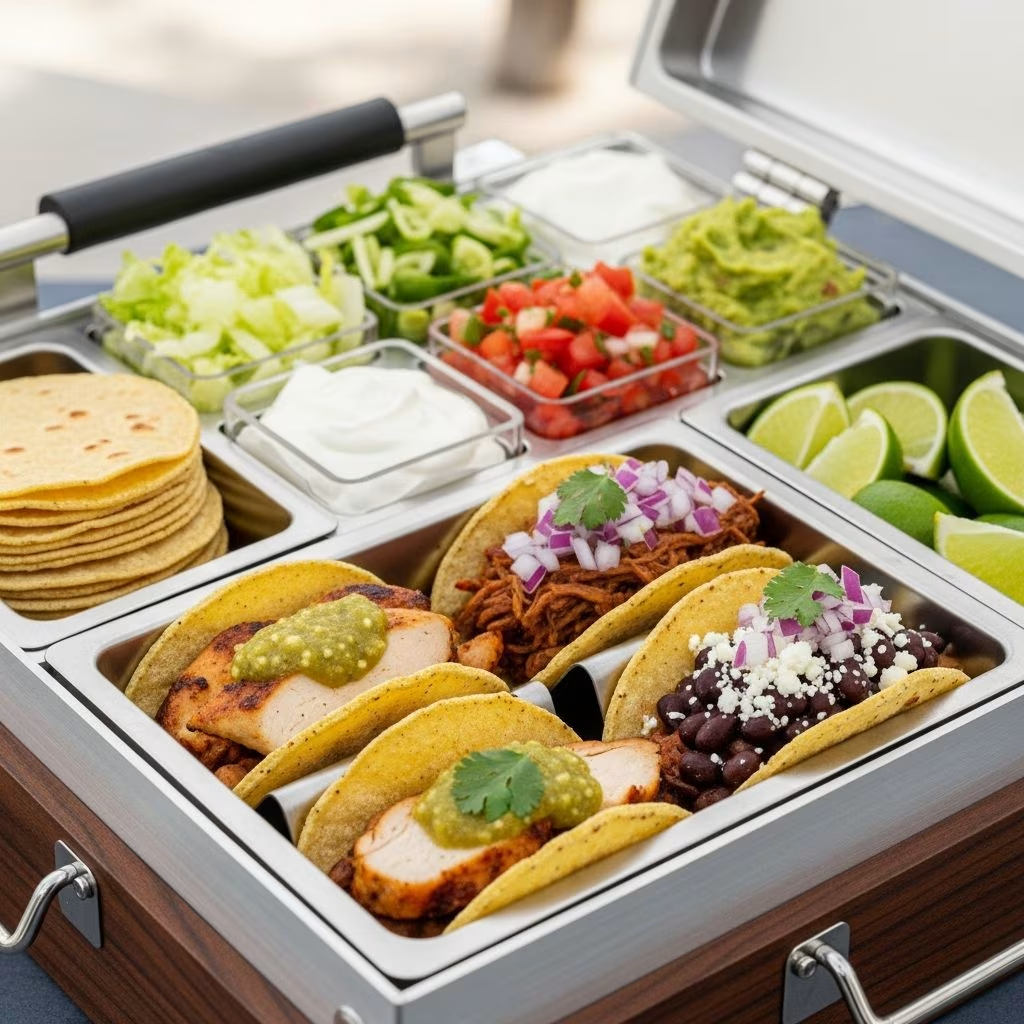
Establishing a topping station where guests assemble their own bagged tacos offers advantages for larger gatherings and diverse dietary preferences. This approach requires pre-cooked and cooled protein, an array of prepared toppings in individual containers, and a supply of unopened snack bags. Guests proceed through the station sequentially, opening their chosen bag variety and adding desired toppings according to personal preference. This method maximizes customization while minimizing food waste from unwanted components.
Pre-Assembled Presentation
Pre-assembling bagged tacos before serving suits smaller gatherings or situations where advance preparation creates time advantages during service. This approach allows the assembler to ensure consistent quality and appropriate portion sizes across all servings. Pre-assembled bags can be arranged on platters for visual presentation or packaged individually for distribution.
Flavor Variations and Creative Adaptations
The foundational concept accommodates numerous creative variations that maintain the core methodology while introducing distinctive flavor profiles. Nacho cheese Doritos create a richer, more intensely flavored version compared to standard corn chips. Cool ranch seasoning varieties appeal to consumers preferring milder, herb-forward profiles. Substituting carnitas or chorizo for ground beef introduces regional Mexican culinary traditions. Adding fresh cilantro, cotija cheese, or lime juice elevates the preparation toward more sophisticated flavor development.
Plant-based variations address dietary restrictions and preferences. Seasoned black beans mixed with diced vegetables create satisfying vegetarian versions. Marinated tofu or tempeh provides protein content without animal products. Roasted vegetable combinations including peppers, onions, and zucchini create flavorful alternatives that appeal to diverse palates.
Nutritional Considerations and Ingredient Transparency
Understanding the nutritional composition of bagged tacos enables informed decision-making regarding ingredient selection and portion sizes. Ground beef contributes significant protein content while introducing saturated fat. The snack bag provides carbohydrates and sodium from the processed chips. Cheese adds additional calories, saturated fat, and sodium. Vegetables contribute vitamins, minerals, and dietary fiber. Sour cream introduces additional fat and calories.
Consumers seeking reduced-fat versions can substitute Greek yogurt for sour cream, reducing fat content while maintaining creamy texture. Increasing vegetable components and reducing meat portions adjusts the macronutrient balance toward healthier profiles. Selecting unsalted chip varieties and using reduced-sodium taco seasoning minimizes sodium content for health-conscious individuals.
Practical Entertaining Applications
Party and Gathering Scenarios
Bagged tacos excel as appetizers or main courses for casual entertaining where minimizing preparation and cleanup becomes a priority. The format suits outdoor events where traditional table service proves impractical. Corporate events and office parties benefit from the portable nature and minimal mess potential. Children’s birthday parties find particular success with the novelty factor and ease of consumption for young diners.
Scaling Considerations
The recipe scales efficiently for groups ranging from six to fifty guests. Doubling or tripling protein quantities maintains the same cooking methodology, requiring only extended cooking time for larger quantities. Topping quantities scale proportionally with expected guest count. Bulk chip purchasing becomes economical at larger scale, offsetting increased ingredient expenses.
Common Questions and Practical Guidance
Frequently Asked Questions
- Can bagged tacos be prepared in advance?
- Pre-assembled bags should be consumed within two to three hours of preparation to maintain optimal chip texture and ingredient freshness. Assembling closer to service time preserves the structural integrity and eating quality.
- What chip varieties work best?
- Corn chips with moderate thickness work most effectively, as they maintain structural integrity while breaking easily for mixing with toppings. Thin, delicate chips fragment excessively, while thick varieties remain too rigid.
- How can I prevent soggy chips?
- Avoiding excessive moisture-containing toppings applied directly to chips helps maintain crispness. Layering drier ingredients like cheese and lettuce before tomatoes and sour cream slows moisture absorption.
- Are there vegetarian options?
- Black beans, seasoned vegetables, and plant-based proteins create satisfying vegetarian versions maintaining the same preparation methodology.
- Can I use different seasoning profiles?
- Absolute flexibility exists regarding seasoning choices. Asian-inspired variations using ginger and soy sauce, Mediterranean versions with tzatziki and cucumber, or Southwestern preparations with cumin and chipotle all work effectively within the bagged format.
Conclusion: Practical Innovation in Food Presentation
Bagged tacos represent an effective convergence of culinary tradition, practical convenience, and entertaining utility. The concept maintains authentic flavor profiles while eliminating typical service complexities. Whether serving as an easy weeknight dinner, a crowd-friendly party option, or a creative take on traditional cuisine, this approach delivers consistent results across diverse scenarios. The flexibility inherent in the format ensures compatibility with various dietary preferences, ingredient availability, and personal flavor preferences. Through understanding preparation methodology, ingredient selection criteria, and assembly techniques, home cooks can confidently execute this entertaining approach while achieving results that satisfy guests and simplify their own preparation and cleanup responsibilities.
References
- The Easiest Walking Taco Recipe — xo, Kelly Chen. Accessed April 10, 2026. https://www.xokellychen.com/the-easiest-walking-taco-recipe/
- Walking Tacos Recipe — The Cookie Rookie, Becky Hardin. Accessed April 10, 2026. https://www.thecookierookie.com/walking-tacos/
- Quick & Easy Walking Tacos Recipe — Eating on a Dime. Accessed April 10, 2026. https://www.eatingonadime.com/walking-tacos-recipe/
- Walking Tacos, My Way — Mom’s Kitchen Handbook. Accessed April 10, 2026. https://www.momskitchenhandbook.com/spooky-supper-the-walking-taco/
- Walking Taco — The Girl Who Ate Everything. Accessed April 10, 2026. https://www.the-girl-who-ate-everything.com/walking-tacos/
- 9 Versions of Walking Tacos for an Easy Walking Taco Bar — The Gifted Gabber. Accessed April 10, 2026. https://thegiftedgabber.com/walking-taco-bar-ideas/
- Loaded Walking Tacos — 12 Tomatoes. Accessed April 10, 2026. https://12tomatoes.com/loaded-walking-tacos/