The allure of Cajun cuisine extends far beyond the bayous of Louisiana, capturing the hearts and appetites of home cooks across the country. One dish that exemplifies this culinary magic is voodoo pasta, a contemporary interpretation of Southern comfort food that combines the richness of creamy sauces with the unmistakable heat of blackened seasonings. This dish represents a perfect fusion of accessibility and flavor complexity, making it an ideal choice for busy weeknight dinners without sacrificing the satisfaction that comes from authentic regional cooking.
Understanding the Soul of Voodoo Pasta
Voodoo pasta emerged as a creative adaptation of traditional Cajun cooking methods applied to Italian pasta foundations. The name itself evokes the mystique and powerful traditions of New Orleans, suggesting that something magical happens when these ingredients come together. Rather than adhering strictly to classic recipes, this dish encourages culinary improvisation while maintaining core flavor profiles that define the Cajun experience. The beauty of voodoo pasta lies in its versatility—it accommodates various proteins, vegetables, and heat levels while preserving its distinctive character.
At its essence, voodoo pasta delivers three critical elements: a protein base, aromatic vegetables, and a luxurious sauce infused with Cajun spices. The interplay between creamy components and spicy seasonings creates a complex taste sensation that keeps people returning for more. Many home cooks report preparing this dish weekly once they discover how easily it satisfies cravings for bold flavors and hearty portions.
Assembling Your Voodoo Pasta Foundation
Selecting the Perfect Pasta
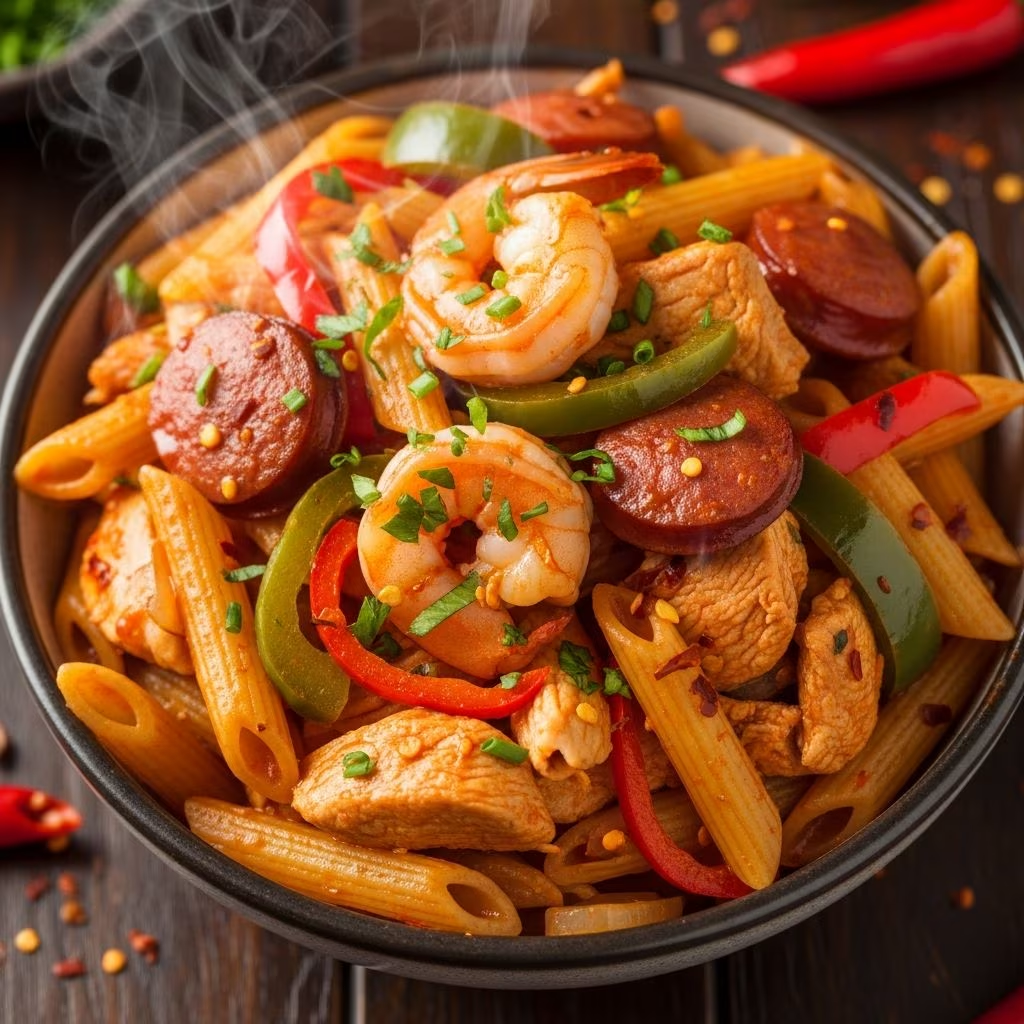
The foundation of any pasta dish begins with choosing the right noodle. Traditional recipes call for fettuccine, which provides broad surfaces that capture and hold the creamy sauce effectively. However, alternative shapes offer their own advantages. Rotini or fusilli create pockets where sauce accumulates, delivering concentrated flavor in each bite. Penne works beautifully for those preferring a more rustic presentation, while spaghetti suits those who enjoy twirling their fork. The choice ultimately depends on personal preference, as the sauce itself carries the dominant flavor profile regardless of pasta shape.
Cooking pasta to the appropriate consistency proves essential for achieving the desired final texture. Following package directions ensures the noodles reach al dente status—tender enough to eat comfortably yet maintaining enough structural integrity to resist becoming mushy when combined with sauce. Reserve a portion of the starchy pasta water before draining; this liquid serves as a crucial ingredient for adjusting sauce consistency later in the cooking process.
The Protein Foundation: Choosing Your Sausage
Smoked sausage serves as the traditional protein centerpiece, contributing both substantial flavor and satisfying texture. The smoking process imparts a complexity that plain meat cannot achieve, while the spices already incorporated into quality sausage products complement the blackening seasonings added during cooking. Slicing sausage into coins or half-moons allows for even browning and makes consumption more convenient.
Beyond smoked varieties, andouille sausage presents an authentic alternative with roots deep in Louisiana tradition. This spiced, smoked pork sausage carries inherent heat and complexity that elevates the entire dish. For those seeking different protein options, ground beef, ground veal, pork, or turkey work equally well when seasoned appropriately. Chicken provides a lighter alternative that appeals to various dietary preferences while still delivering satisfying results. Shrimp introduces a coastal dimension, though this variation follows slightly different cooking procedures to prevent overcooking the delicate seafood.
The Holy Trinity: Aromatic Vegetables
Cajun cooking traditions emphasize the foundational importance of onions, bell peppers, and celery—collectively known as the Holy Trinity. While basic voodoo pasta recipes typically feature onions and green bell peppers, incorporating this traditional combination elevates the dish authentically. Green peppers provide vegetal balance and slight bitterness that contrasts beautifully with the cream sauce. Some interpretations add red bell peppers for sweetness and color complexity.
Slicing vegetables into uniform pieces ensures even cooking and pleasant presentation. The sautéing process softens these vegetables, allowing their flavors to permeate the sauce while maintaining enough texture to provide satisfying substance against the soft pasta.
Building Layers of Flavor Through Seasoning
The Power of Blackening Seasoning
Blackening seasoning represents the defining flavor characteristic that distinguishes voodoo pasta from ordinary alfredo dishes. This spice blend typically combines paprika, cayenne pepper, garlic powder, onion powder, dried thyme, dried oregano, and various other warming spices. The term “blackening” refers to the technique of coating proteins with this potent mixture and cooking them in a hot skillet until the spices char and crust forms on the surface, developing deep, complex flavors through the Maillard reaction.
When incorporating blackening seasoning into voodoo pasta, the quantity requires careful calibration based on personal heat tolerance and audience preferences. Starting with one teaspoon and adjusting upward allows cooks to dial in precisely the right intensity level. The seasoning should enhance rather than overwhelm other flavor components, creating a harmonious balance across the entire dish.
Supporting Spices and Heat Elements
Beyond blackening seasoning, Cajun cooking traditions embrace additional heat sources that add depth. Tabasco sauce, in particular, plays a supporting role in authentic recipes, contributing vinegar-based spice that cuts through richness and aids digestion. A teaspoon suffices for most palates, though individual tolerance varies widely. For those desiring additional heat, crushed red pepper flakes offer customizable intensity, allowing diners to adjust spiciness to personal preference.
Smoked paprika adds another dimension beyond typical paprika, delivering a subtle campfire essence that evokes the grilling traditions of Southern cooking. This spice contributes color and complexity without introducing excessive heat, making it suitable for those seeking flavor without fiery intensity.
Crafting the Signature Sauce
The Creamy Base: Alfredo Sauce Fundamentals
Alfredo sauce provides the luxurious foundation that makes voodoo pasta craveable and comforting. Traditional alfredo combines butter, heavy cream, and Parmesan cheese into a silky emulsion that coats pasta evenly. For convenience, jarred alfredo sauce accelerates the cooking process without sacrificing quality—many home cooks report satisfaction with commercial options like Ragu Light Parmesan Alfredo.
When building sauce from scratch, the process requires attention to prevent breaking. Heating cream gently while gradually incorporating cheese prevents the proteins from seizing and developing a grainy texture. Some recipes enhance commercial alfredo sauce by incorporating additional Parmesan cheese, creating a more pronounced cheese flavor and slightly thicker consistency that clings to pasta strands.
Balancing Richness with Spice
The interplay between creamy components and spicy seasonings defines the voodoo pasta experience. The cooling sensation from dairy counterbalances heat from peppers and cayenne, creating a complex taste sensation that stimulates multiple sensory pathways simultaneously. This balance encourages diners to continue eating despite heat levels that might deter them in non-creamy preparations, making voodoo pasta more approachable for those with moderate spice tolerance.
Temperature management proves crucial during sauce assembly. Reducing heat to medium prevents boiling, which can break the emulsion and cause separation. Simmering gently for several minutes allows flavors to meld and develop while maintaining sauce consistency and preventing scorching or drying.
Step-by-Step Execution Strategy
Preparing Ingredients
Successful voodoo pasta preparation begins with thorough ingredient preparation before cooking commences. Slice sausage into uniform pieces to promote even browning. Dice or slice bell peppers and onions into similarly sized pieces that cook at matched rates. Measure spices and sauce components before beginning—this mise en place approach prevents scrambling when high-heat cooking requires attention.
Cooking Sequence and Timing
Begin by cooking pasta according to package directions in a separate pot, allowing this foundation to progress while other components develop. Simultaneously, heat a large skillet over medium-high temperature and add sausage, browning the slices until exterior surfaces caramelize and color develops, approximately 3-4 minutes. Once sausage achieves desirable browning, remove it temporarily and add bell peppers and onions to the same skillet, cooking until vegetables soften and begin developing color, roughly 4-5 minutes.
Return sausage to the skillet and sprinkle with blackening seasoning, stirring to distribute evenly. Pour alfredo sauce and Tabasco sauce into the pan, reducing heat to medium and simmering for 3-4 minutes to ensure complete heating and flavor blending. Add cooked, drained pasta directly into the sauce, tossing thoroughly until every strand achieves even coating. Adjust consistency by incorporating reserved pasta water if sauce appears too thick, stirring in small portions until reaching desired consistency.
Customization Options and Variations
Protein Alternatives
While smoked sausage represents the traditional protein choice, exploring alternatives allows cooks to adapt the recipe to dietary preferences or ingredient availability. Andouille sausage provides authentic Cajun character with additional spice complexity. Ground beef or turkey offers leaner options for health-conscious diners. Shrimp creates a coastal variation that requires careful timing to prevent overcooking—add shrimp during the final cooking stage to maintain tender texture.
Chicken breast, either freshly cooked or leftover, provides a lighter foundation that allows other flavors to dominate. Combining multiple proteins—such as sausage and shrimp, or sausage and chicken—creates layers of complementary flavors while allowing each protein’s distinctive character to shine through.
Vegetable Enhancements
Beyond the foundational onions and peppers, numerous vegetables integrate seamlessly into voodoo pasta preparations. Sautéed mushrooms contribute umami depth and earthy complexity. Okra, particularly authentic to Louisiana cooking, adds textural interest and traditional authenticity. Fresh or frozen corn introduces subtle sweetness that complements spicy seasonings. Green beans provide textural contrast and nutritional density.
Adjusting vegetable quantities and varieties allows cooks to increase nutrient density while maintaining the dish’s essential character. Diced tomatoes introduce acidity that brightens the sauce, though this addition should be balanced carefully to prevent overwhelming other flavors.
Heat Intensity Adjustments
Personal and family spice tolerance varies considerably, making flexibility essential for recipe success. Those preferring mild preparations should reduce or eliminate blackening seasoning, Tabasco sauce, and cayenne pepper while relying on smoked paprika for subtle seasoning complexity. Intermediate heat levels benefit from moderate quantities of these components, allowing spice presence without dominating the palate. Those seeking intense heat can increase all spicy ingredients proportionally and add fresh jalapeños or serrano peppers for fresh chile flavor.
Serving Suggestions and Accompaniments
Voodoo pasta reaches its fullest potential when paired thoughtfully with complementary sides. Garlic bread provides textural contrast and additional carbohydrates for hearty appetites. Simple green salads with vinaigrette dressing cut through richness and refresh the palate between bites. Roasted vegetables, particularly green beans or asparagus prepared simply with olive oil and salt, provide nutritional balance.
Beverages deserve consideration as well. Bold red wines with moderate tannin levels complement spicy cream sauces effectively. Beer—particularly lagers or crisp pilsners—offers refreshing alternatives that cool the palate. Iced tea or lemonade provides non-alcoholic options that pair beautifully with Southern cuisine.
Storage and Reheating Guidance
Voodoo pasta stores effectively in refrigerator containers for 3-4 days, though best quality appears within the first two days. Reheating requires gentle temperature increases to prevent sauce breakdown. Microwave reheating works adequately when covered loosely to allow steam escape, using 50% power for 2-3 minutes per portion. Stovetop reheating in a skillet over low heat produces superior results, allowing gradual temperature increases while stirring occasionally. Adding splash of pasta water restores sauce consistency if thickening occurs during storage.
Frequently Asked Questions
Can I prepare voodoo pasta in advance?
While voodoo pasta tastes optimal when served immediately after preparation, components can be prepared ahead. Cook pasta, brown sausage, and sauté vegetables separately, storing each in covered containers. Combine and reheat gently before serving. Alternatively, prepare the complete dish and refrigerate up to 48 hours for best quality, reheating gently before serving.
What if I don’t enjoy spicy food?
Reduce or eliminate blackening seasoning, Tabasco sauce, and cayenne pepper while maintaining smoked paprika for mild seasoning. The dish remains delicious and comforting with reduced heat levels. You control spice intensity by adjusting these components to match your tolerance.
Are there vegetarian versions?
Replace sausage with hearty vegetables like mushrooms, eggplant, or extra bell peppers cooked until caramelized. Alternatively, use plant-based sausage alternatives that deliver comparable texture and flavor profiles to traditional smoked sausage.
How do I prevent the sauce from breaking?
Maintain medium heat rather than boiling, add sauce gradually while stirring constantly, and use room-temperature ingredients when possible. These precautions prevent proteins from seizing and creating grainy texture.
References
- Cajun Cooking Traditions and Flavor Profiles — Louisiana State University Agricultural Center. 2020. https://www.lsu.edu
- Emulsification Science in Cream-Based Sauces — University of California Davis Food Science Department. 2021. https://foodscience.ucdavis.edu
- Maillard Reaction and Flavor Development in Cooking — International Journal of Culinary Science. 2022. https://www.ijcs-journal.org
- Food Safety Guidelines for Prepared Pasta Dishes — FDA Food Safety Modernization Act. 2024. https://www.fda.gov
- Nutritional Content of Alfredo Sauce Preparations — USDA Nutrient Database. 2023. https://ndb.nal.usda.gov