Breakfast holds a special place in culinary tradition, representing not just a meal but a gateway to the day ahead. Throughout history, morning dishes have evolved dramatically, reflecting available ingredients, technological advances in food production, and cultural preferences of their era. The vintage breakfast recipes that graced kitchen tables during the mid-twentieth century tell a fascinating story about how families approached nutrition, convenience, and taste during a transformative period in food history.
Many contemporary home cooks have forgotten the charming simplicity and ingenious combinations that once defined breakfast culture. Revisiting these classic recipes offers more than nostalgia—it provides practical solutions for modern meal planning while celebrating the culinary ingenuity of previous generations. From elaborate egg preparations to innovative use of processed ingredients, vintage breakfast dishes demonstrate how cooks adapted to their circumstances while creating memorable meals.
The Era of Convenience Foods and Innovation
The middle decades of the twentieth century witnessed unprecedented changes in how Americans approached breakfast preparation. Post-war prosperity brought new convenience foods to market, and manufacturers aggressively promoted these products as time-saving solutions for busy families. This era celebrated speed without sacrificing flavor, creating a unique intersection of homemade comfort and modern convenience.
Carnation Instant Breakfast emerged as a revolutionary product during the 1960s, marketed as a complete nutritional solution in a single glass. The beverage promised consumers the protein equivalent of two eggs, essential vitamins, carbohydrates, and vitamin C—making it an attractive option for households where morning preparation time was limited. This product exemplified the broader cultural shift toward efficient meal solutions that still maintained nutritional integrity.
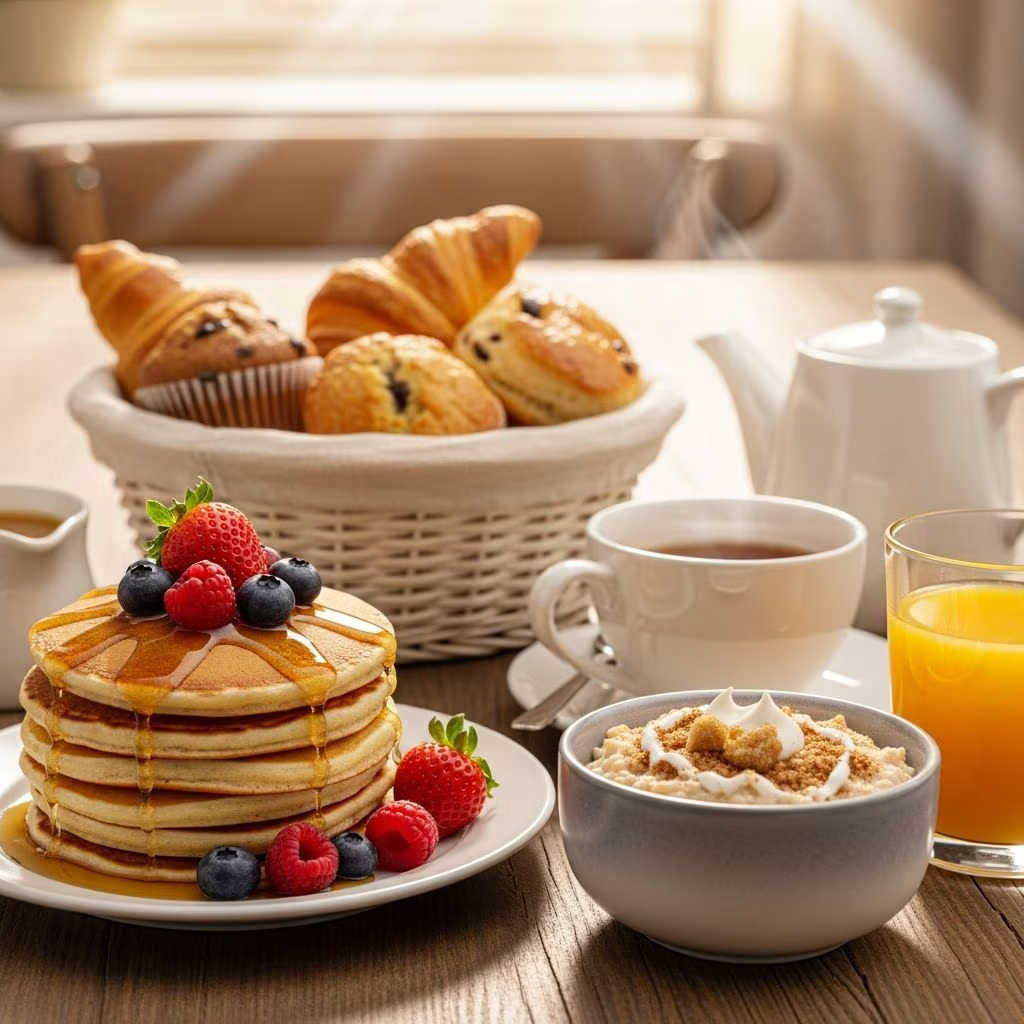
Similarly, pancake mix companies in the 1960s promoted creative combinations designed to transform basic ingredients into elaborate breakfast presentations. These marketing campaigns encouraged home cooks to experiment beyond traditional recipes, establishing breakfast as a space for culinary creativity and playful innovation.
Protein-Forward Preparations and Savory Combinations
Eggs represented the foundational protein for vintage breakfast traditions, and creative cooks developed numerous preparation methods to elevate this humble ingredient. Shirred eggs—baked presentations that could incorporate vegetables, meats, or creamy sauces—offered elegant presentations suitable for both family breakfasts and special occasions. Historical cookbooks from 1898 documented over fifty distinct approaches to preparing shirred eggs, each incorporating different embellishments from mushrooms to chestnut preparations.
Bacon pancakes represent another innovative protein integration strategy that emerged during the mid-twentieth century. This concept, also known as bacon pancake dippers, involved pouring pancake batter onto partially cooked bacon strips while they sizzled in the pan. As the batter cooked, it encased the meat in a sweet-savory combination that provided significant flavor complexity in each bite. This preparation method transformed bacon from a simple side element into an integral structural component of the breakfast dish.
Deviled ham—a canned product that reached peak popularity during the mid-twentieth century—found its way into breakfast preparations, including deviled ham pancakes. While modern palates might find this combination unusual, the salty, creamy texture of deviled ham created interesting contrasts when layered with sweet pancake batter and breakfast toppings.
Elevated Egg Dishes and Sophisticated Presentations
Traditional egg preparations evolved into increasingly sophisticated dishes that transformed breakfast into an elegant dining experience. Eggs Benedict, a dish featuring poached eggs atop English muffins with hollandaise sauce, represented the height of breakfast refinement. This preparation required technical skill and multiple component preparations, making it a special-occasion breakfast rather than everyday fare.
Omelette du Fromage exemplified the French influence on American breakfast culture. This simple yet elegant preparation combined beaten eggs with melted cheese, creating a rich, custardy texture that elevated the basic omelette into a more sophisticated preparation. The technique required precision in heat management and timing, rewarding careful attention with perfectly cooked results.
Avocado-based egg preparations offered creamy texture contrasts that modern nutritionists particularly appreciate. Baked eggs nestled into avocado halves, seasoned with paprika and herbs, created naturally creamy presentations without requiring cream-based sauces. The avocado’s buttery consistency transformed the egg’s texture into something almost velvet-like.
Grain-Based Foundations and Hearty Morning Staples
Breakfast dishes frequently incorporated grain-based components that provided substantial, satisfying foundations for morning meals. Buckwheat pancakes represented a departure from standard wheat flour preparations, offering earthy, distinctive flavor profiles. Traditional preparations combined buckwheat flour with all-purpose flour for optimal tenderness, whisked in buttermilk for tang and texture, and allowed the batter to rest before cooking. This multi-step approach demonstrated the technical sophistication that vintage cooks brought to apparently simple dishes.
Hash browns combined with eggs created economical yet deeply satisfying morning preparations. These budget-conscious combinations transformed humble potatoes into golden, crispy bases for egg preparations, creating complete meals with minimal expense. Overnight hash brown casseroles represented make-ahead variations that permitted hosts to prepare portions in advance, addressing the time management concerns of busy households.
Dutch baby pancakes offered theatrical presentations that transformed basic ingredients into impressive showpieces. These batter-based preparations rose dramatically in the oven, creating an impressive puffed presentation that surprised and delighted breakfast guests.
Sweet Preparations and Dessert-Adjacent Breakfast Dishes
Cinnamon roll pancakes merged sweet pastry flavors with breakfast staple preparations. Cooks piped brown sugar-cinnamon swirls onto pancakes as they cooked on the griddle, allowing the sugar mixture to caramelize into fragrant, flavorful ribbons. This technique transformed simple pancakes into indulgent morning treats that satisfied sweet cravings without requiring additional dessert.
Breakfast pandowdies represented unusual adaptations that brought crumble and cobbler concepts into morning meal planning. These sweet preparations offered filling, refreshing morning options that blurred the boundaries between breakfast and dessert. Historical records trace pandowdy recipes back to German settlers in Pennsylvania during the mid-1800s, demonstrating how regional and ethnic influences shaped breakfast traditions.
Coffee cakes emerged as versatile breakfast additions that supported both morning meals and midday entertaining. Lemon coffee cake preparations combined moist cake structures with subtle citrus flavors, creating sophisticated accompaniments to morning beverages.
International and Regional Variations
Breakfast traditions incorporated numerous international influences that reflected America’s diverse immigration patterns and expanding culinary horizons. Breakfast preparations featuring shrimp and bacon combined with grits represented Southern coastal variations that reflected regional availability and cultural traditions. These preparations showcased how geographic location influenced ingredient selection and flavor combinations.
Spanish-influenced breakfast preparations, including chilaquiles—tortilla chips simmered in salsa and crowned with eggs—demonstrated how simpler cuisines could be adapted for breakfast service. These one-pan preparations combined crisp, soft, spicy, and tangy elements, creating complex flavor profiles while remaining budget-friendly and quick to prepare. The technique offered practical solutions for using stale chips while creating memorable breakfast experiences.
Make-Ahead and Convenient Preparations
Christmas morning breakfast casseroles represented make-ahead preparations that addressed holiday entertaining challenges. These assembled-in-advance dishes could rest overnight in refrigeration, allowing flavors to meld while permitting hosts to focus on other entertaining responsibilities. This category of preparations acknowledged the practical reality that special occasions required strategic planning and advance preparation.
Recreating Vintage Breakfast Experiences Today
Modern cooks rediscovering vintage breakfast recipes often find that some dishes require thoughtful adaptation to contemporary palates and ingredient availability. Recipes that seemed essential during the mid-twentieth century might benefit from modern tweaks that maintain the original spirit while incorporating contemporary nutritional understanding and ingredient preferences.
Experimenting with vintage recipes provides valuable opportunities to understand how previous generations approached breakfast preparation. Some historic dishes prove so memorable that they deserve immediate incorporation into contemporary menus, while others provide interesting historical references without practical application in modern kitchens.
The process of recreating vintage breakfast experiences connects contemporary cooks to culinary history while providing practical meal solutions. Whether selecting entirely historic preparations or adapting classic recipes with modern modifications, these vintage approaches offer proven formulas for creating satisfying, memorable morning meals.
Why Vintage Breakfast Recipes Matter Today
Revisiting classic breakfast preparations offers more than nostalgic entertainment—it provides practical perspectives on efficient meal planning, ingredient utilization, and flavor combination principles. Vintage recipes demonstrate how creative cooks maximized available resources while creating memorable dining experiences, principles that remain relevant regardless of ingredient availability or cooking technology.
These historic dishes also showcase the ingenuity that characterized mid-twentieth century American cooking, when convenience foods coexisted with sophisticated cooking techniques and international culinary influences. Understanding this culinary moment provides context for contemporary approaches to breakfast preparation while celebrating the skill and creativity of previous generations.
Frequently Asked Questions
What makes a breakfast recipe “vintage” or “classic”?
Vintage breakfast recipes typically emerged during the mid-twentieth century or earlier, reflecting the ingredients, cooking technologies, and cultural preferences of their era. These dishes often feature either convenience products that were novel at the time or sophisticated cooking techniques that demonstrated culinary skill. Classic status generally indicates that recipes have remained recognizable and occasionally prepared across multiple generations.
Are vintage breakfast recipes practical for modern preparation?
Many vintage recipes translate well to contemporary cooking, requiring minimal adaptation beyond ingredient substitution or technique updates. Some historic preparations may seem unusual by modern standards but often provide surprisingly satisfying results. Experimentation with vintage recipes offers opportunities to discover preparations that genuinely improve upon more contemporary approaches.
How can I locate authentic vintage breakfast recipes?
Historical cookbooks, particularly those published between 1940 and 1970, provide authentic vintage breakfast recipes with period-appropriate context. Online collections of digitized cookbooks offer searchable access to these resources. Additionally, family recipe collections and interviews with older generations often reveal beloved breakfast traditions with personal histories and preparation insights.
Which vintage breakfast dishes are most worth trying today?
Dishes combining multiple protein sources, sophisticated egg preparations, and interesting grain-based foundations tend to provide the most satisfying modern results. Recipes that emphasize flavor combinations and technique rather than relying exclusively on specific convenience products generally adapt most successfully to contemporary preparation.
References
- 10 Retro Breakfast Recipes Your Grandma Made All The Time — The Daily Meal. https://www.thedailymeal.com/1953137/retro-breakfast-recipes-grandma-made-all-the-time/
- The Best Vintage Brunch Recipes You Need to Try — Retro Housewife Goes Green. https://retrohousewifegoesgreen.com/vintage-brunch-recipes/
- I Recreated 20 Vintage Breakfast Dishes From The 1950s — Cook Clean Repeat. https://cookcleanrepeat.com/i-recreated-20-vintage-breakfast-dishes-from-the-1950s-and-these-3-need-to-come-back-right-now/
- 5 Vintage Breakfast Ideas To Save You Time And Money — Food Storage Moms. https://www.foodstoragemoms.com/5-vintage-breakfast-ideas-save-time-money/
- Old-School Breakfasts You Don’t See People Eating Today — Mashed. https://www.mashed.com/1845093/old-school-breakfasts-people-dont-eat-today/