Vinegar stands as one of the most versatile ingredients in any kitchen, offering acidity, flavor enhancement, and preservation capabilities derived from a simple fermentation process. This guide delves into its production, varieties, applications, and practical tips to elevate your cooking and home maintenance.
The Science Behind Vinegar’s Creation
Vinegar emerges from a double fermentation process where simple sugars first transform into alcohol via yeast, followed by acetic acid bacteria converting that alcohol into acetic acid, the compound responsible for its signature tang. Typically, commercial vinegars contain 4% to 18% acetic acid by volume, with culinary versions often at 4-7% for balanced flavor without overpowering dishes.
The process begins with a base liquid rich in sugars or starches, such as fruit juices, grains, or wines. Yeast consumes the sugars to produce ethanol, mimicking beer or wine production. Then, Acetobacter bacteria thrive in oxygen-rich environments, oxidizing the alcohol into acetic acid, which imparts the sharp, volatile aroma detectable even from a distance. This “mother”—a cellulose matrix teeming with bacteria—often appears as cloudy strands in unfiltered varieties and serves as a starter for homemade batches.
Exploring Vinegar’s Global Heritage
Tracing back over 5,000 years, vinegar’s name derives from the French “vin aigre,” or sour wine, reflecting its origins in fermented beverages. Ancient civilizations across Mesopotamia, Egypt, and Rome harnessed it for preservation and medicine, evolving into today’s diverse array influenced by regional ingredients like rice in Asia or malt in Europe.
Today, vinegar transcends culinary boundaries, appearing in industrial cleaners and health remedies, but its core remains tied to food culture worldwide.
Key Varieties and Their Distinct Profiles
Vinegar’s flavor spectrum depends on its source material, acidity, and aging. Here’s a breakdown of essential types:
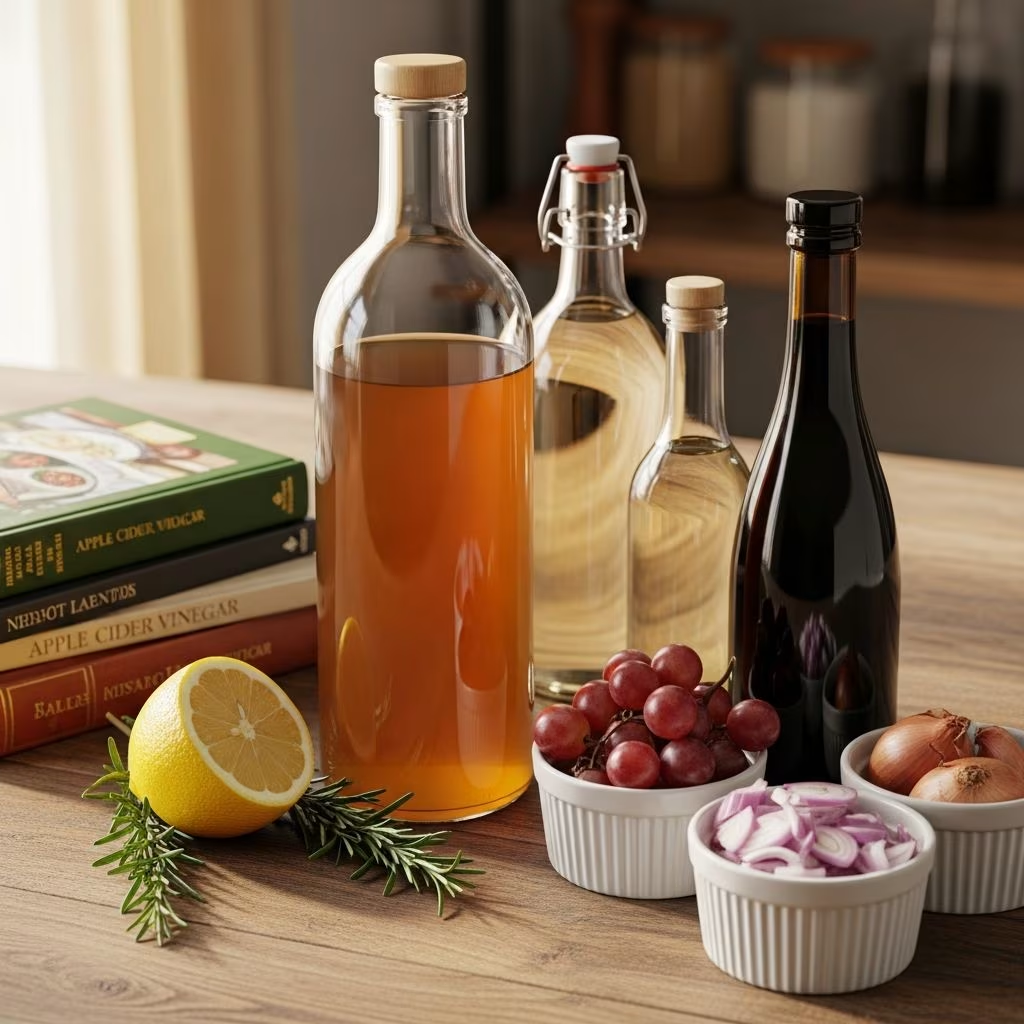
- Distilled White Vinegar: Grain-derived, clear, and neutral with high acidity (5-20%), ideal for pickling and cleaning due to its crisp profile.
- Apple Cider Vinegar: Fermented from apple juice, offering fruity notes; unfiltered versions contain the mother for added probiotics and visual appeal.
- Red Wine Vinegar: Bold and robust from fermented red wine, perfect for salads and reductions.
- Balsamic Vinegar: Grape-based, aged for syrupy sweetness and complexity, often used as a finisher.
- Rice Vinegar: Mild and slightly sweet from fermented rice, a staple in Asian cuisine for sushi and dressings.
- Malt Vinegar: From malted barley, sharp and malty, common with fish and chips.
Choose based on acidity—5% is the gold standard for safe pickling, ensuring pH below 4.6 to prevent spoilage. Always verify labels, as some products fall to 4% and aren’t suitable for canning.
Mastering Vinegar in Everyday Cooking
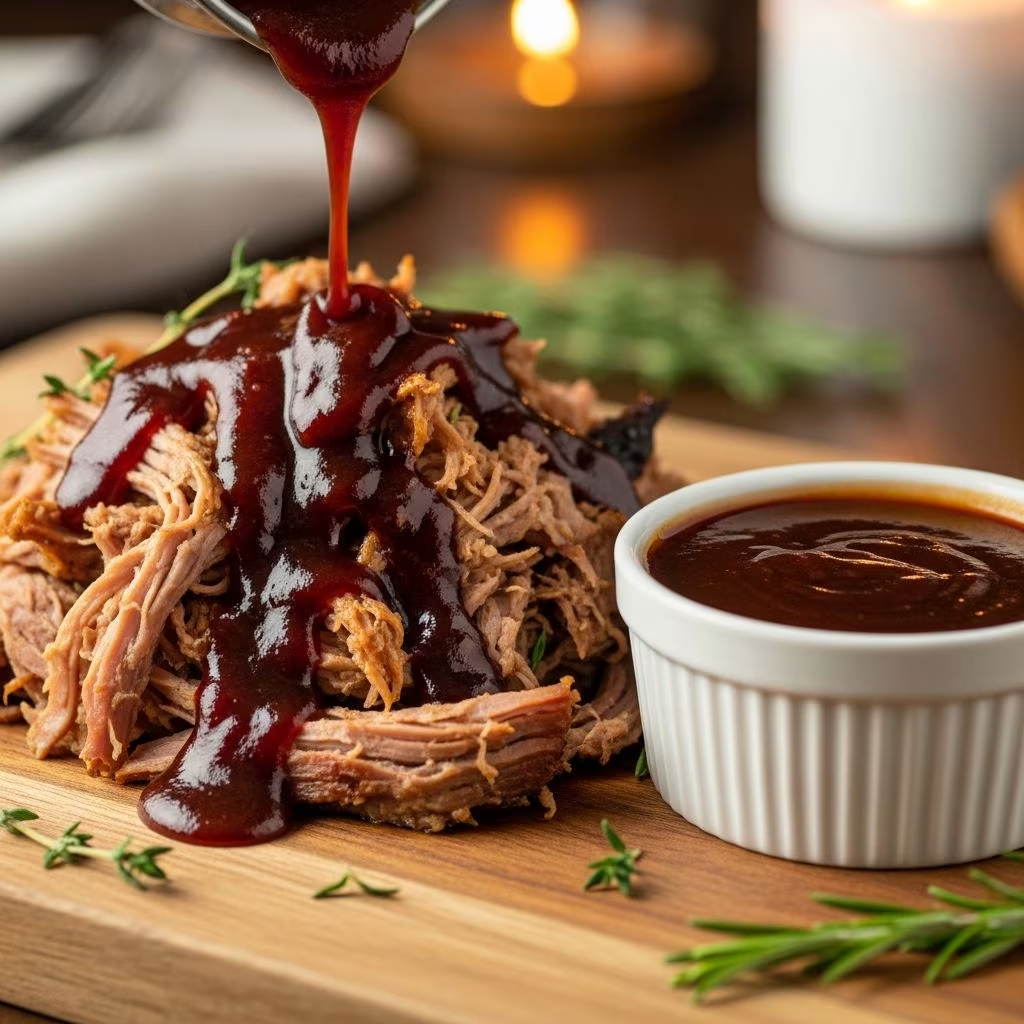
Beyond sourness, vinegar balances flavors by cutting richness, tenderizing proteins, and reacting in baked goods. In marinades, its acidity breaks down muscle fibers for juicier meats; a splash in sauces brightens vegetables.
| Vinegar Type | Best Uses | Flavor Notes | Acidity Range |
|---|---|---|---|
| White Distilled | Pickling, baking | Neutral, sharp | 5-20% |
| Apple Cider | Salad dressings, glazes | Fruity, mellow | 5-6% |
| Red Wine | Meat marinades, vinaigrettes | Tannic, bold | 6-7% |
| Balsamic | Drizzles, reductions | Sweet, viscous | 6% |
| Rice | Sushi, stir-fries | Delicate, sweet | 4-5% |
For vinaigrettes, emulsify 3 parts oil to 1 part vinegar with mustard for stability. In baking, like red velvet cake, vinegar activates baking soda for lift and color.
Preservation Power: Pickling and Canning
Vinegar’s low pH (2.4-3.4) inhibits bacteria, making it essential for pickles, relishes, and salsas. Use 5% acidity minimum; dilute stronger vinegars with water if needed, but never weaker ones. Quick refrigerator pickles require less processing: layer veggies in jars, cover with vinegar brine (1:1 vinegar-water, plus salt/sugar/spices), and chill for days.
For water-bath canning, ensure recipes specify 5% vinegar to achieve safe acidity, especially with borderline foods like tomatoes.
Health and Household Hacks
While not a cure-all, vinegar aids digestion and blood sugar control per studies, with apple cider varieties popular for “mothers” rich in probiotics. Household-wise, white vinegar dissolves mineral deposits, cleans glass streak-free, and deodorizes fabrics—dilute 1:1 with water for most tasks.
Store in cool, dark places; shelf life exceeds two years for distilled and cider types.
DIY Vinegar: Crafting Your Own
Homemade vinegar starts with alcohol like wine or cider, plus a mother or store-bought starter. Cover loosely in a jar, let ferment 4-6 weeks in a warm spot, tasting for tang. Strain and bottle; experiment with herbs or fruits for infusions.
Frequently Asked Questions
What is the mother in vinegar?
The mother is a bacterial culture of cellulose and Acetobacter that ferments alcohol to acid, visible in unfiltered vinegars.
Is 4% vinegar safe for pickling?
No—use only 5% or higher for canning to ensure proper pH and botulism prevention.
Can I substitute vinegars in recipes?
Yes, if acidity matches, but adjust for flavor—mild rice for delicate dishes, robust wine for hearty ones.
How long does vinegar last?
Indefinitely if stored properly, though flavors may mellow; check for off odors.
Is vinegar vegan?
Most are, derived from plants, but confirm no animal-based filters.
Recipes to Try
Classic Vinaigrette
- 3 tbsp oil
- 1 tbsp vinegar (red wine or cider)
- 1 tsp mustard
- Salt, pepper, herbs
Whisk together; drizzle over greens.
Quick Pickled Onions
- 1 red onion, sliced
- 1 cup 5% vinegar
- 1/2 cup water
- 1 tbsp sugar, 1 tsp salt
Boil liquids with seasonings, pour over onions, chill 1 hour.
Incorporate vinegar thoughtfully to transform ordinary meals into vibrant feasts, leveraging its chemical prowess for balance and preservation.
References
- Vinegar – Wikipedia — Wikipedia. 2023-10-01. https://en.wikipedia.org/wiki/Vinegar
- A Guide to Cooking with Vinegar: Types, Uses & Flavor Profiles — Escoffier.edu. 2023-01-15. https://www.escoffier.edu/blog/culinary-arts/vinegar-varieties/
- It’s All About The Vinegar — A Jeanne in the Kitchen. 2025-04-09. https://ajeanneinthekitchen.com/2025/04/09/its-all-about-the-vinegar/
- Vinegar 101: What You Need to Know about this Kitchen Staple — Attainable-Sustainable.net. 2023-02-01. https://www.attainable-sustainable.net/whats-in-your-vinegar/
- Advice about Vinegar — Penn State Extension. 2023-05-20. https://extension.psu.edu/advice-about-vinegar/