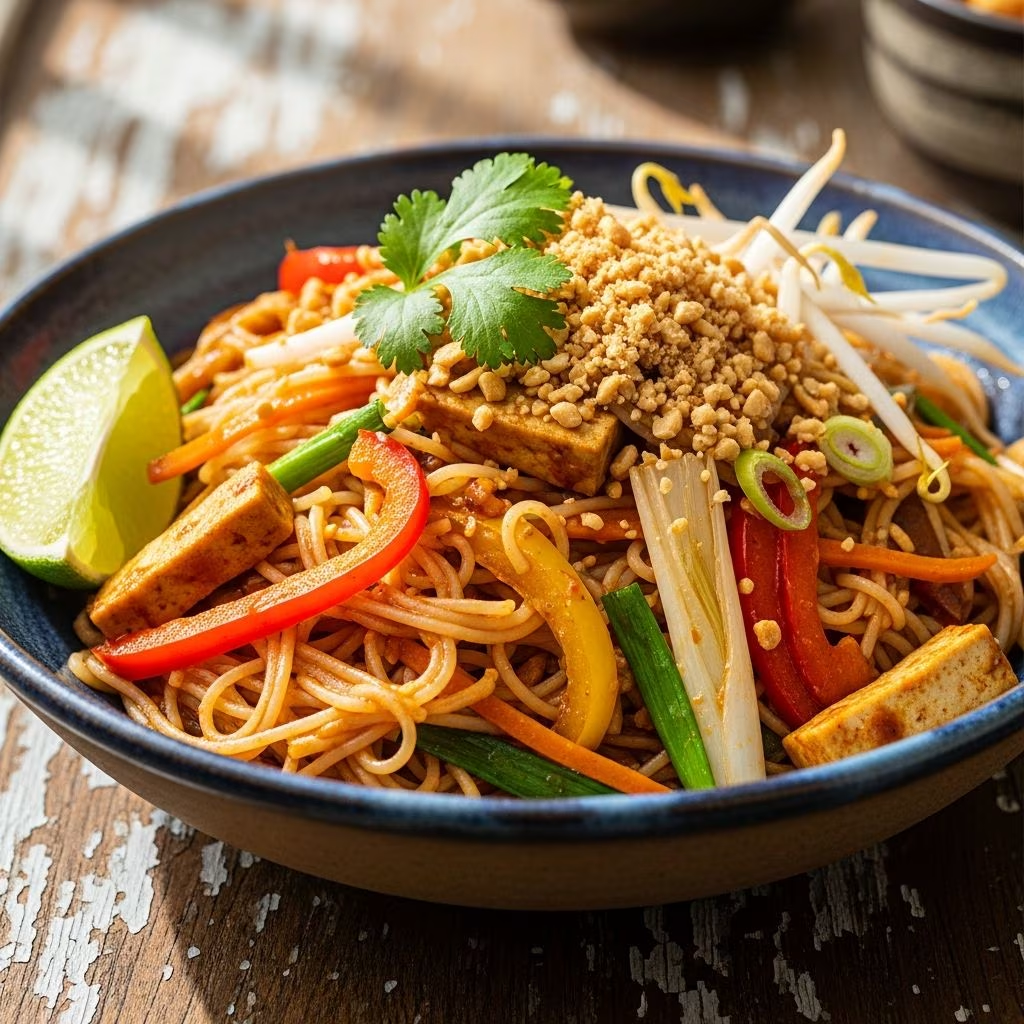
The aromatic lanes of Bangkok have long been home to one of Southeast Asia’s most celebrated street foods: pad thai. This beloved noodle dish represents the convergence of simple ingredients combined through precise technique to create layers of flavor that dance across the palate. While traditionally prepared with shrimp or chicken, the vegetarian adaptation has evolved far beyond a mere omission of protein. Contemporary vegetarian pad thai stands as a fully realized culinary experience, one that maintains the integrity of the original while celebrating plant-based ingredients in their own right.
Creating an exceptional meatless version of this iconic dish requires understanding both the foundational techniques and the subtle adjustments necessary to achieve the same depth of flavor and textural complexity found in traditional renditions. This comprehensive guide walks you through every aspect of preparing restaurant-quality vegetarian pad thai in your own kitchen.
Understanding the Foundation: What Makes Pad Thai Distinctive
Pad thai occupies a unique position in Thai cuisine. Unlike curries that build complexity through extended cooking and sauce reduction, pad thai achieves its character through rapid, high-heat cooking combined with carefully balanced seasonings. The dish emerged in Thailand during the mid-twentieth century as a nationalistic effort to create a unified Thai identity through food, blending Chinese stir-frying techniques with distinctly Thai flavor profiles.
The fundamental appeal of pad thai rests on several key elements working in concert. First comes the textural contrast between tender noodles and crisp vegetables. Second is the flavor balance achieved through the interplay of tamarind’s tartness, fish sauce’s umami depth, palm sugar’s subtle sweetness, and fresh lime juice’s brightness. Finally, there is the sensory experience of eating—the spontaneous combustion of flavors as each component strikes your palate independently before melding into a cohesive whole.
The Role of Core Aromatics and Building Blocks
Before any ingredient meets the wok, understanding the preliminary components proves essential. Garlic forms the aromatic foundation, providing pungency that anchors the dish. Fresh shallots contribute a delicate sweetness and complexity that refined onions cannot replicate. These aromatics, when bloomed in hot oil, release compounds that form the flavor backbone for everything that follows.
Dried chilies deserve particular attention in vegetarian preparations. They supply not merely heat but a sophisticated smokiness that can partially compensate for the umami typically provided by animal proteins. The choice between Thai bird’s eye chilies, guajillo peppers, or other varieties significantly influences the final flavor profile.
Essential Ingredients: Building Your Vegetarian Pad Thai Arsenal
Success in vegetarian pad thai begins at the market. Sourcing authentic ingredients transforms the cooking experience from serviceable to transcendent. Here are the key components you’ll need:
Noodles: The Structural Foundation
Rice noodles form the dish’s structural basis. Specifically, you’ll want dried rice noodles approximately 1/8 inch in width—sometimes labeled as pad thai noodles or sen lek. These possess a specific density and cooking characteristics that distinguish them from other varieties. The noodles should be soaked in room-temperature water for thirty to forty minutes before cooking, creating a state between dried and fully tender. This partially hydrated condition allows them to finish cooking perfectly in the high heat of the wok without becoming mushy or breaking apart.
The distinction between properly prepared and improperly prepared noodles cannot be overstated. Oversoaked noodles disintegrate during wok cooking, while insufficiently soaked noodles remain brittle and fail to absorb the sauce properly. This seemingly minor technical detail proves essential to achieving authentic results.
The Flavor Foundation: Tamarind, Fish Sauce Alternatives, and Sweeteners
Tamarind paste provides the essential tartness that defines pad thai’s character. Extracted from the pulp of tamarind pods, this ingredient delivers a fruity acidity that cannot be replicated by lemon or vinegar alone. When sourcing tamarind, seek pure tamarind paste without additives—many commercial versions contain salt or sugar that compromise your ability to season precisely.
Fish sauce traditionally provides umami depth and savory complexity. For vegetarian preparations, several alternatives offer comparable results. Tamari or coconut aminos provide umami through fermentation, though with less intensity than traditional fish sauce. Some cooks employ a combination of miso paste, soy sauce, and a small quantity of seaweed-based products to approximate the umami profile. The goal is not exact replication but rather achieving sufficient savory depth that the dish feels complete and satisfying.
Palm sugar or coconut sugar brings subtle sweetness that balances the tamarind’s acidity. Unlike refined white sugar, which produces a one-dimensional sweetness, these alternatives offer complexity and a slight caramel note that enhances the overall flavor.
Vegetables and Protein Alternatives
- Bean sprouts: Provide essential crunch and are typically added raw just before serving to maintain their textural integrity
- Scallions: Offer mild onion notes and fresh appeal when sliced thinly and scattered over the finished dish
- Bell peppers: Contribute sweetness and color; julienne them thinly for uniform cooking and textural consistency
- Broccoli or mushrooms: Supply meaty texture and substantial mouthfeel that can partially replace traditional proteins
- Pressed tofu or tempeh: Provide protein and a slightly firmer texture that resists breaking during the vigorous wok cooking process
- Cashews or peanuts: Deliver richness, texture variation, and nutritional completeness when toasted and added at the end
Preparation Techniques: Organization and Mise en Place
The difference between chaotic cooking and fluid execution lies entirely in preparation. Professional kitchens operate on a principle called mise en place—everything in its place. Before any heat touches your wok, every ingredient should be measured, chopped, and arranged in the order it will be used.
This practice proves particularly important with pad thai, where cooking occurs over intensely high heat for only a few minutes. Once you begin, there is no time to fetch an ingredient, measure a sauce, or retrieve a utensil. The entire process moves too rapidly. Attempting to improvise mid-cooking inevitably results in poorly integrated flavors and unevenly cooked components.
Sauce Preparation and Integration
Combine your tamarind paste, chosen fish sauce alternative, palm sugar, and lime juice in a small bowl several minutes before cooking. This allows the sugar to partially dissolve and flavors to begin marrying. Taste the sauce before adding it to the wok—it should present a balanced profile of sweet, sour, and savory elements with no single note overwhelming the others. Adjust individual components as needed before cooking begins.
This advance tasting prevents the common mistake of under-seasoning or over-seasoning the finished dish. Once the sauce enters the wok, adjusting it becomes difficult, as the heat and movement of the pan make it challenging to taste and modify properly.
The Cooking Process: Step-by-Step Execution
Pad thai cooking occurs in distinct phases, each requiring specific techniques and attention to timing.
Phase One: Aromatic Blooming and Structural Component Cooking
Heat your wok over high heat until a drop of water immediately sizzles and evaporates upon contact. Add oil with a high smoke point—peanut oil is traditional and ideal. When the oil shimmers, introduce minced garlic and sliced shallots, stirring continuously for approximately one minute. At this point, the aromatics should be fragrant but not browned, as burning them produces bitterness that taints the entire dish.
Next, add firmer vegetables that require longer cooking—julienned bell peppers, broccoli florets, or your chosen secondary proteins like pressed tofu. Stir-fry for two to three minutes, allowing these components to develop slight color while remaining crisp-tender.
Phase Two: Noodle Integration and Sauce Application
Add the soaked rice noodles, distributing them evenly across the wok’s surface. Using two utensils—typically wooden chopsticks or a wooden spoon and spatula—lift and toss the noodles continuously, breaking up any clumps. This process should continue for approximately one minute before introducing the sauce.
Pour the prepared sauce over the noodles while continuing to toss vigorously. The high heat and constant movement allow the sauce to coat every noodle strand evenly while the wok’s residual heat continues cooking any remaining components. This phase typically lasts two to three minutes, at which point the noodles should be tender but maintaining slight textural resistance.
Phase Three: Final Assembly and Garnishing
Remove the wok from heat. Quickly add raw bean sprouts, sliced scallions, and any toasted nuts or seeds, tossing gently to combine. These additions maintain their intended texture and brightness when added off-heat, providing essential freshness and contrast to the warm, cooked components.
Transfer immediately to serving plates, garnishing additionally with lime wedges, crushed peanuts, and extra fresh cilantro if desired. The entire cooking process, from heat application to plating, should occupy approximately seven to ten minutes from start to finish.
Nutritional Considerations and Protein Optimization
| Protein Source | Protein Content (per serving) | Texture Profile | Flavor Impact |
|---|---|---|---|
| Extra-firm tofu | 8-10g | Firm, slightly chewy | Neutral, absorbs sauce |
| Tempeh | 10-12g | Dense, nutty | Slightly earthy |
| Cashews | 5-7g | Crunchy, creamy | Rich, buttery |
| Chickpeas | 7-9g | Creamy, hearty | Mild, slightly earthy |
| Hemp seeds | 9-11g | Slightly crunchy | Nutty, subtle |
While pad thai as a dish is naturally lighter than many Asian noodle preparations, incorporating sufficient protein ensures sustained satiation and balanced nutrition. Multiple protein sources in a single dish create textural variety while distributing nutritional benefits across different ingredient profiles.
Troubleshooting Common Issues
Soggy Noodles
Soggy noodles typically result from either oversaking before cooking or excessive moisture in the wok during sauce application. Ensure your noodles are soaked only to the point where they bend easily but still maintain some structural resistance. Additionally, if moisture accumulates in your wok during cooking, increase heat slightly to evaporate excess liquid rather than extending cooking time.
Unbalanced Flavors
If your pad thai tastes one-dimensional, you likely need to increase one of the four primary flavor elements. Flat-tasting pad thai usually benefits from additional lime juice or a small increase in tamarind. Overly sweet versions need more tamarind acidity or a small amount of additional salt. Ensure you’re tasting as you adjust, making incremental changes rather than dramatic swings.
Poor Vegetable Integration
Vegetables that remain excessively crunchy or are undercooked indicate insufficient cooking time before sauce application. Add vegetables earlier in the cooking process, giving them adequate time to become tender before introducing noodles and sauce. Conversely, mushy vegetables suggest overcooking—reduce the quantity of vegetables or introduce them later in the process.
Frequently Asked Questions
Can I prepare pad thai ahead of time?
Pad thai is best served immediately after cooking, as the noodles continue absorbing moisture and become progressively softer. However, you can prepare all components in advance and cook the dish when ready. Store soaked noodles separately from other ingredients, and combine everything just before wok cooking.
What oil should I use for cooking?
Use an oil with a high smoke point—peanut oil is traditional and ideal, though vegetable oil or refined coconut oil work adequately. Avoid olive oil, which burns at the temperatures required for proper pad thai cooking.
How do I achieve the restaurant-quality flavor at home?
Restaurant quality emerges from several factors: using authentic ingredients, maintaining extremely high wok heat, not overcrowding the pan, and tasting for seasoning precision. Additionally, many restaurants add a touch of their chosen fish sauce alternative than home cooks typically use—don’t be timid with umami-providing ingredients.
Can I make pad thai without tamarind paste?
While possible, it won’t be authentic pad thai. Lime juice alone cannot replicate tamarind’s complex fruity acidity. If tamarind is unavailable, use lime juice combined with a small amount of concentrated pomegranate juice or even a touch of ketchup to approximate the flavor profile, understanding these substitutions will produce a different result.
Conclusion: Mastering Your Vegetarian Pad Thai
Vegetarian pad thai represents far more than a simple omission from the traditional recipe—it stands as a fully realized dish celebrating plant-based ingredients while honoring the Thai culinary techniques that define the original. Through understanding the foundational components, respecting proper cooking techniques, and maintaining precise attention to flavor balance, you can create pad thai that satisfies even the most discerning palate.
The beauty of this dish lies in its flexibility. While core techniques remain constant, ingredient variations allow personalization based on preference, availability, and dietary requirements. Each cooking session becomes an opportunity to refine your technique and deepen your appreciation for the complexity hidden within this seemingly simple street food.
References
- Thai Cuisine and Cultural History — University of Thailand Department of Culinary Arts. 2024. https://www.culture.go.th
- Nutritional Composition of Plant-Based Proteins — U.S. Department of Agriculture Agricultural Research Service. 2024. https://fdc.nal.usda.gov
- Tamarind: Cultivation, Composition and Applications — Journal of Agriculture and Food Research. 2023-2024. https://www.sciencedirect.com/journal/journal-of-agriculture-and-food-research
- High-Heat Cooking Techniques and Nutritional Retention — Institute of Food Technologists. 2024. https://www.ift.org
- Umami Compounds in Plant-Based Foods — Food Chemistry Journal. 2023-2024. https://www.sciencedirect.com/journal/food-chemistry