The muffuletta stands as one of the most celebrated sandwich creations to emerge from New Orleans’ vibrant culinary tradition. Originally developed in the early 20th century at Salvatore Lupo’s Central Grocery, this towering creation has traditionally featured layers of Italian cold cuts and a signature olive tapenade. In contemporary cooking, vegetarian adaptations have breathed new life into this classic, proving that plant-based ingredients can deliver equally impressive flavor complexity and textural satisfaction.
A vegetarian muffuletta transforms the traditional formula by replacing deli meats with roasted and marinated vegetables while maintaining all the bold, briny flavors that make this sandwich unforgettable. The addition of pickled greens, particularly iceberg lettuce, introduces a refreshing acidic element that balances the richness of cheese and oil-based spreads. This article explores how to create an exceptional vegetarian version that honors the sandwich’s heritage while celebrating plant-based ingredients.
Understanding the Foundation: Bread Selection and Preparation
The structural integrity of a muffuletta depends entirely on selecting the right bread. A round Italian loaf, commonly called a boule, provides the ideal canvas for this substantial sandwich. The bread’s dense crumb structure can withstand the weight of multiple layers without becoming soggy, while its sturdy crust maintains its integrity during slicing.
Preparation begins with cutting the bread horizontally across its equator. Rather than simply slicing two pieces, the traditional method involves hollowing out the interior, leaving approximately one-quarter to one-half inch of bread adhering to the crust on both halves. This technique serves multiple purposes: it reduces excess bread that might overwhelm the fillings, creates space for generous layers of tapenade and other components, and allows the sandwich to compress into a more manageable portion when wrapped.
The hollowed bread should be handled gently to avoid cracking the crust. Using your hands to tear away the soft interior proves more effective than using utensils, which risk damaging the bread’s structural walls. Once hollowed, allow the bread to sit uncovered for several minutes, which helps it firm up slightly and prevents excessive moisture absorption from the fillings.
Crafting the Pickled Iceberg: A Textural Element
Pickled iceberg lettuce introduces a crucial textural and flavor component that distinguishes exceptional vegetarian muffulettas from standard versions. The pickling process transforms ordinary lettuce into a crisp, tangy element that cuts through the richness of oils and cheese while adding vital crunch.
To prepare pickled iceberg lettuce, begin by combining red wine vinegar with water in a ratio that balances acidity with approachability. A mixture of approximately one-half cup of vinegar to one cup of water creates an adequately sharp brine without becoming overwhelming. Additional components typically include minced garlic cloves, granulated sugar to round the acidic edges, fennel seeds for subtle licorice notes, dried oregano for herbaceous depth, and smoked pimentón for a whisper of smokiness.
The lettuce should be sliced into thin ribbons or bite-sized pieces before introducing it to the hot brine. Pouring the heated pickling liquid over the lettuce allows the leaves to wilt slightly while absorbing the flavorful brine. The vegetables should pickle for at least thirty minutes, though longer resting periods intensify the flavor exchange. The result is a vivid, briny component that provides both textural contrast and flavor brightness.
Building Umami: The Olive Tapenade Base
The foundation of authentic muffuletta character rests upon its distinctive olive tapenade. This intensely savory spread combines both green and black olives with aromatic components to create a multidimensional flavor profile that anchors every layer above it.
Quality olives form the cornerstone of exceptional tapenade. Green olives contribute herbaceous brightness and crisp flavor notes, while black olives bring deeper, more concentrated olive essence. Combining these two varieties creates balance and complexity. A food processor pulse-blends the olives with fresh parsley, which adds fresh herbal notes that prevent the spread from becoming one-dimensional. Minced garlic infuses the tapenade with aromatic intensity, while lemon juice brightens the overall composition and prevents oxidation.
Optional additions like pickled pepperoncini peppers contribute a subtle heat and vinegary punch, while small quantities of chili flakes provide warmth. Sea salt and ground black pepper refine the seasoning. The finished tapenade should have a chunky consistency that spreads easily without becoming paste-like. This textured quality ensures that each bite delivers distinct olive pieces rather than a homogeneous spread.
Vegetable Foundations: Creating Meaty Texture
Since vegetarian muffulettas forgo traditional cured meats, selecting vegetables that provide satisfying textural and flavor depth becomes paramount. Eggplant and portobello mushrooms serve as the primary vegetable foundations because they develop substantial, meat-like textures when roasted or grilled.
Eggplant requires careful preparation to achieve optimal texture. Slicing the vegetable into quarter-inch thickness creates pieces that will roast evenly without becoming mushy. Arranging slices in a single layer on parchment-lined baking sheets and coating them with cooking spray ensures even browning. Roasting at 450 degrees Fahrenheit for approximately thirty minutes, with a midway flip, transforms eggplant into a tender, slightly caramelized component. Light salting before roasting encourages moisture release and intensifies flavors.
Portobello mushrooms offer a naturally hearty texture that mimics the substance of deli meats. Removing the stems and scraping away the dark gills underneath prevents excessive moisture from compromising the sandwich’s structure. Slicing the caps into quarter-inch pieces and marinating them in a mixture of olive oil, lemon juice, smoked paprika, and salt infuses them with bold flavors while tenderizing the flesh. A twenty-minute roast at 450 degrees develops a slightly firm exterior while maintaining interior tenderness.
Complementary Components and Layer Assembly
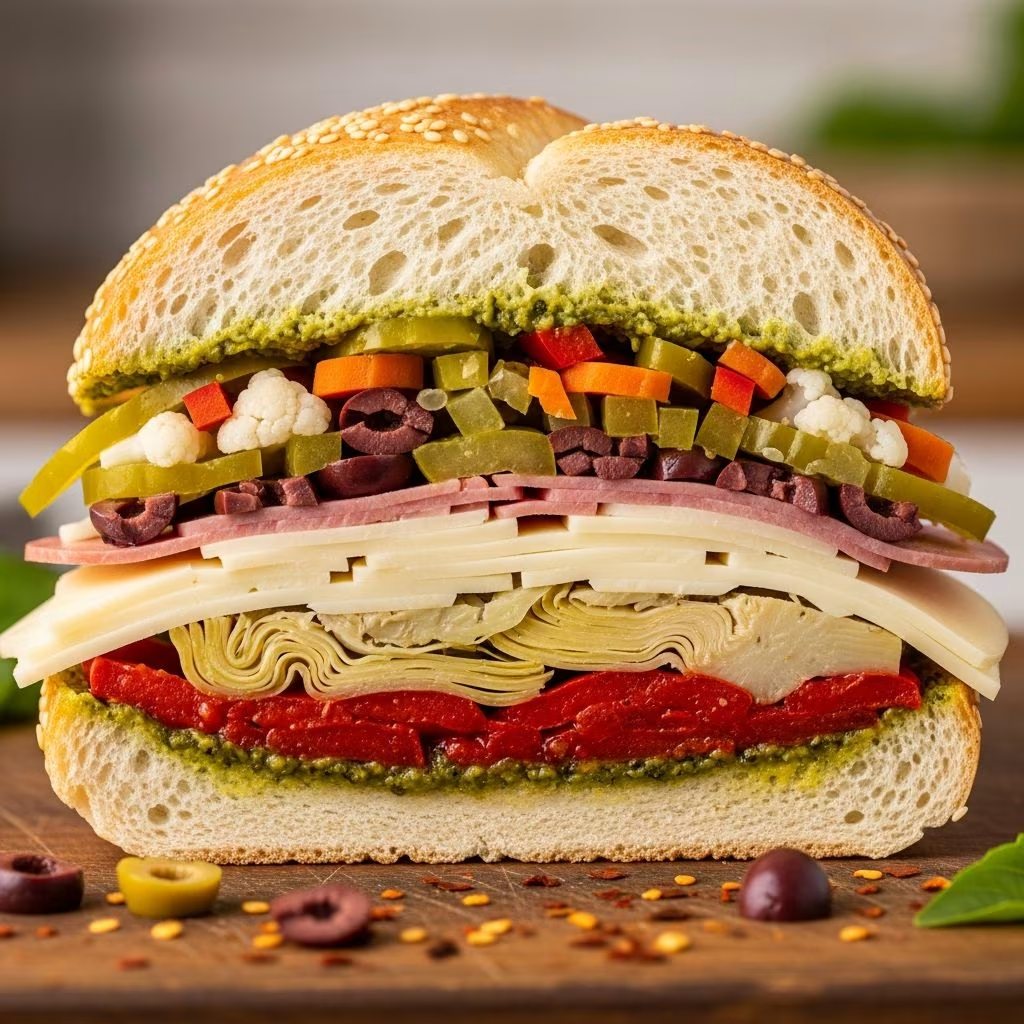
Beyond the foundation elements, several components work in concert to create a sophisticated sandwich experience. Roasted red peppers, whether fresh or from quality jarred sources, add bright color and sweet flavor that balances the salty, briny elements. Slicing them into thin strips allows them to integrate smoothly between other layers.
Marinated artichoke hearts contribute an earthy, slightly tangy dimension while adding textural variation. Their tender texture contrasts pleasantly with the firmer roasted vegetables. Giardiniera, the Italian mixed pickled vegetable condiment, introduces multiple flavors and textures simultaneously through its combination of peppers, celery, and other vegetables preserved in vinegar.
Fresh mozzarella or provolone cheese adds richness and creates a binding element that helps integrate the numerous components. The cheese should be sliced thin enough to drape naturally between layers without overwhelming the vegetable flavors.
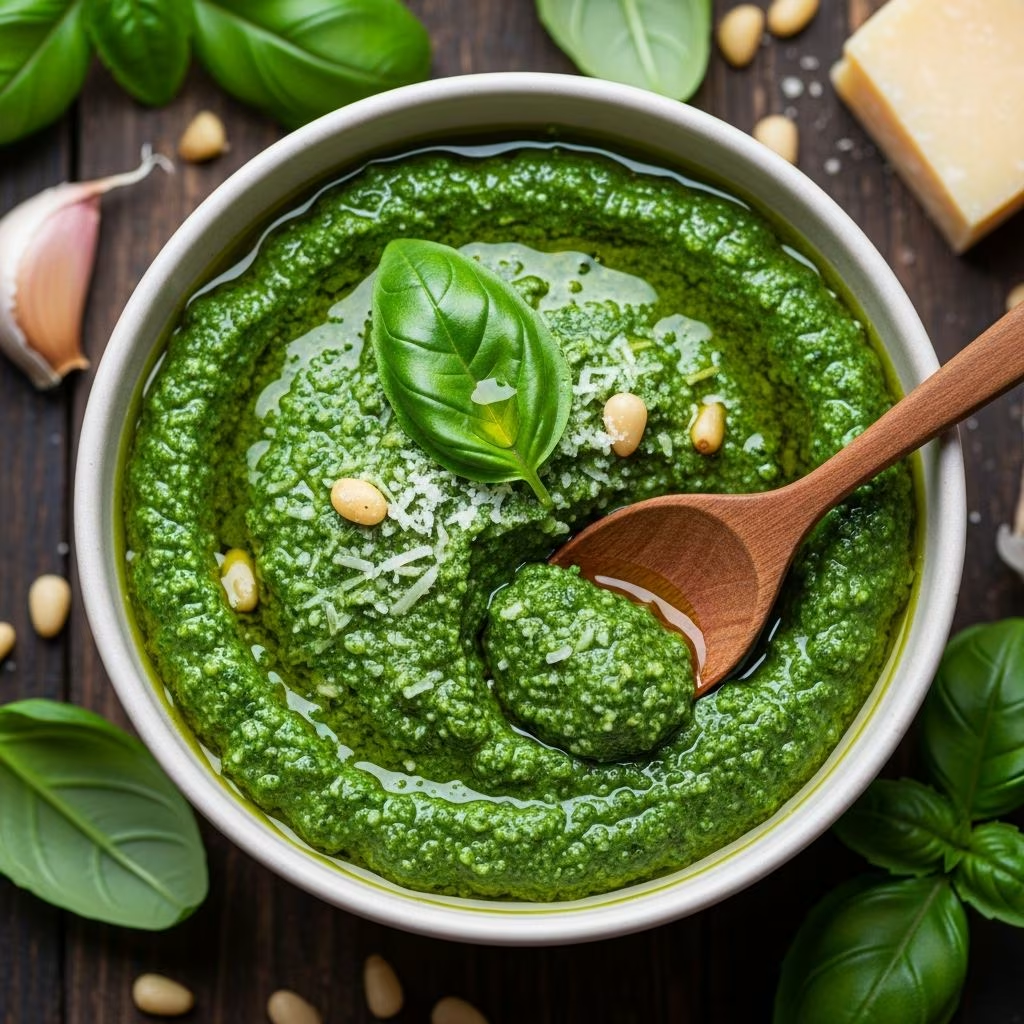
Assembly follows a logical progression. The hollowed bread halves receive spreading applications of olive tapenade on one side and complementary spreads like basil pesto on the other. The pickled lettuce or giardiniera forms the next layer, creating an acidic barrier that prevents the bread from becoming soggy. Roasted vegetables follow in compact layers, ensuring even distribution. Cheese crowns the arrangement before the sandwich closes.
The Resting Process: Flavor Integration
After assembly, wrapping the sandwich and allowing it to rest at room temperature for at least one hour facilitates crucial flavor integration. During this period, the bread absorbs moisture from the vegetables and spreads while the individual components meld into a cohesive whole. The pressure from wrapping slightly compresses the layers, making the finished sandwich more manageable to slice and eat.
This resting phase should not be rushed. Shorter resting periods result in sandwiches where components taste distinct but unconnected. Extended resting—up to several hours—allows flavors to migrate and combine more thoroughly, creating a more unified eating experience.
Slicing and Serving Considerations
The muffuletta’s substantial size necessitates thoughtful slicing strategy. Using a sharp serrated knife, cut the sandwich into wedges similar to cutting a pizza. This approach ensures that each serving contains all layers in balanced proportion. Serrated knives prevent the crust from compressing while cutting, which would otherwise squeeze out fillings.
Serving the sandwich at room temperature preserves the flavors better than chilled versions. Room temperature allows the cheese to retain its creamy texture and enables oil-based spreads to coat the palate fully. If preparing muffulettas ahead for picnics or events, wrapping them individually and holding them at moderate temperatures maintains optimal eating quality.
Nutritional Composition and Dietary Adaptations
Vegetarian muffulettas offer substantial nutritional content through their abundant vegetables and olive oil. A standard serving typically provides approximately 450 calories, with significant carbohydrate content from the bread providing sustained energy. Fiber from vegetables contributes to digestive health, while the abundance of olives and olive oil delivers monounsaturated fats associated with heart health benefits.
For vegan adaptations, substituting cheese with plant-based alternatives maintains the sandwich’s character. Vegan deli meat products, while sometimes controversial among purists, offer textural similarity and sodium-forward seasoning profiles that approximate the original character. Using quality plant-based products ensures that dietary preferences don’t require flavor compromises.
Flavor Profile Customization
While the classic muffuletta formula provides excellent guidance, individual preferences warrant customization. Those favoring more acidic profiles can increase vinegar proportions in pickling brines or add additional giardiniera layers. Individuals preferring earthier tones might incorporate sun-dried tomatoes or increase mushroom proportions. Herb enthusiasts can experiment with different pesto varieties, substituting basil with arugula or combining multiple herbs.
Spice tolerance varies among individuals, making adjustable heat levels important. Additional red pepper flakes in the tapenade or more pepperoncini peppers suit those enjoying warming heat, while their reduction or elimination suits sensitive palates.
Storage and Make-Ahead Strategies
Fully assembled muffulettas maintain quality for up to four hours at room temperature when properly wrapped. For longer storage, assembling components separately and combining them shortly before serving prevents sogginess. Pickled vegetables and tapenade, stored in airtight containers, remain fresh in refrigerators for approximately one week, enabling quick sandwich assembly when desired.
References
- Vegetarian Muffaletta with Easy Vegan Option — Umami Girl. 2024. https://umamigirl.com/vegetarian-muffuletta-recipe/
- Vegetarian Muffuletta Picnic Sandwich — Yummy Mummy Kitchen. 2017. https://www.yummymummykitchen.com/2017/08/vegetarian-muffuletta-picnic-sandwich.html
- Vegan Muffuletta Recipe — Hot for Food. 2019. https://www.hotforfoodblog.com/recipes/2019/08/07/vegan-muffuletta/
- USDA FoodData Central — U.S. Department of Agriculture. 2024. https://fdc.nal.usda.gov/