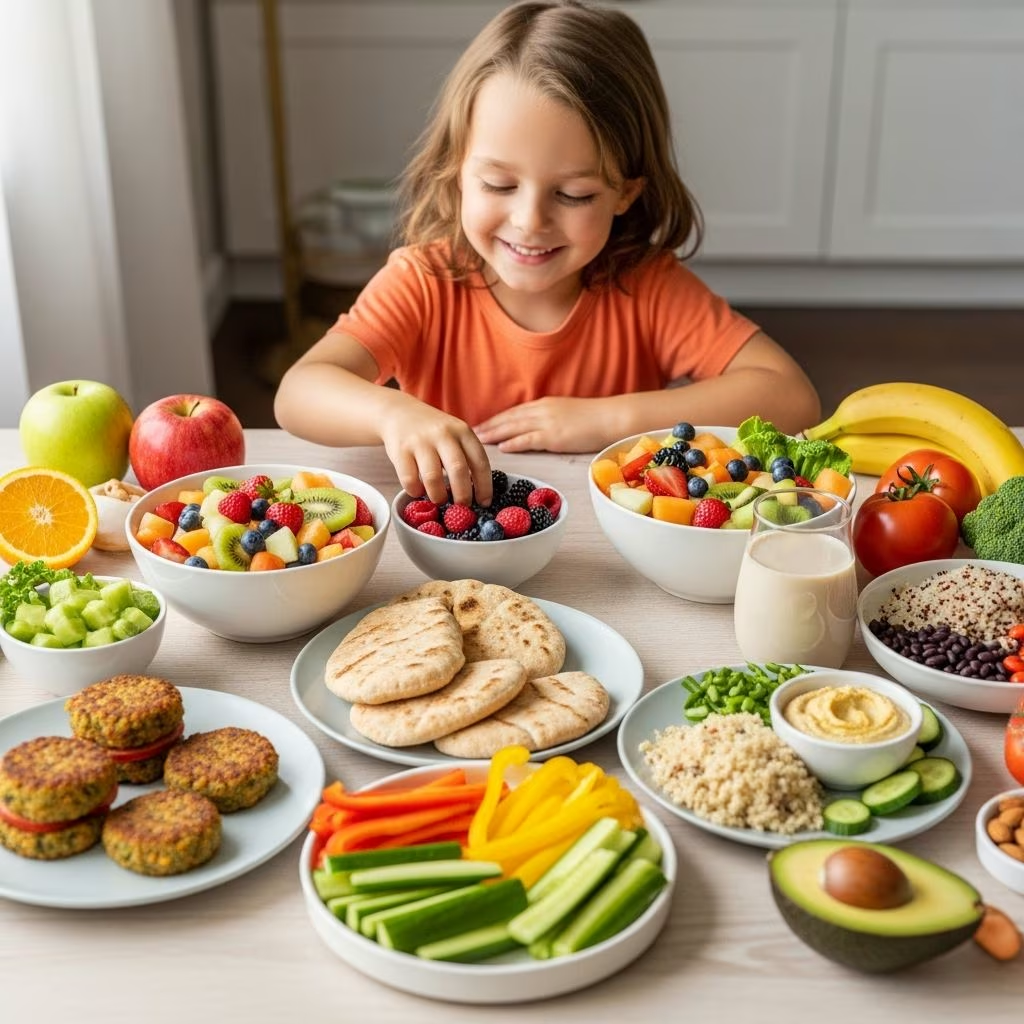
A vegetarian diet offers numerous benefits for children, including lower risks of chronic diseases like heart disease and diabetes when properly planned. According to nutrition experts, a varied plant-based approach supports growth and development across all ages if essential nutrients are prioritized. This guide provides parents with actionable strategies to build balanced meals, address common nutritional gaps, and make plant-based eating enjoyable for the whole family.
Understanding Nutritional Needs by Age Group
Children’s requirements evolve as they grow, from rapid infant development to teen growth spurts. Infants transitioning to solids need protein-rich purees like tofu or strained lentils alongside iron-fortified cereals to prevent deficiencies. Toddlers often fill up quickly on bulky veggies, so focus on calorie-dense options between meals to meet energy demands. School-aged kids benefit from structured plates with carbs, proteins, and veggies in child-sized portions. Teens, especially during growth spurts, may require up to 4,000 calories daily, emphasizing high-fat vegetarian foods like nuts and avocados.
Monitoring intake ensures adequacy. For example, smaller stomachs in young children mean using side plates for meals to make portions appear substantial, encouraging seconds if needed. Regular check-ins with pediatricians help assess needs for supplements like B12 or multivitamins, particularly for new vegetarians.
Key Nutrients and Plant-Based Sources
Maintaining balance hinges on targeting proteins, iron, calcium, vitamin D, B12, and zinc. Diversify sources to cover these essentials effectively.
- Protein: Essential for growth and cell repair. Include legumes (beans, lentils, chickpeas), soy products (tofu, tempeh), eggs, dairy, nuts, seeds, and meat substitutes daily. Aim for three plant-based servings per day. Quinoa and ancient grains like amaranth also pack protein.
- Iron: Critical to avoid anemia. Pair plant sources like leafy greens, dried fruits, whole grains, fortified cereals, chickpeas, and lentils with vitamin C-rich foods (oranges, strawberries) for better absorption.
- Calcium and Vitamin D: Support bones. Dairy, fortified plant milks (soy, rice, orange juice), kale, broccoli, almonds, figs, and calcium-set tofu are top choices. Sun exposure aids vitamin D, but fortified foods help in low-sun areas.
- B12 and Zinc: Often low in vegetarian diets. Eggs provide B12; combine with dairy, fortified cereals, or supplements. Zinc comes from beans, nuts, seeds, and whole grains.
| Nutrient | Vegetarian Sources | Daily Tips |
|---|---|---|
| Protein | Beans, tofu, eggs, nuts | 3 servings/day |
| Iron | Lentils, spinach, fortified cereals | Pair with vitamin C |
| Calcium | Dairy, kale, fortified milks | Include in every meal |
| B12 | Eggs, dairy, fortified foods | Monitor with doctor |
Building Balanced Daily Meals
Structure meals around major food groups: fruits, veggies, whole grains, proteins, and healthy fats. Breakfast might feature iron-fortified oatmeal with chia seeds and fruit. Lunch could be a hummus wrap with veggies and cheese. Dinner: lentil curry over rice with yogurt. Snacks like peanut butter on whole grain toast (if no allergies) boost calories and protein.
Be mindful of fiber; while vital, excess can crowd out calories in small stomachs. Opt for energy-dense additions like avocado or nut butters. For picky eaters, involve kids in cooking to foster interest—simple tasks like stirring lentil soup build excitement.
Sample Weekly Meal Plan for School-Aged Kids
- Monday: Breakfast: Yogurt parfait with granola and berries. Lunch: Chickpea salad sandwich. Dinner: Veggie stir-fry with tofu.
- Tuesday: Breakfast: Fortified cereal with soy milk. Lunch: Cheese quesadilla with beans. Dinner: Lentil pasta bake.
- Wednesday: Breakfast: Peanut butter banana toast. Lunch: Egg salad wrap. Dinner: Quinoa-stuffed peppers.
- Thursday: Breakfast: Smoothie with spinach and yogurt. Lunch: Hummus and veggie pins. Dinner: Bean burgers with sweet potato fries.
- Friday: Breakfast: Chia pudding. Lunch: Tuna alternative salad (if lacto-ovo). Dinner: Egg fried rice with peas.
- Weekend: Family pizza night with veggie toppings and cheese; brunch pancakes with nuts.
This plan ensures variety and nutrient coverage while keeping meals appealing. Adjust portions for age and activity levels.
Overcoming Common Challenges
Picky eating is universal, but vegetarians face extra hurdles like texture aversion to beans. Sneak nutrition via smoothies, sauces, or familiar formats like burgers. For teens, emphasize satiety with calorie-rich foods during growth phases. Allergies? Swap peanut butter for seed butters like tahini, avoiding whole nuts for under-fives due to choking risks.
Family-wide adoption eases transitions—start with one vegetarian night weekly. Educate on benefits: plant-based diets may prevent obesity and promote longevity. Consult doctors for blood tests to confirm nutrient levels, especially iron and B12.
Fun Ways to Engage Kids in Plant-Based Eating
Make it interactive: garden veggies together, create bento boxes, or host tasting parties for new foods. Kid-friendly recipes from resources like plant-based cooking classes teach lifelong skills. Schools? Pack nutrient-packed lunches like wraps or salads to counter less healthy options.
FAQs
Can vegetarian diets support athletic kids?
Yes, with ample protein and carbs from beans, grains, and nuts. Monitor energy intake.
Do vegetarian kids need supplements?
Often B12 and possibly iron/vitamin D; consult a pediatrician.
How to handle social situations like parties?
Pack veggie platters or request accommodations; focus on shared sides.
Is it safe for toddlers?
Absolutely, with iron-rich foods and small, frequent meals.
What about vegan vs. lacto-ovo?
Lacto-ovo is easier for kids due to dairy/eggs; vegan requires more planning/supplements.
Long-Term Health Advantages
Well-planned vegetarian diets lower risks of cancer, diabetes, and heart disease while supporting healthy weights. They foster mindful eating habits, potentially leading to better lifelong health outcomes.
References
- Creating a Balanced Vegetarian Diet for Your Teen — Children’s Hospital of Philadelphia. 2023. https://www.chop.edu/news/health-tip/creating-balanced-vegetarian-diet-your-teen
- Top 10 tips for veggie children — BBC Good Food. 2023. https://www.bbcgoodfood.com/health/family-health/top-ten-tips-veggie-children
- Vegetarian Diets — Nemours KidsHealth. 2023. https://kidshealth.org/en/parents/vegetarianism.html
- So Your Child Wants To Be a Vegetarian: A Pediatrician’s Advice — Checkup Newsroom. 2023. https://www.checkupnewsroom.com/so-your-child-wants-to-be-a-vegetarian-a-pediatricians-advice/
- Ask the Dietitian: Healthy eating for children — Vegetarian Society. 2023. https://vegsoc.org/blog/ask-the-dietitian-healthy-eating-for-children/
- Raising Plant-Powered Kids: A Guide to the Vegetarian Diet in Children — Doctor Stein. 2023. https://www.doctor-stein.com/blog/raising-plant-powered-kids-a-guide-to-the-vegetarian-diet-in-children
- Resources for Raising Vegetarian and Vegan Children — Boston Vegetarian Society. 2023. https://bostonveg.org/going-veg/veg-resources/raising-veg-kids/