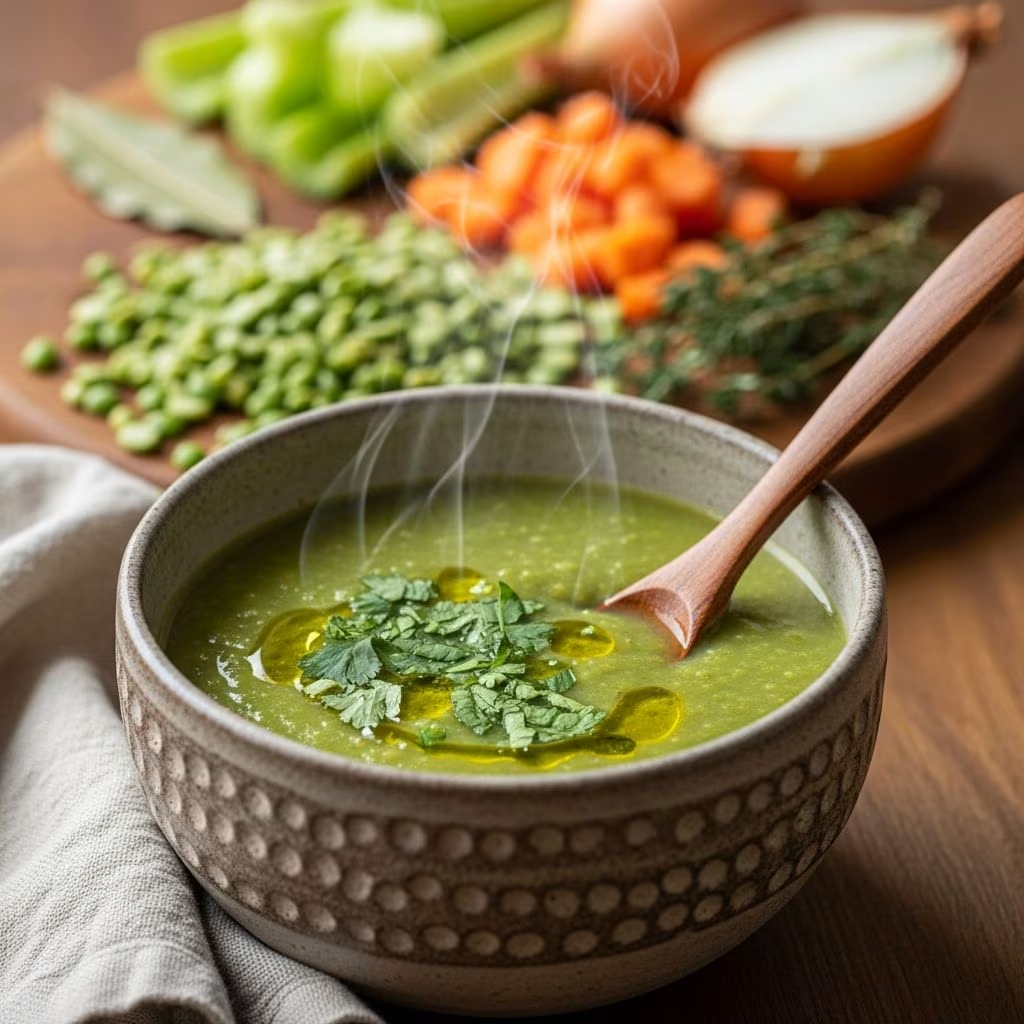
Split pea soup has long been celebrated as a warming, satisfying dish that brings together simple ingredients into something deeply nourishing. When prepared using plant-based ingredients, this classic preparation becomes an accessible option for vegans and vegetarians while maintaining the rich, comforting qualities that make this soup beloved across cuisines. The transformation from traditional preparations to vegan versions involves thoughtful ingredient substitutions and cooking techniques that preserve flavor depth while honoring dietary preferences.
Creating a successful vegan split pea soup requires understanding how different components work together. The natural starches in split peas create creaminess without dairy, while aromatics and seasonings build layers of flavor that make the finished dish feel indulgent despite its humble ingredient list. Whether you’re new to plant-based cooking or seeking to refine your technique, mastering this soup opens doors to countless variations and meal planning possibilities.
Understanding Split Peas and Their Culinary Properties
Green split peas, the foundation of this soup, are whole peas that have been dried and split naturally along their seam. This processing makes them faster-cooking than whole dried peas while maintaining their nutritional integrity. When simmered in liquid, split peas gradually soften and begin to break down, releasing starches that naturally thicken the soup without requiring cream, butter, or other animal products.
The structure of split peas means they don’t require pre-soaking before cooking, making them convenient for weeknight meal preparation. As they cook, they absorb the surrounding liquid while imparting a subtle, earthy flavor that serves as an ideal canvas for herbs, spices, and aromatic vegetables. The natural tendency of split peas to partially disintegrate during cooking creates a naturally thick consistency that feels luxurious on the palate.
Essential Ingredients and Their Functions
Building the Aromatic Base
The foundation of flavorful soup begins with aromatic vegetables that create depth before the main ingredients join the pot. Yellow onions provide a pungent sweetness when sautéed in olive oil, establishing the flavor foundation. The choice of yellow onions over milder white varieties brings sharpness that balances the inherent sweetness of split peas and carrots.
Garlic, when minced finely and sautéed briefly with onions, develops a mellow, sweet flavor that enhances overall complexity. Some preparations add celery to this aromatics mixture, contributing vegetal notes and additional umami depth. The sautéing process, typically lasting five to ten minutes over medium heat, allows these vegetables to soften slightly and release their aromatic compounds into the oil, creating a flavorful base for subsequent ingredients.
Supporting Vegetables
Carrots contribute natural sweetness and, when blended into the final soup, create creaminess through their natural pectin content. Using medium-sized orange carrots rather than specialty varieties ensures consistent color and predictable flavor development. Typically, two to three medium carrots, sliced or diced, provide adequate sweetness and texture to complement the soup’s body.
Some recipes incorporate potatoes, which add additional starch and contribute to the soup’s creamy texture. When included, russet potatoes provide more starch than waxy varieties, helping achieve a thicker, more luxurious mouthfeel. Potatoes are typically added midway through cooking rather than at the beginning, ensuring they cook through without becoming mushy.
Liquid Components
Vegetable broth forms the cooking medium, typically ranging from six to eight cups depending on desired consistency. Using homemade vegetable broth provides more control over sodium and flavor intensity, though quality store-bought versions work effectively. The broth should be flavorful enough to enhance rather than dilute the finished soup, making the choice of broth quality significant.
Some recipes add a splash of white wine or a tablespoon of Worcestershire sauce for additional depth and umami notes. These additions develop savory complexity that makes the soup taste more sophisticated than its ingredient list suggests. The alcohol in wine cooks off during the simmering process, leaving behind subtle flavor compounds.
Seasonings and Flavor Builders
Liquid smoke provides a smoky quality traditionally associated with ham-based split pea soups. A half teaspoon to one teaspoon typically suffices, as excessive liquid smoke can overwhelm the palate. This ingredient bridges the gap between vegan preparations and classic versions, providing familiar flavor notes for those transitioning to plant-based eating.
Dried herbs including thyme, marjoram, and oregano build aromatic complexity. These Mediterranean herbs complement the natural earthiness of split peas while adding warmth and depth. Bay leaves, added during cooking and removed before serving, infuse subtle flavor without leaving harsh traces. Black pepper provides gentle heat that enhances overall seasoning without overshadowing delicate flavors.
Smoked paprika, increasingly common in modern plant-based recipes, adds subtle smokiness and a warm color that makes the soup visually appealing. A teaspoon of smoked paprika mixed with sautéed aromatics before adding other ingredients distributes the flavor evenly throughout the soup.
Step-by-Step Preparation Method
Initial Preparation
Begin by rinsing dried split peas in a fine-mesh strainer under cool running water. This removes any debris or dust accumulated during storage and packaging. Sorting through the peas occasionally reveals small stones or damaged pieces that should be discarded. Some cooks prefer to soak peas briefly, though this step isn’t strictly necessary for split peas given their smaller size compared to whole legumes.
While peas drain, prepare vegetables by dicing yellow onions into quarter-inch pieces, mincing garlic finely, and chopping carrots into half-inch rounds or chunks. Consistency in vegetable sizing ensures even cooking throughout the pot. Celery, if used, should be chopped to similar sizes. Having all ingredients prepared before cooking—a technique called mise en place—allows for smooth workflow and prevents overcooking during ingredient additions.
Sautéing Aromatics
Heat two tablespoons of extra virgin olive oil in a large soup pot over medium-high heat. Once the oil shimmers, add diced onions and sauté for approximately ten minutes, stirring occasionally, until the onions become translucent and begin developing slight color at the edges. This gradual softening allows onion sugars to caramelize slightly, developing deeper flavor than raw onions would provide.
Add minced garlic and continue cooking for one to two minutes, stirring constantly to prevent burning. The garlic should soften and become fragrant without developing dark spots, which indicate bitter flavors developing. At this stage, add smoked paprika or other ground spices, stirring for another minute to bloom the spices and distribute them throughout the oil. This blooming process activates the aromatic compounds in dried spices, intensifying their contribution to the final dish.
Combining Ingredients and Initial Cooking
Add the rinsed split peas, chopped carrots, vegetable broth, bay leaf, and seasonings to the pot. Stir thoroughly to combine all components and ensure the liquid completely covers the peas. The mixture should come to a boil over medium-high heat, which typically takes five to ten minutes depending on the pot’s size and starting liquid temperature.
Once boiling, reduce the heat to low or medium-low and cover the pot with a lid. This covered simmering allows the peas to cook gently without excessive evaporation while steam helps soften the peas uniformly. The cooking time typically ranges from 1.5 to 2 hours, depending on the age of the peas and desired final texture.
Monitoring and Adjusting During Cooking
Every fifteen to twenty minutes, stir the soup gently to prevent peas from sticking to the pot bottom and to ensure even cooking. As the peas soften, they naturally release starches into the liquid, gradually thickening the soup. By the hour mark, the peas should be noticeably softer, and by ninety minutes, many should be beginning to disintegrate into the liquid.
The soup reaches desired consistency when split peas have largely broken down, creating a creamy base with some small pea pieces visible. If the soup becomes too thick before peas finish cooking, add additional broth in half-cup increments. Conversely, if liquid hasn’t reduced enough by the cooking time’s end, remove the lid for the final ten minutes to allow some evaporation.
Blending for Texture
After cooking completes, remove the bay leaf and allow the soup to cool slightly. Transfer the soup to a blender in batches, blending until smooth, or use an immersion blender directly in the pot for easier cleanup. The immersion blender approach allows better control over final texture—you can achieve completely smooth results or retain some texture by blending only partially.
If the soup seems too thick after blending, thin it gradually with additional vegetable broth until reaching desired consistency. Remember that the soup thickens slightly as it cools, so account for this when adjusting texture. Season with salt to taste after blending, as the boiling and simmering process may have concentrated existing salt.
Cooking Methods Comparison
| Method | Active Time | Total Time | Best For |
|---|---|---|---|
| Stovetop | 15 minutes | 1.5-2 hours | Traditional preparation with hands-on control |
| Slow Cooker | 15 minutes | 6-8 hours on low | Weekday meal planning when time is limited |
| Instant Pot | 15 minutes | 30-40 minutes total | Quick preparation for immediate consumption |
Ingredient Flexibility and Variations
Vegetable Adaptations
While the core recipe functions well with onions, carrots, and celery, additional vegetables can enhance the final dish. Diced bell peppers add sweetness and body without overwhelming the palate. Chopped tomatoes contribute acidity that brightens flavors. Mushrooms, particularly cremini or shiitake varieties, provide umami depth that mimics traditional meat-based soup complexity.
Leafy greens including spinach, kale, or collards can be stirred in during the final minutes of cooking or added after blending. These additions contribute nutritional density and visual appeal while maintaining the soup’s fundamental character. Hardy greens like kale should be added earlier to allow adequate cooking time, while delicate spinach requires only brief warming.
Seasoning Variations
Different herbs and spice combinations create distinct flavor profiles. Mediterranean preparations emphasize thyme, oregano, and rosemary with olive oil finishing touches. Indian-inspired versions incorporate cumin, coriander, and turmeric, often finished with coconut milk for richness. Middle Eastern adaptations feature mint, cinnamon, and warming spices that create complex, sophisticated flavors.
Smoked paprika remains flexible—increasing the quantity creates a more pronounced smoky flavor, while decreasing it allows other seasonings to shine. Miso paste stirred in at the end contributes fermented umami notes that enhance overall depth without creating identifiable flavors.
Serving Suggestions and Accompaniments
Vegan split pea soup pairs beautifully with crusty bread, allowing diners to dunk and create varied textures. Toasted whole grain bread provides substantial sides that complement the soup’s richness. Crackers add crunch that contrasts pleasingly with the soup’s smooth base.
Finishing touches elevate the dish presentation and flavor complexity. A drizzle of quality olive oil provides richness and visual appeal. Fresh herbs including parsley, thyme sprigs, or cilantro add brightness. Cracked black pepper, nutritional yeast, or smoked sea salt offer textural and flavor enhancements. Some preparations include sautéed vegetable garnishes or crispy herb-infused croutons.
Nutritional Considerations
Split peas provide substantial plant-based protein, typically offering six to eight grams per cooked cup. Combined with whole grain accompaniments, this soup creates a complete protein profile containing all essential amino acids. The fiber content supports digestive health, while the legume’s slow digestibility provides sustained energy release.
Green split peas contain iron, phosphorus, and B vitamins essential for plant-based diets. The inclusion of vitamin C-rich vegetables like carrots enhances iron absorption. The natural low fat content makes this soup suitable for various dietary approaches while remaining satisfying due to the protein and fiber combination.
Storage and Make-Ahead Strategies
Prepared split pea soup stores well in refrigerated containers for up to five days, making it ideal for meal preparation. The flavors actually deepen over storage days as ingredients continue infusing into the liquid. Before reheating, thin the soup with additional broth if the mixture has thickened excessively during storage.
For longer storage, freeze split pea soup in individual portions using freezer-safe containers or ice cube trays. Properly stored frozen soup keeps for up to three months. Thaw overnight in the refrigerator before reheating gently on the stovetop, or reheat directly from frozen by adding liquid gradually as the soup thaws.
Frequently Asked Questions
Why isn’t my soup becoming creamy?
Adequate simmering time allows split peas to fully break down and release starches. Ensure you’re cooking for at least 1.5 hours, and consider whether older peas might require additional time. Using an immersion blender breaks down peas more thoroughly than simply allowing them to soften naturally.
Can I prepare this soup in advance?
Yes, split pea soup actually improves when made a day ahead, allowing flavors to meld and develop. Store in airtight containers and reheat gently with additional broth if needed. Freezing works well for up to three months using proper storage containers.
How do I adjust seasoning if the soup tastes bland?
Taste and adjust salt gradually, remembering that additional salt intensifies all flavors. Adding acid through lemon juice or vinegar brightens flat-tasting soups. Smoked paprika or liquid smoke can be added even after cooking for additional depth.
What’s the best way to reheat frozen soup?
Thaw overnight in the refrigerator, then reheat gently on the stovetop over medium heat, stirring occasionally. Add broth gradually as the soup reheats to reach desired consistency. Avoid high heat, which can cause splattering and scorching.
Can I use red lentils instead of split peas?
Red lentils cook faster and break down more completely, creating a thinner soup requiring less blending. The final texture and appearance differ noticeably, though the fundamental technique remains similar. Cooking time reduces to approximately thirty to forty minutes.
Is liquid smoke necessary?
Liquid smoke adds traditionally associated flavors but isn’t essential. The soup remains delicious without it, though the smoky note many expect in split pea soup will be absent. Smoked paprika alone provides some smokiness without liquid smoke’s concentrated intensity.
Conclusion
Creating satisfying plant-based split pea soup requires understanding how simple ingredients transform through gentle cooking into something nourishing and deeply comforting. The natural properties of split peas—their tendency to soften and thicken liquids—work alongside aromatic vegetables and thoughtful seasonings to produce soup that satisfies both physically and emotionally. Whether you choose stovetop, slow cooker, or pressure cooker methods, the fundamental principles remain consistent: build flavor through aromatics, allow legumes adequate cooking time, and adjust texture and seasoning to your preferences. With practice and minor adjustments based on personal taste, this soup becomes a reliable foundation for countless variations, making it a valuable addition to any cook’s repertoire.
References
- Legume Nutritional Composition and Health Benefits — United States Department of Agriculture Agricultural Research Service. 2024. https://www.ars.usda.gov/
- Plant-Based Protein Completeness in Legume Combinations — Academy of Nutrition and Dietetics. 2025. https://www.eatrightpro.org/
- Vegetable Broth and Stock Preparation Standards — Culinary Institute of America. 2024. https://www.ciachef.edu/
- Iron Bioavailability in Plant-Based Diets — National Institutes of Health, Office of Dietary Supplements. 2024. https://ods.od.nih.gov/