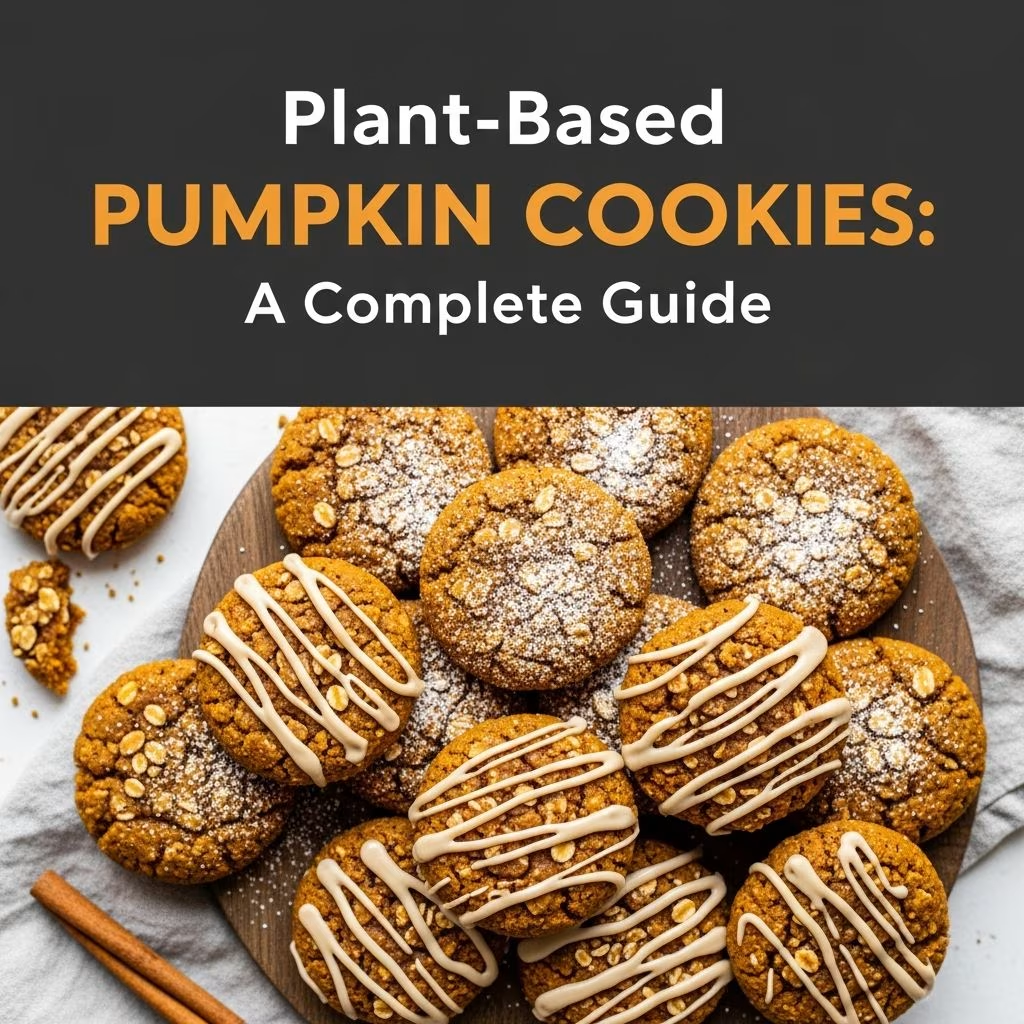
Vegan pumpkin cookies represent a delightful intersection of seasonal comfort and ethical eating. These treats deliver the warm spices and moist texture that define autumn baking, all while maintaining a completely plant-based foundation. Whether you follow a vegan lifestyle or simply want to explore dairy-free dessert options, these cookies offer a satisfying solution that doesn’t compromise on taste or texture.
The appeal of pumpkin-based cookies extends beyond dietary preferences. Pumpkin puree provides natural moisture and subtle sweetness that creates an ideal base for cookies with tender crumbs and rich flavor. When combined with plant-based butter and the right mix of spices, these cookies rival their traditional counterparts while offering additional nutritional benefits through added whole grains and seeds.
Understanding the Foundation: Core Ingredients
Creating exceptional vegan pumpkin cookies begins with understanding how each ingredient functions within the recipe. The foundation rests on a few essential components that work together to produce the desired texture and flavor profile.
The Role of Pumpkin Puree
Pumpkin puree serves as the cornerstone of these cookies, contributing both moisture and binding properties. Most recipes utilize between one-third to one-and-one-quarter cups of pure pumpkin puree, which replaces traditional eggs and adds natural sweetness. The moisture content in pumpkin helps create soft, chewy cookies rather than dry, crumbly ones. When selecting pumpkin puree, ensure you’re using unsweetened varieties rather than pie filling, which contains added sugar and spices that could throw off your recipe balance.
The density of pumpkin puree affects how your dough handles. Some bakers prefer to reduce their pumpkin slightly by cooking it in a skillet for a few minutes to remove excess moisture, resulting in a firmer dough that’s easier to portion. Others embrace the naturally sticky consistency as it contributes to the desired chewy texture.
Selecting Plant-Based Butter
Vegan butter functions as the primary fat source and must be softened before creaming with sugar. Quality matters significantly—reputable brands like Earth Balance, Miyoko’s, and Melt have earned recognition for their neutral flavor profiles and reliable baking performance. Using room-temperature butter ensures proper incorporation with sugar, creating the air pockets necessary for light, fluffy cookies.
The quantity of butter typically ranges from one-half to three-quarters cup per batch. This amount provides sufficient fat for proper browning and texture development while allowing the pumpkin flavor to remain prominent.
Sugar Components and Sweetness
Most successful recipes employ a combination of white granulated sugar and brown sugar. This dual-sugar approach offers multiple advantages: white sugar promotes spread and crispness at the edges, while brown sugar adds moisture and creates chewier centers. The typical ratio involves roughly equal amounts of each, though some recipes emphasize brown sugar for enhanced softness.
Alternative sweeteners such as coconut sugar can replace conventional sugars, creating a slightly different flavor profile while maintaining the binding and texture-developing properties necessary for proper cookie structure.
The Spice Profile: Creating Signature Flavor
The spice combination transforms simple cookie dough into something distinctly autumnal and memorable. The traditional pumpkin spice blend includes cinnamon, nutmeg, ginger, and cloves, though individual recipes often emphasize certain spices based on preference.
- Cinnamon forms the dominant spice, contributing warmth and familiarity to every bite
- Ground ginger adds subtle heat and complexity, preventing the cookies from tasting one-dimensional
- Nutmeg provides earthiness and depth, grounding the overall flavor
- Cloves, when used sparingly, offer subtle intrigue without overpowering other flavors
Pre-made pumpkin pie spice blends offer convenience, combining multiple spices in proper proportions. However, using individual spices allows for customization based on personal taste preferences. Some bakers increase ginger for additional warmth, while others reduce cloves if they find it too assertive.
Structural Ingredients: Flour and Leavening Agents
The dry ingredient combination determines how your cookies rise, spread, and hold together during baking. All-purpose flour provides the structural foundation, typically comprising between one-and-one-half to two-and-one-half cups per batch.
Baking soda and baking powder work in concert to create lift. Baking soda reacts with acidic components (the small amount present in pumpkin puree) while baking powder provides additional rise, particularly important in vegan baking where traditional leavening assistance from eggs is absent. The typical ratio involves one teaspoon of baking soda combined with one-half to one teaspoon of baking powder.
For those with gluten sensitivity, oat flour or a gluten-free all-purpose flour blend can replace traditional wheat flour. These alternatives may require slight adjustments to liquid ratios as they typically absorb moisture differently than conventional flour.
The Mixing Method: Achieving Perfect Texture
The process of combining ingredients significantly impacts final results. The proper sequence ensures even distribution while preventing overdevelopment of gluten that could create tough cookies.
The Creaming Stage
Begin by creaming softened vegan butter with both sugar types until the mixture becomes light and fluffy, typically requiring two to three minutes with an electric mixer. This process incorporates air into the butter, creating a cellular structure that promotes rise during baking. Hand mixing with a wooden spoon requires additional time and effort but produces comparable results.
Incorporating Wet Ingredients
Add pumpkin puree and vanilla extract to the creamed mixture, beating until fully combined. The mixture should appear smooth and uniform. Some bakers incorporate a splash of non-dairy milk to adjust consistency if the dough appears too thick, though this remains optional.
Dry Ingredient Integration
Combine flour, baking soda, baking powder, spices, and salt in a separate bowl before adding to the wet mixture. This pre-mixing ensures even spice distribution. Fold the dry ingredients into wet ingredients using gentle strokes to avoid overworking the dough. The mixture will appear sticky and soft—this is intentional and contributes to the desired chewy texture.
If the dough proves too sticky to handle, allowing it to rest at room temperature for thirty minutes can help firm it slightly without requiring additional flour, which would compromise moisture and tenderness.
Optional Additions and Creative Variations
The basic pumpkin cookie formula welcomes numerous additions that enhance flavor and nutritional value.
Chocolate Integration
Chocolate chips represent the most popular addition, contributing richness and textural contrast. Semi-sweet, dark, or dairy-free chocolate chips all work beautifully. Fold approximately one cup of chips into the finished dough, distributing them evenly throughout for consistent coverage in each cookie.
Seeds and Nuts
Pepitas (pumpkin seeds) add delightful crunch and reinforce the pumpkin flavor. Chopped walnuts or pecans introduce nutty notes and textural complexity. Almond butter mixed into the dough creates richness and helps bind ingredients when used as a partial flour replacement.
Frosting Options
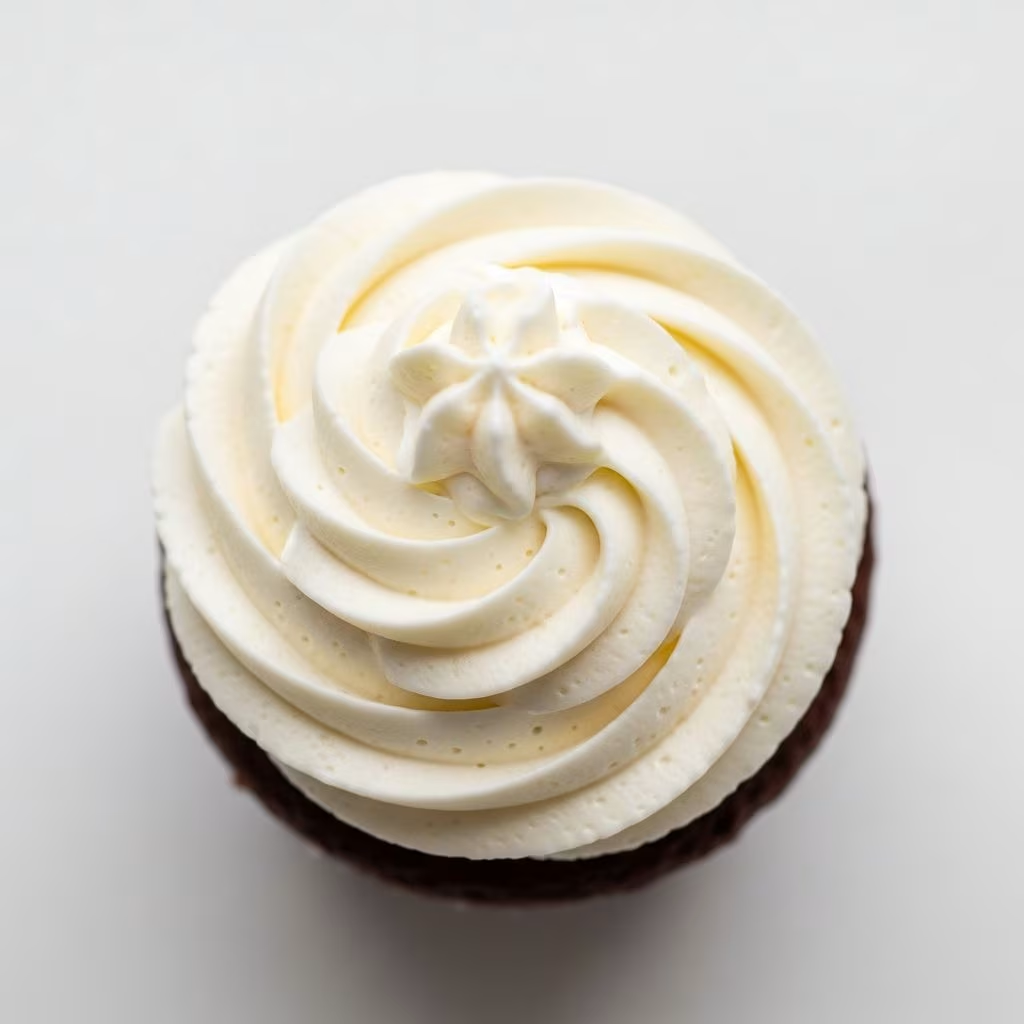
While delicious on their own, pumpkin cookies pair wonderfully with frosting. Vanilla icing made from vegan butter, powdered sugar, and non-dairy milk creates a classic finish. Dairy-free cream cheese frosting using plant-based cream cheese alternative offers tangy contrast to sweet cookies. These frostings can be spread directly on cooled cookies or used for sandwich-style cookie pairs.
Baking Techniques for Optimal Results
Proper baking temperature and timing ensure cookies achieve the desired balance between cakey and crispy.
Oven Temperature Considerations
Most pumpkin cookie recipes call for baking at 350°F, though some specify 375°F for slightly crisper edges. The lower temperature (350°F) promotes even cooking throughout and reduces burning risk, particularly important for cookies with additions like chocolate chips. Allow your oven to preheat fully before baking, as inconsistent temperature can result in uneven browning.
Cookie Sizing and Spacing
Cookie size affects baking time significantly. Standard cookies are typically formed using a two-tablespoon cookie scoop or similar measurement. Space cookies approximately two inches apart on parchment-lined baking sheets to allow for modest spreading without cookies touching. Clustering can result in unevenly baked batches where outer cookies brown rapidly while centers remain undercooked.
Duration and Doneness Indicators
Baking time ranges from ten to fifteen minutes depending on oven characteristics and cookie size. Cookies are finished when the edges develop a light golden-brown color while centers remain slightly soft to the touch. They will continue setting as they cool on the baking sheet, so slightly underbaking prevents hard, dry cookies. Remove from the oven when cookies appear just barely set in the center—they should have a slight jiggle remaining.
Cooling and Storage Strategies
Proper cooling and storage extend your cookies’ freshness and maintain optimal texture.
Initial Cooling Phase
Allow cookies to rest on the baking sheet for five minutes after removing from the oven. This brief rest allows the structure to set slightly before transfer. Use a spatula to carefully move cookies to wire racks for complete cooling, which typically requires thirty minutes to one hour depending on size.
Storage Methods
At room temperature, properly baked cookies remain fresh for three to four days in an airtight container. Storing cookies with a slice of bread helps maintain softness by adding moisture. For extended storage, freeze cookies in airtight containers for up to three months. Thaw at room temperature before serving, and cookies will regain their original texture.
Troubleshooting Common Issues
Understanding potential problems helps you refine your technique and consistently achieve excellent results.
| Issue | Likely Cause | Solution |
|---|---|---|
| Dry, cakey cookies | Overbaking or excess flour | Reduce baking time by one to two minutes; measure flour by spooning and leveling rather than scooping |
| Cookies spread too much | Dough too warm or butter too soft | Chill dough for fifteen to thirty minutes before baking; ensure oven temperature is accurate |
| Cookies don’t spread enough | Dough too thick or oven too cool | Verify oven temperature with thermometer; ensure butter was properly softened |
| Burning on edges while centers underbake | Oven temperature too high | Use oven thermometer to verify actual temperature; reduce to 325°F and extend baking time slightly |
| Bland flavor | Insufficient spice or old spices | Replace spices annually; increase pumpkin pie spice by half teaspoon; ensure vanilla extract is pure |
Nutritional Considerations and Ingredient Sourcing
Pumpkin cookies offer nutritional advantages beyond their delicious taste. Pumpkin puree provides beta-carotene and fiber, while plant-based butter eliminates cholesterol and saturated fat concerns associated with traditional dairy butter. Whole grain flour options increase nutritional density further.
Quality ingredient selection impacts both taste and nutritional profile. Organic pumpkin puree, unsweetened and sourced from reputable producers, ensures purity. Fair-trade chocolate and sustainably-harvested nuts contribute positively to both product quality and ethical considerations. Non-dairy milk alternatives like oat or almond milk offer familiar flavors and consistent results.
Scaling Your Recipe and Batch Preparation
The basic pumpkin cookie recipe typically yields two to three dozen cookies. Doubling the recipe requires only proportional increases to all ingredients—no technique adjustments are necessary. If planning a larger quantity, consider staggering baking in multiple batches rather than attempting to bake the entire amount simultaneously, which can result in uneven baking due to oven temperature variations.
Advance preparation is possible through dough freezing. Scoop dough into portions on parchment paper, freeze until solid, then transfer to freezer bags. Frozen portions can bake directly from the freezer with a two- to three-minute extension to baking time.
Frequently Asked Questions
Can I substitute canned pumpkin with fresh pumpkin puree?
Yes, though consistency may vary. Fresh puree often contains more moisture than canned versions. If using homemade puree, cook it briefly in a skillet to reduce excess liquid, then measure accordingly. Start with slightly less than the recipe calls for, as you can always adjust.
What if I don’t have pumpkin pie spice?
Create your own blend by combining one tablespoon cinnamon, two teaspoons ground ginger, one teaspoon nutmeg, and one-half teaspoon ground cloves. This approximates standard pumpkin pie spice proportions.
Are these cookies naturally gluten-free?
The base recipe uses all-purpose wheat flour, making them unsuitable for gluten-free diets. However, substituting gluten-free all-purpose flour blend works well—though results may be slightly denser. Add one-quarter teaspoon xanthan gum per cup of gluten-free flour to improve texture.
How can I make these cookies less sweet?
Reduce granulated sugar by one-quarter cup while maintaining brown sugar quantity. The brown sugar provides necessary moisture for proper texture while white sugar reduction decreases overall sweetness.
Can frozen cookie dough be baked without thawing?
Yes—add two to three minutes to baking time when baking from frozen. Monitor edges carefully to prevent burning before centers are fully set.
References
- Rainbow Nourishments – Vegan Pumpkin Cookies — Rainbow Nourishments. 2024. https://www.rainbownourishments.com/vegan-pumpkin-cookies/
- Best Vegan Pumpkin Cookies – Karissa’s Vegan Kitchen — Karissa’s Vegan Kitchen. 2024. https://www.karissasvegankitchen.com/vegan-pumpkin-cookies/
- The Best Vegan Pumpkin Cookies – Nora Cooks — Nora Cooks. 2024. https://www.noracooks.com/vegan-pumpkin-cookies/
- Soft Vegan Pumpkin Cookies – It Doesn’t Taste Like Chicken — It Doesn’t Taste Like Chicken. 2024. https://itdoesnttastelikechicken.com/soft-vegan-pumpkin-cookies/
- Vegan Pumpkin Chocolate Chip Cookies – Sweet Simple Vegan — Sweet Simple Vegan. 2024. https://sweetsimplevegan.com/pumpkin-chocolate-chip-cookies/