Vanilla malted hot beverages represent one of the most nostalgic and comforting drinks available for home preparation. These warm drinks combine the richness of malted milk powder with the aromatic essence of vanilla, creating a beverage that warms both body and soul during cold weather. Understanding the fundamentals of preparing these drinks opens up a world of possibilities for customization and personalization based on individual preferences and dietary requirements.
Understanding Malted Milk and Its Role in Hot Beverages
Malted milk powder serves as the foundation for creating authentic vanilla malted beverages. This ingredient brings distinctive toasted, slightly sweet notes that cannot be replicated through other means. The malting process, which involves soaking and drying grains before roasting, creates complex flavors that develop depth and character in hot drinks.
The choice of malted milk powder significantly impacts the final beverage’s flavor profile. Premium quality malted milk powders deliver superior taste compared to budget alternatives. The powder dissolves more smoothly when incorporated properly into warm liquids, ensuring a consistent and enjoyable drinking experience without grittiness or clumping.
Malted milk powder contains natural sugars and proteins that contribute to the drink’s body and mouthfeel. When combined with hot milk, these components create a naturally thicker beverage than regular milk alone would provide. This characteristic makes malted milk powder an ideal choice for those seeking more substantial hot beverages that satisfy both hunger and thirst.
Essential Ingredients for Authentic Preparation
Milk Selection and Preparation
The type of milk chosen for vanilla malted hot beverages fundamentally influences the final result. Whole milk creates the richest, most indulgent beverage due to its higher fat content, which contributes to creamy texture and enhanced flavor delivery. Whole milk also froths more effectively than lower-fat alternatives, making it the preferred choice for achieving that signature frothy texture.
Alternative milk options accommodate various dietary preferences and restrictions. Almond milk imparts subtle nutty undertones that complement the vanilla and malt flavors beautifully. Coconut milk introduces tropical sweetness that creates an entirely different sensory experience. Oat milk provides a naturally creamy base that rivals whole milk in texture while remaining suitable for plant-based diets. Each milk variety requires slight adjustments to ingredient proportions to achieve optimal flavor balance.
Vanilla as the Primary Flavor Driver
Vanilla essence or vanilla extract provides the aromatic foundation that distinguishes malted drinks from ordinary milk beverages. Vanilla bean offers superior flavor complexity compared to synthetic vanilla extracts, displaying nuanced sweetness with subtle floral undertones. The distinctive black specks of vanilla bean also provide visual appeal that enhances the drinking experience.
The quantity of vanilla requires careful calibration to avoid overwhelming other flavors. Approximately one teaspoon of vanilla essence per cup of milk provides balanced flavor without creating an excessive vanilla-forward profile. Vanilla bean steeping allows gradual flavor infusion, creating a more sophisticated and integrated taste experience.
Sweetening Options and Flavor Enhancement
Sugar varieties contribute distinctly different characteristics to finished beverages. White granulated sugar dissolves quickly and provides pure sweetness without additional flavor complexity. Brown sugar introduces molasses notes that deepen the beverage’s overall flavor profile, creating a warmer, more complex sweetness. Honey adds bold, vibrant taste dimensions while contributing subtle floral notes that elevate the entire drinking experience.
The optimal sweetness level varies according to personal preference and milk type selection. Whole milk’s inherent richness requires less additional sweetener than alternative milks. Starting with modest sweetener quantities and adjusting upward prevents creating overly sweet beverages that mask the delicate malt and vanilla flavors.
Spices for Warming and Complexity
Ground cinnamon introduces warm, earthy spice that complements vanilla and malt perfectly. Cinnamon’s slight astringency balances the drink’s sweetness while adding sophisticated flavor depth. A light sprinkle of cinnamon on the beverage’s surface creates appealing visual contrast and provides aromatic enhancement with each sip.
Other spices merit consideration for creative variations. Nutmeg offers warming properties with slightly bitter undertones that prevent excessive sweetness. Ginger introduces subtle heat and digestive benefits. Cardamom provides exotic, floral spice notes for those seeking adventurous flavor combinations.
Preparation Techniques for Optimal Results
Heating Methods
Microwave heating provides convenience and speed for busy households. Heating milk in a microwave-safe container for 60-90 seconds creates adequately warm milk without scorching. This method works particularly well for single servings and allows precise temperature control.
Stovetop heating offers greater control and prevents potential microwave-related issues. Pouring milk into a saucepan and heating over medium-low heat until steam rises from the surface creates ideal drinking temperature without excessive heat. Stovetop preparation allows monitoring for proper temperature and prevents accidental overheating that can damage milk proteins.
Creating the Signature Frothy Texture
Whisking remains the traditional method for creating frothy vanilla malted beverages. Transferring hot milk to a mixing bowl and vigorously whisking introduces air bubbles that create the characteristic frothy layer. Continued whisking for 30-60 seconds produces substantial foam that crowns the finished beverage.
Blender frothing provides an alternative technique for achieving similar results. Pouring half of the warm milk into a blender and pureeing for 20-30 seconds creates thick, stable foam that can be layered atop remaining warm milk. This method produces finer, more uniform bubbles compared to hand whisking.
Step-by-Step Preparation Instructions
- Heat the milk using preferred method (microwave or stovetop) until steaming but not boiling
- Transfer warm milk to a mixing bowl or blender-safe container
- Add measured malted milk powder according to desired intensity of malt flavor
- Incorporate vanilla essence or extract for aromatic flavor
- Add sweetener based on personal preference and milk type
- Whisk vigorously or blend to create frothy consistency throughout
- Pour into serving vessels carefully to preserve foam layer
- Top with cinnamon or preferred spice garnish
- Serve immediately while still steaming for optimal experience
Ingredient Comparison and Selection Guide
| Ingredient Category | Option 1 | Option 2 | Option 3 |
|---|---|---|---|
| Milk Base | Whole Milk (Creamiest) | Almond Milk (Nutty) | Oat Milk (Creamy) |
| Vanilla Source | Vanilla Bean (Premium) | Vanilla Extract (Convenient) | Vanilla Essence (Balanced) |
| Sweetener | White Sugar (Pure) | Brown Sugar (Molasses) | Honey (Complex) |
| Spice Garnish | Cinnamon (Traditional) | Nutmeg (Warm) | Cardamom (Exotic) |
Customization and Variation Possibilities
Chocolate Integration
Adding chocolate elements creates rich, complex beverages that appeal to those seeking indulgent treats. Melted chocolate drizzled on serving glass rims creates visual appeal and flavor depth. Chocolate-malt combinations evoke nostalgic candy bar flavors that many find extraordinarily satisfying.
Whipped Cream Enhancements
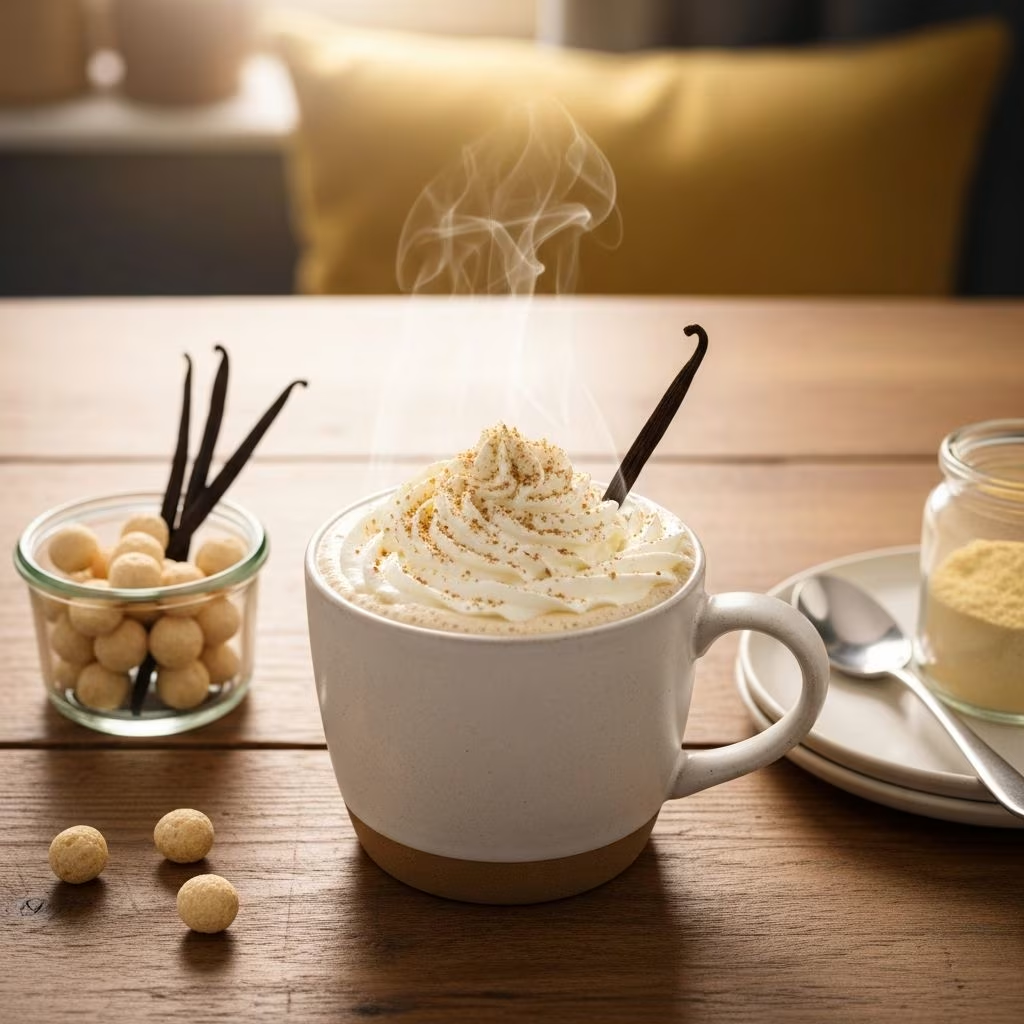
Homemade whipped cream elevates vanilla malted beverages from simple drinks to dessert-quality treats. Combining heavy cream with powdered sugar and vanilla extract creates luxurious topping that melts into the warm beverage below. Piping whipped cream through specialized bags creates attractive presentation.
Seasonal Flavor Adaptations
Winter seasons benefit from additional warming spices and richer milk selections. Spring preparations might incorporate lighter milk alternatives and floral vanilla bean accents. Summer variations could emphasize refreshing qualities through chilled preparation methods.
Nutritional and Health Considerations
Vanilla malted hot beverages provide satisfying comfort without excessive caloric burden. The protein content in malted milk powder supports satiety, making these drinks suitable as light meals or substantial snacks. Whole milk selections contribute calcium and vitamin D for bone health support.
Alternative milk choices accommodate lactose intolerance and vegan dietary preferences. Plant-based milk options typically contain added fortification with calcium and vitamin D, maintaining nutritional profiles similar to dairy selections. Those with specific dietary requirements should verify individual milk product nutritional labels.
Many consumers report improved sleep quality following vanilla malted beverage consumption. The combination of warm milk containing naturally occurring tryptophan with vanilla’s calming properties creates a beverage that promotes relaxation before bedtime. This characteristic makes vanilla malted drinks ideal evening beverages for those seeking natural sleep support.
Storage and Make-Ahead Strategies
Vanilla malted beverages deliver optimal quality when consumed immediately after preparation. However, prepared hot milk bases can be refrigerated for up to 24 hours in sealed containers. Reheating stored bases requires gentle warming over low heat while stirring occasionally to prevent separation.
Ingredient prep work enables faster beverage assembly during busy mornings. Combining malted milk powder, sugar, and cinnamon in sealed jars creates convenient grab-and-go portions. Measuring vanilla in advance and storing in small bottles streamlines preparation when time limitations exist.
Frequently Asked Questions
What distinguishes malted milk powder from instant milk powder?
Malted milk powder undergoes grain malting before processing, creating distinctive toasted and slightly sweet flavor notes absent in regular milk powders. The malting process develops complex taste dimensions that cannot be replicated through simple powdering.
Can vanilla malted beverages be prepared in advance?
While best consumed fresh, the warm milk base can be prepared several hours ahead and gently reheated before serving. Frothing should occur immediately before consumption to ensure optimal foam texture and stability.
How can excessive sweetness be prevented?
Begin with half the recommended sweetener quantity and adjust upward according to personal preference. Malted milk powder and whole milk provide natural sweetness that may eliminate the need for additional sugar entirely.
What milk temperature provides ideal drinking experience?
Approximately 150-160°F (65-71°C) creates comfortable drinking temperature without causing mouth irritation. Milk should steam gently without actively boiling.
Are dairy-free preparations equally satisfying?
Plant-based milk selections create delicious alternatives that many prefer to traditional dairy versions. Oat milk and coconut milk particularly excel in creating creamy textures and complementary flavor profiles.
Serving Suggestions and Presentation Tips
Serving vanilla malted beverages in heat-resistant glassware allows visual appreciation of the beautiful foam layer while maintaining comfort. Ceramic mugs provide excellent heat retention for extended drinking periods. Temperature-appropriate serving vessels ensure the beverage remains enjoyable throughout consumption.
Garnish choices significantly impact presentation appeal. Light cinnamon dust creates elegant visual contrast against cream-colored foam. Chocolate shavings, nutmeg sprinkles, or cocoa powder provide alternative garnish options that enhance both appearance and flavor complexity.
Pairing vanilla malted beverages with light baked goods creates satisfying combinations. Vanilla cookies, biscotti, or shortbread complement the vanilla-forward flavor profile beautifully. This pairing tradition harks back to classic afternoon tea traditions adapted for modern beverage preparation.
Troubleshooting Common Preparation Issues
Grittiness in finished beverages typically results from inadequate malted powder dissolution. Whisking longer or using a blender ensures complete powder incorporation before serving. Pre-mixing powder with small milk quantities before adding to larger volumes prevents clumping.
Insufficient froth development indicates inadequate whisking duration or temperature. Cold milk will not froth effectively, so ensuring proper heating before frothing proves essential. Vigorous whisking for extended periods develops better foam than gentle stirring.
Separated or curdled milk results from excessive heat during preparation. Maintaining gentle heating without boiling prevents protein damage. Stirring occasionally during heating promotes even temperature distribution and prevents hot spots that damage milk structure.
References
- Malted Milk Powder and Its Uses in Beverages — Nestlé Professional. 2023. https://www.nestleprofessional.com
- The Science of Milk Frothing and Temperature Control — Specialty Coffee Association. 2024. https://www.sca.coffee
- Vanilla Bean Characteristics and Flavor Profiles — International Vanilla Association. 2023. https://www.vanillagrowers.org
- Nutritional Content of Alternative Milk Products — USDA FoodData Central. 2025. https://fdc.nal.usda.gov
- Sleep Promotion Through Warm Milk Beverages — Sleep Research Institute. 2024. https://www.sleepresearch.org