Understanding the Foundation of Split Pea Soup
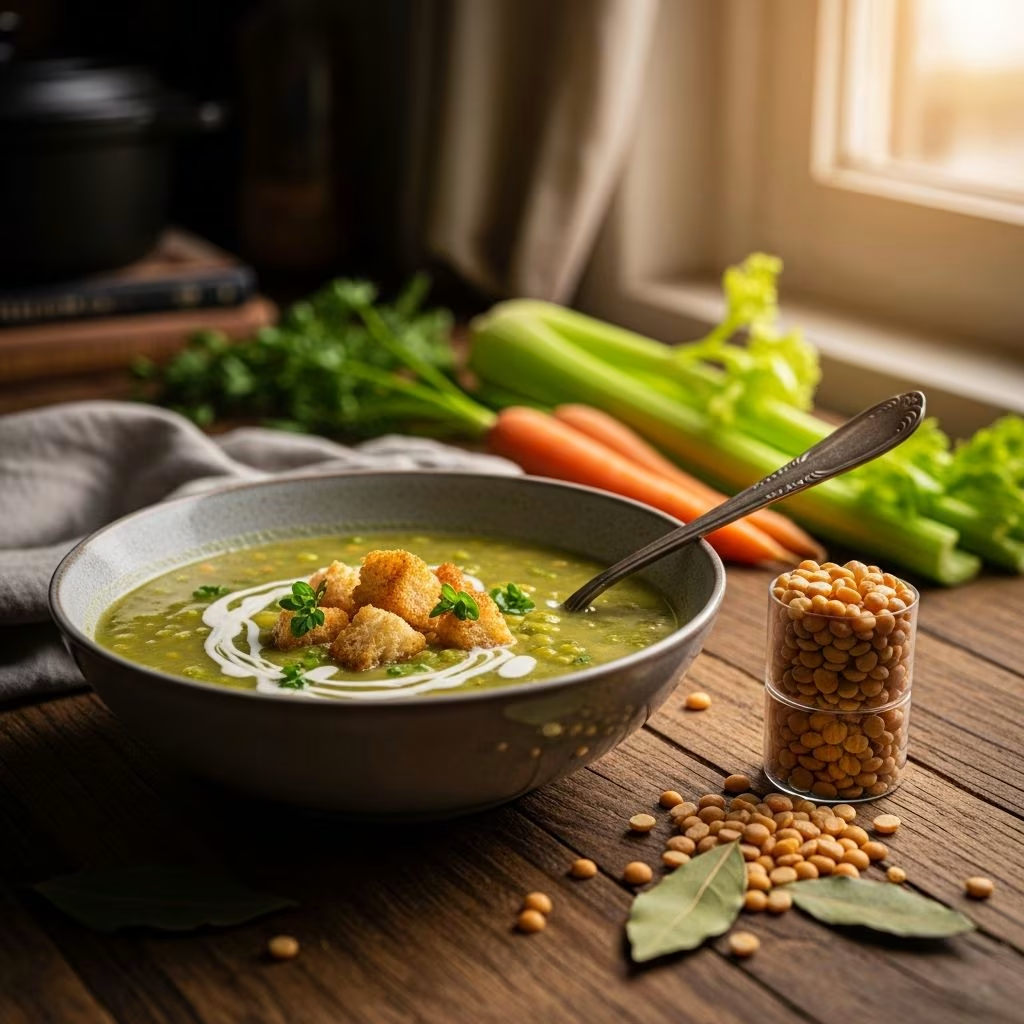
Split pea soup represents one of the most versatile and satisfying dishes in culinary tradition. This humble preparation transforms simple ingredients into a warming, nutrient-dense meal that has graced tables across countless cultures and generations. The beauty of split pea soup lies in its adaptability—it can serve as a vehicle for using leftover proteins, can be customized to accommodate dietary restrictions, or can be elevated through creative flavor additions and techniques.
The fundamental appeal of this soup rests in its ability to deliver comfort while offering substantial nutritional benefits. Split peas themselves are legumes rich in protein and fiber, making them an excellent foundation for both meat-based and vegetarian preparations. Whether you’re looking to create a traditional ham-based version, explore vegetarian interpretations, or experiment with international flavor profiles, split pea soup provides an excellent canvas for culinary exploration.
Selecting Quality Ingredients for Optimal Results
The Primary Component: Split Peas
Split peas come in two primary varieties: green and yellow. Green split peas tend toward a slightly sweeter flavor profile with a more delicate taste, while yellow split peas offer a more robust, earthy character. The choice between these varieties significantly influences the final soup’s flavor dimension. When purchasing split peas, look for packages with vibrant coloring and avoid any with visible discoloration or moisture damage, as these indicate potential storage issues that may affect cooking quality.
Before using dried split peas, rinse them thoroughly under cool running water. This simple step removes surface dust and any debris that may have accumulated during storage and packaging. Rinsing typically takes only a minute but substantially improves the final soup’s clarity and texture.
Protein Elements and Flavor Foundations
A ham bone or ham hock traditionally serves as the protein anchor in classic split pea soup preparations. These cuts provide deep, savory pork flavor that infuses throughout the cooking process while the soup’s liquid extracts gelatin and collagen from the bone, naturally thickening the preparation. When selecting a ham bone, choose one with visible meat still attached, as this contributes both flavor and substance to the finished dish.
For those preferring vegetarian preparations, vegetable broth replaces chicken or meat-based stock, while plant-based proteins or additional legumes can provide textural depth and nutritional completeness. Some preparations incorporate smoked paprika or liquid smoke to replicate the savory, smoky dimensions typically provided by ham.
The Aromatic Vegetable Foundation
The combination of onions, carrots, and celery—known in culinary circles as mirepoix—forms the aromatic base that elevates split pea soup from simple to sophisticated. These vegetables, when diced to roughly uniform sizes, cook evenly and break down into the soup, contributing subtle sweetness, body, and complexity.
Garlic adds another essential aromatic layer, introduced after the initial mirepoix cooking to prevent burning and to preserve its pungent, fresh qualities. Fresh herbs like thyme or bay leaves contribute subtle botanical notes that complement the soup’s earthiness without overwhelming its essential character.
Fundamental Preparation Techniques
Initial Vegetable Preparation
The cooking process begins with gentle sautéing of the mirepoix vegetables in either butter or oil over medium heat. This foundational step, lasting approximately 8-10 minutes, allows the vegetables to soften and release their essential oils, creating an aromatic base that permeates the entire soup. The gentle heat prevents caramelization at this stage, preserving the vegetables’ delicate flavors for integration into the broth rather than developing deep, roasted notes.
Adding minced garlic after the initial vegetables have begun softening ensures it reaches full fragrance without burning. Burning garlic introduces unpleasant bitter notes that compromise the entire preparation, making careful timing essential.
The Simmering Process
Once the peas, broth, water, and seasoning components are combined, the mixture is brought to a rolling boil, then reduced to a gentle simmer. This transition from boil to simmer represents a critical juncture—maintaining appropriate heat allows the peas to break down gradually while the broth develops depth and body. The typical simmering duration ranges from 50 minutes to 2 hours, depending on the specific recipe and desired consistency.
Occasional stirring during the simmering process prevents sticking on the pot’s bottom while encouraging even cooking and gradual thickening. Many preparations benefit from covering the pot during initial simmering to retain moisture, then removing the cover as the soup reaches desired consistency.
Exploring Textural Variations
Chunky, Rustic Preparations
Many traditional recipes produce a thick, chunky soup where split peas break down partially but retain visible texture and substance. This style celebrates the individual ingredient identities while creating a hearty, satisfying eating experience. Potatoes and diced ham remain visible throughout, contributing varied textures and flavors with each spoonful.
Smooth, Velvety Approaches
Alternative techniques employ immersion blenders or traditional blenders to puree the soup into a smooth, luxurious consistency. This approach emphasizes the peas’ natural creaminess, transforming them into a silken base while still maintaining vegetable pieces for textural contrast. Pureeing is particularly popular in Lebanese preparations, which often incorporate lemon juice to brighten the creamy base and provide acidic counterbalance.
Comparative Cooking Methods
| Cooking Method | Duration | Best For | Key Advantages |
|---|---|---|---|
| Stovetop Simmering | 1.5-2 hours | Traditional, hands-on cooking | Greater control over consistency; quick adjustments possible |
| Slow Cooker | 5-6 hours on low | Minimal active preparation | Hands-off cooking; deep flavor development; convenient timing |
| Pressure Cooker | 25-30 minutes | Time-constrained preparation | Significantly reduced cooking time; fuel efficiency |
International Flavor Interpretations
Mediterranean and Middle Eastern Influences
Lebanese green split pea soup demonstrates how cultural influences transform the basic preparation into something distinctly different. These versions incorporate ground cumin, cayenne pepper, and fresh lemon juice, creating a lighter, brighter soup that emphasizes spice and acidity over richness. Potatoes provide body and starch, while fresh parsley and optional za’atar garnish add herbaceous notes and textural contrast.
This approach emphasizes vegetable components and spice layers, resulting in a more delicate soup that showcases individual ingredients rather than a unified, blended character. The addition of lemon juice near the end of cooking brightens flavors and prevents darkening of the peas during extended simmering.
Nutritional Contributions and Health Considerations
Split peas deliver substantial nutritional benefits, providing approximately 8 grams of protein and 7 grams of fiber per cooked cup. This macronutrient profile contributes to satiety and sustained energy release, making split pea soup an excellent lunch or dinner option. The combination of plant-based protein with vegetables creates a nutritionally complete meal, particularly when supplemented with whole grain bread or crackers.
The vegetable components contribute vitamins, minerals, and phytonutrients while adding volume and water content, which supports hydration and fullness without excess calories. Slow-cooked preparations that extract gelatin and collagen from ham bones provide additional amino acids and joint-supporting compounds.
Flavor Enhancement and Seasoning Strategies
Fundamental Seasoning Elements
Bay leaves and fresh thyme represent the foundational seasoning approach in most classic preparations. These dried or fresh herbs impart subtle botanical character without overwhelming the peas’ natural earthiness. Salt and pepper require careful attention, as split peas absorb salt gradually during cooking, and aggressive early salting can inhibit proper softening.
Advanced Flavor Development
Beyond traditional herbs, various preparations explore additional seasoning dimensions. Ground cumin introduces warmth and earthiness, while cayenne pepper or other chili varieties add gentle heat and complexity. Smoked paprika or liquid smoke contributes savory, smoky dimensions for vegetarian preparations. Fresh citrus juice—particularly lemon or lime—brightens the soup’s character and prevents the slightly flat flavor that extended cooking can produce.
Frequently Asked Questions
Do split peas require soaking before cooking?
Unlike some dried legumes, split peas typically do not require extended soaking. A brief rinse under cool water suffices for most preparations. Some recipes incorporate a quick soak in hot water for 15-30 minutes, which can slightly accelerate the cooking process, but this step remains optional rather than essential.
Can split pea soup be frozen for future use?
Yes, split pea soup freezes exceptionally well for up to three months when stored in airtight containers. Slightly undercooking the preparation before freezing prevents mushiness upon reheating. Thaw overnight in the refrigerator and reheat gently on the stovetop, adding broth or water if additional moisture is needed.
What causes split pea soup to become too thick?
Extended cooking and the peas’ natural starch content cause progressive thickening. If the soup becomes thicker than desired, simply whisk in additional broth or water in small increments until achieving the preferred consistency. This flexibility allows customization from hearty, stew-like preparations to lighter, brothier versions.
Are there effective vegetarian alternatives to ham bone?
Vegetable broth serves as a direct replacement for meat-based stock, while smoked paprika or liquid smoke provides the savory, smoky dimensions traditionally contributed by ham. Nutritional yeast, miso paste, or soy sauce can enhance umami depth. Some preparations incorporate additional vegetables or mushrooms to create a more substantial foundation.
Storage and Make-Ahead Strategies
Split pea soup develops deeper flavors after a day or two of refrigeration, as ingredients continue melding and flavors intensify. Store in airtight containers in the refrigerator for up to five days, or freeze for extended storage. The soup naturally thickens during refrigeration due to continued starch gelation, so plan to thin with broth during reheating if necessary.
Preparing split pea soup several days in advance of serving represents an excellent meal preparation strategy. The minimal reheating requirements and improved flavor profile make it an ideal option for busy schedules or advance entertaining.
Serving Suggestions and Complementary Accompaniments
Split pea soup pairs beautifully with crusty bread, allowing diners to soak up remaining broth. Whole grain crackers, cornbread, or rolls provide textural contrast to the soup’s silken character. Fresh parsley garnish adds color and herbaceous brightness, while additional protein can be offered separately for those desiring extra substance.
For entertaining, consider offering accompaniments such as croutons, crispy bacon pieces, or herb oils that allow guests to customize their experience. Grated cheese or sour cream provide optional richness for those interested in additional indulgence.
References
- Split Pea Soup Recipe — The Gracious Wife. Retrieved April 2026. https://www.thegraciouswife.com/split-pea-soup/
- Classic Split Pea Soup — Downshiftology. Retrieved April 2026. https://downshiftology.com/recipes/split-pea-soup/
- Lebanese Green Split Pea Soup Recipe — Yup It’s Vegan. Retrieved April 2026. https://yupitsvegan.com/lebanese-green-split-pea-soup/