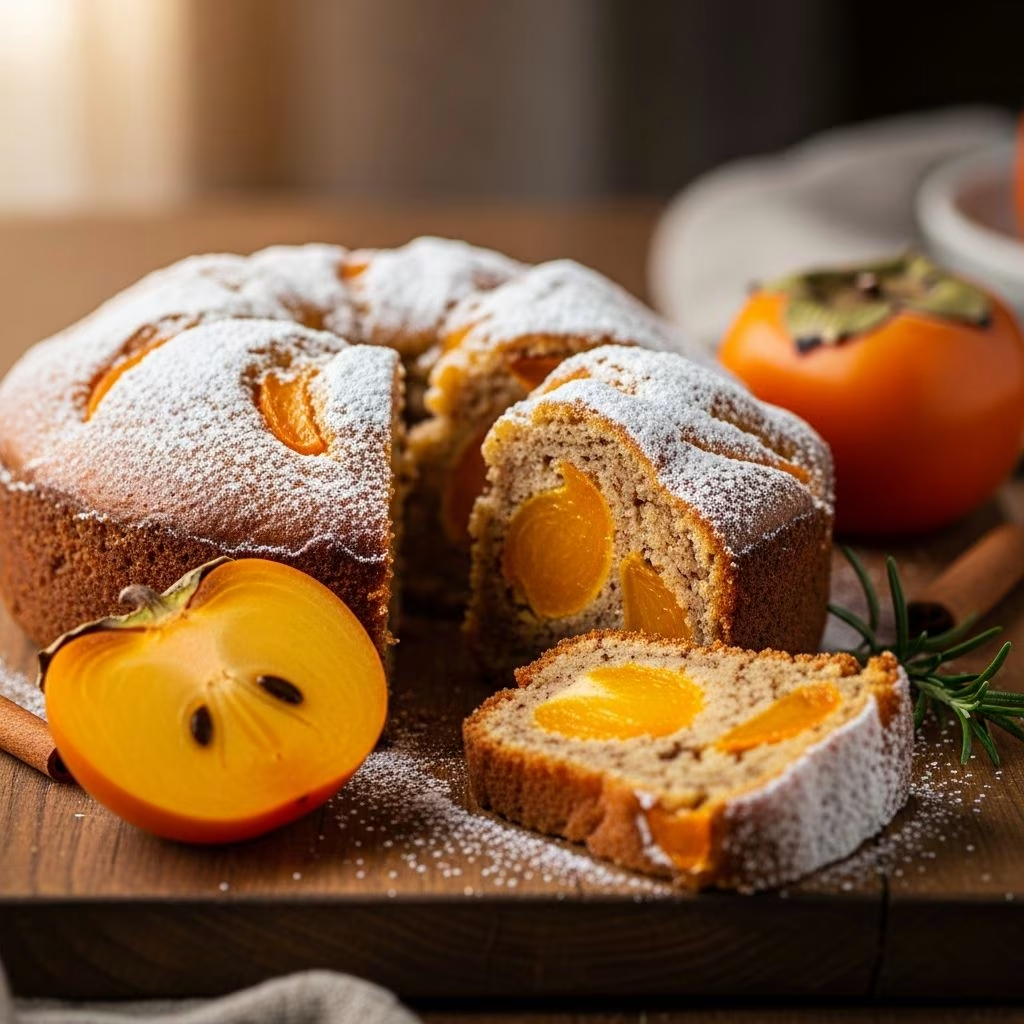
Persimmon cake represents one of autumn’s most treasured baking traditions, offering a unique combination of warm spices, natural sweetness, and moist texture that appeals to both novice and experienced bakers. This fruit-based dessert showcases the subtle flavor profile of persimmons while delivering consistent results when proper techniques are followed. Understanding the fundamentals of persimmon cake preparation transforms an ordinary baking project into a culinary achievement that impresses family and friends alike.
Understanding Persimmons for Baking Applications
The foundation of successful persimmon cake begins with selecting the appropriate fruit variety and ripeness level. Two primary persimmon varieties serve distinct purposes in baking contexts, each with specific characteristics that influence final cake texture and flavor intensity.
Fuyu persimmons represent the non-astringent category, remaining firm even when ripe and suitable for applications requiring structured fruit pieces. These varieties maintain their shape when sliced and work exceptionally well for decorative cake toppings or upside-down cake presentations. The firm texture of Fuyu persimmons allows bakers to create visually appealing arrangements without fruit disintegration during the baking process.
Hachiya persimmons belong to the astringent classification and develop a softer, pulpier consistency as they mature. These fruits reach optimal baking condition only when exceptionally ripe, displaying a deep orange hue and offering minimal resistance when gently pressed. The soft texture of Hachiya persimmons makes them ideal for puree production, as they blend effortlessly into smooth, homogeneous mixtures essential for traditional persimmon cake batter.
Regardless of variety selection, persimmons destined for cake baking should display a rich, deep orange coloration indicating adequate sugar development and ripeness. Underripe fruits yield suboptimal sweetness and may introduce unwanted astringency to finished cakes, while overripe specimens occasionally harbor fermentation flavors that compromise cake quality.
Essential Ingredients and Their Functions
Persimmon cake composition relies on carefully balanced ingredient interactions that create moisture, structure, and flavor complexity. Each component serves a distinct purpose within the batter system, and understanding these roles enables successful recipe modifications and troubleshooting.
Wet Ingredients and Binding Elements
Fat sources, whether butter or olive oil, contribute to cake moisture retention and textural richness. Butter at room temperature creates structure through proper creaming with sugar, while alternative fats like olive oil or ghee produce denser crumb structures reminiscent of European-style cakes. The fat-to-flour ratio significantly influences final cake density, with higher fat proportions yielding moister, more tender crumbs.
Eggs function as primary binding agents while contributing leavening power through incorporated air during mixing. These proteins stabilize the batter structure and facilitate proper moisture distribution throughout the cake during baking. Most persimmon cake recipes incorporate between one and three eggs, with larger quantities supporting additional moisture from persimmon puree.
Persimmon puree represents the signature wet ingredient, introducing both moisture and natural sugars to the batter. Properly prepared puree should achieve a smooth, homogeneous texture free from fibers or pulp inconsistencies. The pureed fruit contributes subtle flavor notes while moderating the cake’s sweetness requirements compared to cakes relying solely on granulated sugar.
Dry Ingredients and Structure Development
All-purpose flour provides the primary structural matrix for cake crumb formation. The flour’s protein content, typically between 10-12%, develops gluten networks that trap moisture and gas bubbles created by leavening agents. Proper flour measurement using weight-based methods rather than volume techniques ensures consistent results across multiple baking sessions.
Leavening agents including baking soda and baking powder create the gas bubbles responsible for cake rise and light crumb structure. Baking soda reacts immediately with acidic components in persimmon puree and buttermilk, requiring prompt batter transfer to prepared pans. Baking powder, functioning through dual-action mechanisms, provides leavening both during batter preparation and throughout the baking process.
Warm spices including cinnamon, nutmeg, ginger, and clove enhance the cake’s autumn character while complementing persimmon’s subtle flavor profile. These warming spices introduce complexity and perceived sweetness without additional sugar incorporation. Salt amplifies flavor intensity while balancing sweetness perception, making its inclusion essential rather than optional.
Step-by-Step Baking Methodology
Success in persimmon cake baking depends on sequential execution of carefully defined procedures. Deviation from established methodology frequently results in textural or structural compromises.
Preparation and Oven Setup
Preheating the oven to 350°F (175°C) establishes consistent baking temperature crucial for proper cake development. Simultaneous pan preparation using parchment paper lining and light greasing prevents sticking while enabling easy cake removal. Standard rectangular baking pans measuring 9×13 inches accommodate typical persimmon cake batches, though loaf pans or round cake pans accommodate alternative presentations.
Batter Development Process
Combining butter and sugar through creaming introduces air while creating an emulsion that distributes throughout the batter. This initial step, continuing for approximately 2-3 minutes, produces a light, fluffy mixture visibly transformed from starting ingredients. Proper creaming cannot be underestimated, as inadequate aeration compromises final cake texture.
Adding eggs individually while maintaining mixer speed ensures proper emulsification and consistent incorporation. This methodical approach prevents batter separation and promotes uniform cake structure development. Following egg addition, persimmon puree combines with milk to create the wet ingredient mixture.
Dry ingredient combination in a separate bowl prevents premature leavening agent activation. Whisking flour, baking soda, baking powder, salt, and spices together distributes these components uniformly throughout the mixture. Gradual dry ingredient integration into wet ingredients, performed through gentle folding rather than aggressive mixing, prevents gluten overdevelopment that produces tough, dense cakes.
Baking and Doneness Assessment
Most persimmon cakes require 60-70 minutes of baking time at 350°F, though precise duration depends on pan size and oven characteristics. Toothpick testing represents the most reliable doneness indicator, with clean or minimally crumb-coated picks indicating adequate baking. Internal cake temperature reaching 205-210°F also confirms complete baking.
Early cake browning accompanied by underbaked centers indicates excessive oven temperature. Adjusting the oven temperature downward by 25°F while extending baking time resolves this common issue. Conversely, pale cakes after extended baking suggest insufficient oven temperature requiring upward adjustment.
Variations and Creative Adaptations
Traditional persimmon cake recipes accommodate numerous modifications enabling customization to dietary preferences and ingredient availability.
Texture and Presentation Alternatives
Upside-down cake preparations feature caramelized persimmon slices arranged on batter before baking, creating an impressive presentation upon inversion. This technique combines spiced cake with caramelized fruit toppings enhanced through maple syrup or butter-based sauces. Citrus elements including orange juice and zest complement persimmon’s subtle sweetness while adding brightness to overall flavor profiles.
Loaf cake configurations transform traditional rectangular persimmon cakes into portable, gift-friendly presentations. These narrower, elongated forms encourage more uniform baking and simplified slicing. Mini loaf pan options accommodate approximately 45 minutes of baking time compared to standard pans requiring 60+ minutes.
Ingredient Substitutions and Dietary Modifications
Specialty flour options including spelt flour, almond flour, and gluten-free blends create texture variations while accommodating dietary restrictions. Spelt flour introduces slightly nuttier flavor profiles with reduced gluten development compared to all-purpose flour. Almond flour additions increase moisture and richness while contributing subtle nutty undertones.
Fat alternatives including olive oil and ghee produce different crumb structures than traditional butter-based recipes. Olive oil cakes develop tender, nearly velvety crumbs with extended shelf life compared to butter-based versions. These fat substitutions require no recipe adjustments beyond simple ingredient swapping in equal volumes.
Nut and dried fruit inclusions enhance complexity while increasing textural interest. Walnuts contribute earthy undertones complementing persimmon’s delicate flavor, while raisins add natural sweetness and chewy texture throughout the cake. These additions integrate seamlessly into basic recipes through simple folding before baking.
Troubleshooting Common Baking Challenges
Even experienced bakers encounter occasional difficulties requiring diagnostic analysis and corrective action.
- Dense, Heavy Cake Crumb: Insufficient creaming of butter and sugar, overmixing after flour addition, or excessive flour measurement produces dense structures. Remedy through adequate creaming duration and gentle dry ingredient incorporation.
- Dry Cake Texture: Overbaking, inadequate fat content, or excessive flour creates moisture loss. Monitor baking time carefully and consider ingredient ratio adjustments in subsequent attempts.
- Sunken Center or Uneven Baking: Oven temperature inconsistencies or premature pan movement during baking cause structural collapse. Maintain steady oven temperature and avoid opening oven doors during baking.
- Batter Separation: Rapid egg addition without adequate beating or temperature extremes cause emulsion breakdown. Add eggs gradually while maintaining mixer speed and ensure all ingredients reach room temperature before combining.
- Excessive Browning: Oven temperature exceeds recipe specifications or cake position too close to heating elements causes rapid browning. Reduce oven temperature by 25°F and center rack positioning in oven.
Storage and Serving Recommendations
Proper storage extends persimmon cake enjoyment while maintaining optimal texture and flavor. Room temperature storage in airtight containers preserves moisture for 2-3 days, while refrigeration extends shelf life to approximately one week. Freezer storage accommodates up to three months when cakes are properly wrapped in plastic film and placed in airtight containers.
Serving recommendations enhance the eating experience significantly. Slightly warmed cake paired with vanilla ice cream or whipped cream creates indulgent dessert presentations. Serving at room temperature emphasizes subtle spice notes and natural persimmon flavor, while chilled cake offers refreshing textural contrast.
Frequently Asked Questions About Persimmon Cake
Can I Use Frozen Persimmons for Cake Baking?
Frozen persimmons that have been properly thawed yield acceptable results, though fresh fruit generally produces superior flavor intensity. Freezing alters cellular structure slightly, potentially increasing moisture content. Compensate by reducing added milk quantities if using previously frozen persimmons.
What Consistency Should Persimmon Puree Achieve?
Properly prepared persimmon puree should match banana bread or zucchini bread batter consistency—smooth enough to pour yet thick enough to maintain structure. If excessive thinness develops, reduce milk additions accordingly. Excessively thick puree requires modest milk supplementation for proper batter consistency.
Which Persimmon Variety Produces Superior Baking Results?
Hachiya persimmons deliver optimal results for traditional persimmon cake recipes requiring puree. Their soft texture blends seamlessly while developing deeper flavor profiles. Fuyu persimmons excel in upside-down cake preparations where visual presentation and firm fruit structure take precedence.
How Does Pan Size Influence Baking Time?
Smaller pans concentrate batter depth, requiring extended baking times compared to shallow rectangular pans. Mini loaf pans demand approximately 45 minutes while standard 9×13 inch pans require 60-70 minutes. Monitor cakes closely using visual cues and toothpick testing rather than relying exclusively on recipe timing.
Can Persimmon Cake Recipes Accommodate Vegan Modifications?
Vegan persimmon cakes require egg and dairy substitution through plant-based alternatives including flax eggs, aquafaba, and non-dairy milk options. Results generally match traditional cakes, though texture characteristics may shift subtly depending on specific substitutions employed.
References
- All-Purpose Flour: Composition and Baking Properties — King Arthur Baking Company. 2024. https://www.kingarthurbaking.com/learn/ingredients/all-purpose-flour
- Fruit Ripeness Standards and Selection Guidelines — United States Department of Agriculture. 2023. https://www.usda.gov/topics/fruits-vegetables
- Baking Soda vs. Baking Powder: Understanding Leavening Agents — University of Nebraska-Lincoln Extension. 2022. https://extension.unl.edu/
- Egg Function in Baking: Binding, Emulsifying, and Leavening Properties — American Egg Board. 2023. https://www.aeb.org/foodservice
- Proper Creaming Technique for Optimal Cake Structure — Serious Eats. 2024. https://www.seriouseats.com/
- Storage Methods and Shelf Life Extension for Baked Goods — Food Safety and Inspection Service, USDA. 2023. https://www.fsis.usda.gov/food-safety
- Gluten Development and Overmixing: Impact on Cake Texture — Journal of Culinary Science & Technology. 2022. https://www.tandfonline.com/