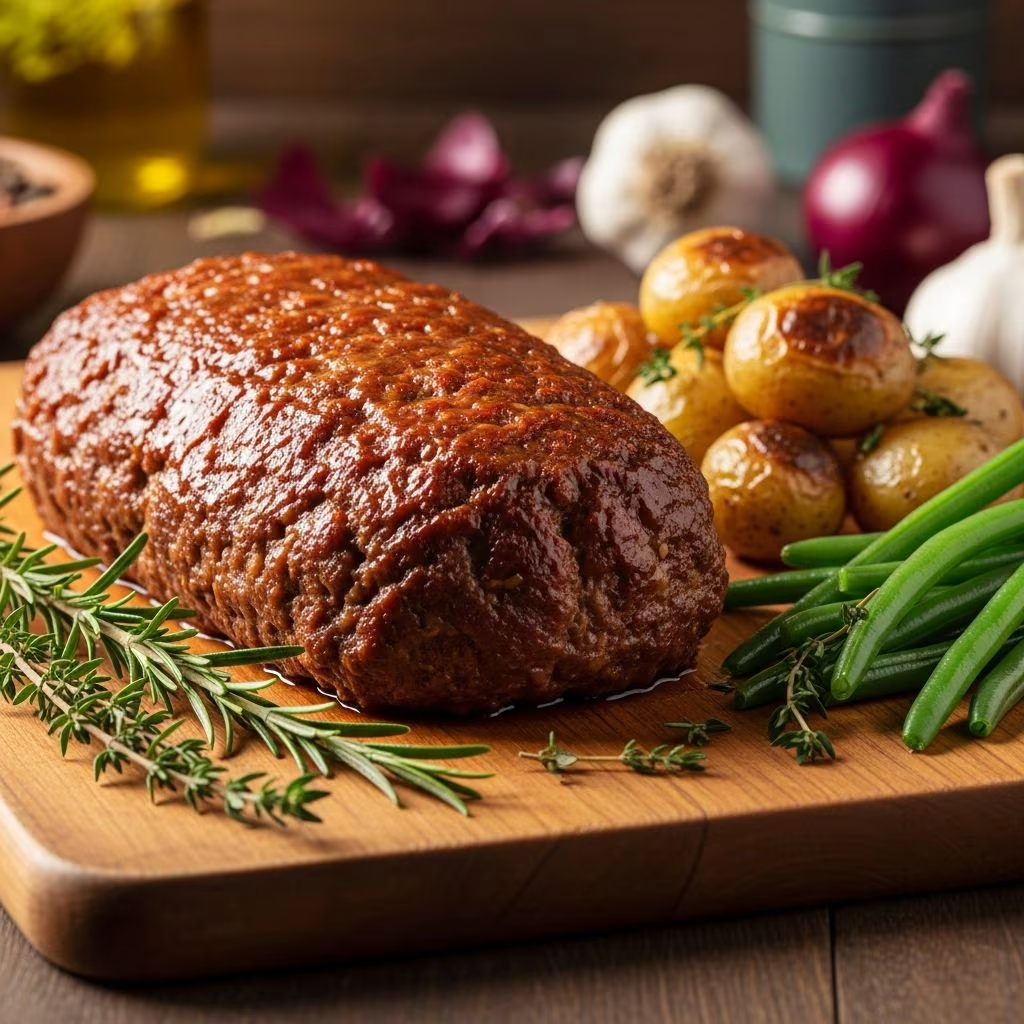
Ground beef loaf represents one of the most reliable comfort food options for families seeking a satisfying meal that doesn’t demand extensive preparation or specialized cooking knowledge. This traditional dish combines humble ingredients into something far greater than the sum of its parts, delivering warmth, nutrition, and genuine flavor that appeals across generations. Whether you’re cooking for a family of four or planning leftovers for the week ahead, understanding the fundamentals of this dish transforms it from a basic dinner solution into a genuinely enjoyable culinary experience.
Understanding the Foundation of Ground Beef Loaf
At its core, a ground beef loaf depends on the quality and proportion of its primary ingredient. The meat itself should ideally contain enough fat content to remain moist during baking without becoming greasy—an 80/20 ratio of lean meat to fat represents the sweet spot for most home cooks. This balance ensures the finished loaf maintains tenderness throughout the cooking process while developing appealing browning on the exterior.
The binding components play an equally crucial role in the final texture. Breadcrumbs serve as an absorptive agent, helping distribute moisture evenly throughout the loaf while preventing it from becoming dense or compact. Eggs contribute both binding power and structural integrity, ensuring clean slices when serving. Together, these elements prevent the meat from compacting too tightly, which would result in an unpleasantly dense final product.
Ingredient Selection and Preparation Strategies
The Protein Foundation
Begin with two pounds of ground beef as your base, ensuring it’s recently purchased and kept cool until mixing time. The meat quality directly influences the loaf’s final flavor and texture profile. Consider purchasing ground beef from your butcher’s counter rather than pre-packaged options, as fresher meat often delivers superior results.
Aromatics and Seasonings
Onions and garlic provide aromatic depth that elevates the dish beyond simple seasoning. Fresh onions should be finely minced to distribute evenly throughout the mixture, creating consistent flavor in every bite. Garlic powder offers convenience while delivering concentrated flavor without the texture considerations of fresh garlic pieces. Additional seasonings might include:
- Italian seasoning for herbaceous notes
- Worcestershire sauce for umami complexity
- Fresh or dried parsley for brightness
- Salt and freshly ground pepper to taste
The Binding Agent
Panko breadcrumbs provide superior texture compared to standard breadcrumbs, creating a lighter crumb structure. Many recipes combine breadcrumbs with milk or an egg mixture before adding to the meat, reducing the mixing time required with the raw meat itself. This technique helps preserve the loaf’s tender quality by minimizing mechanical manipulation of the ground beef.
Essential Mixing Techniques for Optimal Texture
The most critical factor separating a tender loaf from a tough, dense result lies in mixing methodology. Overworking ground beef develops gluten strands in the breadcrumbs and compacts the meat structure, resulting in an unpleasantly firm texture when sliced. To prevent this common pitfall, combine all ingredients using gentle folding motions rather than vigorous stirring. Use your hands for mixing, as they allow better control and gentler handling of the meat mixture.
A practical approach involves pre-mixing the wet and dry components separately before combining them with the meat. This strategy reduces the total mixing time required with the raw beef, automatically protecting against overdevelopment. Wet ingredients—eggs, milk, and any liquid seasonings—should be whisked together thoroughly, while dry components like breadcrumbs, herbs, and salt combine in a separate bowl. Only when these are well-integrated should they combine with the meat for final blending.
Shaping and Pan Selection Considerations
Once the mixture reaches proper consistency, forming it into an even loaf ensures uniform cooking throughout. Traditional loaf pans work adequately, though many home cooks prefer shaping the mixture directly onto rimmed baking sheets, which allows air circulation around the entire loaf and reduces grease accumulation. The ideal loaf dimensions measure approximately eight inches long, four inches wide, and two inches tall—proportions that allow adequate cooking without excessive drying on the exterior.
When using a loaf pan, lightly oil the interior surface beforehand to facilitate easy removal. Direct oven-to-table presentation often benefits from placing parchment paper on the baking sheet, providing easier cleanup while maintaining professional appearance.
Glazing Options and Topping Techniques
The surface treatment dramatically influences the final dish’s appeal and flavor profile. Traditional ketchup-based glazes provide familiar sweetness and tangy acidity, while more adventurous variations might incorporate:
| Glaze Type | Key Components | Flavor Profile |
|---|---|---|
| Classic Tomato | Ketchup, brown sugar, mustard | Sweet and tangy |
| Savory Worcestershire | Worcestershire, tomato paste, garlic | Complex umami |
| BBQ Variation | BBQ sauce, honey, hot sauce | Smoky and spicy |
Apply glazes during the final baking stages rather than before cooking begins. This timing prevents over-browning while allowing the glaze to caramelize slightly, creating an appealing crust. For extra browning, brief broiler exposure in the final two minutes can develop an attractive glaze texture, though careful monitoring prevents burning.
Temperature and Timing Guidelines
Proper oven temperature ensures even cooking without excessive drying. Most recipes recommend 350°F (175°C) as the ideal temperature, requiring approximately 60 to 90 minutes depending on loaf thickness and oven characteristics. Thinner loaves cook faster, while denser formations require extended time. Inserting an instant-read thermometer into the loaf’s center ensures accuracy—the target temperature of 160°F (71°C) indicates complete cooking while preserving moisture.
Avoid cutting into the loaf immediately after removal from the oven. Resting for 5 to 10 minutes allows the structure to set and the juices to redistribute, resulting in cleaner slices and better texture throughout the finished dish.
Serving Suggestions and Side Pairings
Ground beef loaf pairs naturally with several classic accompaniments that enhance the overall dining experience. Creamy mashed potatoes provide a neutral base that balances the loaf’s savory richness, while roasted or steamed green vegetables add color and nutritional balance. Summer squash, carrots, and broccoli all complement the dish without competing for attention.
For casual family service, consider accompanying the loaf with simple vegetables roasted in the same pan. This one-pan approach simplifies cleanup while creating attractive plating. More formal presentations might include carefully composed vegetable arrangements and sauce drizzles for restaurant-style appeal.
Storage and Leftover Applications
Cooked ground beef loaf keeps refrigerated for three to four days, making it excellent for meal planning. Slice leftovers for sandwiches, crumble into pasta sauces, or reheat gently in the oven for subsequent meals. Freezing works equally well—wrap thoroughly to prevent freezer burn and store for up to three months. Thaw overnight in the refrigerator before reheating.
Common Mistakes and Prevention Strategies
Several pitfalls commonly derail otherwise straightforward loaf preparation. Overmixing remains the most frequent error, resulting in dense, tough texture rather than the desired tender consistency. Overcooking produces dry results, while undercooking obviously creates food safety concerns. Using meat that’s too lean produces a dry final product, while excessive fat creates greasiness. Selecting quality ingredients and following timing recommendations carefully prevents these issues from compromising your dish.
Frequently Asked Questions
Why does my meatloaf turn out dry?
Dryness typically results from overcooking, meat that’s too lean, or overmixing during preparation. Ensure your ground beef contains adequate fat content, monitor cooking temperature with a thermometer, and minimize mixing time. Adding a bit of milk to the breadcrumb mixture also helps retain moisture.
Can I prepare the mixture ahead of time?
Yes, you can mix the ingredients and refrigerate for up to 24 hours before baking. Form into a loaf just before cooking for best results. This preparation method works well for meal planning purposes.
What’s the difference between loaf pan and sheet pan baking?
Sheet pan baking allows better air circulation and produces crispier exterior edges. Loaf pans contain the mixture more neatly and may retain heat differently. Both methods produce excellent results with proper technique.
How can I make this recipe more flavorful?
Incorporate fresh herbs like parsley or chives, add sautéed onions and garlic, or include Worcestershire sauce and hot sauce. Experimenting with different glaze combinations also dramatically alters the final flavor profile.
References
- Classic Homemade Meatloaf Recipe — Budget Bytes. Accessed 2026. https://www.budgetbytes.com/classic-homemade-meatloaf/
- The Best Meatloaf Recipe — Spend With Pennies. Accessed 2026. https://www.spendwithpennies.com/best-meatloaf-recipe/
- The Best Meatloaf Recipe — Natasha’s Kitchen. Accessed 2026. https://natashaskitchen.com/meatloaf-recipe/