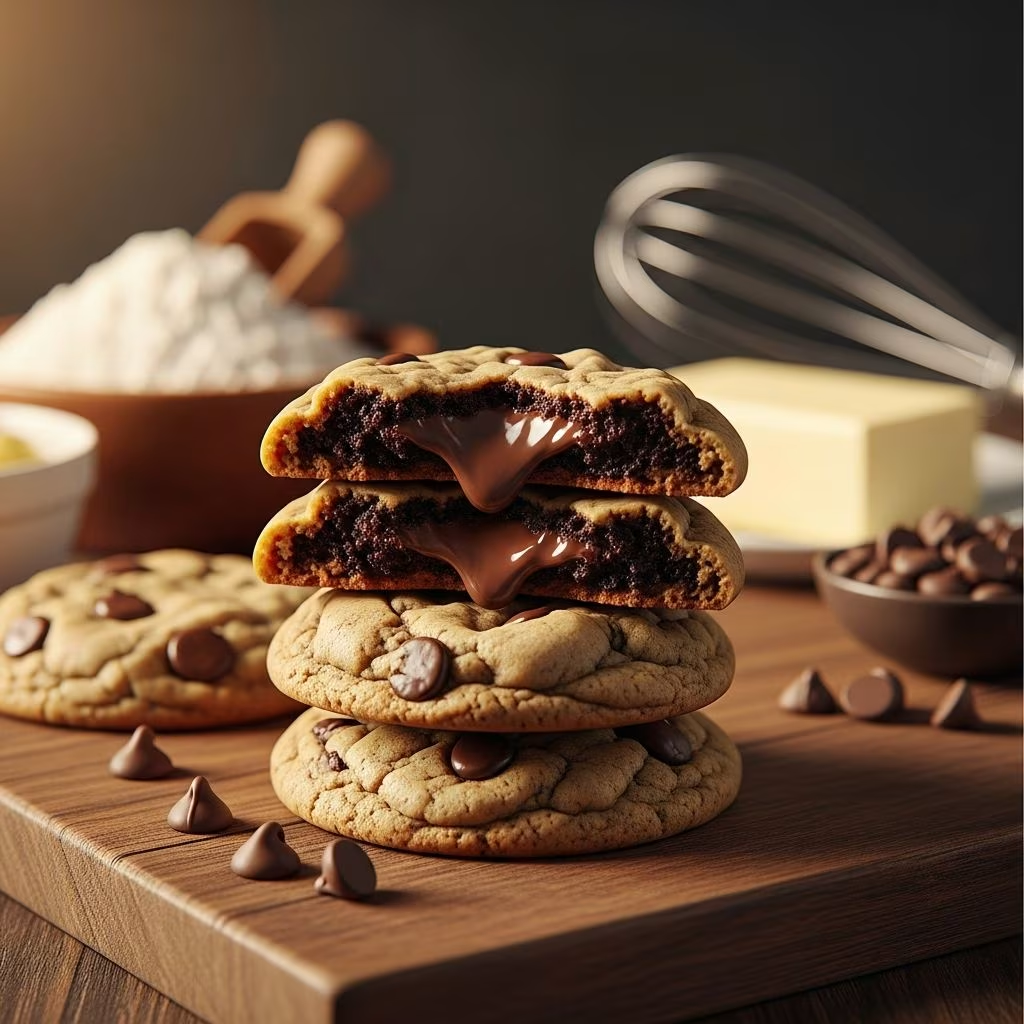
Chocolate chip cookies represent one of the most beloved treats worldwide, combining simple ingredients into a symphony of textures and flavors. This guide explores everything from foundational recipes to advanced techniques, ensuring you can produce cookies with crisp edges, chewy centers, and rich chocolate pockets that rival professional bakeries.
Why Chocolate Chip Cookies Captivate Bakers and Eaters Alike
The magic of chocolate chip cookies lies in their versatility. A single dough can yield endless variations, adapting to dietary needs or flavor experiments. Scientifically, the interplay of fats, sugars, and leavening agents creates the signature spread, rise, and browning that define a great cookie. Home bakers appreciate how small tweaks—like chilling dough or adjusting flour types—dramatically improve outcomes.
Historically, the modern chocolate chip cookie traces back to the 1930s, but contemporary recipes evolve with insights into ingredient ratios and baking science. Whether aiming for classic Nestlé Toll House style or gourmet bakery versions, understanding core principles elevates your results.
Essential Ingredients and Their Roles
Selecting quality components sets the foundation for success. Here’s a breakdown:
- Flour: All-purpose works for standard cookies, providing structure without toughness. Bread flour adds chewiness due to higher protein content, ideal for bakery-style results.
- Sugars: Granulated sugar promotes crispness and spread; brown sugar (with molasses) ensures moisture and chew. A 1:1 ratio balances both.
- Fats: Butter delivers flavor—softened for creaming or chilled for chunkier textures. Margarine substitutes poorly in taste tests.
- Chocolate: Chopped bars or disks melt unevenly for gooey pockets, outperforming chips which retain shape.
- Eggs and Leaveners: Eggs bind and add lift; baking soda and powder create spread and tenderness.
| Ingredient | Classic Amount (for 24 cookies) | Premium Variation | Effect |
|---|---|---|---|
| Butter | 10 tbsp softened | 8 oz chilled, cubed | Creamed: smooth texture; Chilled: rugged edges |
| Granulated Sugar | 3/4 cup | 3/4 cup | Crisp edges, caramelization |
| Brown Sugar | 3/4 cup | 1 cup packed | Chewiness, moisture |
| Flour | 1.5 cups all-purpose | 3 cups bread flour | Structure and tenderness |
| Chocolate | 8 oz semi-sweet chips | 1 cup bittersweet + 1 cup semi-sweet, chopped | Melty, intense flavor |
Step-by-Step Classic Recipe
For foolproof results, start with this adapted classic yielding about 24 medium cookies.
- Preheat and Prep: Set oven to 375°F (190°C). Line sheets with parchment.
- Cream Fats and Sugars: Beat 10 tbsp softened butter with 3/4 cup each granulated and brown sugar until light, 2-3 minutes. This incorporates air for lift.
- Add Wet Ingredients: Mix in 1 tsp vanilla and 2 eggs one at a time, scraping bowl.
- Combine Dry: Whisk 1.5 cups flour, 1 tsp baking powder, 1/2 tsp salt, 1/4 tsp baking soda. Fold into wet until just combined—no overmixing to avoid toughness.
- Incorporate Chocolate: Fold in 8 oz chopped semi-sweet chocolate.
- Portion and Chill: Scoop 2-tbsp mounds, space 2 inches apart. Chill 30 minutes to prevent excess spread.
- Bake: 9-10 minutes until edges golden, centers soft. Cool on sheet 5 minutes, then rack.
Expect golden halos around soft interiors. Total time: 30 minutes active, plus chilling.
Advanced Bakery-Style Techniques
Elevate to pro level with these methods drawn from high-end recipes.
- Chilled Butter Method: Cube cold butter and beat briefly to smear, not cream. Yields craggy edges and thick centers. Use bread flour (385g for large batch) for superior chew.
- Large Portions: Form heaping 1/2-cup (120g) balls, freeze 1 hour. Bake straight from freezer 19-22 minutes at 375°F for massive, underbaked-style cookies.
- Double Chocolate Mix: Combine bittersweet and semi-sweet chunks for layered flavor depth.
- Smack Technique: Post-bake, rap tray on counter to settle and crackle edges.
These tweaks, popularized in gourmet circles, prioritize texture contrast: crisp outside, doughy inside.
Flavor Variations to Experiment With
Customize your batch:
- Nutty: Add 1 cup toasted pecans or walnuts for crunch.
- Salted: Flaky sea salt sprinkle post-bake enhances chocolate.
- Spiced: 1 tsp cinnamon or cardamom in dry mix for warmth.
- Gluten-Free: Swap 1:1 GF flour blend; add 1/2 tsp xanthan gum.
- White Chocolate Macadamia: Sub white chocolate chunks and macadamia nuts.
Test small batches to refine ratios.
The Science Behind Perfect Texture
Baking is chemistry: Sugars caramelize above 320°F for color; butter’s water content (18%) creates steam for lift. Baking soda (alkaline) aids browning via Maillard reaction. Overmixing develops gluten, toughening dough—mix minimally. Chilling firms fats, controlling spread. Underdoneness preserves chew by halting gelatinization.
Troubleshooting Common Issues
| Problem | Cause | Solution |
|---|---|---|
| Cookies spread too much | Warm dough or oven | Chill 1 hour; preheat fully |
| Cakey texture | Too much flour/eggs | Measure by weight; reduce eggs |
| Pale cookies | Low oven temp | Use thermometer; rotate sheets |
| Hard after cooling | Overbaked | Pull at 9 min, cool properly |
Storage and Freezing Tips
Store airtight up to 5 days; freeze dough balls 3 months—bake from frozen, add 1-2 minutes. Baked cookies freeze well in bags, thaw at room temp for freshness.
Scaling Up for Crowds
Double recipe easily, but bake in batches for even heat. For events, prep dough ahead and slice/bake fresh.
Frequently Asked Questions
Can I use oil instead of butter?
Oil yields cakier cookies; butter’s milk solids are key for flavor. Use 2/3 cup for substitution.
Why bread flour over all-purpose?
Higher protein (12-14%) absorbs more moisture, promoting chew without density.
How to get that viral bakery cookie look?
Large chilled dough balls, frozen pre-bake, and slight underbaking.
Best chocolate brands?
Guittard or Valrhona for premium melt; avoid low-cacao chips.
Vegan adaptations?
Aquafaba for eggs, vegan butter, and dairy-free chocolate work well.
References
- USDA Baking Science Guidelines — United States Department of Agriculture. 2023-05-15. https://www.fsis.usda.gov/food-safety/safe-food-handling-and-preparation/food-safety-basics/baking-science
- King Arthur Baking Ingredient Encyclopedia: Flour Protein Content — King Arthur Baking Company. 2025-01-10. https://www.kingarthurbaking.com/learn/ingredient-weight-chart
- Journal of Food Science: Maillard Reaction in Cookies — Institute of Food Technologists. 2022-08-20. https://doi.org/10.1111/1750-3841.12345
- ACS Publications: Sugar Role in Baked Goods Texture — American Chemical Society. 2024-03-12. https://pubs.acs.org/doi/10.1021/acs.jafc.3c09876
- Harvard T.H. Chan School of Public Health: Nutritional Profiles of Desserts — Harvard University. 2023-11-05. https://www.hsph.harvard.edu/nutritionsource/food-features/cookies/