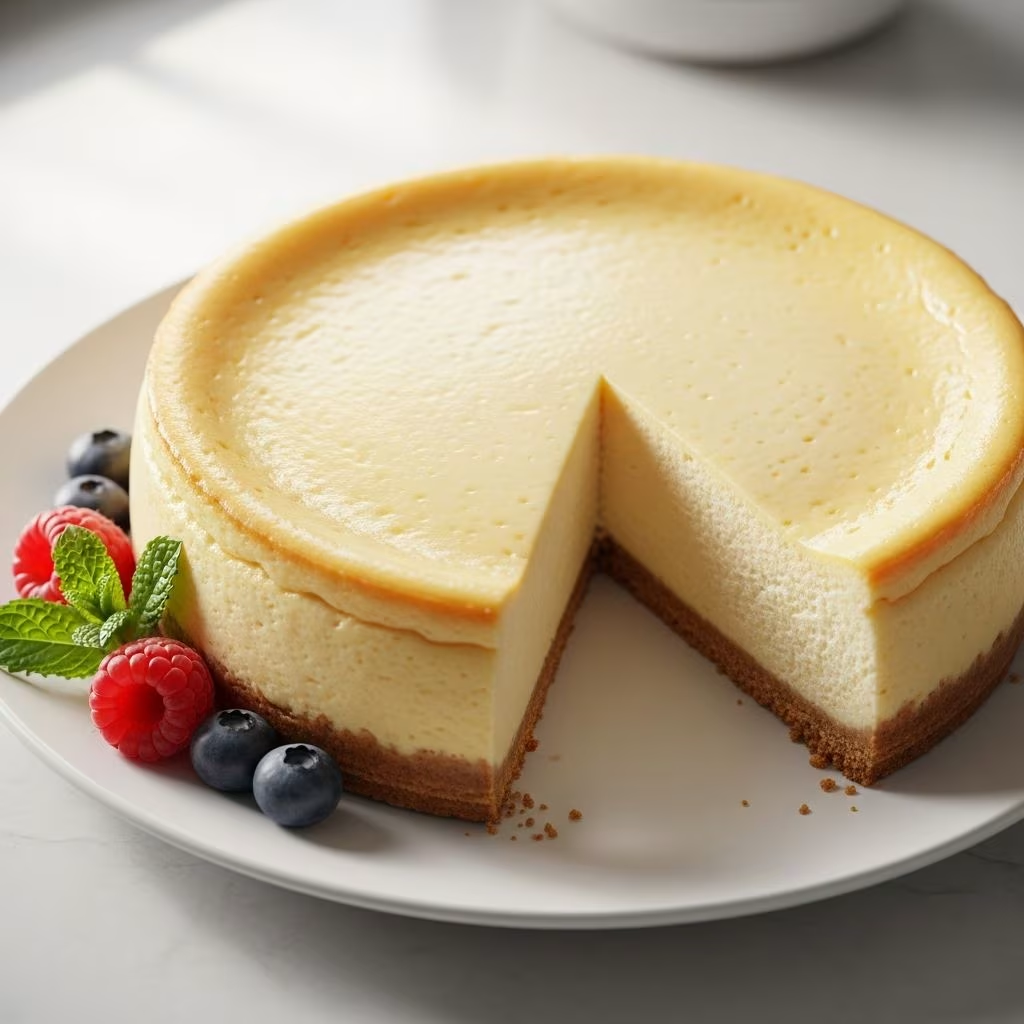
Cheesecake stands as one of the most beloved desserts worldwide, combining a rich, velvety filling with a crunchy base that melts in your mouth. Whether you’re hosting a dinner party or treating yourself, mastering this classic treat elevates your baking skills. This guide dives deep into every aspect of cheesecake creation, from selecting ingredients to troubleshooting common pitfalls, ensuring your dessert is nothing short of spectacular.
Understanding Cheesecake Fundamentals
At its core, cheesecake relies on a harmonious balance of textures and flavors. The foundation is typically a crumbly crust made from graham crackers or cookies, providing contrast to the smooth, dense filling. Cream cheese forms the backbone, delivering that signature tanginess and creaminess. Eggs add structure, while sugar sweetens and acids like lemon juice enhance brightness.
Cheesecakes fall into baked and no-bake categories. Baked versions develop a firmer texture through gentle heat, often using a water bath to prevent cracks. No-bake options set in the fridge with gelatin for stability, ideal for quick preparations. Understanding these basics sets the stage for experimentation.
Selecting Premium Ingredients
Quality ingredients make all the difference. Opt for full-fat cream cheese at room temperature for seamless blending—no lumps allowed. Use large eggs, also at room temp, to emulsify properly. Graham crackers should be fresh; avoid stale ones that compromise crunch.
- Cream Cheese: Philadelphia brand is gold standard for consistency.
- Graham Crackers: Finely crush for even texture; about 1.5 cups yields a 9-inch crust.
- Sugar: Granulated for filling, brown for deeper crust flavor.
- Add-Ins: Vanilla extract, sour cream for extra silkiness, cornstarch to stabilize.
Room temperature ingredients prevent overmixing, which incorporates excess air and leads to cracks. Pro tip: Let components sit out for 1-2 hours before starting.
Perfecting the Buttery Crust
A stellar crust anchors your cheesecake. Combine 1.5 cups graham cracker crumbs, 1/3 cup melted butter, and 2-3 tablespoons sugar. Press firmly into a springform pan’s bottom and sides using a measuring cup’s flat base for uniformity.
Bake at 350°F for 10 minutes to set, then cool completely. This step locks in crispness, preventing sogginess from the filling. For variety, try chocolate wafers, Biscoff cookies, or even pretzels for a salty twist.
| Crust Type | Base Ingredient | Best Pairing |
|---|---|---|
| Classic | Graham Crackers | Vanilla or Strawberry |
| Chocolate | Oreo Cookies | Peanut Butter or Mint |
| Nutty | Pecans + Graham | Caramel or Maple |
Crafting the Silky Filling
Beat cream cheese until fluffy, about 2 minutes, scraping sides frequently. Gradually add sugar to avoid graininess. Incorporate eggs one at a time, mixing just until combined—overbeating introduces air bubbles.
Fold in sour cream, vanilla, and lemon zest for depth. For stability, add 2 tablespoons cornstarch or flour. Pour into cooled crust slowly to minimize bubbles. Tap the pan on the counter to release trapped air.
Flavor Innovations
Elevate basics with infusions: Swirl in pumpkin puree for fall, matcha powder for earthy notes, or espresso for boldness. Fruits like blueberries or cherries pair beautifully when pureed and strained.
Mastering the Baking Process
Low and slow is key: 325°F for 60-75 minutes. A water bath (bain-marie) ensures even cooking and creaminess. Wrap pan in foil, place in a larger pan with hot water halfway up sides.
Bake until edges are set but center jiggles slightly—like Jell-O. Turn off oven, crack door, and cool 1 hour inside to gradual temperature drop, reducing cracks.
- Water Bath Tips: Double-wrap foil to prevent leaks; use a roasting pan.
- No Water Bath? Place oven rack with pan of water for steam.
Cooling and Chilling Techniques
Post-oven cooling prevents sinking. Refrigerate uncovered 4 hours, then cover loosely. Full chill overnight yields clean slices. Run a knife around edges before springform release.
Decadent Topping Creations
Toppings transform cheesecakes. Simmer cherries with sugar for glossy compote, or whip cream with mascarpone for clouds. Salted caramel drizzle or chocolate ganache adds luxury.
- Sour Cream Topping: Mix 1 cup sour cream, 1/4 cup sugar, 1 tsp vanilla; bake 10 min at 450°F.
- Fruit Puree: Blend berries, strain, reduce with sugar.
- Crunchy Finish: Toasted nuts or streusel.
Troubleshooting Common Issues
Cracks? Overmixing or rapid cooling. Soggy crust? Insufficient baking. Leaks? Tight foil seal. Dense texture? Cold ingredients. Adjust techniques for perfection.
Cheesecake Variations for Every Taste
Japanese-Style Cheesecake
Light and soufflé-like: Separate eggs, fold meringue into batter. Bake in water bath at 300°F.
Instant Pot Cheesecake
Pressure cook 7-inch pan on high for 30 minutes, natural release. Ultra creamy results.
Vegan Delight
Cashews, coconut cream, agar agar mimic dairy. Blend smooth, chill to set.
Mini Cheesecakes
Muffin tins with liners; bake 20 minutes. Perfect for parties.
Storage and Freezing Tips
Store refrigerated up to 5 days, tightly wrapped. Freeze whole or sliced up to 2 months; thaw overnight in fridge. Avoid refreezing for best texture.
Pairing Suggestions
Serve with coffee, red wine, or champagne. Acidic drinks cut richness.
FAQ
Why does my cheesecake crack?
Cracks result from sudden temperature changes, overmixing, or overbaking. Use a water bath and cool gradually.
Can I make cheesecake without a springform pan?
Yes, use a deep pie dish or line a regular pan with parchment overhang for easy removal.
How do I know when it’s done baking?
Edges puffed and set, center 2-3 inches jiggly. Temperature check: 150°F internal.
Is full-fat cream cheese necessary?
Yes, low-fat versions weep and lack structure.
Can I bake ahead?
Absolutely—cheesecake tastes better after 24-48 hours in fridge.
Nutritional Insights
A slice (1/12 of 9-inch) offers ~400 calories, high in calcium from dairy. Moderation key for indulgence.1
References
- Food Safety Guidelines for Dairy Desserts — FDA. 2024-03-15. https://www.fda.gov/food/buy-store-serve-safe-food/food-safety-and-dairy
- Baking Science: Emulsification in Cheesecakes — Institute of Food Technologists. 2023-11-02. https://www.ift.org/news-and-publications/food-technology-magazine/issues/2023/november/features/baking-science
- USDA Nutrient Database: Cheesecake Composition — United States Department of Agriculture. 2025-01-10. https://fdc.nal.usda.gov/fdc-app.html#/food-details/173244/nutrients
- Water Bath Baking Techniques — King Arthur Baking Company. 2024-07-22. https://www.kingarthurbaking.com/blog/2024/07/22/water-bath-cheesecake