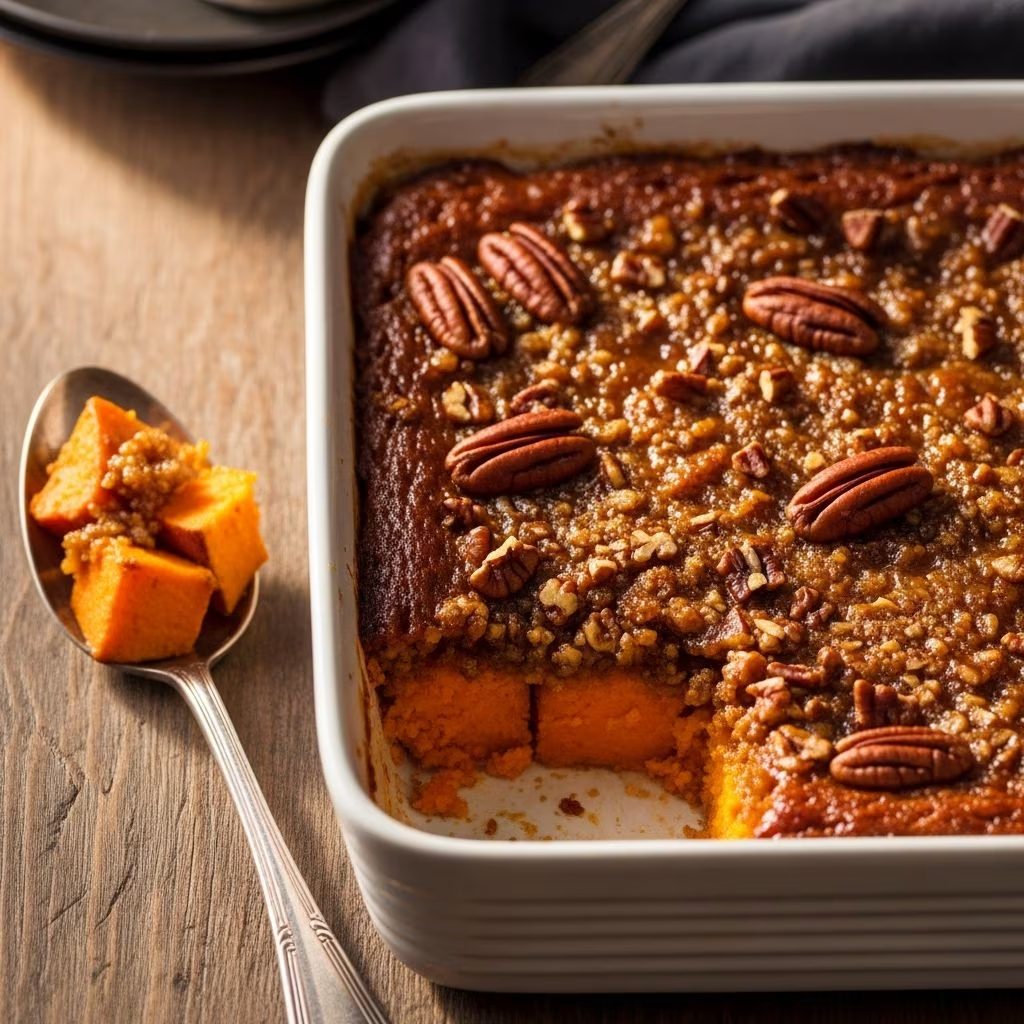
The sweet potato casserole has become a staple on holiday dining tables across America, representing comfort, tradition, and culinary excellence. This beloved side dish transforms humble root vegetables into an elegant, restaurant-quality creation through the magic of careful layering, proper seasoning, and patient cooking. Whether you’re preparing your first candied sweet potato dish or refining techniques you’ve used for years, understanding the fundamentals of preparation, cooking methods, and flavor development will elevate your results significantly.
Understanding Your Core Ingredients
Creating an exceptional sweet potato casserole begins with selecting quality ingredients and understanding their individual roles in the final dish. Each component contributes essential characteristics that work together to produce the signature taste and texture that makes this dish memorable.
Sweet potatoes serve as the foundation of this recipe. Medium-sized potatoes work best because they cook evenly and provide a substantial base for the glaze. When selecting your potatoes, look for firm specimens without soft spots or blemishes. The natural sweetness of these vegetables means you’re building on a flavor that’s already appealing, allowing the other ingredients to enhance rather than overpower.
Butter provides richness and helps create the caramelization that develops during cooking. Using salted butter adds depth to the flavor profile, though unsalted butter works equally well if you adjust the salt content accordingly. The butter melts into the sugar mixture, creating an emulsion that coats each potato piece evenly.
Sugar acts as the primary sweetening agent and plays a crucial role in creating the signature glaze. Both granulated and brown sugar are effective, though brown sugar imparts deeper molasses notes that enhance the overall complexity. The choice between them often comes down to personal preference and desired flavor intensity.
Spices including cinnamon, nutmeg, and sometimes ginger or cloves provide warmth and aromatic depth. These warm spices have complemented sweet potatoes for generations, creating a flavor combination that feels both nostalgic and sophisticated. Using freshly ground spices rather than pre-ground varieties delivers superior flavor potency.
Preparation Techniques and Methods
The manner in which you prepare your sweet potatoes significantly impacts both cooking time and final texture. Different preparation methods yield slightly different results, allowing you to choose based on your available time and preferred outcome.
Raw Assembly Method
This approach involves peeling and slicing raw potatoes directly into your casserole dish. Slice potatoes into uniform thickness—typically between one-quarter and one-half inch—to ensure even cooking throughout. Layer the raw potato slices with your prepared sugar and butter mixture, then bake until the potatoes reach fork-tender consistency. This method typically requires approximately one hour of baking time and produces potatoes that maintain their structure while absorbing the glaze completely.
Pre-Cooked Assembly Method
Alternatively, boil whole sweet potatoes until they reach partial tenderness, then peel and slice them before combining with your glaze mixture. This approach reduces overall cooking time since the potatoes have already softened during the boiling process. The advantage here involves more predictable texture control, as you can determine exactly when the potatoes reach the ideal firmness before proceeding to the final baking stage.
Stovetop Preparation Method
Some cooks prefer preparing the entire dish on the stovetop rather than using the oven. This method involves combining sliced potatoes, butter, sugar, water, and spices in a large skillet over low heat, covered, for approximately one hour until the mixture reduces to a thick syrup. This technique offers excellent control over the cooking process and produces particularly glossy, well-developed glazes.
Creating the Perfect Caramel Glaze
The glaze defines this dish, transforming simple sliced potatoes into something truly special. Creating an optimal glaze requires understanding how sugar behaves under heat and how to achieve the right consistency.
Begin by melting butter in a separate pan, ideally over medium-low heat. Some recipes call for browning the butter first, which adds nutty complexity to the final glaze. Once the butter is ready, incorporate your sugar gradually while whisking constantly. This prevents lumping and ensures even distribution. Add your selected spices during this stage, allowing them to bloom in the warm fat and release their essential oils.
The glaze should achieve a thick but pourable consistency. If it becomes too thick, thin with small amounts of water or liquid. If too thin, allow additional cooking time or add a bit more sugar. The goal is achieving a syrup-like coating that clings to the potato pieces while maintaining enough fluidity to distribute evenly throughout the casserole.
Layering Strategies for Even Flavor Distribution
Professional preparation involves thoughtful layering that ensures every potato piece receives adequate seasoning and glaze coating. This technique prevents dry potatoes or over-seasoned sections.
Arrange your first layer of potato slices in the prepared casserole dish, covering the bottom completely. Pour a portion of your glaze over this layer, ensuring adequate coverage. Sprinkle with a measured amount of your spice mixture if you’re using the dry-ingredient approach. Repeat this process until all ingredients are used, finishing with a glaze layer on top. This methodical approach guarantees that middle layers receive proper seasoning rather than relying solely on soaking from above.
Cooking Temperatures and Times
| Cooking Method | Temperature | Duration | Best For |
|---|---|---|---|
| Oven Baking | 350-425°F | 50-60 minutes | Large batches, even browning |
| Stovetop Simmering | Low heat (200-300°F) | 60-90 minutes | Close monitoring, glaze control |
| Covered Baking | 350°F | 40-45 minutes | Moisture retention, gentle cooking |
| High-Heat Finish | 425°F | 20-30 minutes final stage | Golden browning, caramelization |
Temperature and timing work together to develop proper texture and achieve caramelization without burning. Most recipes call for moderate oven temperatures between 350 and 425 degrees Fahrenheit, with cooking times typically ranging from fifty minutes to just over one hour, depending on potato thickness and your specific oven characteristics.
Achieving Perfect Texture and Appearance
The ideal candied sweet potato casserole presents tender potatoes throughout while displaying a caramelized, glossy exterior. Achieving this balance requires attention during the cooking process.
Approximately halfway through the cooking time, stir the potato mixture gently, redistributing the glaze and turning potatoes to ensure even caramelization on all sides. Continue baking uncovered if you want additional browning, or cover with foil if the edges are browning too quickly. The finished dish should reveal slightly golden, translucent potato slices surrounded by a thick, syrupy glaze that clings to each piece.
Troubleshooting Common Issues
Potatoes Remain Too Firm
If your potatoes haven’t reached desired tenderness after the recommended cooking time, extend the baking period in fifteen-minute increments. Ensure your potato slices are uniform in thickness, as varied sizes cook unevenly. Thin slices cook faster, while thick chunks require additional time.
Glaze Separates or Becomes Watery
This typically occurs when potatoes release excess moisture during cooking. Continue baking uncovered to allow evaporation, or increase heat slightly during the final cooking stages. Some separation is normal and can be remedied by stirring gently before serving.
Excessive Browning or Burning
If edges brown too quickly, cover the dish with aluminum foil during cooking. Lower your oven temperature by twenty-five degrees and extend cooking time slightly. This prevents the glaze from caramelizing too aggressively while potatoes remain undercooked.
Bland or Underdeveloped Flavor
Ensure you’re using adequate spicing and quality ingredients. Pre-ground spices lose potency over time, so verify your seasonings haven’t expired. Consider adding vanilla extract during the final stages for additional complexity.
Serving Suggestions and Storage
Allow your finished casserole to cool for several minutes before serving, permitting the glaze to thicken slightly for improved texture and easier portioning. Serve warm as a side dish alongside roasted turkey, ham, or other proteins. The sweet, caramelized flavors complement savory mains particularly well.
Leftover candied sweet potatoes store well in airtight containers in the refrigerator for up to four days. Reheat gently in a low oven to avoid drying out the potatoes. The glaze will firm up during refrigeration but returns to syrupy consistency when reheated.
Variation Ideas to Expand Your Repertoire
Once you’ve mastered the classic preparation, consider these variations that maintain the fundamental appeal while offering fresh perspectives:
- Maple and Pecan Version: Substitute maple syrup for a portion of the sugar and top with toasted pecans before baking for textural contrast
- Citrus-Infused Option: Add orange zest or a splash of orange juice to the glaze for brightness and complexity
- Bourbon Preparation: Include a splash of bourbon in the glaze for sophisticated adult gatherings and special occasions
- Coconut Variation: Incorporate shredded coconut into the glaze or use coconut oil as a partial butter replacement
- Marshmallow Topping: Add a layer of marshmallows during the final cooking minutes for a contemporary twist on tradition
Nutritional Considerations
Sweet potatoes provide substantial nutritional value, offering beta-carotene, fiber, and essential vitamins. While the added butter and sugar increase the caloric content, this remains a vegetable-based dish with legitimate nutritional contributions. Portion control and balancing with lighter dishes during your meal creates a well-rounded eating experience without sacrificing the indulgent qualities that make this dish special.
Frequently Asked Questions
Can I prepare candied sweet potatoes in advance?
Yes, assembly can occur several hours ahead. Store the prepared casserole covered in the refrigerator until ready to bake. Increase cooking time by ten to fifteen minutes since the dish will start cold. Alternatively, bake completely and reheat before serving.
What’s the difference between candied sweet potatoes and sweet potato pie?
Candied sweet potatoes are a side dish featuring whole or chunked potatoes in glaze, while sweet potato pie incorporates mashed potatoes into a custard-like filling within a pie crust. They’re distinct preparations serving different roles in the meal.
Are there dairy-free alternatives to butter?
Coconut oil, vegan butter, or olive oil can replace traditional butter. Each imparts slightly different characteristics, so experiment to find your preference. Adjust quantities as needed since different fats have varying moisture contents.
How do I prevent my casserole from becoming too sweet?
Use less sugar than called for, or balance sweetness with salt and spices. Include vanilla extract and nutmeg, which add complexity that feels less cloying than pure sweetness. Consider using half brown sugar and half granulated for more depth.
Can I use canned sweet potatoes?
While convenient, canned sweet potatoes often have excess moisture and softer texture. If using canned, drain thoroughly and reduce the liquid content in your glaze recipe accordingly.
References
- Nutritional Information on Sweet Potatoes — United States Department of Agriculture (USDA). Accessed April 2026. https://fdc.nal.usda.gov
- Food Safety and Storage Guidelines — Centers for Disease Control and Prevention (CDC). Updated 2024. https://www.cdc.gov/foodsafety
- Baking and Cooking Temperature Standards — International Bakers Association Standards Documentation. 2025. https://www.iaaprofessionalbakers.com
- Spice Quality and Storage Best Practices — The Spice House Professional Standards. 2024. https://www.thespicehouse.com
- Caramelization Chemistry in Cooking — American Chemical Society. 2023. https://www.acs.org