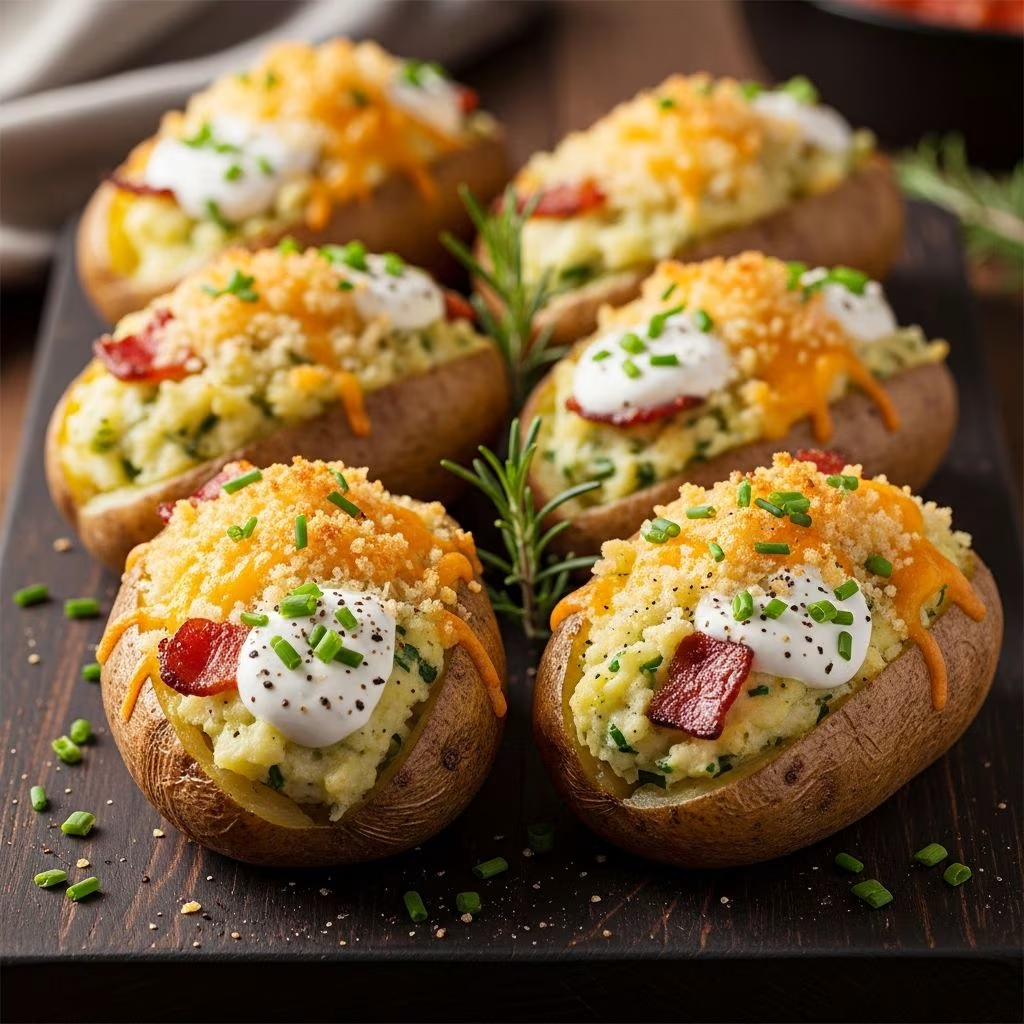
Twice-baked potatoes represent one of the most versatile and impressive side dishes that can elevate any meal from ordinary to memorable. The name itself derives from the cooking process: potatoes are initially baked until tender, then filled with a creamy mixture and baked again until the topping achieves a golden, crispy finish. What makes this dish particularly appealing is its combination of crispy exterior, creamy interior, and customizable toppings that allow home cooks to adapt the recipe to their preferences and dietary needs.
Understanding the Foundation: Selecting and Preparing Your Potatoes
The success of twice-baked potatoes begins with choosing the right potato variety. Russet potatoes are the traditional choice for this dish because of their high starch content and fluffy texture when cooked. These large, oblong potatoes develop a thicker skin that holds its shape well throughout the cooking process, making them ideal for scooping and refilling. Alternatively, Yukon Gold potatoes offer a slightly creamier texture and beautiful golden color that many cooks prefer for added visual appeal.
When selecting potatoes, choose uniform sizes to ensure even cooking throughout your batch. Wash them thoroughly under running water and use a brush to remove any residual soil. Pat them completely dry with paper towels—moisture on the surface can prevent proper browning. Using a fork or knife, prick each potato several times before cooking. This step allows steam to escape gradually during baking, preventing the potato from bursting and ensuring even heat distribution throughout the flesh.
The Initial Baking Process: Building the Base
Preheating your oven to 400°F creates the ideal environment for developing that desirable crispy skin while cooking the interior to fork-tender perfection. Lightly coat each potato with vegetable oil or canola oil, then season generously with kosher salt and freshly ground black pepper. The oil promotes browning and adds flavor to the skin, while the seasoning at this stage builds a flavor foundation throughout the entire dish.
Place the oiled potatoes directly on the oven rack, positioning a baking sheet or foil on the rack below to catch any drippings. This setup promotes air circulation around all sides of the potatoes, resulting in even cooking and crispy skin development. Bake for approximately 45 minutes to 1 hour, or until the internal temperature reaches 209°F—the point at which potato cells have fully softened. You can also test doneness by piercing with a fork; the fork should slide through with minimal resistance.
Allow the baked potatoes to cool on a rack for about 10 minutes after removing them from the oven. This resting period makes handling easier and allows the exterior to set slightly, which helps maintain structural integrity when you scoop out the flesh.
Creating the Filling: Balancing Flavors and Textures
The filling is where twice-baked potatoes truly shine, offering an opportunity to balance creamy elements, savory proteins, and sharp cheese flavors. The foundation of any excellent filling consists of the scooped potato flesh combined with butter and sour cream. The butter, softened to room temperature, incorporates smoothly and adds richness, while sour cream provides tanginess and additional creaminess without making the mixture overly heavy.
Cut each cooled potato in half lengthwise using a sharp knife. Carefully scoop out the interior flesh, leaving approximately ⅛ to ¼ inch of potato attached to the skin on all sides. This shell thickness is critical—too thin and the shell may collapse or become soggy, too thick and you’ll lose filling space. Transfer the scooped flesh to a mixing bowl.
Before filling the shells, return them to a 400°F oven for approximately 10 minutes. This preliminary crisping step strengthens the shells and prevents them from becoming soggy when filled. While the shells bake, prepare the filling by mashing the potato flesh with butter, sour cream, and approximately half of your shredded cheese. Incorporate cooked bacon lardons, sliced scallions, and milk or buttermilk until the mixture reaches a smooth, spreadable consistency. The milk acts as a binder and ensures the filling maintains its creamy texture during the second baking phase.
Season the filling generously with kosher salt and freshly ground black pepper, tasting as you go. This is your opportunity to adjust flavors to your preference—some cooks enjoy additional garlic powder, onion powder, or smoked paprika for depth.
Cheese Selection and Topping Strategy
Cheese transforms twice-baked potatoes from a simple side dish into a show-stopping creation. Sharp cheddar is the classic choice, offering bold flavor and excellent melting properties. Gruyere provides a sophisticated, nutty flavor that appeals to more refined palates, while Mexican cheese blends add a subtle complexity. Consider using a combination of cheeses for layered flavor—perhaps mixing sharp cheddar with Gruyere for complexity.
Divide your total cheese quantity in half. Mix the first portion directly into the filling during preparation, allowing the cheese to become fully incorporated and contribute to the overall creaminess. Reserve the second portion for topping the potatoes before the final bake, where it will melt slightly and develop a golden, slightly crispy exterior.
The Role of Bacon and Aromatics
Bacon provides essential umami and textural contrast to the creamy filling. Cook 6 to 8 slices until crispy, then drain on paper towels and crumble into small pieces. Reserve a small portion for garnish, incorporating the majority into the filling. Green onions (scallions) add brightness and a subtle onion flavor that prevents the dish from becoming too heavy. Slice them thinly and divide between the filling and final garnish.
The Critical Second Baking Phase
Transfer the filled potato shells to a baking sheet, mounding the filling slightly above the rim for visual appeal. Top each potato with the reserved cheese and bacon. At this stage, the potatoes can be refrigerated for several hours or overnight, making twice-baked potatoes an excellent make-ahead option for entertaining. If refrigerated, add approximately 10 minutes to the baking time to account for the temperature difference.
Set your oven to broil mode, positioning the rack approximately 6 inches from the heating element. Broil the potatoes for 5 to 10 minutes, watching continuously to prevent the cheese from burning. The cheese should melt and develop golden-brown spots, while the filling edges should brown slightly. Some cooks prefer finishing at 350°F for 15 to 20 minutes if they want more controlled browning rather than the high-heat crisping that broiling provides.
Flavor Variations and Customizations
The basic twice-baked potato formula provides an excellent canvas for creative experimentation. Consider these variations to suit different occasions and taste preferences:
- Southwestern Style: Incorporate roasted chiles, jalapeños, and cilantro into the filling. Use Mexican cheese blend and top with crispy tortilla strips for textural contrast.
- Loaded Steakhouse Version: Add crumbled blue cheese, caramelized onions, and crispy shallots for elegant sophistication.
- Vegetarian Alternative: Replace bacon with sautéed mushrooms and include roasted garlic, fresh herbs, and additional cheeses for depth.
- Lighter Option: Substitute Greek yogurt for half the sour cream and use reduced-fat cheese varieties while maintaining full flavor through increased seasoning and fresh herbs.
- Herb-Infused Version: Incorporate fresh thyme, rosemary, or dill into the filling, and garnish with additional fresh herbs before serving.
Technical Tips for Perfect Results Every Time
Consistency in potato selection ensures even cooking throughout your batch. Large Russet potatoes require more time than smaller varieties, so group similarly-sized potatoes together on the baking sheet. Using an oven thermometer verifies that your oven maintains accurate temperatures—ovens frequently run hot or cool, affecting cooking times and final results.
When mashing the potato filling, avoid over-mixing, which can break down the starches and create a gluey texture. Use a potato masher or hand mixer on low speed, incorporating ingredients just until combined. The filling should have slight texture from small potato pieces rather than resembling smooth baby food.
If you notice the cheese browning too quickly during broiling, move the rack lower to reduce heat intensity, or loosely tent the potatoes with aluminum foil to slow browning while the filling heats through. The goal is melted cheese with light browning, not burnt or blackened topping.
Make-Ahead Strategy and Storage
Twice-baked potatoes are excellent candidates for advance preparation. After filling and topping, cover them with plastic wrap and refrigerate for up to 24 hours. Add 10 to 15 minutes to the broiling time if baking directly from the refrigerator. For longer storage, wrap individually in plastic wrap and freeze for up to 3 months. Thaw in the refrigerator overnight before baking, then follow the standard cooking instructions.
Serving and Presentation
Allow the finished potatoes to cool for approximately 5 to 10 minutes after the final bake, which prevents the filling from being excessively hot and allows the structure to set. Garnish generously with the reserved green onions and fresh herbs such as parsley, chives, or cilantro immediately before serving. A drizzle of sour cream mixed with a pinch of seasoning salt on the side adds elegance and additional creaminess for those who desire it.
Twice-baked potatoes serve beautifully alongside grilled meats, roasted chicken, or as part of a vegetarian feast. Their impressive appearance suggests sophisticated preparation, though the technique is quite accessible even for novice cooks. The combination of textures—crispy skin, creamy filling, and melted cheese—creates a memorable eating experience that consistently impresses family and guests.
Frequently Asked Questions
Can I prepare twice-baked potatoes entirely in advance?
Yes. After filling and topping, cover and refrigerate for up to 24 hours, or freeze for up to 3 months. Add 10 to 15 minutes to the cooking time if baking from the refrigerator or 20 to 25 minutes from frozen.
What potato variety works best?
Russet potatoes are ideal due to their high starch content and sturdy skin. Yukon Gold potatoes offer a slightly creamier texture and attractive color if you prefer.
How do I know when the potatoes are fully cooked initially?
The internal temperature should reach 209°F, or the flesh should be easily pierced with a fork. Baking typically takes 45 to 60 minutes at 400°F depending on potato size.
Can I use different cheeses?
Absolutely. Gruyere, sharp cheddar, Mexican cheese blends, or combinations thereof all work well. Choose cheeses that melt smoothly and complement your other ingredients.
What can I substitute for bacon?
Sautéed mushrooms, caramelized onions, crispy shallots, or diced ham all provide similar flavor and textural elements. Vegetarian diets benefit from smoked paprika to approximate bacon’s smoky character.
Should I broil or bake during the second cooking phase?
Broiling (5 to 10 minutes) creates crisper topping but requires close watching. Baking at 350°F (15 to 20 minutes) provides more controlled, even browning.
Conclusion: Elevating Your Entertaining Game
Twice-baked potatoes bridge the gap between comfort food and restaurant-quality side dishes, making them perfect for weeknight family dinners or impressive entertaining occasions. Mastering this technique opens possibilities for creative variations while maintaining the fundamental appeal that has made twice-baked potatoes a beloved classic. With proper potato selection, balanced filling ingredients, careful execution during both baking phases, and thoughtful presentation, you can consistently create twice-baked potatoes that delight any audience.
References
- The Cookie Rookie – Twice Baked Potatoes Recipe — The Cookie Rookie. Accessed April 2026. https://www.thecookierookie.com/best-twice-baked-potatoes-recipe/
- Tastes Better From Scratch – Twice Baked Potatoes — Tastes Better From Scratch. Accessed April 2026. https://tastesbetterfromscratch.com/twice-baked-potatoes/
- The Pioneer Woman – Best Twice Baked Potatoes Recipe — The Pioneer Woman. Accessed April 2026. https://www.thepioneerwoman.com/food-cooking/recipes/a11731/twice-baked-potatoes/
- The Girl Who Ate Everything – Twice Baked Potatoes — The Girl Who Ate Everything. Accessed April 2026. https://www.the-girl-who-ate-everything.com/ultimate-twice-baked-potatoes/
- Small Town Woman – Twice Baked Potatoes Recipe — Small Town Woman. Accessed April 2026. https://www.smalltownwoman.com/traditional-twice-baked-potatoes/
- The Kitchen Magpie – The Absolute Best Ever Twice Baked Potatoes — The Kitchen Magpie. Accessed April 2026. https://www.thekitchenmagpie.com/the-absolute-best-ever-twice-baked-stuffed-potatoes/
- America’s Test Kitchen – The Best Twice-Baked Potatoes Recipe — America’s Test Kitchen. Accessed April 2026. https://www.youtube.com/watch?v=rcv3g6KDLZ4