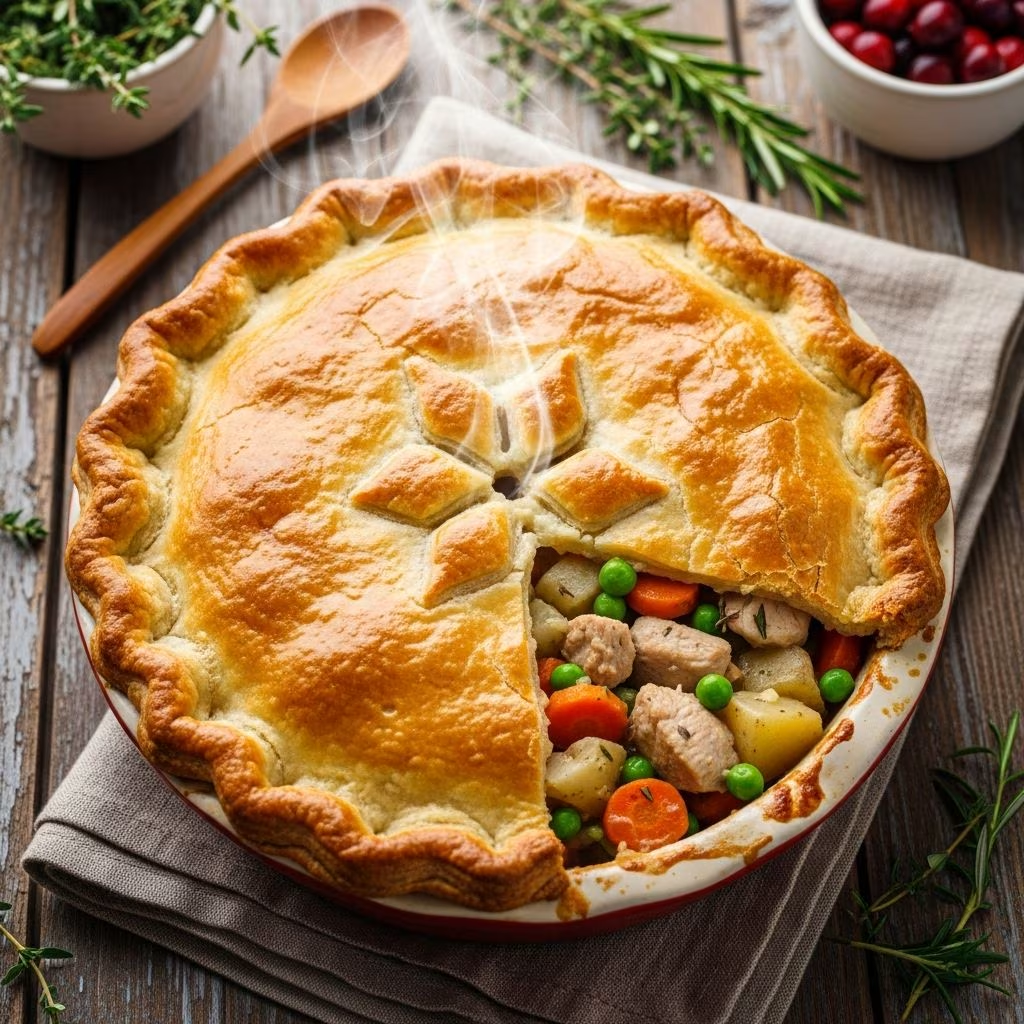
Turkey pot pie stands as one of the most beloved comfort food dishes across North America, particularly valued for its ability to transform leftover holiday turkey into an entirely new and satisfying meal. This classic dish combines tender shredded poultry with a rich, creamy sauce, fresh vegetables, and a flaky pastry crust that bakes until golden brown. Whether you’re looking for ways to use up Thanksgiving or Christmas leftovers or simply craving warm, homemade comfort food, turkey pot pie offers a versatile canvas for creativity and personal preference.
Understanding the Fundamentals of Turkey Pot Pie
At its core, turkey pot pie represents a harmonious blend of several key components working together to create a satisfying meal. The foundation begins with a roux—a combination of butter and flour cooked together—which serves as the thickening agent for the creamy filling. This base is then combined with broth, dairy products, and seasonings to create a velvety sauce that coats the turkey and vegetables. The protein component comes from cooked turkey, whether freshly prepared or leftover from a previous meal. Finally, a pie crust blankets the top, transforming the mixture into a baked dish that’s both visually appealing and deeply comforting.
The beauty of turkey pot pie lies in its flexibility. Home cooks can adjust ingredients based on what’s available in their kitchen, dietary preferences, or seasonal considerations. Some versions incorporate bottom crusts for a fully enclosed pie, while others skip the bottom layer to reduce richness and preparation time.
Essential Ingredients and Their Roles
The Flavor Foundation
Building an exceptional turkey pot pie begins with creating a robust flavor foundation. Butter serves as the primary fat, providing both richness and helping to develop the roux that thickens the filling. Onions form the aromatic base, offering sweetness and depth when cooked until softened and translucent. Seasonings such as fresh rosemary, thyme, and smoked paprika elevate the dish beyond simple flavors, adding complexity and warmth that make each spoonful memorable.
The Liquid Components
Turkey or chicken broth supplies the savory backbone of the filling, while heavy cream or whole milk contributes richness and smoothness. The ratio between these liquid components determines the consistency of the final sauce—more cream produces a more luxurious filling, while higher broth percentages create a lighter, more broth-forward version. Some recipes employ cornstarch as an alternative thickening agent, particularly for those seeking to reduce the fat content of the traditional roux-based approach.
Vegetable Variety
Vegetables contribute essential nutrients, textural contrast, and visual appeal to the finished dish. Traditional selections include carrots, celery, onions, and peas. Sweet potatoes add autumn-appropriate seasonality and natural sweetness, while regular potatoes provide heartiness and substance. Frozen vegetables offer practical convenience without sacrificing quality, as they’re typically harvested and frozen at peak ripeness. Fresh vegetables work equally well and allow for customization based on personal preferences and seasonal availability.
| Vegetable | Benefit | Preparation |
|---|---|---|
| Carrots | Natural sweetness and color | Diced into small pieces |
| Sweet Potatoes | Autumn flavor and nutrition | Peeled and cubed |
| Peas | Sweetness and textural contrast | Frozen or fresh |
| Celery | Aromatic depth | Diced into small pieces |
| Regular Potatoes | Substance and heartiness | Peeled and cubed |
Step-by-Step Preparation Process
Building the Roux Base
The preparation process begins by melting butter in a large, deep skillet or pot over medium heat. Once the butter has fully melted, diced onions are added to the pan, where they cook gently for approximately five minutes until they become soft and translucent. This cooking phase is crucial, as it develops the onions’ natural sugars and creates an aromatic foundation for the entire dish.
Next comes the addition of flour and seasonings. The flour is whisked into the softened onions along with salt, black pepper, and dried herbs such as rosemary or thyme. This mixture should be stirred constantly for approximately thirty seconds, allowing the flour to lightly toast and develop additional flavor complexity. This brief toasting step significantly enhances the overall taste profile of the finished pot pie.
Creating the Creamy Filling
With the roux prepared, broth and cream are gradually incorporated into the pan. Adding these liquids slowly while stirring prevents lumps from forming and ensures a smooth, silky sauce develops. The mixture should be brought to a simmer over medium heat and allowed to thicken, gradually developing a gravy-like consistency that coats the back of a spoon.
During this simmering phase, diced raw vegetables are added to the pot. These vegetables cook gently in the hot sauce until they reach the desired tenderness—typically ten to fifteen minutes depending on their size and the cooking temperature. The cooked turkey and any frozen vegetables are then stirred into the filling, distributing them evenly throughout the sauce. The pot should be removed from heat at this point, allowing the filling to cool slightly before topping with pastry.
Finishing with the Crust
Whether using homemade pie dough or a prepared refrigerated version, the crust is rolled out to fit the top of the baking dish. Some cooks prefer to fill the crust completely, while others position it only on the interior walls of the pan for easier serving. An egg wash—created by whisking together egg and water—is brushed across the crust’s surface, promoting an attractive golden-brown color during baking. Several slits are cut into the crust’s center to allow steam to escape and prevent the pot pie from bursting at the edges.
The assembled pot pie is then baked at 400°F until the crust achieves a deep golden color and the filling underneath bubbles gently around the edges. This typically requires twenty-five to forty minutes, depending on the thickness of the crust and the temperature of the filling before baking.
Flavor Variations and Creative Customizations
Seasonal Adaptations
Turkey pot pie readily adapts to seasonal ingredient availability and personal preferences. Autumn versions often incorporate sweet potatoes, sage, and thyme, creating a harvest-inspired flavor profile reminiscent of Thanksgiving dinner. Winter preparations might emphasize root vegetables and warming spices, while spring versions could feature asparagus, fresh herbs, and lighter dairy options. Summer renditions might use fresh corn, green beans, and lighter broths to create a fresher interpretation of this classic dish.
Texture and Topping Alternatives
While traditional pie crust remains the classic topping, creative cooks have developed numerous alternatives. Puff pastry creates an even flakier, more delicate topping compared to standard pie dough. Biscuit dough offers a heartier, more substantial finish. Some recipes employ a cheesy garlic bread topping, transforming the dish into an entirely different experience. A simple crumbly herb topping made from breadcrumbs, melted butter, and fresh or dried herbs provides a lighter alternative to full pastry layers.
Dietary Accommodations
Turkey pot pie accommodates various dietary preferences with minimal difficulty. Dairy-free versions substitute whole milk and cream with coconut milk, oat milk, or cashew-based alternatives. Gluten-free cooks can utilize alternative flour blends for both the roux and crust, or employ cornstarch as a thickening agent instead of wheat flour. Those watching their fat intake can reduce the butter quantity or use a lighter cream alternative, though this may slightly affect the final texture and richness.
Essential Cooking Techniques and Professional Tips
Achieving excellence in turkey pot pie preparation requires attention to several technical details. The roux must be properly cooked—neither too briefly, which leaves a floury taste, nor too long, which darkens the sauce. Adding liquids gradually while stirring vigorously prevents lumps, ensuring a smooth, professional-quality filling. Avoiding overcooking vegetables maintains textural contrast, with added vegetables cooking just until tender rather than falling apart.
The egg wash application deserves careful attention, as it directly impacts the crust’s final appearance. A thin, even coating produces the most visually appealing results. Allowing the pot pie to rest for a few minutes after baking helps the filling set slightly, making serving cleaner and preventing excessive filling from spilling out of the crust.
Storage and Make-Ahead Strategies
Assembled but unbaked turkey pot pies can be covered tightly with plastic wrap and refrigerated for up to twenty-four hours before baking. This make-ahead capability makes turkey pot pie an excellent choice for advance meal preparation. Fully baked pot pies can be refrigerated for three to four days and reheated gently in a 350°F oven until heated through. Most turkey pot pies freeze successfully for up to three months, though it’s generally advisable to freeze the filling and crust separately to ensure optimal texture after thawing.
Frequently Asked Questions
Can I Make Turkey Pot Pie Without a Bottom Crust?
Yes, many contemporary versions skip the bottom crust entirely, placing the filling directly in a baking dish before topping with pastry. This approach reduces preparation time and overall richness while producing equally satisfying results. Ensure the baking dish is oven-safe and handle it carefully, as the filling will be hot during baking.
What’s the Best Way to Use Leftover Turkey?
Shredded or diced cooked turkey works best in pot pie, as these presentations distribute the meat evenly throughout the filling. Remove any skin before incorporating turkey into the filling, as skin can create an unpleasant texture. If using frozen turkey, thaw it completely and pat it dry before adding to the pot pie.
How Do I Prevent a Soggy Crust?
Ensuring the filling has cooled slightly before topping with crust helps prevent excessive moisture from softening the pastry. Similarly, cutting vents in the crust allows steam to escape rather than condensing on the underside. Brushing the crust with egg wash also provides some protection against moisture absorption.
Can I Use Rotisserie Chicken Instead of Turkey?
Absolutely. Rotisserie chicken offers convenient pre-cooked protein that works beautifully in pot pie. Simply shred or dice the meat, removing skin as desired, and proceed with the recipe as written. The cooking time and technique remain the same.
What Broth Works Best?
Turkey broth provides the most thematic choice, offering flavor that complements the poultry naturally. Chicken broth serves as an excellent alternative and is typically more readily available. Vegetable broth works for those seeking lighter flavor or dietary preferences, though it provides less savory depth.
Conclusion: Mastering This Timeless Classic
Turkey pot pie represents far more than simply using leftovers—it’s a complete, satisfying meal that brings comfort and warmth to the table. By understanding the fundamental techniques, ingredient roles, and customization possibilities, home cooks can create versions that perfectly match their preferences and available ingredients. Whether preparing a traditional rendition or experimenting with creative variations, turkey pot pie remains an enduring favorite that deserves a permanent place in every cook’s repertoire.
References
- Turkey Pot Pie Recipe — Sugar Spun Run. Accessed April 2026. https://sugarspunrun.com/turkey-pot-pie/
- Turkey Pot Pie Recipe — Sally’s Baking Addiction. Accessed April 2026. https://sallysbakingaddiction.com/turkey-pot-pie-recipe/
- Turkey Pot Pie — Grandbaby Cakes. Accessed April 2026. https://grandbaby-cakes.com/turkey-pot-pie/
- Turkey Pot Pie — Spend With Pennies. Accessed April 2026. https://www.spendwithpennies.com/turkey-pot-pie/
- Turkey Pot Pie — Well Plated. Accessed April 2026. https://www.wellplated.com/turkey-pot-pie/
- How to Make DELICIOUS Pot Pie with Leftover Turkey — Chef Billy Parisi, YouTube. Accessed April 2026. https://www.youtube.com/watch?v=Dyb4lxwbdJE
- Leftover Turkey Pot Pie — RecipeTin Eats. Accessed April 2026. https://www.recipetineats.com/garlic-bread-topped-leftover-turkey-pot-pie/