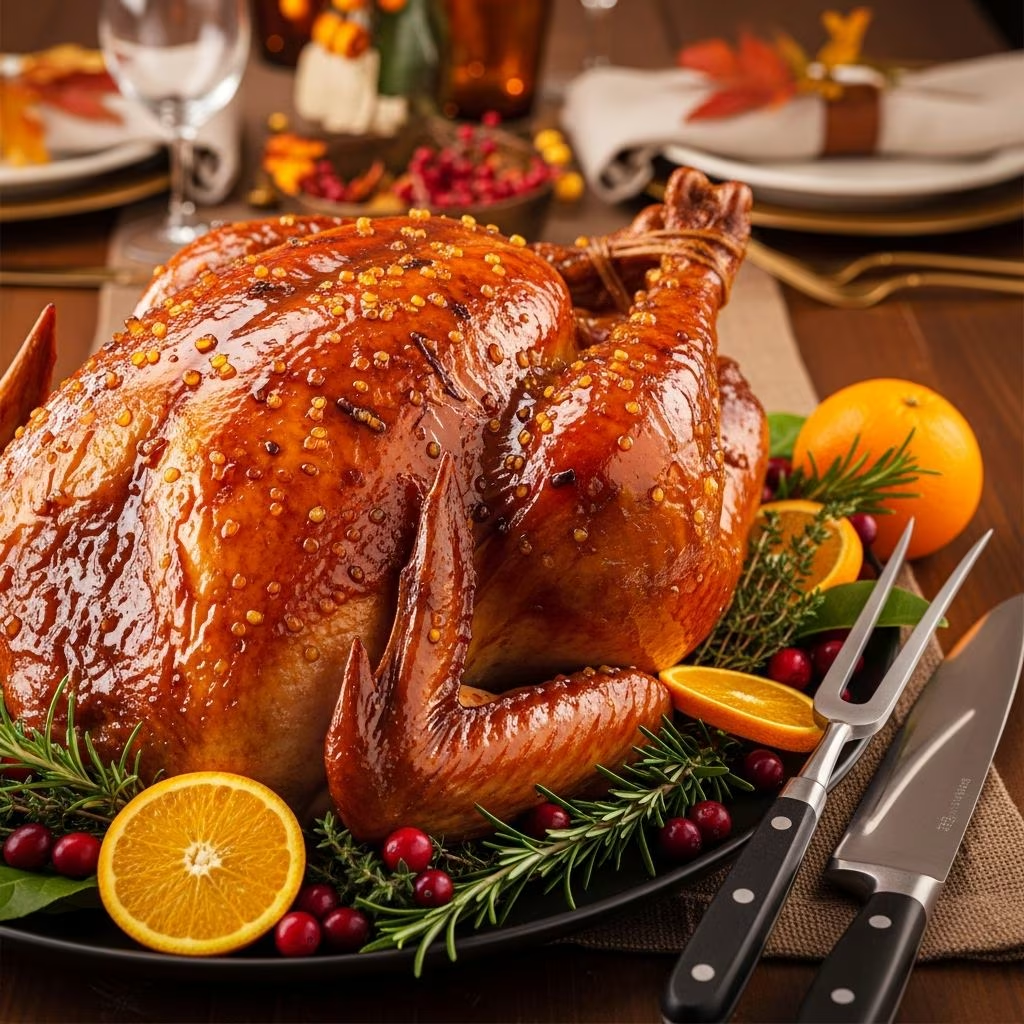
A well-executed glaze transforms a simple roasted turkey into a show-stopping centerpiece that impresses family and guests alike. The glossy exterior, caramelized finish, and layered flavors that come from a thoughtfully crafted glaze distinguish a memorable holiday meal from an ordinary one. Whether you’re preparing your first turkey or you’ve hosted countless holiday dinners, understanding the fundamentals of glaze preparation and application can significantly enhance your culinary results.
The magic of a turkey glaze lies in its ability to balance sweetness with savory elements, creating depth and complexity on the palate. Modern glazes draw inspiration from various culinary traditions, incorporating unexpected ingredients that complement poultry’s neutral canvas. From classic American favorites to innovative fusion approaches, glazes offer an accessible way to demonstrate cooking sophistication without requiring advanced technique.
Understanding the Foundation of Glazing
At its core, a glaze serves multiple functions beyond mere aesthetics. The coating creates a protective barrier that locks in moisture while the bird roasts, ensuring meat remains juicy throughout cooking. As the oven’s heat works, the glaze caramelizes and browns, creating textural contrast between the crispy exterior and tender interior meat. The sugars in glaze ingredients undergo the Maillard reaction—a chemical process that generates complex, appealing flavors impossible to achieve through roasting alone.
Successful glaze construction depends on understanding how different ingredients interact during cooking. Fats provide richness and help distribute flavors evenly across the turkey’s surface. Acids such as vinegar or citrus juice cut through richness and brighten overall taste profiles. Sweeteners from maple syrup, honey, or brown sugar create the characteristic shine and aid in browning. Spices and aromatics add sophistication without overwhelming poultry’s delicate flavor.
Classic Maple and Bourbon Glaze
The combination of maple syrup and bourbon represents one of the most elegant approaches to turkey glazing, offering depth that appeals to refined palates. This particular glaze achieves its distinctive character through the interplay of warm spice notes from bourbon’s barrel aging and maple’s natural sweetness.
Key Components:
- Unsalted butter – Provides a luxurious mouthfeel and glossy finish to the glaze while enriching its overall flavor
- Apple juice – Adds subtle sweetness and mild acidity that prevents the glaze from becoming one-dimensional; apple cider serves as an excellent substitute for deeper flavor
- Bourbon – Contributes sophisticated caramel and vanilla undertones that complement poultry; alcohol evaporates during cooking, leaving only flavor complexity
- Maple syrup – Balances bourbon’s intensity while enhancing sweetness and promoting proper caramelization
- Ground black pepper – Introduces gentle heat and subtle spice that contrasts with sweeter elements
Preparation Method:
Combine all glaze ingredients in a medium saucepan and bring the mixture to a boil over medium-high heat. Once boiling, reduce the heat to medium and allow the mixture to reduce by half its original volume. This concentration process—typically requiring 24 to 28 minutes—intensifies flavors while achieving the ideal consistency. The glaze should appear thin initially but continues thickening as it cools to room temperature. Watch carefully during reduction to prevent boiling over, which can create a messy stovetop and affect glaze texture.
Simplified Maple Approach for Busy Cooks
For those preferring minimal preparation time without sacrificing flavor, a streamlined maple glaze delivers exceptional results through straightforward assembly. This minimalist formula combines pure maple syrup with complementary spices, creating complexity through ingredient quality rather than elaborate cooking techniques.
Essential Ingredients:
- Pure maple syrup as the glaze base
- Ground paprika for subtle smokiness and color depth
- Dried thyme and rosemary for herbal undertones
- Garlic powder and white pepper for savory balance
- Salt for flavor enhancement
Preparation Steps:
Mix all ingredients directly in a bowl—no stovetop cooking required. The glaze components combine instantly, creating a mixture ready for immediate application. This approach proves ideal for cooks managing multiple dishes simultaneously or those seeking to minimize kitchen complexity. Brush the glaze onto the turkey during roasting, with additional coatings applied as the bird approaches doneness.
Brown Sugar and Citrus Glaze Option
Brown sugar glazes offer a different flavor trajectory, emphasizing warmth and depth while incorporating bright citrus notes for balance. This category represents a slightly more complex undertaking than simple maple applications but rewards the additional effort with remarkable sophistication.
Component Overview:
- Cider vinegar provides acidity and cuts richness
- Packed dark brown sugar contributes molasses notes and caramelization properties
- Fresh orange juice and zest add brightness and aromatic complexity
- Butter enriches the glaze and improves its coating ability
Cooking Process:
Combine vinegar and brown sugar in a small saucepan and bring to a boil over high heat. Stir occasionally to dissolve the sugar completely. Reduce heat and simmer gently, stirring at regular intervals, until the mixture develops a syrupy consistency—approximately 10 minutes. Remove from heat and whisk in butter and orange zest. The finished glaze should coat the back of a spoon and flow slowly from a brush.
Honey and Bourbon Glazing Technique
Honey-based glazes introduce different texture and flavor characteristics compared to their maple and brown sugar counterparts. The incorporation of honey creates smooth, amber-hued finishes while providing antimicrobial properties that can extend the turkey’s freshness.
Fundamental Ingredients:
- Honey as the primary sweetener
- Packed brown sugar for additional depth
- Apple cider vinegar for tartness
- Dijon mustard for subtle heat and complexity
- Unsalted butter for richness
- Optional bourbon for sophisticated warmth
Assembly and Refinement:
Combine all glaze ingredients in a small saucepan over medium-low heat, stirring consistently to dissolve and blend components. Bring the mixture to a gentle simmer and reduce heat to low. Continue cooking until the glaze thickens sufficiently to coat the back of a spoon without immediately running off. This technique creates a smooth, pourable consistency ideal for brush application and even distribution across the turkey’s surface.
Comparison of Glaze Styles
| Glaze Type | Primary Sweetener | Flavor Profile | Preparation Time | Best For |
|---|---|---|---|---|
| Maple Bourbon | Maple Syrup | Warm, caramel-forward, sophisticated | 30+ minutes | Refined presentations, bourbon enthusiasts |
| Simple Maple | Maple Syrup | Clean, herbal, straightforward | 5 minutes | Quick preparation, busy cooks |
| Brown Sugar | Brown Sugar | Deep, molasses-rich, citrus-bright | 15 minutes | Traditional preferences, complex flavors |
| Honey-Based | Honey | Smooth, floral, balanced sweetness | 10 minutes | Dietary preferences, gentle sweetness |
Application Strategies for Maximum Impact
The glaze formula represents only half the glazing equation; proper application technique determines whether the final result achieves restaurant-quality excellence or falls short of its potential. Timing, temperature, and methodology all influence how effectively the glaze adheres to and browns on the turkey’s skin.
When to Apply Glaze:
Begin glaze application during the final stages of roasting rather than from the beginning. Early application risks burning the glaze before the turkey develops sufficient color. Typically, start brushing glaze during the last 30 to 45 minutes of cooking, allowing sufficient time for caramelization without charring. Multiple thin coatings produce better results than single heavy applications, as each layer builds upon the previous one.
Technique Considerations:
Use a natural-bristle brush or silicone pastry brush for even distribution. Natural bristles tend to hold glaze more effectively, though silicone brushes offer superior heat resistance and durability. Apply glaze with confident strokes following the turkey’s natural contours, ensuring even coverage across breast, thighs, and legs. Pay particular attention to areas where the skin naturally folds, as these spots tend to brown more readily and benefit from glaze concentration.
Resting and Finishing:
After removing the turkey from the oven, allow it to rest loosely tented with foil for approximately 30 minutes. This resting period enables carryover cooking while the exterior sets. Brush additional glaze onto the rested turkey immediately before carving, creating a fresh glossy appearance that showcases your preparation efforts. The final glaze application adds visual appeal and provides additional flavor bursts with each serving.
Ingredient Selection and Sourcing
Glaze quality depends significantly on ingredient caliber. Pure maple syrup—distinguished from pancake syrup or artificial alternatives—delivers authentic flavor that budget options simply cannot replicate. Real maple contains subtle mineral notes and depth of character that transform finished dishes. Similarly, bourbon selection impacts the final glaze; mid-range options between budget and premium bottles typically offer optimal flavor-to-cost ratios for cooking applications.
Citrus selections matter as well. Fresh lemon and orange juice provide brightness that bottled versions rarely capture, as commercial products often contain additives and stabilizers affecting flavor profiles. When recipes call for zest, select organic citrus whenever possible to avoid pesticide consumption. Apple cider—both fresh and processed—varies substantially between producers; seek out versions without added sugars or preservatives for cleaner flavor contribution.
Frequently Asked Questions About Turkey Glazes
Can I prepare glaze in advance?
Yes, most turkey glazes maintain quality when prepared up to three days ahead. Store cooled glaze in airtight containers in the refrigerator. Gently reheat before application to restore pourable consistency if the glaze has thickened during storage.
What if my glaze becomes too thick?
Thin overly thick glazes by adding small amounts of apple juice, water, or additional citrus juice one tablespoon at a time until reaching desired consistency. Heat briefly over low heat if adding liquid, stirring constantly to achieve even distribution.
Is bourbon alcohol safe for family meals?
Alcohol evaporates during the extended cooking process when glaze is applied and roasted. Tests confirm negligible alcohol content remains in the finished product, making bourbon-based glazes appropriate for family gatherings including children and non-drinkers.
How do I prevent glaze from burning?
Apply glaze during the final cooking stages only, starting about 30 to 45 minutes before the turkey finishes roasting. Monitor color development carefully, reducing oven temperature by 25 degrees Fahrenheit if browning appears too rapid.
Can glazes be adapted for dietary restrictions?
Absolutely. Substitute butter with coconut oil or olive oil, use maple-flavored syrups or agave nectar for vegan adaptations, and employ gluten-free mustards and soy sauce variants. Most glaze recipes accommodate modification while maintaining their essential character.
Troubleshooting Common Glaze Issues
Glazes occasionally present challenges requiring quick adjustments. If glaze slides off the turkey rather than adhering, the skin was likely too wet or oily before application. Pat the turkey’s surface thoroughly dry before each glaze application and avoid excessive oil brushing. If glaze appears too dark or blackened in spots, the application likely occurred too early in roasting or oven temperature exceeded recipe specifications.
Conversely, glazes sometimes fail to brown adequately despite correct technique. This typically indicates insufficient sugar concentration or oven temperature running cooler than anticipated. Verify oven calibration using a reliable thermometer, as many home ovens run 25 degrees cooler than displayed temperatures. If glaze refuses to thicken despite prolonged cooking, the mixture may contain too much liquid; continue reducing over lower heat or accept a thinner consistency and apply extra coats.
Storage and Serving Recommendations
Properly glazed turkeys transport well and reheat successfully when handled carefully. Allow the bird to cool completely before wrapping tightly with plastic wrap or transferring to airtight containers. Refrigerated glazed turkey maintains quality for up to four days. When reheating, wrap loosely with foil and warm at 325 degrees Fahrenheit until the internal temperature reaches 165 degrees Fahrenheit. Additional glaze brushed onto the reheated turkey revives its appearance and flavor.
The glazed turkey’s presentation deserves thoughtful serving consideration. Transfer the bird to an attractive platter or carving board, allowing diners to appreciate the glossy, caramelized exterior before carving. Offer additional warm glaze on the side for those preferring extra flavor, and consider reserving a portion of uncooked glaze specifically for serving rather than cooking with the full batch.
References
- Maple Bourbon Glazed Roasted Turkey Recipe — Foxes Love Lemons. Accessed April 10, 2026. https://foxeslovelemons.com/maple-bourbon-glazed-turkey/
- Maple-Glazed Turkey — Dash of Sanity. Accessed April 10, 2026. https://dashofsanity.com/maple-glazed-turkey/
- Turkey with a Brown-Sugar Glaze — I am a Honey Bee. Accessed April 10, 2026. https://iamahoneybee.com/2014/04/08/turkey-with-a-brown-sugar-glaze/
- Honey Glazed Smoked Turkey Breast Recipe — Eatturkey.org. Accessed April 10, 2026. https://www.eatturkey.org/recipe/honey-glazed-smoked-turkey-breast/
- Korean Glazed Turkey Recipe & Video — Seonkyoung Longest. Accessed April 10, 2026. https://seonkyounglongest.com/korean-glazed-turkey/