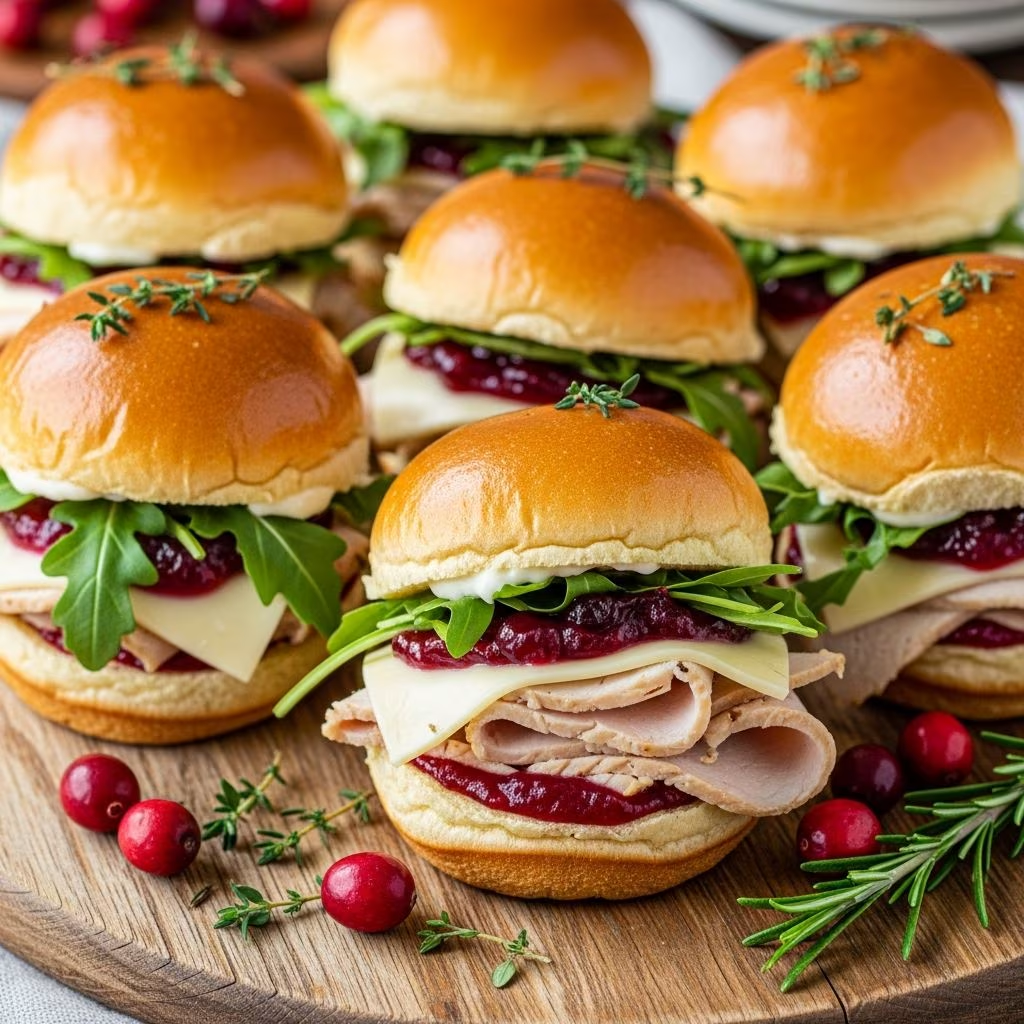
When it comes to transforming leftover poultry into something extraordinary, few dishes rival the appeal of turkey cranberry cheese sliders. These handheld delights combine the savory richness of roasted turkey with the bright tartness of cranberry sauce, all unified by melting cheese and soft, pillowy rolls. Whether you’re planning a post-holiday gathering or simply seeking an elegant lunch option, these sliders deliver maximum flavor in an unexpectedly simple package.
Understanding the Foundation: Why These Sliders Work
The magic of turkey cranberry cheese sliders lies in their balanced flavor profile. The combination taps into classic autumn tastes that resonate with nearly everyone, making them an ideal choice for entertaining. The sweetness of the rolls provides textural contrast, while the cranberry’s natural acidity cuts through the richness of melted cheese and tender turkey. This interplay of flavors creates a sophisticated yet approachable bite that feels both comforting and refined.
These sliders also represent practical cooking wisdom. They transform modest quantities of leftover ingredients into a showstopping dish that appears far more labor-intensive than it actually is. A modest amount of turkey, a handful of cheese, and some cranberry sauce can yield a complete meal or impressive appetizer for a small group.
Selecting Your Ingredient Components
The Role of Quality Rolls
The foundation of any exceptional slider begins with the right roll selection. Hawaiian rolls have emerged as the preferred choice for this application due to their natural sweetness and tender crumb structure. These rolls, typically sold in 12-count packages, offer the perfect size-to-filling ratio. The subtle vanilla notes inherent in Hawaiian rolls complement rather than overwhelm the savory elements of turkey and cheese.
Alternative roll options include homemade dinner rolls or slider-specific buns, though these may require adjustment in baking time. The key characteristic to seek is a roll that remains soft and pliable when moistened but maintains structural integrity during assembly and baking.
Cheese Varieties and Their Characteristics
While traditional cheddar offers a reliable option with strong melting properties and familiar flavor, several cheese varieties bring distinct advantages to this application:
- Swiss Cheese: Provides a mild, slightly sweet profile with excellent melting characteristics that won’t overpower the cranberry notes
- Havarti: Offers creamy texture and subtle nutty flavors that bridge turkey and cranberry beautifully
- Provolone: Delivers semi-firm texture with gentle smokiness that complements autumn flavors
- Gouda: Contributes caramel notes and smooth meltability
- Boursin: A garlic and herb-infused cheese spread that adds complexity and moisture
For optimal melting and coverage, purchasing cheese as a block and shredding it yourself produces superior results compared to pre-shredded varieties, which contain anti-caking agents that inhibit smooth melting.
Turkey Selection and Preparation
Turkey slices should be thin enough to fold easily but substantial enough to provide authentic poultry flavor without disappearing into the finished slider. Leftover turkey from holiday dinners works beautifully, as does freshly purchased deli turkey sliced at the counter. The distinction between white meat and dark meat is largely personal preference—white meat offers leaner texture, while dark meat provides richer, more pronounced flavor.
Approximately half a pound of sliced turkey accommodates a 12-roll package adequately, with roughly one ounce per slider accounting for proper coverage without excessive layering.
Cranberry Sauce Considerations
Both homemade and canned cranberry sauces perform admirably in this application. The fundamental consideration involves texture preference. Whole-berry cranberry sauce maintains distinct fruit pieces that add visual interest and textural variation, while smooth preparations create more uniform coverage. Regardless of variety, approximately half a cup provides sufficient tartness to balance cheese and turkey across the entire batch.
Building Your Flavor Profile with Butter Mixtures
The crowning element of exceptional sliders emerges from carefully constructed butter mixtures applied before baking. These preparations elevate the dish from simple to sophisticated, adding aromatic complexity and luxurious mouthfeel.
Traditional Brown Butter Approach
Brown butter—butter heated until its milk solids caramelize—develops deep, nutty flavors that transform ordinary sliders into restaurant-quality fare. This technique requires patience and attention. Melt unsalted butter in a heavy-bottomed saucepan over medium heat, stirring frequently until the butter transforms from pale yellow through golden-brown to the point where nutty aromas become pronounced and small brown bits appear on the pan’s surface.
Once browned, incorporate complementary seasonings such as poultry seasoning and garlic powder, which echo traditional Thanksgiving profiles. This aromatic mixture should cool slightly before application to prevent cooking the roll tops prematurely.
Honey-Dijon Variations
An alternative approach combines melted butter with Dijon mustard and honey, creating sweet-savory complexity that heightens every element of the slider. The mustard’s sharpness amplifies the cranberry’s tartness, while honey adds subtle sweetness that doesn’t overshadow other components. This combination typically includes additional seasonings like Worcestershire sauce, onion powder, and garlic powder for dimensional flavor development.
Poppy Seed Enhancement
Some preparations incorporate poppy seeds into butter mixtures, adding visual interest and subtle nutty notes. The seeds catch light when applied to the roll tops, creating appealing presentation while contributing unexpected textural contrast with each bite.
Assembly Methodology and Best Practices
Preparation and Pan Setup
Begin by preheating your oven to the specified temperature, typically between 350°F and 375°F depending on recipe variation. Prepare your baking vessel—a standard 9×13-inch pan accommodates most 12-roll packages—by lining it with parchment paper. Some preparations benefit from an additional light coating of cooking spray to prevent sticking, though the parchment typically provides sufficient non-stick properties.
Layering Strategy
Success in slider assembly depends on thoughtful layering order. Begin by slicing Hawaiian rolls horizontally, separating top and bottom halves while keeping them in formation within the pan. This maintains alignment and prevents the filling from spreading during assembly.
The optimal layering sequence typically follows this pattern:
- Bottom roll layer positioned in the prepared pan
- Optional base layer—either mayonnaise or Boursin cheese spread
- Half the total cheese allocation, ensuring even distribution
- Turkey slices arranged in slightly overlapping pattern
- Cranberry sauce distributed in measured spoonfuls
- Remaining cheese layer to create enclosed filling
- Top roll layer positioned carefully
This sequence ensures filling containment while allowing adequate cheese coverage to create appealing melted pulls when eating.
Butter Application
Apply prepared butter mixture across all top roll surfaces using a pastry or basting brush. Work methodically to ensure even coverage, allowing some butter to pool into crevices between rolls. This application step significantly influences final texture and browning characteristics.
Baking and Finishing Techniques
Two-Stage Baking Process
Most preparations employ a two-stage baking approach that protects the slider tops while ensuring cheese fully melts and interior components heat through completely. Begin by tenting the baking pan tightly with aluminum foil, which traps steam and creates a humid environment that promotes even cheese melting without excessive browning.
In this covered stage, lasting approximately 20-25 minutes at 350-375°F, the interior ingredients reach proper temperature and cheese becomes pliable. The covered environment prevents the rolls from developing color prematurely, which would result in tough or overly-browned tops.
The second stage, lasting 5-8 minutes uncovered, allows the roll tops to develop golden-brown color and slight crispness that contrasts pleasantly with the soft interior. This finishing touch creates textural complexity and visual appeal.
Optional Garnishes and Toppers
Before baking or after removal from the oven, sesame seeds or poppy seeds can be sprinkled across the buttered tops to add visual interest and subtle flavor complexity. These garnishes catch light when the sliders cool slightly, enhancing presentation for entertaining contexts.
Serving and Storage Guidance
Immediate Serving
These sliders reach optimal eating temperature immediately after emerging from the oven. Allow a brief 5-minute resting period for the cheese to set slightly, preventing excessive melted cheese from dripping during consumption. Each 12-roll package yields six standard servings, with each portion representing two connected sliders.
Make-Ahead and Storage
Sliders can be assembled several hours in advance, covered, and refrigerated before baking. This convenience makes them ideal for entertaining preparations. The extended chill time may slightly increase baking duration, typically adding 5-10 minutes to achieve full cheese melt and filling temperature.
Leftover sliders maintain quality for several days when stored in airtight containers. Reheat gently at 325°F for 10-15 minutes, covered with foil to prevent excessive drying.
Frequently Asked Questions
Can these sliders be prepared without meat?
Yes, vegetarian versions can substitute turkey with additional vegetables, legumes, or plant-based proteins. Mushroom preparations or meatless alternatives provide substantial texture while maintaining flavor harmony with cranberry and cheese components.
What beverages pair well with turkey cranberry cheese sliders?
Lighter white wines like Riesling or Pinot Grigio complement these sliders nicely, as does sparkling cider or ginger ale. The acidity in these beverages echoes the cranberry tartness, creating pleasant flavor progression.
How far in advance can sliders be assembled?
Assembly can occur up to 8 hours before baking if stored covered and refrigerated. However, flavor and texture are optimized when sliders bake within 2-3 hours of assembly.
Are there options for those avoiding dairy?
Dairy-free cheese substitutes have improved substantially and can replace traditional cheese selections. Results vary depending on brand and variety, so experimentation may be necessary to achieve preferred melting characteristics.
Can sliders be frozen for later use?
Unbaked assembled sliders freeze successfully for up to one month when wrapped carefully in plastic wrap and aluminum foil. Bake directly from frozen, adding 10-15 minutes to standard baking time and ensuring the foil cover remains in place during the extended cooking period.
Troubleshooting Common Challenges
Cheese not melting evenly: Ensure cheese is shredded rather than sliced (for shredded varieties), distribute it across two layers rather than concentrating it in one area, and verify your oven maintains accurate temperature using an oven thermometer.
Rolls becoming too dry: Reduce baking time slightly, particularly in the uncovered second stage. The butter application should create visible moisture across the tops—if rolls appear dry when removed, brief additional baking accomplishes color development without excessive moisture loss.
Cranberry sauce sliding out during eating: Apply cranberry sauce more conservatively, ensuring it sits atop the turkey layer where it can’t slide freely. Some preparations benefit from slightly reducing the cranberry sauce on the stovetop to increase viscosity before application.
Filling leaking from slider sides: Ensure the bottom roll layer remains completely intact and fully covers the pan bottom. Broken or partial rolls allow filling to escape during baking.
Creative Variations and Adaptations
Once mastering the basic formula, numerous variations invite experimentation. Add sautéed mushrooms or caramelized onions for umami depth. Incorporate fresh or dried herbs like thyme or sage into the butter mixture. Substitute different nut butters in place of traditional butter for distinctive flavor profiles. Layer in crispy bacon for additional textural contrast, or add fresh arugula after baking for peppery freshness.
The fundamental technique remains consistent regardless of variation, allowing endless customization to match personal preferences or available ingredients.
References
- Cheesy Cranberry Turkey Sliders Recipe on Hawaiian Rolls — Sip and Sanity. Accessed April 2026. https://www.sipandsanity.com/cranberry-turkey-sliders/
- Turkey Cranberry Sliders (Easy Recipe!) — Olivia’s Cuisine. Accessed April 2026. https://www.oliviascuisine.com/turkey-cranberry-sliders/
- Leftover Turkey Cranberry Sliders — Buns In My Oven. Accessed April 2026. https://www.bunsinmyoven.com/turkey-cranberry-sliders/
- Turkey Cranberry Sliders with Boursin — Striped Spatula. Accessed April 2026. https://stripedspatula.com/turkey-cranberry-sliders/