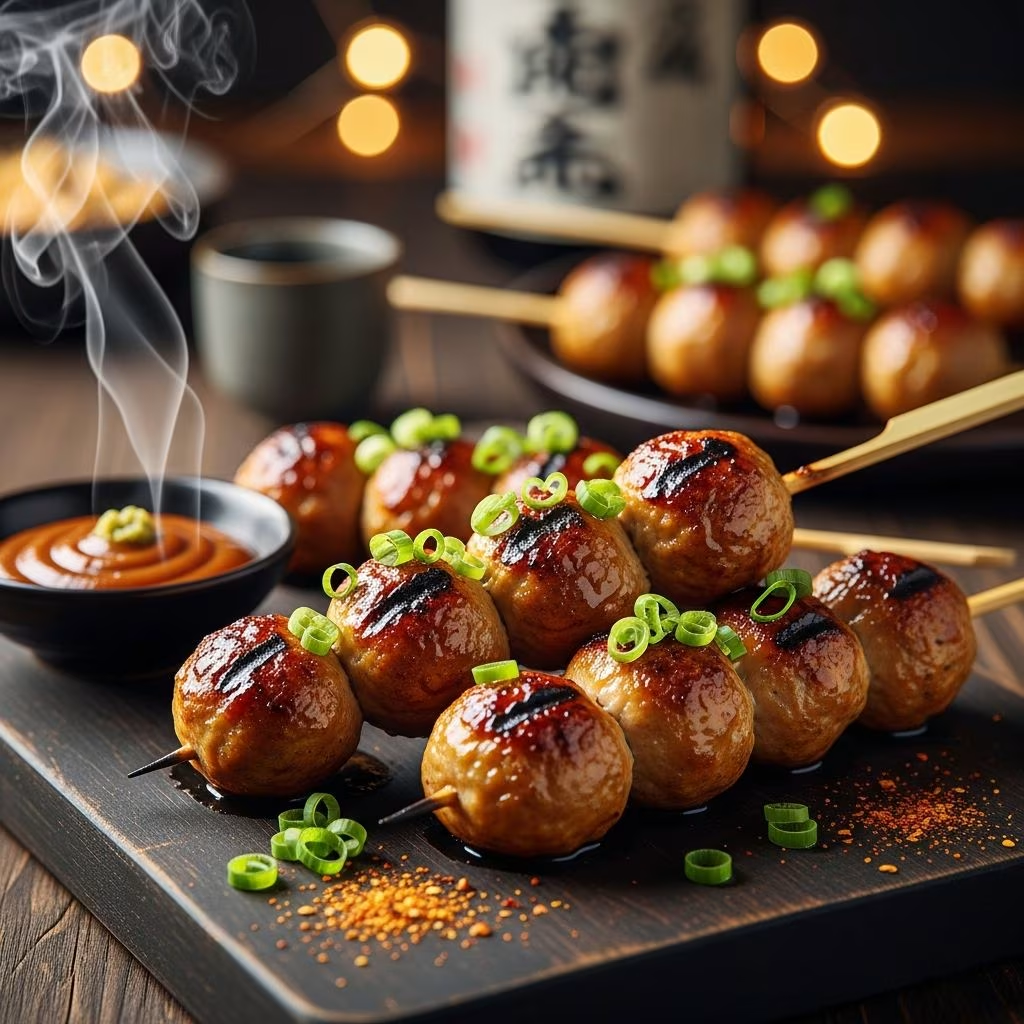
Japanese cuisine celebrates the philosophy of using every part of an ingredient, and few dishes embody this principle more beautifully than tsukune—delicate ground chicken meatballs that have become a beloved staple across Japan. These savory, slightly sweet bites represent a culinary tradition deeply rooted in yakitori culture, where carefully selected proteins are transformed into portable, shareable delights. Whether enjoyed at a bustling street-food stall or an upscale yakitori restaurant, tsukune offers an accessible entry point into authentic Japanese grilling techniques that home cooks can master with proper guidance.
Understanding the Culinary Heritage of Tsukune
The word “tsukune” derives from the Japanese verb “tsukuru,” which means “to make” or “to form,” describing the fundamental process of shaping ground meat into compact, delicious portions. This dish likely emerged during the Edo period (1603-1868) as Japan’s yakitori culture expanded beyond simple grilled skewers. During this era, Japanese cooks developed innovative techniques for creating flavorful, bite-sized foods that could be cooked quickly and enjoyed communally. The preparation method evolved alongside other yakitori items, becoming standardized in specialized restaurants and street food establishments where charcoal-grilled proteins dominated menus.
Today, tsukune represents more than just a recipe—it symbolizes Japanese culinary innovation and resourcefulness. The dish connects home cooks to centuries of grilling tradition while remaining remarkably simple to prepare. Understanding this cultural context enriches the cooking experience and demonstrates why these meatballs deserve a prominent place in any global kitchen.
Selecting Premium Ingredients for Superior Texture
Creating authentically tender and juicy tsukune begins with understanding ingredient composition and quality. Unlike Western meatballs that often emphasize beef or pork, Japanese tsukune rely entirely on chicken, with specific attention to fat content and protein structure.
Chicken Selection and Fat Content
The foundation of exceptional tsukune is chicken that contains adequate fat to maintain moisture during cooking. Ground chicken thighs deliver superior results compared to breast meat, as the higher fat content prevents the meatballs from becoming dry and dense. When selecting chicken, look for products labeled as “ground chicken thighs” or request a butcher to grind thighs specifically for this recipe. Some traditional recipes recommend including additional chicken fat—approximately 50 grams per 450 grams of ground chicken—to enhance the distinctive bouncy, tender texture that characterizes authentic preparation.
Aromatic Components and Flavor Builders
Beyond the protein base, several ingredients contribute essential flavor and textural complexity. Grated onion serves multiple functions: it adds sweetness, provides moisture through its natural juices, and helps bind the mixture together. Fresh ginger juice extracted from grated ginger root introduces a subtle warmth and complexity that balances the dish’s sweet glaze. Green onions (scallions) contribute mild allium notes without overwhelming delicate chicken flavors. Some recipes incorporate finely grated dried shiitake mushrooms, which add umami depth and earthiness.
Binding and Seasoning Elements
A single large egg provides binding structure while allowing the mixture to remain light and airy rather than dense. Sesame oil—particularly toasted varieties—adds nutty aromatics and richness. Salt serves not only as seasoning but also as an extractant that helps chicken proteins bind together, creating that characteristic smooth surface and bouncy texture. Japanese miso paste, when added in modest quantities, introduces fermented complexity without making the flavor overtly salty.
Building the Perfect Meatball Mixture
Technique matters enormously when combining ingredients. Rather than simply mixing components casually, proper preparation requires methodical, deliberate steps that develop the right texture and binding structure.
Sequential Mixing Method
Begin by combining ground chicken with salt and chicken fat in a bowl, mixing thoroughly until the mixture becomes distinctly sticky. This initial mixing activates chicken proteins, creating a tacky surface that helps bind remaining ingredients. Next, add remaining components—egg, grated onion, ginger juice, and any other seasonings—mixing with hands until thoroughly incorporated. The final texture should be noticeably tacky and adhesive, though still formable by hand.
Achieving Consistency and Preventing Excess Moisture
Some recipes call for gradual addition of sake (Japanese rice wine), which adds subtle flavor and adjusts moisture content. However, add this ingredient cautiously—the mixture should never become so soft that it cannot hold shape when formed into balls. If excessive liquid develops, hold back remaining sake to maintain structural integrity. The goal is a mixture that feels slightly sticky when pressed but remains distinct enough to hand-form into compact spheres.
Quality Testing Before Full-Scale Production
Before forming all meatballs, cook a small test patty to evaluate seasoning accuracy and adjust salt or other seasonings as needed. This quality-control step prevents disappointment after cooking dozens of meatballs, ensuring the final dish meets your flavor preferences.
Forming and Pre-Cooking Tsukune
Proper formation creates meatballs with smooth surfaces—a characteristic that distinguishes Japanese tsukune from bumpy Western-style versions. The smooth surface comes from using finely minced ingredients and appropriate hand-forming technique rather than mechanical processing.
Hand-Forming Technique
Traditional formation involves placing a portion of the mixture on one palm, then gently rolling it between both hands to create a uniform sphere. Some cooks prefer forming the mixture into small oval or cylindrical shapes rather than perfect balls, creating a slightly larger surface area for sauce application. Consistency in size ensures uniform cooking—aim for meatballs approximately 1½ tablespoons in volume.
Boiling as Essential Pre-Cooking Step
Before grilling, tsukune are typically boiled to cook through the interior while keeping the exterior tender and ready for charring. Bring water to a rolling boil and carefully add meatballs using an oiled spoon to prevent sticking. Cook in a single layer, avoiding overcrowding that would lower water temperature. Meatballs are ready when they float to the surface and feel light when gently lifted with a spoon, typically requiring 5-7 minutes depending on size. This pre-cooking step ensures the interior reaches safe temperatures before exposure to direct heat, preventing burnt exteriors with undercooked centers.
Creating the Essential Glaze
The tare—a Japanese sauce combining soy sauce, mirin, and sugar—provides the characteristic sweet-savory finish that makes tsukune memorable. This sauce transforms simple grilled chicken into something distinctly Japanese and deeply satisfying.
Sauce Composition and Reduction
Combine soy sauce, mirin (sweet rice wine), and sugar in a saucepan, bringing the mixture to a boil. Once boiling, reduce heat to medium or medium-low and simmer for approximately 4-5 minutes, allowing the liquid to reduce by about one-third. This reduction concentrates flavors and creates a glossy, slightly thickened consistency ideal for brushing onto meatballs. The reduction process also caramelizes sugars slightly, developing deeper, more complex sweetness.
Flavor Profile Variations
The classic sweet sauce (tare) can be modified to suit preferences. A salty variation simply involves sprinkling salt over meatballs during grilling without any additional sauce. Some preparations incorporate additional elements like ginger or garlic into the glaze for increased aromatic complexity. The sauce-to-meatball ratio can be adjusted—lighter applications create subtle glaze, while generous basting produces heavier coating and more pronounced charring.
Grilling and Final Cooking
The final cooking stage determines whether tsukune achieves the ideal balance between moist interior and flavorfully charred exterior.
Equipment and Heat Preparation
Tsukune can be cooked using various heat sources: traditional charcoal grills, gas grills, griddles, or even broiler-equipped ovens. Regardless of equipment chosen, ensure the cooking surface is thoroughly preheated and lightly oiled to prevent sticking. Flat bamboo skewers—traditionally called teppō gushi (鉄砲串, or “gun skewers”) due to their distinctive shape—work best, though meatballs can also cook individually on a grill rack.
Cooking Timeline and Technique
Thread three pre-cooked meatballs onto each flat skewer. Over a medium-heat source, brush tsukune with sauce and cook for 1-2 minutes until the exterior develops slight char and browning. Flip the skewers and cook the opposite side for 1-2 minutes with sauce application, then baste both sides with additional sauce and cook 30 seconds on each side. Using a broiler requires a similar sequence: broil for 2 minutes, brush with sauce, rotate the tray 180 degrees, and repeat twice more for approximately 8 minutes total cooking time. The meatballs are finished when the exterior is browned and crispy, internal temperature reaches 165°F, and the sauce has caramelized into a glossy coating.
Serving and Enjoyment
Tsukune shine brightest when served immediately after cooking, while the exterior remains crispy and the sauce still clings to the surface. Present the skewers standing upright in a bowl of rice or on a serving platter with additional sauce for dipping. These meatballs pair beautifully with cold beer, crisp white wine, or traditional Japanese beverages like sake.
Frequently Asked Questions
Can I prepare tsukune in advance?
Yes, uncooked meatballs can be refrigerated for up to 24 hours before boiling and grilling, or frozen for several weeks. Boiled meatballs can also be refrigerated and grilled later the same day.
What if I don’t have access to Japanese ingredients?
While mirin adds authentic sweetness, a combination of regular sugar and a small amount of sake or rice wine vinegar creates a reasonable substitute. Soy sauce is widely available, and sesame oil can be found in most supermarkets.
Can these meatballs be baked instead of grilled?
Broiling in an oven produces excellent results and offers a convenient alternative to outdoor grilling. Follow the broiler cooking timeline for consistent results.
How many meatballs does this recipe typically yield?
Most recipes produce 20-24 meatballs from approximately 1.5 pounds of ground chicken, enough to serve 4-6 people as an appetizer or main course with rice.
Conclusion
Mastering tsukune connects home cooks to Japanese culinary traditions while developing practical skills applicable to countless other recipes. The combination of thoughtful ingredient selection, precise technique, and proper seasoning creates meatballs that taste remarkably similar to those served in authentic yakitori restaurants. With practice, preparing these delightful bites becomes intuitive, making tsukune a go-to option for weeknight dinners, entertaining guests, or simply satisfying cravings for authentic Japanese flavors. The beauty of this dish lies in its deceptive simplicity—while the ingredient list appears modest, the final result demonstrates how fundamental techniques and quality components combine to create something truly memorable.
References
- Tsukune (Japanese Chicken Meatballs) — RecipeTin Eats Japan. Accessed April 2026. https://japan.recipetineats.com/tsukune-japanese-chicken-meatballs/
- Tsukune (Japanese Chicken Meatballs) — Nom Nom Paleo. Accessed April 2026. https://nomnompaleo.com/tsukune
- Tsukune (Chicken Meatball): The Most Delicious Meatball That Comes from Yakitori Culture in Japan — OBSESSED by Sarah Gavigan. Accessed April 2026. https://iamobsessed.substack.com/p/tsukune-chicken-meatball
- Japanese Chicken Meatballs Recipe — YouTube/Giant Eagle. Accessed April 2026. https://www.youtube.com/watch?v=WUkCbp-SyyI