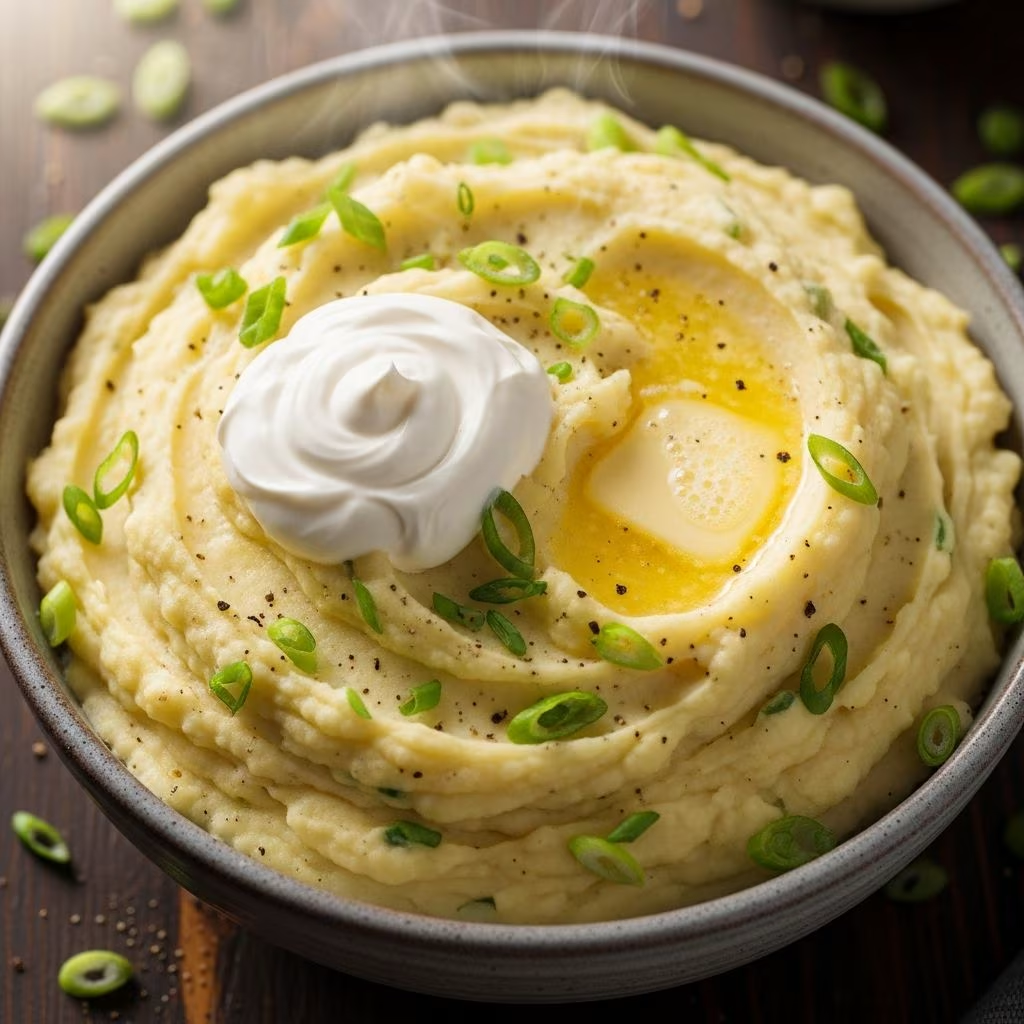
Norwegian lefse stands as a cornerstone of Scandinavian culinary tradition, a versatile potato-based flatbread that bridges sweet indulgences and hearty meals. Thin, soft, and subtly flavorful, lefse captures the essence of Norwegian home cooking, often prepared in large batches during family gatherings or festive seasons like Christmas. This guide draws from time-honored methods to help you craft lefse that rivals those made by generations of Norwegian bakers.
The Heritage and Appeal of Lefse
Lefse originated in Norway as a practical food for long winters, using abundant potatoes to create a nourishing flatbread. Unlike dense breads, its potato foundation yields a pliable texture ideal for wrapping fillings or enjoying plain with toppings. Families pass down recipes, each with slight variations in sweetness or thickness, but the core remains: riced potatoes mixed with flour, butter, and cream for tenderness.
Today, lefse evokes nostalgia for Norwegian Americans, especially in Midwest communities where it’s a Thanksgiving staple. Its appeal lies in simplicity—requiring few ingredients yet demanding skill in rolling and cooking to achieve the perfect thin, speckled rounds.
Essential Ingredients for Traditional Lefse
Selecting high-quality components ensures success. Focus on starchy russet potatoes for their low moisture and high starch content, which prevent gummy dough.
- Russet potatoes: 5 pounds (about 2.3 kg) for 40 sheets; bake or boil to retain dryness.
- Unsalted butter: 1 stick (113g), melted into warm potatoes for even distribution.
- Heavy cream: 1/4 to 1 1/4 cups (60-300ml), adding richness without sogginess.
- All-purpose flour: 3-4 cups (360-480g), incorporated gradually to bind without toughness.
- Salt and sugar: 1-1.5 tsp salt, 2-2.5 tbsp sugar for subtle flavor balance.
Avoid over-flouring, as excess leads to hard edges. European-style butter enhances authenticity with higher fat content.
Step-by-Step Preparation: Day One
Prep spans two days for optimal texture, allowing potatoes to dry thoroughly.
- Bake or boil potatoes: Preheat oven to 400°F (200°C). Wash 5 lbs russets, pierce, and bake 45-60 minutes until fork-tender. Alternatively, peel, cube, and boil 12 minutes with 1/2 tsp salt.
- Rice while warm: Peel hot potatoes to ease skin removal. Rice twice using a ricer for fluffiness—discard eyes or tough spots to avoid lumps.
- Incorporate fats: Mix in melted butter, cream, salt, and sugar while warm. Spread into a 9×13-inch pan, cool uncovered 1-2 hours to evaporate moisture.
- Chill overnight: Cover and refrigerate 8-24 hours. Dry potatoes are key to smooth rolling.
This method yields about 40 pieces from 5 lbs, scalable for smaller batches.
Mixing and Shaping the Dough
Day two focuses on dough assembly.
- Blend dry mix: In a bowl, combine chilled potatoes with 4 tsp flour, then full amount (3-3.75 cups). Knead gently 2 minutes until smooth, not sticky.
- Form logs: Divide into two 8-inch logs, cut into 8 sections each (16-40 balls total, golf-ball size). Cover with a towel to prevent drying.
- Press discs: Flatten balls into 4-inch pucks using hand edges for even circles, minimizing cracks.
Dough should be soft and pliable; add flour sparingly.
Rolling Techniques for Thin, Even Lefse
Rolling demands practice for paper-thin (1/16-inch) rounds, 12 inches diameter.
- Setup: Flour pastry cloth or board generously. Use smooth pin first, then corrugated for texture grip.
- Roll method: Start center-out, rotate 1/4 turn every 2-3 passes. Aim for griddle-sized circle; patch cracks with floured fingers.
- Tools: Lefse stick or long spatula for transfer; pastry cloth speeds cleanup.
Tip: Roll one while cooking another to maintain rhythm. Excess flour brushes off before griddling.
Cooking Lefse to Perfection
High heat ensures quick cooking without drying.
| Step | Time | Temperature | Signs of Doneness |
|---|---|---|---|
| Preheat griddle/pan | – | 475-500°F (245-260°C) | Water beads and dances |
| Cook side 1 | 45-60 sec | Medium-high | Light brown spots |
| Flip & cook side 2 | 30-45 sec | Medium-high | Golden speckles, no doughy center |
Transfer to towel-lined stack to steam-cool, preventing sticking. Repeat, adjusting heat if browning too fast.
Classic Serving Suggestions
Lefse’s neutrality shines with diverse toppings.
Sweet Variations
- Butter and sugar: Spread softened butter, sprinkle sugar, roll up.
- Kling: Mix butter, sugar, cream; spread thinly, fold into rectangles, cut small.
- Cinnamon butter: Blend butter, sugar, cinnamon; alternative with syrup or jam.
Savory Options
- Smoked salmon, cream cheese, dill.
- Meat fillings like lutefisk or gjetost cheese.
- Simple salt and butter for purity.
Serve warm for best texture; store stacked in plastic, refrigerate up to a week, or freeze.
Troubleshooting Common Issues
| Problem | Cause | Solution |
|---|---|---|
| Dough sticky | Moist potatoes | Rice twice, chill longer, minimal flour |
| Tears when rolling | Too cold/dry | Let warm slightly, more flour on board |
| Bubbles or thick spots | Uneven rolling | Rotate frequently, use corrugated pin |
| Hard edges | Excess flour | Brush off, roll thinner |
| Not browning | Low heat | Increase to 500°F, dry griddle |
Practice yields consistency; start small.
Equipment Recommendations
- Griddle: 16-18 inch lefse-specific or cast iron.
- Ricer: Essential for smooth mash; food mill alternative.
- Rolling pin: Corrugated for authenticity.
- Stick: Thin wooden for flipping.
Scaling and Storage Tips
Halve for 20 pieces: 2.5 lbs potatoes. Cool fully before stacking; reheat in microwave or griddle. Freezes well up to 3 months—thaw at room temp.
FAQ
What potatoes work best for lefse?
Russets due to high starch, low moisture.
Can I make lefse without a ricer?
Mash finely by hand, but ricer prevents gumminess.
How thin should lefse be?
Translucent, about 1/16 inch.
Why bake potatoes instead of boiling?
Baking retains dryness for better dough.
Gluten-free lefse possible?
Substitute potato starch/flour blends, but texture differs.
Variations Across Norway
Northern lefse uses milk/flour (tjukklefse); potato versions dominate central regions. Add cardamom for sweet twists.
References
- Traditional Norwegian Lefse Recipe — Tasting Table. 2023. https://www.tastingtable.com/1191252/traditional-norwegian-lefse-recipe/
- Norwegian Potato Lefse Recipe (With Video) — Scandinavian Cookbook. 2022-10-15. https://scandinaviancookbook.com/norwegian-potato-lefse-recipe/
- How to Make Perfect Norwegian Lefse — Minnesota Uncorked. 2023. https://www.minnesotauncorked.com/how-to-make-perfect-norwegian-lefse/
- Norwegian Potato Lefse — Sunday Table. 2024. https://sundaytable.co/norwegian-lefse/
- Norwegian lefse with cinnamon butter — A Kitchen in Istanbul. 2022. https://vidarbergum.com/recipe/norwegian-lefse-with-cinnamon-butter-cream/
- Lefse (Norwegian Potato Flatbread) — The Daring Gourmet. 2023-11-20. https://www.daringgourmet.com/norwegian-potato-lefse/