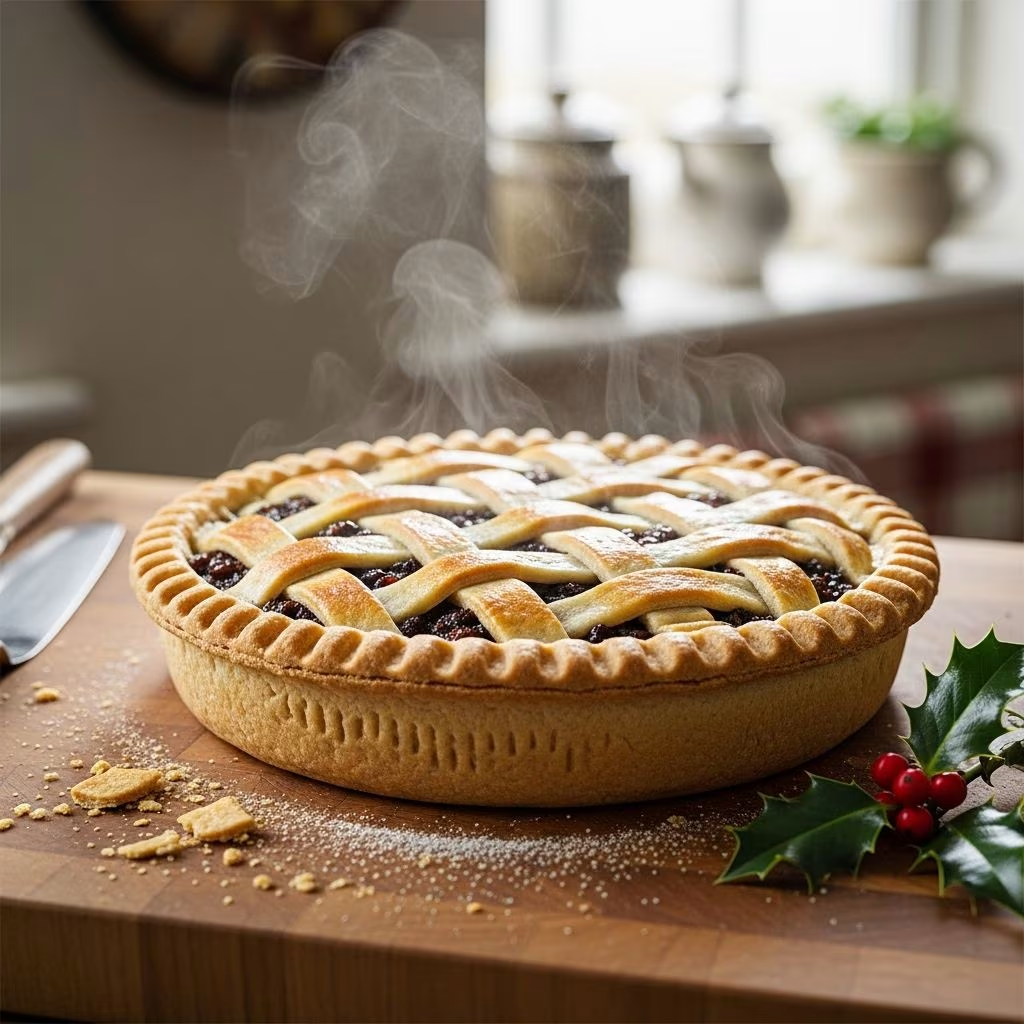
Traditional mincemeat pie stands as a cornerstone of holiday baking, combining tender beef, tart apples, and a medley of dried fruits with warm spices for a filling that’s both savory and sweet. This pie evokes centuries of culinary tradition, offering a bold contrast to modern desserts.
The Enduring Appeal of Mincemeat Pie
Mincemeat pie has roots in medieval Europe, where it served as a practical way to preserve meat and fruits through winter. Over time, it evolved into a festive staple, particularly in British and American holiday feasts. The filling, often simmered slowly, develops deep flavors that pair perfectly with flaky pastry.
Unlike fruit-only pies, mincemeat incorporates cooked meat—typically beef—for richness and texture. This element surprises many modern bakers but defines its authentic character. Apples provide natural sweetness and moisture, while spices like cinnamon, nutmeg, and mace add aromatic depth.
Essential Ingredients for Authentic Flavor
Building a superior mincemeat filling requires quality components. Start with beef: ribeye or ground varieties work well, providing savory backbone without overpowering the mix. Suet, the traditional fat, renders cleanly for flakiness; substitutes like tallow, butter, or coconut oil maintain authenticity when fresh suet is unavailable.
Dried fruits—raisins, currants, and prunes—contribute chewiness and natural sugars. Tart apples, such as Granny Smith, balance sweetness and hold up during cooking. Apple cider or wine enhances moisture and ties flavors together. Spices elevate the profile: ground mace offers a subtle floral note, complemented by cinnamon and nutmeg.
- Beef: 1 lb finely chopped or ground for tenderness.
- Apples: 1.5 lbs peeled and diced, about 3 cups.
- Fats: 1/3 cup suet or substitute.
- Liquids: 3/4 cup cider or brandy for depth.
- Fruits: 1/2 cup each raisins and currants.
- Spices: 1 Tbsp mace, 1/2 Tbsp cinnamon, 1/2 tsp nutmeg.
Step-by-Step Preparation Process
Begin by cooking the beef. For ground meat, brown it in a pan with salt over medium heat until fully cooked. If using steak like ribeye, boil until tender, then chop finely. This ensures even distribution in the filling.
In a large bowl, mix chopped apples, suet (chopped small), dried fruits, spices, and cider. Incorporate the cooked beef, stirring until uniform. For deeper flavor, simmer the entire mixture uncovered for 1-2 hours, adding spirits like brandy toward the end.
Prepare pastry dough separately. A basic recipe uses flour, cold butter or lard, sugar, salt, and ice water. Chill for 30 minutes to prevent toughness. Roll out to 1/8-inch thickness for bottom and top crusts.
- Preheat oven to 400°F (204°C).
- Line a 9-inch pie plate with bottom crust.
- Fill with mincemeat, mounding slightly in center.
- Add top crust, seal edges with fork tines, and vent with slits.
- Brush with egg wash for shine; bake 40-50 minutes until golden.
Cool on a wire rack before slicing to allow filling to set. Total time: about 1.5 hours plus chilling.
Mastering the Perfect Pie Crust
A flaky crust is crucial for encasing the robust filling. Use very cold fats—dice butter into 1/2-inch cubes and chill water. Pulse in a food processor until pea-sized crumbs form, then add water gradually until dough holds when pinched.
Key techniques include minimal handling to preserve fat layers, which create steam pockets for flakiness. For mini pies, cut smaller circles and fill tart tins, baking at higher heat for shorter times.
| Crust Type | Fat Ratio | Best For |
|---|---|---|
| All-Butter | 100% butter | Rich flavor |
| Butter-Lard | 2:1 butter:lard | Maximum flakiness |
| Shortening | 100% shortening | Tender, easy handling |
Experiment with ratios based on preference; lard yields the most traditional texture.
Historical Evolution and Regional Twists
Early recipes, like one from 1798’s American Cookery, called for boiled beef, raw apples, suet, wine, and bold spices—mirroring modern versions but with larger quantities. British traditions favor smaller mince pies for parties, filled identically but baked in muffin tins.
American adaptations sometimes omit meat for vegetarian fillings, using extra fruit and nuts. Venison or elk appears in some wild game recipes, adding gaminess. Alcohol like rum or brandy preserves and intensifies flavors, a nod to preservation practices.
Tips for Troubleshooting Common Issues
- Soggy Bottom: Blind-bake crust 10 minutes with weights before filling.
- Runny Filling: Simmer longer to reduce liquids; add cornstarch if needed.
- Tough Crust: Overworking dough or warm fats—keep everything ice-cold.
- Pale Top: Use egg wash and bake uncovered last 15 minutes.
Store baked pies in the fridge up to 5 days; freeze unbaked for 3 months. Reheat at 350°F.
Creative Variations to Elevate Your Pie
Modernize with chocolate chips or pecans stirred into the filling. For a lattice top, weave strips for ventilation and elegance. Mini versions suit cookie swaps—bake 10-15 minutes at 400°F.
Vegetarian option: Replace beef with lentils or mushrooms, adjusting spices for umami. Add candied citron or orange zest for citrus brightness.
Pairing Suggestions and Serving Ideas
Serve warm with whipped cream, brandy butter, or vanilla ice cream to cut richness. Pairs excellently with sharp cheddar slices—a classic combo. For drinks, mulled wine or spiced cider complements the spices.
Frequently Asked Questions
Can I make mincemeat filling ahead?
Yes, prepare up to 2 weeks in advance; store in jars in the fridge. Improves flavor as it matures.
Is suet necessary?
Not strictly; butter or tallow substitutes work well, though suet provides authentic melt.
Why include meat in a pie?
Historical preservation method; adds savory depth balancing sweet fruits.
How do I source quality ingredients?
Opt for grass-fed beef, organic dried fruits, and fresh spices for best taste.
Freezing instructions?
Assemble unbaked pie, wrap tightly, and freeze. Bake from frozen, adding 10-15 minutes.
Nutritional Insights and Storage
A slice offers protein from beef, fiber from fruits, and antioxidants from spices. High in calories due to fats and sugars—enjoy in moderation. Refrigerate leftovers; reheat gently to avoid sogginess.
References
- Old-Fashioned Mincemeat Pie Recipe from 1798 — Our Heritage of Health. 2018-12-10. https://www.ourheritageofhealth.com/old-fashioned-mincemeat-pie-recipe-from-1798/
- Traditional Mince Pies — The Daring Gourmet. 2023-12-01. https://www.daringgourmet.com/traditional-mince-pies/
- Mincemeat Pie Recipe — What’s Cooking America. 2022-11-15. https://whatscookingamerica.net/mincemeatpie.htm
- Kulick’s Mincemeat Pie Recipe — Kulick’s Pie Recipes. 2024-10-05. https://www.kulickspierecipes.com/mincemeat-pie-recipe/
- Grandma’s Homemade Mincemeat Recipe — What’s Cooking America. 2021-09-20. https://whatscookingamerica.net/mincemeatgrandma.htm