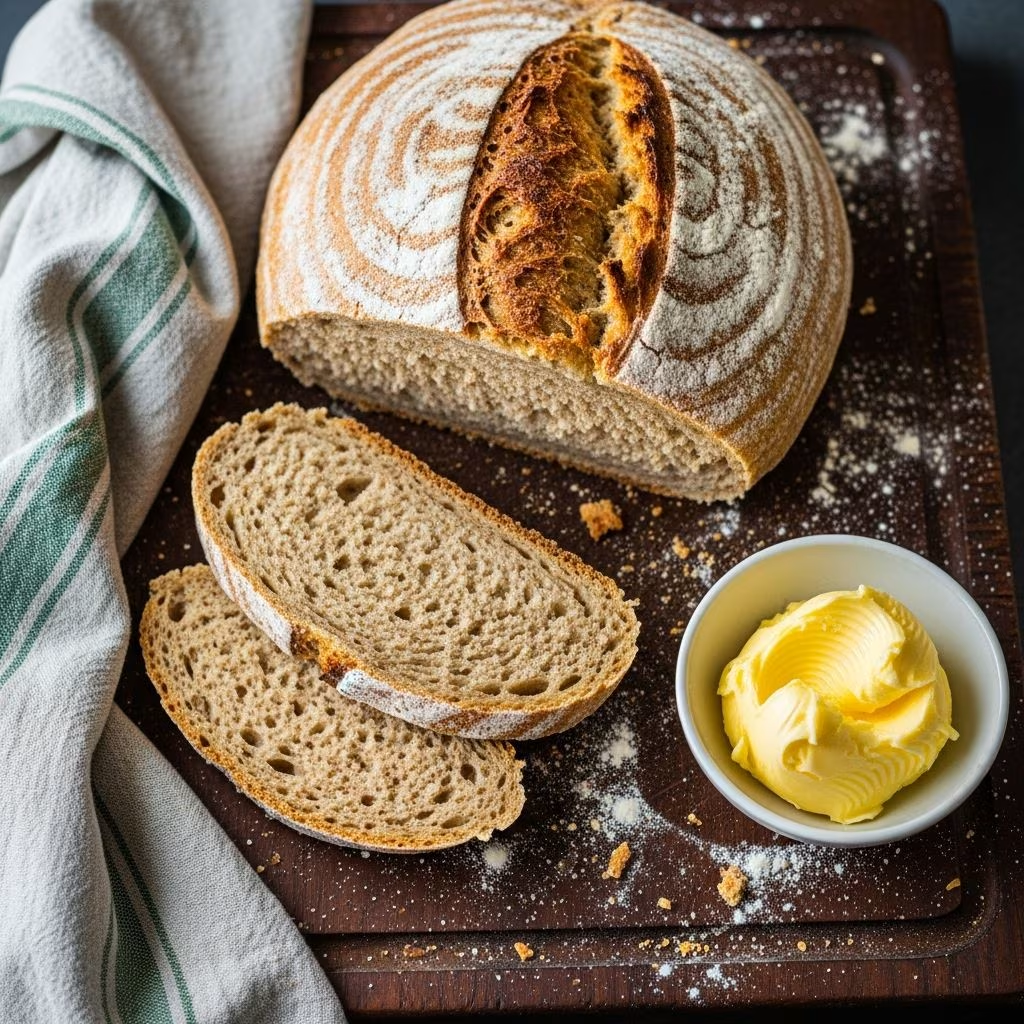
Irish wheaten bread stands as one of the most cherished baked goods in Irish culinary tradition. Unlike conventional yeast-based breads that require hours of rising and proofing, this distinctive loaf achieves its light, tender crumb through a chemical leavening process. The combination of wholemeal flour, white flour, and buttermilk creates a bread that is simultaneously hearty and delicate, making it perfect for breakfast, tea time, or alongside soups and stews. Understanding the fundamentals of this traditional recipe opens the door to mastering a bread that has graced Irish tables for generations.
Understanding the Core Ingredients
The foundation of authentic Irish wheaten bread rests on a carefully balanced selection of ingredients, each playing a specific role in the final product’s texture and flavor profile.
The Flour Component
The flour blend forms the backbone of this bread. Most traditional recipes call for a combination of wholemeal flour and plain white flour, typically in ratios ranging from equal parts to slightly more wholemeal than white. Wholemeal flour provides earthiness, fiber, and a slightly nutty flavor, while white flour contributes lightness and helps achieve a more tender crumb structure. Some bakers add a small portion of quick oats or steel-cut oats to enhance texture and nutritional value. The total flour weight usually ranges from 400 to 500 grams, depending on the desired loaf size and final consistency.
The Leavening System
Bicarbonate of soda (baking soda) serves as the primary leavening agent, activated by the acidity present in buttermilk. This chemical reaction begins immediately upon mixing, which is why Irish wheaten bread requires no rising time and can move directly from the mixing bowl to the oven. Typical recipes call for approximately one teaspoon of baking soda for every 400 grams of flour. Some traditional variants include a small amount of cream of tartar, which enhances the leavening action and contributes to a finer crumb structure.
The Binding Liquid
Buttermilk is the essential liquid component that distinguishes Irish wheaten bread from other soda breads. Its acidic nature activates the baking soda and creates the characteristic tender texture. The amount of buttermilk needed typically ranges from 300 to 400 milliliters, though exact quantities vary based on flour hydration and ambient humidity. The dough should achieve a wet, soft dropping consistency—softer than traditional bread dough but not so thin as to resemble batter.
Supporting Ingredients
Butter, salt, and a small amount of sugar round out the ingredient list. Melted or diced butter, usually between 30 and 50 grams, enriches the dough and contributes subtle flavor. Salt enhances the overall taste profile and strengthens gluten development. A small quantity of brown sugar or honey (about one to two tablespoons) adds mild sweetness and helps browning. Optional additions include wheat germ, wheat bran, or additional oats for enhanced nutrition and texture variation.
Preparing Your Mixing Foundation
Success with Irish wheaten bread begins with proper preparation of the dry ingredients.
Combining and Sifting
Begin by measuring all dry ingredients—flour, oats, baking soda, salt, and any optional additions—into a large mixing bowl. Sifting the baking soda separately helps break up any clumps that might prevent even distribution throughout the dough. Using your fingers or a whisk, thoroughly combine all dry ingredients to ensure the leavening agent is evenly dispersed. This step prevents pockets of dense texture that can result from uneven baking soda distribution.
Creating the Wet Mixture
In a separate vessel, combine the buttermilk, melted butter, any liquid sweetener, and additional flavorings. If your recipe includes an egg, whisk it thoroughly into this mixture to ensure even incorporation. Some recipes call for a small amount of oil in addition to or instead of butter, which contributes to moisture retention during baking.
The Mixing and Shaping Process
The technique used during mixing directly impacts the final bread’s structure and crumb characteristics.
Combining Wet and Dry Components
Rather than mixing everything together immediately, gradually introduce the wet ingredients to the dry mixture while stirring gently with a wooden spoon or spatula. This gradual approach allows you to achieve the correct consistency without overdeveloping gluten, which can result in a tough, dense loaf. Add the buttermilk slowly, reserving a small portion to adjust the dough consistency if needed. The final dough should be soft and slightly sticky, resembling a thick porridge or cake batter more than traditional bread dough.
Shaping Techniques
Once the dough comes together, lightly flour your work surface and gently turn out the mixture. Avoid aggressive kneading, as this develops excessive gluten and toughens the bread. Using floured hands, gently gather and shape the dough into a rough ball or round, handling it minimally to maintain the tender crumb structure. Some bakers prefer transferring the dough to a prepared loaf tin lined with greaseproof paper, while others shape it into a round and place it directly on a baking sheet.
Scoring and Topping
Traditional Irish wheaten bread typically features a cross scored deeply into the top surface, created with a sharp knife and extended about half an inch into the dough. This scoring serves both functional and symbolic purposes—it allows steam to escape during baking and helps the bread rise evenly. Before baking, dust the top with additional rolled oats, seeds, or a light flour coating. Some variations include pressing additional oats into the surface for visual appeal and textural interest.
Achieving Optimal Baking Results
Temperature Considerations
Oven temperature significantly affects the final product. Most recipes call for preheating the oven to between 180 and 220 degrees Celsius (350 to 430 degrees Fahrenheit), with fan-assisted ovens typically set about 20 degrees lower than conventional models. Some bakers employ a two-temperature approach, beginning at a higher temperature for the first portion of baking to promote oven spring and browning, then reducing heat for the remainder of the bake to prevent over-browning while the interior finishes cooking.
Baking Time and Doneness Indicators
Irish wheaten bread typically bakes for 45 to 55 minutes, depending on oven characteristics, loaf size, and shape. The most reliable indicator of doneness is the internal temperature, which should reach approximately 94 to 100 degrees Celsius (200 to 212 degrees Fahrenheit) when measured with an instant-read thermometer inserted into the center of the loaf. Additional visual cues include a golden-brown exterior and a hollow sound when the bottom of the bread is tapped gently.
Creating Steam for Improved Crust
Placing a shallow pan of water on the lowest oven rack during baking creates steam that helps develop a desirable crust while keeping the interior moist. This step is optional but often produces superior results, particularly for achieving a golden exterior and preventing the crust from becoming excessively hard during cooling.
Post-Baking Care and Storage
Cooling Properly
Once removed from the oven, allow the bread to cool in its pan or on a wire rack for several minutes before handling. Wrapping the warm loaf in a clean tea towel traps steam, which keeps the crust soft rather than hard and crispy. This step is particularly important for achieving the moist interior characteristic of properly made Irish wheaten bread.
Storage Methods
Irish wheaten bread is best enjoyed fresh, ideally within one to two days of baking. Store cooled bread wrapped in a tea towel or paper bag at room temperature away from direct sunlight. Avoid plastic bags, which trap moisture and can lead to mold growth. For longer storage, slice and freeze individual portions, which can be thawed or toasted as needed. Properly stored bread maintains acceptable quality for up to three days at room temperature or several weeks when frozen.
Troubleshooting Common Issues
| Problem | Likely Cause | Solution |
|---|---|---|
| Dense, Heavy Crumb | Overmixing or too much flour | Mix gently until ingredients combine; add buttermilk gradually |
| Dry Interior | Insufficient liquid or overbaking | Reduce baking time or increase buttermilk slightly |
| Hard Crust | Inadequate cooling in towel wrap | Wrap immediately after removing from oven |
| Uneven Browning | Hot spots in oven or uneven placement | Rotate pan halfway through baking |
| Gummy Interior | Underbaking | Ensure internal temperature reaches 94-100°C |
Variations and Creative Adaptations
Seed and Herb Additions
While traditional Irish wheaten bread maintains simplicity, many contemporary bakers enjoy incorporating additional flavors. Sunflower seeds, pumpkin seeds, or sesame seeds add nutritional value and textural interest. Fresh or dried herbs such as thyme, rosemary, or caraway seeds introduce subtle flavor dimensions that complement the bread’s earthy base.
Whole Grain Explorations
Experimenting with different wholemeal varieties, such as spelt or rye flour, creates interesting variations while maintaining the bread’s essential character. Partially replacing white flour with whole wheat berries or adding additional oat varieties provides nutritional enhancement and textural complexity.
Frequently Asked Questions
Can I substitute all-purpose flour for wholemeal flour?
While you can use all-purpose flour exclusively, the resulting bread will lack the characteristic earthy flavor and nutritional benefits of traditional Irish wheaten bread. A combination of both flour types produces the most authentic result.
What if I don’t have buttermilk available?
Create a buttermilk substitute by adding one tablespoon of lemon juice or white vinegar to regular milk and allowing it to sit for five minutes before use. This acidifies the milk and provides similar leavening properties.
Why is my bread too crumbly?
Excessive crumbling often indicates insufficient liquid in the dough. Ensure the dough reaches a soft, slightly sticky consistency before baking. Additionally, verify that your baking soda is fresh, as expired leavening agents may not function properly.
Can Irish wheaten bread be made with whole wheat flour instead of wholemeal?
Yes, these terms are generally interchangeable in modern baking. Both refer to flour milled from the entire wheat grain, though specific varieties may have slightly different protein or fiber content.
How can I make my bread moister?
Increase the buttermilk quantity slightly, wrap the hot bread immediately after baking in a clean tea towel, and store it in an airtight container once cooled. These techniques help retain moisture throughout the loaf.
The Rewarding Tradition
Mastering Irish wheaten bread connects you to a centuries-old baking tradition that values simplicity, quality ingredients, and straightforward technique. The absence of complex rising schedules and the speed of preparation make this bread accessible to bakers of all experience levels. Whether enjoyed warm from the oven with butter, sliced for toast at breakfast, or served alongside a hearty soup, properly made Irish wheaten bread delivers satisfying flavor and comforting substance that explains its enduring popularity in Irish homes and increasingly in kitchens worldwide.
References
- Traditional Irish Wheaten Bread Recipe and Techniques — Wee Buns Cookery School. Accessed April 2026. https://www.weebuns.com/recipe/traditional-irish-wheaten-bread/
- Irish Wheaten Bread Recipe: 8 Easy Steps — Ulster Weavers. Accessed April 2026. https://www.ulsterweavers.com/blogs/uw-life-blog/irish-wheaten-bread-recipe-8-easy-steps
- My Irish Granny’s Whole Grain Wheaten Bread — Hodgson Mill. Accessed April 2026. https://www.hodgsonmill.com/blogs/blog/my-irish-granny-s-whole-grain-wheaten-bread
- Irish Wheaten Bread Preparation Guide — Priscilla Martel. Accessed April 2026. https://priscillamartel.com/irish-wheaten-bread/
- Traditional Irish Wheaten Bread Method and Ingredients — TheUniCook. Accessed April 2026. https://theunicook.com/traditional-irish-wheaten-bread/