Few dishes capture the essence of Mediterranean cuisine as effectively as a well-crafted Greek salad. This timeless dish combines simple, fresh ingredients into a harmonious blend of flavors and textures that has been enjoyed for generations across the Greek islands and mainland. Whether you’re planning a summer gathering, seeking a nutritious lunch option, or wanting to bring Mediterranean flavors to your dinner table, mastering the art of preparing a traditional Greek salad is an invaluable culinary skill.
The beauty of this salad lies in its simplicity. Rather than relying on complex cooking techniques or hard-to-find ingredients, a genuine Greek salad celebrates the natural qualities of fresh produce combined with quality olive oil and tangy feta cheese. This approach to cooking reflects the Mediterranean philosophy of letting ingredients speak for themselves rather than masking them with elaborate preparations.
Understanding the Core Components of a Genuine Greek Salad
A traditional Greek salad, known as horiatiki in Greece, consists of specific ingredients that work together to create a balanced and satisfying dish. Each component plays an important role in the overall flavor profile and textural experience.
The Vegetable Foundation
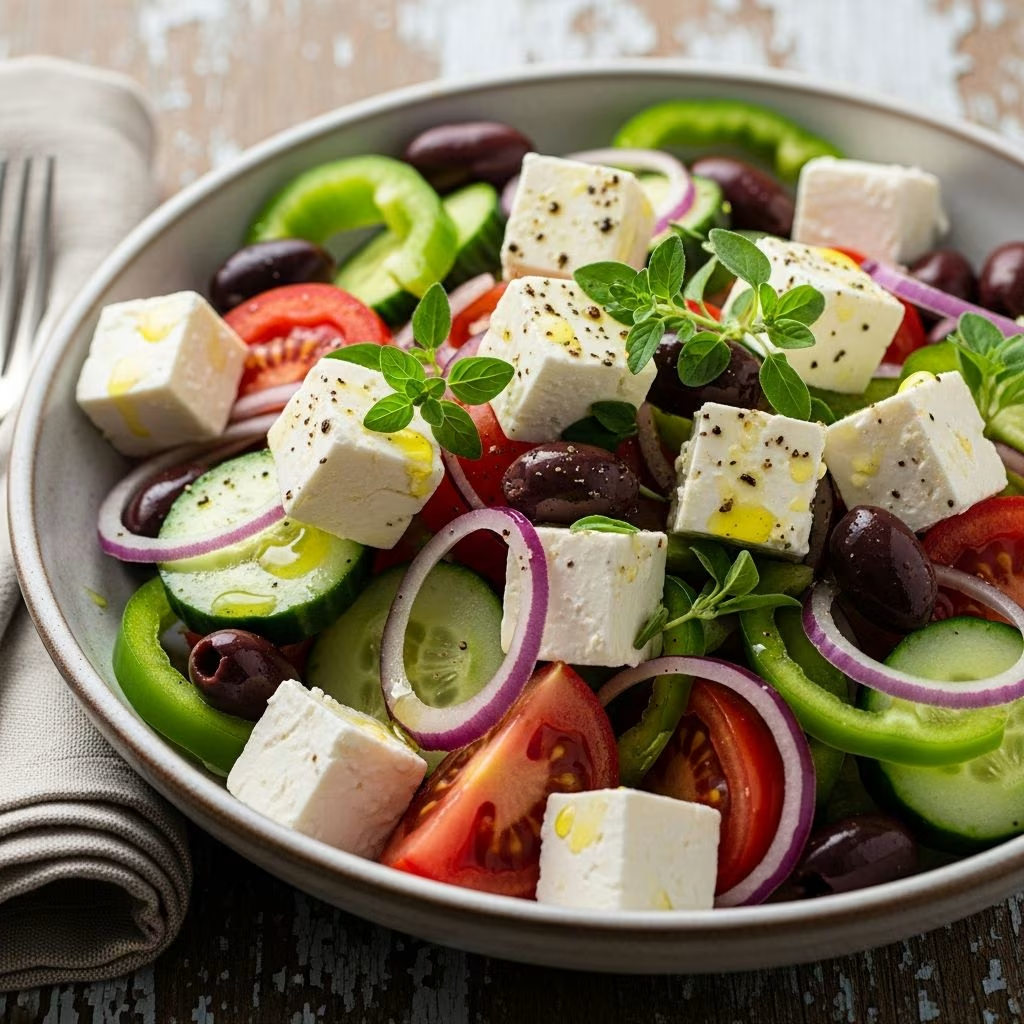
The vegetable selection in a Greek salad provides both nutritional value and textural variety. Cucumbers serve as the crisp, refreshing base and should be sliced to a thickness that allows them to remain crunchy while absorbing the dressing. Tomatoes contribute sweetness and acidity, with ripe, in-season varieties delivering the most vibrant flavor. Bell peppers add a subtle sweetness and vibrant color, while red onions provide a sharp, pungent note that balances the other ingredients.
When selecting produce, prioritize freshness and seasonality. Summer months offer the best-quality tomatoes and cucumbers, making this the ideal time to prepare Greek salad at its finest. If preparing this dish outside peak season, cherry or grape tomatoes often provide better flavor than standard supermarket varieties.
The Cheese and Briny Elements
Feta cheese is the defining ingredient that distinguishes Greek salad from other Mediterranean vegetable preparations. This brined, crumbly cheese adds a distinctive salty, tangy quality that elevates the entire dish. For optimal results, use blocks of feta and cut them into cubes rather than using pre-crumbled varieties, which often contain anti-caking agents that compromise texture.
Kalamata olives provide another essential briny element. These dark, meaty olives contribute depth and complexity to the salad. Purchase them pitted if you prefer convenience, or use whole olives and pit them as you eat for the most authentic experience.
Crafting the Perfect Dressing
The dressing is what transforms individual ingredients into a cohesive dish. A traditional Greek salad dressing requires no complicated emulsification or special techniques—just quality ingredients whisked together.
Essential Dressing Ingredients
The foundation of any Greek dressing consists of extra virgin olive oil and red wine vinegar, combined in proportions that create a balanced acidity without overpowering the vegetables. This base is enhanced with:
- Dried oregano, which provides an herbaceous note characteristic of Mediterranean cooking
- Minced garlic cloves, adding pungency and depth
- Dijon mustard, which helps emulsify the dressing and adds subtle complexity
- Sea salt and freshly ground black pepper, which enhance all other flavors
Some variations include a squeeze of fresh lemon juice, which brightens the overall flavor profile and provides additional acidity. The beauty of this dressing is that it requires no cooking—simply whisk the components together until combined.
Dressing Proportions and Technique
A reliable formula for Greek salad dressing uses approximately three parts olive oil to one part vinegar, adjusted to personal preference. For a standard four-person serving, combine:
- 1/4 cup extra virgin olive oil
- 3 tablespoons red wine vinegar
- 1 garlic clove, minced
- 1/2 teaspoon dried oregano
- 1/4 teaspoon Dijon mustard
- 1/4 teaspoon sea salt
- Freshly ground black pepper to taste
Whisk these ingredients together in a small bowl until the mixture becomes slightly thickened and the flavors meld together. Taste and adjust seasoning as needed—the dressing should be balanced between acidic and rich, with no single flavor dominating.
Step-by-Step Preparation Instructions
Vegetable Preparation
Proper preparation ensures that each vegetable contributes its best qualities to the final dish. Begin by washing all produce thoroughly under cool running water. For cucumbers, slice them lengthwise and remove the seedy center portion if desired, then cut into quarter-inch slices. This thickness prevents the cucumbers from becoming soggy while allowing them to absorb some dressing flavor.
Cut tomatoes into halves or quarters, removing excess seeds and juice if the tomatoes are particularly juicy—this prevents the salad from becoming watery. Bell peppers should be chopped into one-inch pieces, removing all seeds and white pith. Slice red onions thinly, which mellows their sharpness slightly while distributing their flavor throughout the salad.
Assembly and Dressing
Combine all prepared vegetables, feta cheese, and olives in a large bowl or arrange them on a serving platter. The choice between mixing in a bowl versus arranging on a platter is largely aesthetic—platter presentation showcases the individual components beautifully, while a mixed bowl makes serving easier for multiple people.
Drizzle the dressing over the salad components and gently toss, using a light hand to avoid crushing the feta cheese. Add additional dried oregano as a finishing touch, and season with extra salt and pepper if needed. If time permits, allow the salad to rest for five to ten minutes before serving, which allows flavors to meld and the vegetables to release their juices slightly.
Ingredient Quality and Selection Tips
Olive Oil Considerations
Extra virgin olive oil forms the backbone of both the salad components and the dressing. Invest in a quality bottle—avoid oils that have been sitting in clear bottles under bright light, as exposure degrades the oil’s flavor. Look for oils with harvest dates rather than vague “best by” dates, and choose bottles from reputable producers known for Mediterranean oils.
Cheese Selection
Feta quality varies significantly. Traditional Greek feta, protected by denomination of origin standards, typically offers superior flavor and texture compared to fetas produced elsewhere. The cheese should have a crumbly yet moist texture and a distinctly salty, tangy taste. Avoid feta that appears dry or rubbery, as these indicate poor quality or improper storage.
Olive Varieties
While Kalamata olives are traditional and widely available, other dark Mediterranean olive varieties work well in Greek salad. Experiment with different types to discover your preference, keeping in mind that some varieties are meatier while others are oilier or more intensely flavored.
Customization and Variation Possibilities
While a traditional Greek salad adheres to specific ingredient standards, numerous variations exist that build upon the classic foundation. Fresh mint leaves add a bright, herbaceous quality that complements the other ingredients beautifully. Some variations include crumbled dried herbs like dill or thyme for additional complexity.
Tomato variety offers another avenue for customization. While cherry tomatoes work well, large heirloom tomatoes showcase individual flavor notes distinctly. Some cooks incorporate both types for textural and flavor variety. Cucumber varieties also differ—English cucumbers have thinner skins and fewer seeds than standard varieties, making them particularly well-suited to salads.
For those seeking additional protein or substance, grilled chicken, shrimp, or chickpeas can be added. These additions transform the salad from a side dish into a complete meal while respecting the Mediterranean flavor profile.
Common Preparation Mistakes to Avoid
Several common errors compromise the quality of homemade Greek salad. Over-dressing is perhaps the most frequent mistake—the vegetables should glisten with dressing, not swim in it. Add dressing gradually, tasting as you go, and remember that additional dressing can always be provided at the table.
Preparing the salad too far in advance causes vegetables to release excess moisture and become limp. For best results, prepare components separately and assemble the salad no more than fifteen to twenty minutes before serving. If you must prepare ahead, keep the dressing separate and add it just before serving.
Using poor-quality ingredients is another common pitfall. Stale spices, inferior olive oil, and out-of-season produce significantly diminish the final result. Since the recipe contains few ingredients, each one matters considerably, making quality selection essential.
Storage and Make-Ahead Strategies
Greek salad components can be prepped ahead and stored separately. Wash and chop vegetables, store them in airtight containers, and keep them refrigerated for up to one day. Feta and olives should be stored in their own containers. The dressing can be prepared several days in advance and stored in a sealed jar—shake before using to recombine the oil and vinegar.
This make-ahead approach makes Greek salad an ideal recipe for entertaining, allowing you to minimize last-minute preparation. Simply combine components and add dressing when ready to serve.
Nutritional Benefits and Health Considerations
Greek salad aligns well with Mediterranean diet principles, which have been extensively studied for their health benefits. The abundance of fresh vegetables provides fiber, vitamins, and minerals, while feta cheese contributes protein and calcium. Extra virgin olive oil contains polyphenols and other beneficial compounds associated with reduced inflammation and improved cardiovascular health.
This salad is naturally low in processed ingredients and contains no artificial additives or preservatives, making it an excellent choice for those seeking whole-food nutrition. The varied colors of vegetables indicate diverse phytonutrients, each providing unique health benefits.
Serving Suggestions and Pairing Ideas
Greek salad serves excellently as a standalone lunch or as an accompaniment to grilled proteins. It pairs particularly well with grilled fish, lamb, or chicken, complementing Mediterranean main courses beautifully. The salad’s fresh, tangy qualities provide balance to richer, heavier dishes.
For entertaining, Greek salad works well as part of a Mediterranean spread alongside hummus, grilled vegetables, flatbread, and various cheeses. Its vibrant appearance makes it visually appealing on any table, while its fresh flavors appeal to diverse palates.
Frequently Asked Questions
Can I prepare Greek salad without feta cheese?
While feta is traditional and essential to authentic Greek salad, you can substitute other brined cheeses like halloumi or use goat cheese for a different flavor profile. However, this creates a variation rather than a traditional Greek salad.
How long does Greek salad keep?
An undressed Greek salad keeps for about one day in the refrigerator. Once dressed, consume within a few hours for optimal texture and freshness.
Can I make Greek salad dressing in advance?
Yes, the dressing stores well in a sealed jar for several days. Shake vigorously before using to recombine the oil and vinegar components.
What is the best time of year to make Greek salad?
Summer months, when tomatoes and cucumbers are at peak ripeness and flavor, offer the best results. However, quality produce can produce satisfactory salads during other seasons.
References
- Traditional Greek Salad Recipe — The Mediterranean Dish. Accessed 2026. https://www.themediterraneandish.com/traditional-greek-salad-recipe/
- Greek Salad Recipe — Love and Lemons. Accessed 2026. https://www.loveandlemons.com/greek-salad/
- Fresh and Easy Greek Salad Recipe — Wholesome Yum. Accessed 2026. https://www.wholesomeyum.com/greek-salad-recipe/
- Best Greek Salad — Downshiftology. Accessed 2026. https://www.downshiftology.com/recipes/greek-salad/
- Best Traditional Greek Salads — Mia Kouppa. Accessed 2026. https://miakouppa.com/best-traditional-greek-salads/