German apple cake, known as Apfelkuchen in its native language, represents one of Europe’s most beloved dessert traditions. This elegant yet straightforward bake combines a rich butter sponge base with fresh fruit and aromatic spicing, creating a dessert that satisfies both the eye and the palate. Whether you’re preparing for a special gathering or simply craving a homemade treat, understanding the fundamentals of this classic cake will elevate your baking repertoire.
Understanding the Foundation: Core Ingredients Explained
The success of German apple cake begins with selecting quality ingredients. Unlike many contemporary desserts that rely on complex flavor combinations, this traditional cake achieves its excellence through the careful balance of fundamental components.
The Butter and Sugar Foundation
The butter serves as the structural backbone of the cake, creating a tender crumb when properly incorporated. Room-temperature butter, typically around 100 grams or half a cup, allows for optimal creaming with sugar. This creaming process incorporates air into the mixture, which provides the cake with its characteristic light texture. Granulated sugar, matching the butter in quantity, dissolves into the butter and helps create an emulsified base that holds moisture throughout the baking process.
Eggs and Dairy Elements
Three large eggs at room temperature provide both richness and structural integrity. Room-temperature eggs blend more thoroughly with the butter-sugar mixture, creating a homogeneous batter. Milk, added in small increments, contributes moisture and helps balance the density of the flour components. The combination of eggs and milk creates the tender crumb texture that characterizes authentic German apple cake.
Flour and Leavening Agents
Approximately 150 grams of all-purpose flour combined with 2 teaspoons of baking powder forms the dry ingredient base. Some bakers enhance this with 50 grams of cornstarch or cornflour, which creates a softer, more delicate texture reminiscent of traditional German cake flour. Baking powder ensures the cake rises evenly in the oven, creating an airy structure that keeps for several days without becoming dry.
Spicing and Flavor Complexity
Warm spices like cinnamon and nutmeg add warmth and complexity without overwhelming the apple’s natural flavors. A generous pinch of sea salt enhances all flavor components, while fresh lemon zest or lemon juice prevents oxidation and brightens the overall taste profile. These elements work harmoniously rather than competing for attention.
Apple Selection: The Star Ingredient
The apples truly define this dessert’s character, making their selection crucial. Medium-sized apples work best because they cook through completely while maintaining their shape during the extended baking period. Varieties matter significantly—Gala and Fuji apples offer the ideal balance of sweetness, tartness, and structural integrity.
Prepare apples by peeling them lengthwise, creating quarters or halves depending on your preferred presentation. Many traditional methods involve making shallow parallel slits across the peeled surface, which not only creates an attractive appearance but also allows the fruit to cook more evenly while absorbing the cake’s moisture and spice flavors. Fresh lemon juice applied immediately after cutting prevents browning and adds subtle flavor complexity.
The Layering Technique: Building Your Cake
The construction method distinguishes German apple cake from simpler apple cakes. Rather than mixing apples into the batter, this technique creates distinct layers of flavor and texture.
Preparing the Pan and Initial Batter
Begin by preheating your oven to 350 degrees Fahrenheit (180 Celsius). Line a 9-inch round springform pan with parchment paper on the bottom and lightly butter the sides. Pour approximately half of your prepared batter into the pan, using a spatula to spread it into an even layer.
Arranging the First Apple Layer
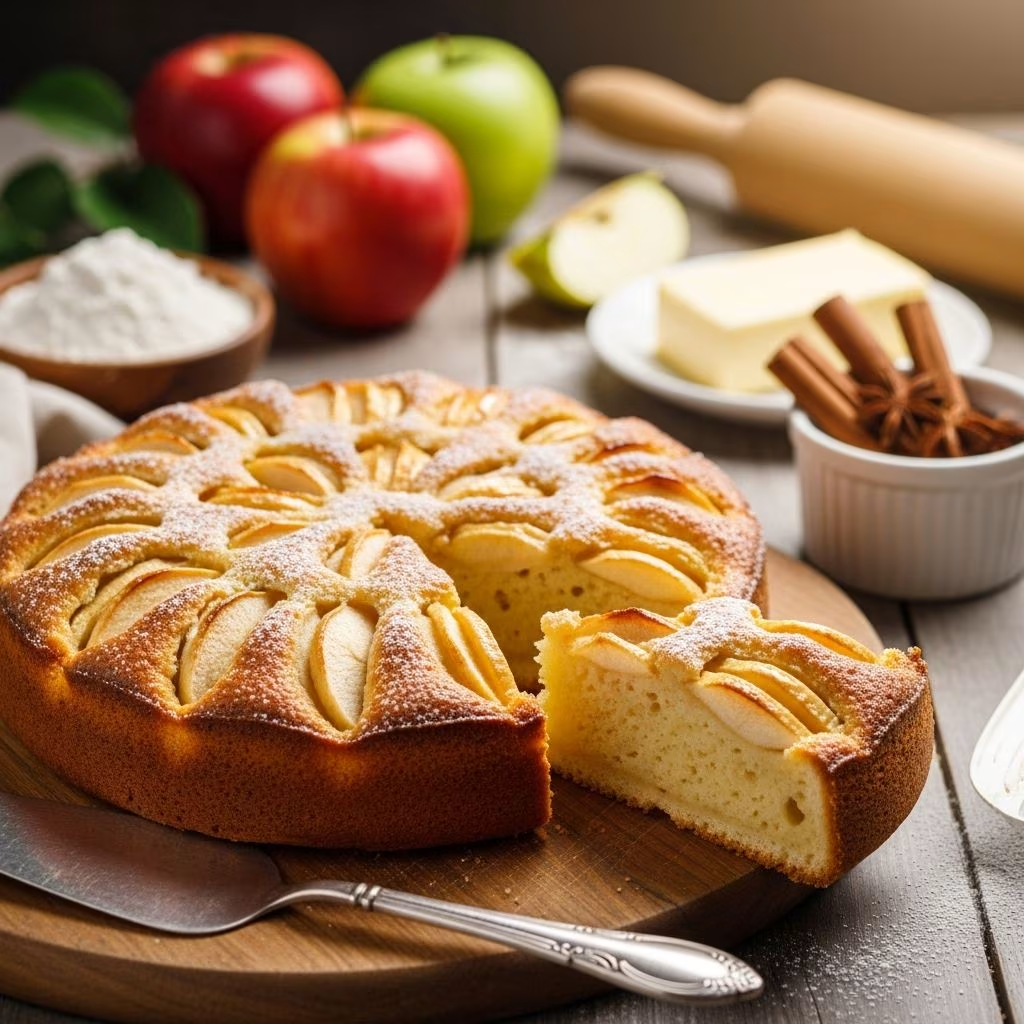
Position half of your prepared apple pieces directly onto the batter layer. Arrange them in a decorative pattern, perhaps radiating outward from the center like flower petals. Do not press the apples into the batter, as they need to settle naturally as the cake bakes and rises around them.
Adding the Final Layers
Carefully dollop the remaining batter over the apple layer, then gently spread it to create an even surface. Take care not to disturb the apples beneath. Top with the remaining apple pieces, arranging them in a visually appealing pattern. Sprinkle the surface with approximately 3 tablespoons of raw sugar, which caramelizes slightly during baking and creates textural contrast.
Baking Process and Temperature Management
Place the prepared pan in the center rack of your preheated oven. Bake for approximately 70 to 80 minutes, checking around the 50-minute mark to assess browning. If the top is browning too quickly, tent the cake loosely with aluminum foil to allow the interior to continue cooking without over-darkening the surface.
The cake is done when a toothpick inserted into the center comes out clean, and the top achieves a light golden-brown color. The apples should be fork-tender, and the edges may pull slightly away from the pan sides.
Cooling and Storage Considerations
Allow the cake to cool in its pan for approximately 15 minutes before carefully releasing it. The apples’ natural moisture keeps the crumb tender for several days, making this cake an excellent choice for advance preparation. Store covered at room temperature for up to five days, or refrigerate for extended storage. The cake tastes even better on the second or third day after baking, as the flavors meld and the texture becomes increasingly tender.
Flavor Variations and Modern Adaptations
Cream Cheese Frosting Option
Some contemporary interpretations include a cinnamon cream cheese frosting, creating a two-layer cake presentation. This American-influenced variation pairs exceptionally well with the traditional sponge and apple base. Simply spread softened cream cheese mixed with butter, powdered sugar, and ground cinnamon over the cooled cake.
Streusel Topping Variation
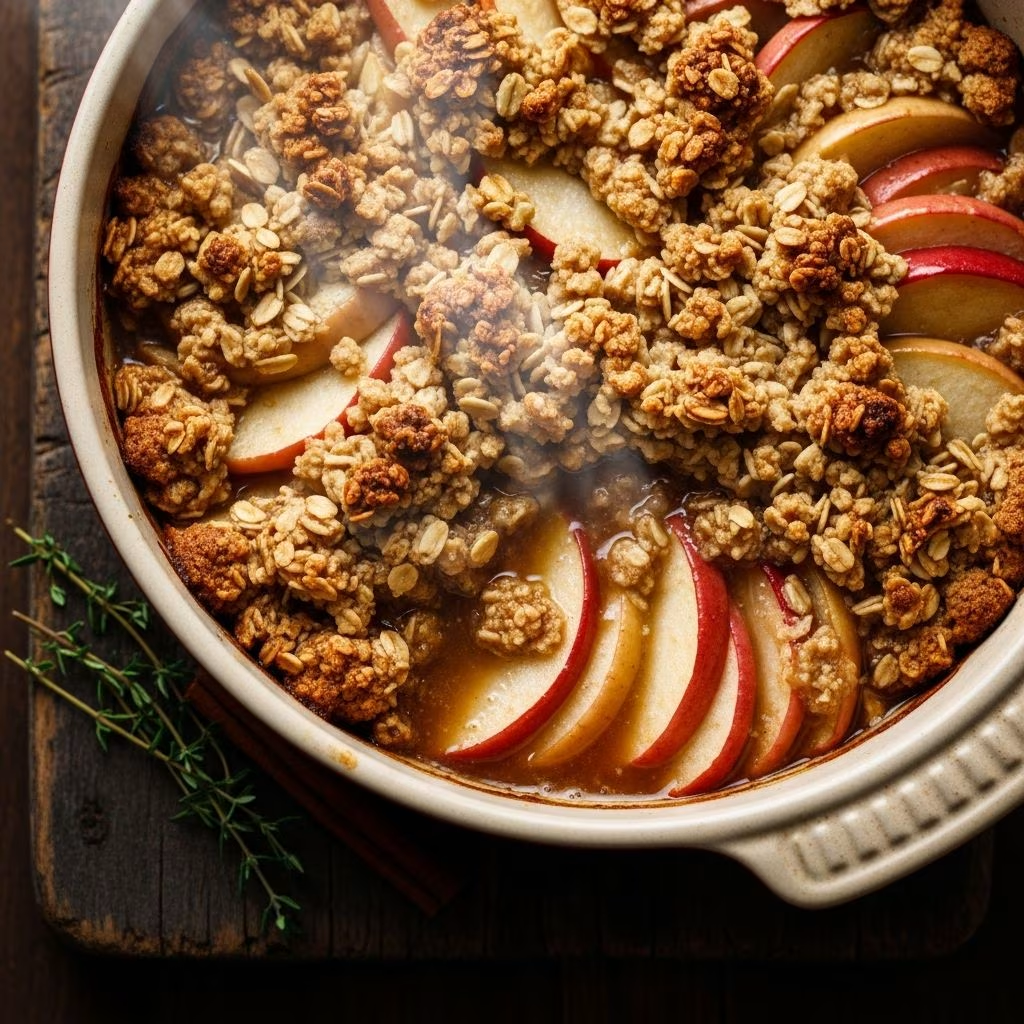
An alternative approach incorporates a crumb topping instead of or alongside the sugar sprinkle. This texture variation combines flour, butter, and brown sugar to create a crunchy layer that complements the tender cake and soft apples.
Additional Textural Elements
Some recipes incorporate chopped nuts like pecans, walnuts, or almonds folded into the batter or sprinkled on top. These additions provide protein and create a more substantial dessert suitable for afternoon tea or light meals.
Serving Suggestions and Accompaniments
German apple cake traditionally pairs beautifully with fresh whipped cream, providing cooling contrast to the warm spices. A dollop of crème fraîche or sour cream offers tanginess that balances the cake’s sweetness. For afternoon service, accompany slices with strong black tea or coffee. Evening presentations benefit from pairing with dessert wines or light fruit-forward beverages.
Common Challenges and Solutions
| Issue | Cause | Solution |
|---|---|---|
| Dry crumb texture | Over-baking or insufficient moisture | Reduce baking time by 5 minutes; ensure apples are fresh and juicy |
| Sunken apples | Pressing apples into batter or batter too thin | Use gentle arrangement; ensure batter reaches 1-inch thickness initially |
| Burned top surface | Oven temperature too high or inadequate foil cover | Tent with foil after 50 minutes; verify oven temperature with thermometer |
| Uneven baking | Poor oven hot spots or pan placement | Use center rack; rotate pan halfway through baking |
Ingredient Substitution Guide
Understanding ingredient flexibility allows you to adapt this recipe to dietary preferences or availability. If all-purpose flour isn’t available, cake flour creates a more delicate crumb—use the same weight but note that cake flour compacts more densely. Oil can replace up to half the butter for a more tender crumb, though this reduces richness. Non-dairy milk alternatives work adequately, though their fat content may affect final texture slightly. For egg-free versions, use commercial egg replacers following package directions.
Equipment and Pan Selection
A 9-inch springform pan remains the traditional choice, allowing easy removal without damaging the delicate cake. Round cake pans also work well if properly prepared with parchment paper. Ensure your oven maintains accurate temperature by using an oven thermometer, as traditional German apple cake’s success depends on proper heat management during its relatively long baking period.
Frequently Asked Questions
Can I prepare this cake in advance?
Yes, German apple cake actually improves with time as the flavors deepen and the crumb becomes more tender. Bake it one or two days before serving, then store covered at room temperature or refrigerated. Reheat gently before serving if desired.
What apple varieties work best?
Gala, Fuji, and Braeburn apples offer the optimal balance of natural sweetness, tartness, and structural integrity during baking. Avoid extremely tart varieties like Granny Smith, which can overpower other flavors.
How do I prevent my apples from browning during preparation?
Immediately toss cut apples with fresh lemon juice or place them in a bowl of water with lemon juice. This simple step prevents oxidation while adding subtle flavor complexity.
Can this cake be frozen?
Yes, wrap cooled, unfrosted cake tightly in plastic wrap and aluminum foil, then freeze for up to three months. Thaw at room temperature before serving.
What causes dense, heavy cake texture?
Overmixing the batter, especially after adding flour, develops gluten and creates density. Mix dry ingredients into wet components only until just combined. Additionally, using room-temperature ingredients ensures proper emulsification.
The Enduring Appeal of Traditional German Baking
German apple cake represents more than just a recipe—it embodies a baking philosophy emphasizing quality ingredients, proper technique, and patience. This dessert thrives because it balances simplicity with sophistication, making it accessible to beginners while offering nuance for experienced bakers. The natural moisture from fresh apples keeps the cake tender for days, making it practical for modern lifestyles while maintaining its traditional character. Whether you’re discovering this classic for the first time or refining your technique, German apple cake rewards careful attention and thoughtful preparation with genuine, unforgettable flavor and texture.
References
- German Apple Cake — Julia’s Album. Retrieved from https://juliasalbum.com/german-apple-cake/
- Easy German Apple Streusel Cake (Apfelstreuselkuchen) — My Dinner. Retrieved from https://mydinner.co.uk/apple-streusel-cake/
- German Apple Cake (Versunkener Apfelkuchen) — Green Healthy Cooking. Retrieved from https://greenhealthycooking.com/german-apple-cake-versunkener-apfelkuchen/
- Easy German Apple Cake Recipe – Apfelkuchen — Masala Herb. Retrieved from https://www.masalaherb.com/german-apple-cake/
- Rustic German Apple Cake with Cinnamon Cream Cheese Frosting — Inspired by Charm. Retrieved from https://inspiredbycharm.com/german-apple-cake/
- German Apple Cake (Apfelkuchen) — The Delicious Crescent. Retrieved from https://www.thedeliciouscrescent.com/light-and-delicious-german-apple-cake/