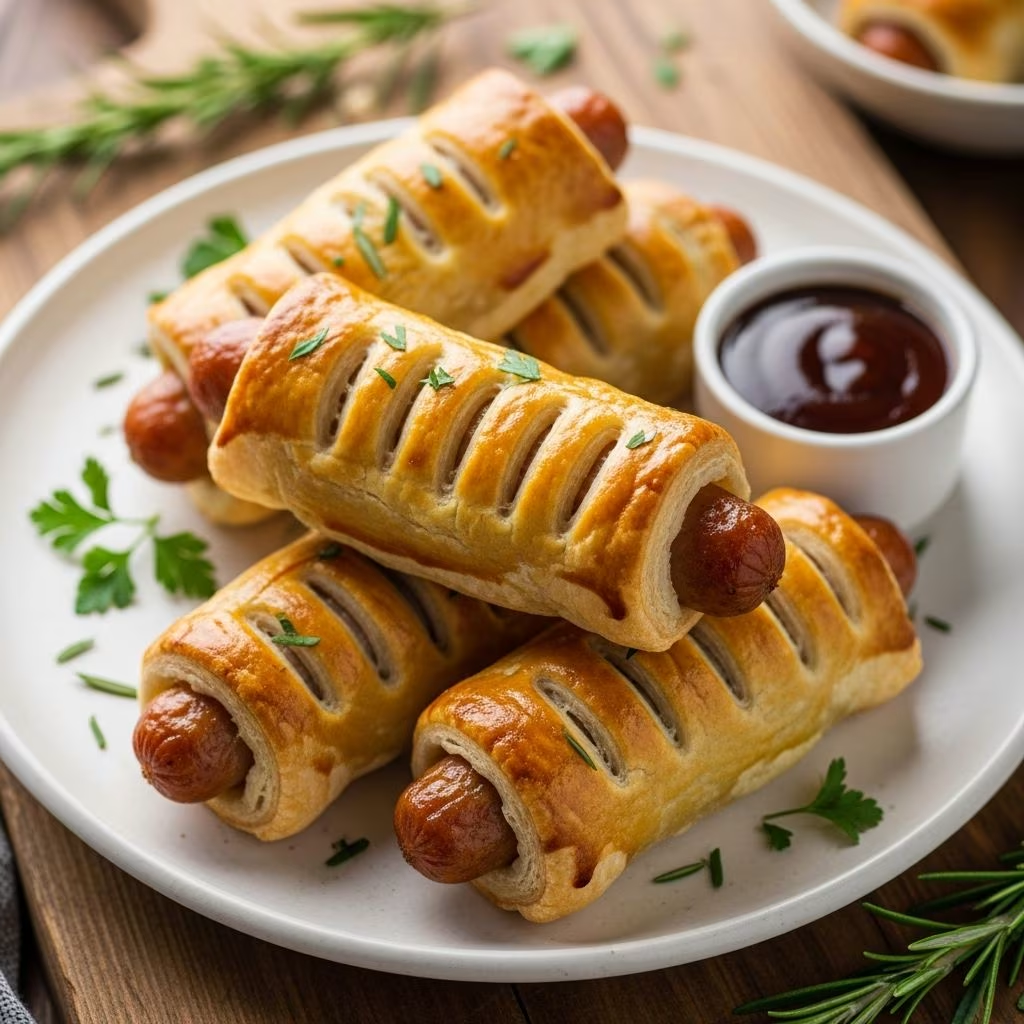
Sausage rolls represent one of the most beloved British appetizers, combining simple ingredients with elegant presentation. These handheld pastries feature seasoned pork sausage wrapped in buttery puff pastry, then baked until golden and crispy. Whether served at dinner parties, casual gatherings, or alongside morning beverages, these versatile rolls appeal to a wide range of palates. The beauty of this classic dish lies in its straightforward preparation and impressive results that belie the minimal effort required.
Understanding the Core Components
Creating exceptional sausage rolls begins with understanding each element’s role in the final product. The puff pastry provides the textural contrast and visual appeal, while the pork sausage filling delivers rich flavor and satisfying substance. Quality ingredients make a significant difference in the outcome, so selecting fresh, high-quality components ensures superior results.
Selecting Your Puff Pastry
Frozen puff pastry sheets offer convenience without compromising quality. A standard 17.25-ounce package contains enough dough to create multiple rolls. Before beginning preparation, allow the pastry to thaw completely at room temperature, typically requiring 30 to 40 minutes. Thawing ensures the pastry remains pliable and easier to work with during assembly. Once thawed, the pastry becomes supple enough to roll out without cracking or tearing.
Choosing Quality Sausage Meat
A 16-ounce package of pork sausage meat serves as the primary filling ingredient. When possible, select sausage with moderate fat content to maintain moisture during baking. Sausage meat differs from whole sausages because the casings have already been removed, making it ideal for this application. Some cooks prefer grinding their own sausage meat for enhanced control over seasoning and texture, though commercially prepared options provide acceptable results.
Assembling Your Sausage Rolls: A Step-by-Step Process
Preparation Phase
Begin by preheating your oven to 400 degrees Fahrenheit (approximately 205 Celsius). This temperature ensures even browning while allowing the interior filling to cook thoroughly. While the oven reaches temperature, prepare your work surface by lightly flouring it with all-purpose flour. This prevents the pastry from sticking during the rolling and assembly process.
Creating the Filling Base
In a large mixing bowl, combine the entire 16-ounce package of pork sausage meat with one-quarter cup of Dijon mustard. The mustard adds depth and complexity to the otherwise mild pork flavor, enhancing the overall taste profile. Mix these ingredients thoroughly until the mustard distributes evenly throughout the meat. The resulting mixture should appear uniform without visible streaks of mustard remaining.
Rolling and Positioning
On your prepared floured surface, carefully roll out the thawed puff pastry into a rectangular shape. The target thickness should range between one-eighth and one-quarter inch, providing enough material to enclose the filling without creating excessively thick pastry. Divide the sausage mixture into approximately three equal logs, positioning them along the length of the pastry with even spacing between each log.
Wrapping and Sealing
Beginning with the first edge, fold the pastry over the sausage log, pressing gently to create a snug seal. Use a sharp knife to cut along the seam, creating individual rolls. Repeat this process with the remaining logs until all sausage meat has been enclosed. For a finished appearance, crimp the edges lightly with a fork, creating both a decorative pattern and a secure seal that prevents the filling from escaping during baking.
Finishing Touches and Garnishing
The egg wash represents a critical step in achieving the characteristic golden-brown exterior. Whisk one egg together with two teaspoons of heavy cream to create a glossy coating. Using a pastry brush, apply this mixture generously to the surface of each roll. This egg wash not only promotes browning but also provides an ideal surface for adhesion of optional garnishes.
Sesame seeds offer a classic garnishing option that adds visual interest and subtle nutty flavor. Sprinkle seeds generously over the egg-washed rolls before baking. Some variations include poppy seeds or a combination of both for enhanced visual appeal. Beyond seeds, some recipes incorporate fresh herbs such as finely chopped sage or rosemary pressed into the egg wash for aromatic enhancement.
Baking and Doneness Indicators
Transfer the assembled and garnished rolls to a preheated baking sheet, arranging them with adequate spacing to allow for air circulation. Place the baking sheet in your preheated 400-degree oven for 20 to 25 minutes. The exact duration may vary slightly depending on your specific oven’s heating characteristics and the size of individual rolls. Rolls are properly cooked when they achieve a deep golden-brown color and emit an appetizing aroma.
To verify complete cooking, examine the rolls’ appearance and listen for subtle sizzling sounds from the filling, which indicates the pork sausage has reached proper internal temperature. If desired, use an instant-read thermometer to confirm the filling has reached 165 degrees Fahrenheit (74 degrees Celsius), ensuring food safety compliance.
Serving and Storage Considerations
Immediate Serving
Sausage rolls are best enjoyed shortly after removal from the oven while the pastry remains warm and crispy. Allow them to cool for just a few minutes to prevent burns while maintaining optimal texture and temperature. Serve as standalone appetizers or alongside complementary accompaniments such as mustard, piccalilli, or hot sauce for those preferring additional flavor.
Make-Ahead Convenience
One significant advantage of this recipe involves its make-ahead capability. Assembled, ungarnished rolls can be refrigerated for up to 24 hours before baking. Some cooks prefer freezing unbaked rolls for extended storage, allowing baking directly from frozen with only a slight increase in cooking time. This flexibility makes sausage rolls an excellent choice for entertaining when advance preparation is preferred.
Variations and Creative Adaptations
| Variation Type | Key Modification | Flavor Profile |
|---|---|---|
| Herb-Infused | Add fresh sage, rosemary, or thyme to sausage mixture | More aromatic and complex |
| Cheese Enhancement | Mix grated cheddar into sausage filling | Richer, more savory |
| Spiced Version | Incorporate paprika, cayenne, or cumin | Warmer, slightly spiced |
| Vegetable-Based | Mix finely chopped vegetables with sausage | Lighter, more textured |
Creative cooks frequently develop personalized versions by incorporating additional seasonings or ingredients. Some preparations include finely minced onions or garlic to enhance savory depth. Others add breadcrumbs or finely grated apple for textural variation and subtle sweetness. These adaptations allow for customization while maintaining the fundamental character of this classic dish.
Frequently Asked Questions
Can I use vegetarian sausage instead of pork?
Yes, vegetarian sausage meat works well as a substitution. Select a high-quality option with good seasoning and binding to prevent crumbling during cooking. Adjust cooking time as needed since plant-based alternatives may cook slightly faster than pork varieties.
How should I thaw frozen puff pastry safely?
Transfer frozen pastry sheets to the refrigerator several hours before use, or place them on the counter at room temperature for 30 to 40 minutes. Avoid microwave thawing as this creates uneven temperature distribution and compromises texture.
What size should individual rolls be?
Cut logs into thirds for standard appetizer-sized rolls or into quarters for smaller bite-sized options. Smaller rolls require slightly less cooking time, typically 15 to 18 minutes.
Can sausage rolls be frozen after baking?
Absolutely. Fully cooked and cooled rolls freeze well for up to three months when stored in airtight containers. Reheat in a 350-degree oven for 8 to 10 minutes to restore crispness.
What beverages pair well with sausage rolls?
These rolls complement ales, ciders, lagers, and cold beers traditionally. For non-alcoholic options, sparkling cider, ginger beer, or robust tea work excellently.
Troubleshooting Common Issues
If pastry appears too thick after rolling, use gentle pressure with your rolling pin rather than forceful motions, which can crush the pastry layers. If the sausage filling escapes during baking, ensure adequate seal pressure and check that edges have crimped properly before baking. Should rolls appear unevenly browned, rotate the baking sheet halfway through cooking for more uniform results. If the pastry remains too pale after the recommended time, increase oven temperature by 25 degrees and extend cooking by a few minutes.
Nutritional Information Per Serving
Each sausage roll typically contains approximately 200 to 250 calories depending on specific ingredients and portion size. The macronutrient breakdown includes roughly 16 to 20 grams of fat, 15 to 18 grams of carbohydrates, and 7 to 8 grams of protein. These rolls represent a relatively balanced appetizer option when enjoyed in moderation as part of a varied diet.
Conclusion
Mastering the preparation of traditional English sausage rolls opens doors to sophisticated entertaining and impressive snacking. The combination of crispy, golden pastry with flavorful pork filling creates a dish that appears more complicated than its straightforward preparation actually demands. With practice, home cooks develop efficiency in assembly and develop intuition regarding optimal baking times for their specific ovens. Whether served at casual gatherings or formal occasions, these rolls consistently deliver satisfaction and positive feedback from guests who appreciate their balance of texture, flavor, and convenient handheld format.
References
- Baked British Sausage Rolls with Flaky Puff Pastry — Well Seasoned Studio. Accessed April 2026. https://www.wellseasonedstudio.com/sausage-roll-recipe/
- English Sausage Rolls Recipe — Confessions of a Baking Queen. Accessed April 2026. https://confessionsofabakingqueen.com/sausage-rolls/
- How to Make Mark’s English Sausage Rolls — AllRecipes. Accessed April 2026. https://www.allrecipes.com/recipe/58593/marks-english-sausage-rolls/