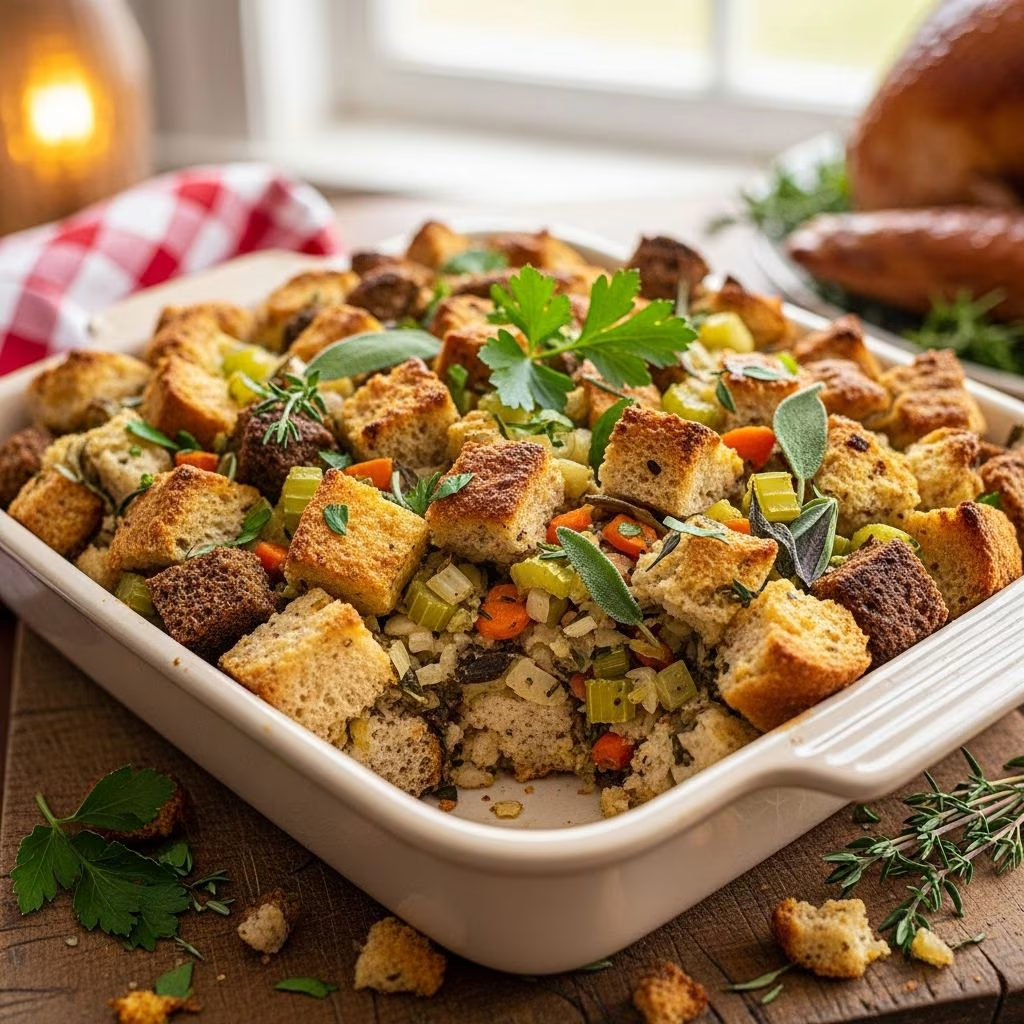
Bread stuffing remains one of the most beloved side dishes served at holiday tables across North America. This savory combination of toasted bread, aromatic vegetables, and warm spices has become as essential to festive meals as turkey or ham. Whether you’re preparing dinner for a large gathering or a intimate family celebration, understanding the fundamentals of stuffing preparation ensures consistent, delicious results.
Understanding the Core Components
The foundation of exceptional bread stuffing lies in selecting quality ingredients that work in harmony. Each component plays a specific role in achieving the desired texture and flavor profile. Rather than viewing these elements as separate items, think of them as parts of a cohesive whole that transforms through cooking.
The Bread Foundation
The bread you choose determines the structural integrity and final texture of your stuffing. Day-old bread works exceptionally well because it has lost some moisture, allowing it to absorb the seasoning mixture without becoming mushy. You can use white bread, wheat bread, or sourdough, depending on your flavor preferences. The bread should be cut into uniform cubes approximately one inch in size to ensure even cooking and consistent texture throughout the dish.
Start with approximately 8 cups of bread cubes, which typically requires two loaves. If your bread is very fresh, you can accelerate the drying process by spreading cubes on a baking sheet and leaving them uncovered in a cool location for several hours or overnight. Some cooks prefer lightly toasting the bread cubes in the oven at a low temperature to further develop flavor and reduce moisture content.
Aromatic Vegetables
Onions and celery form the aromatic base that gives stuffing its characteristic savory depth. These vegetables should be cooked gently in butter before being combined with the bread cubes. This cooking process softens the vegetables and allows their natural sugars to caramelize slightly, adding complexity to the final dish.
For a standard batch, prepare one cup of finely chopped onions and half to one cup of chopped celery. Dice the vegetables uniformly so they cook at the same rate. Some recipes include minced garlic for additional layers of flavor. Cook these vegetables over medium heat in butter, stirring occasionally until they become translucent and fragrant. This typically requires 5 to 8 minutes. Avoid browning them heavily, as this can create bitter notes that overpower the delicate herb seasonings.
The Binding Agent
Butter is both a cooking medium and a crucial ingredient that adds richness and helps distribute flavors throughout the stuffing. Use approximately half to one cup of unsalted butter for a standard recipe. The butter coating on each bread cube ensures proper moisture absorption and contributes to the final golden-brown appearance.
Some traditional recipes incorporate broth as an additional binding element. Chicken broth or turkey broth works equally well, with turkey broth offering a more pronounced poultry flavor. Start with one quarter cup and add more as needed during the mixing process. The amount of broth required depends on how dry your bread cubes are and how moist you prefer the final product.
Seasoning Strategy
The spice profile distinguishes exceptional stuffing from ordinary versions. Traditional seasonings include poultry seasoning, sage, salt, and black pepper. These ingredients have been paired together for generations because they complement both the bread and the poultry they typically accompany.
Essential Herbs and Spices
- Poultry seasoning: This pre-blended mixture typically contains sage, thyme, marjoram, and other complementary herbs. One to one and a half teaspoons provides the foundation for the flavor profile.
- Sage: This peppery herb with slightly minty undertones defines the taste of traditional stuffing. Use approximately one tablespoon of dried sage or adjust to personal preference.
- Salt and pepper: Season conservatively and adjust at the end of preparation. Three quarters to one teaspoon of salt and half teaspoon of ground black pepper typically work well.
- Optional enhancements: Fresh parsley, dried rosemary, or fresh thyme sprigs can be added for additional complexity without overwhelming the classic profile.
Step-by-Step Preparation Method
Initial Setup
Begin by preheating your oven to 350 degrees Fahrenheit. Prepare a baking dish or casserole dish with cooking spray to prevent sticking. Having everything prepared before you begin mixing ensures the components are ready when you need them and prevents the bread from absorbing too much liquid while waiting.
Creating the Vegetable Base
Heat the butter in a large skillet over medium heat. Once melted and foaming slightly, add your prepared onions and celery. Stir frequently to ensure even cooking and prevent browning. The vegetables should become soft and translucent, releasing their aromatic compounds. This aromatic base, known as a mirepoix when combined with carrots, forms the flavor foundation.
Incorporating Seasonings
After the vegetables reach the desired tenderness, add your dried herbs, poultry seasoning, salt, and pepper. Stir well to distribute the seasonings evenly throughout the vegetable mixture. Add fresh herbs like thyme sprigs at this stage if using. Allow the mixture to cook for one to two minutes, which helps bloom the herbs and intensify their flavors. The kitchen should fill with an inviting aroma at this point.
Combining with Broth
Pour in your chosen broth and stir to combine. Allow the mixture to simmer gently for a few minutes, which further develops the flavor profile and helps the seasonings distribute evenly throughout the liquid. This flavored broth will be absorbed by the bread cubes during the mixing and baking process.
Mixing the Bread Cubes
Place your bread cubes in a large mixing bowl. Carefully pour the hot vegetable and broth mixture over the bread, tossing gently to coat all the cubes. The goal is to ensure each piece contacts the seasoned liquid without breaking apart the bread. Use a gentle folding motion rather than aggressive stirring. The bread should be noticeably moist but not waterlogged or falling apart.
Transfer the mixture to your prepared baking dish if you haven’t already combined them there. Spread the mixture evenly so it bakes uniformly. At this point, you can prepare the dish a few hours ahead and refrigerate it, though bringing it to room temperature before baking helps ensure more even cooking.
Baking and Final Preparation
Bake the stuffing for 40 to 50 minutes, depending on your oven and the moisture content of your mixture. The top should turn golden brown and develop some crispy edges where the bread cubes contact the baking dish. If browning too quickly, tent the dish loosely with aluminum foil and continue baking.
Test for doneness by checking that the internal temperature reaches 160 degrees Fahrenheit if the recipe includes eggs, or by verifying that the top is properly browned and the bread has absorbed the liquid. The stuffing should be hot throughout and hold its shape when served.
Ingredient Variations and Adaptations
Bread Alternatives
While white bread is traditional, variations offer different flavor and texture profiles. Sourdough bread adds tanginess and creates a denser final product. A combination of white and wheat bread provides nutty undertones. Cornbread can be substituted for part of the bread to create a hybrid dressing. Each choice subtly shifts the overall character of the dish.
Vegetable Additions
Beyond the classic onion and celery base, many cooks incorporate mushrooms for earthiness, diced apples for sweetness, or chopped nuts like pecans or walnuts for texture contrast. These additions should be prepared similarly to the onions and celery, sautéing them in butter before combining with the bread.
Protein Inclusions
Some recipes include diced cooked bacon, sausage, or turkey for additional richness and protein. These ingredients are typically browned and crumbled before being mixed into the bread cubes, adding both flavor and substance to the stuffing.
Storage and Make-Ahead Strategies
Assembled stuffing can be refrigerated in an airtight container for up to 24 hours before baking. Simply cover the dish tightly and store in the coldest part of your refrigerator. Remove from refrigeration about 30 minutes before baking to allow it to come closer to room temperature, which ensures more even cooking.
Leftover stuffing keeps well in the refrigerator for up to four days in an airtight container. Reheat gently in a covered baking dish at 300 degrees Fahrenheit, adding a small amount of broth if it seems dry. Stuffing freezes successfully for up to three months when properly stored in freezer-safe containers, making it convenient for future meals.
Complementary Serving Suggestions
Traditional bread stuffing pairs beautifully with roasted turkey, complementing its mild, poultry flavor. Mashed potatoes and turkey pan gravy complete the classic triad of holiday starches. Cranberry sauce, whether homemade or store-bought, provides acidic brightness that balances the richness of the stuffing. Roasted vegetables like carrots or Brussels sprouts add nutritional value and visual appeal to the plate.
Stuffing also works as a base for creative applications. Leftover portions can be layered into sandwiches, incorporated into casseroles, or even enjoyed as a side dish with casual weeknight meals alongside roasted chicken or pork.
Troubleshooting Common Issues
Dry Stuffing
If your stuffing turns out too dry, you likely used insufficient broth or started with overly dry bread. Remedy this by warming additional broth gently and stirring it in carefully. For future batches, increase the broth amount or reduce the baking time slightly.
Soggy Texture
Overly moist stuffing results from too much liquid or too-fresh bread. Use bread that’s been aged at least one day, and measure broth carefully, adding gradually and tasting as you go. Baking uncovered for the final 10 to 15 minutes helps excess moisture evaporate.
Bland Flavor
Insufficient seasoning creates a one-dimensional taste. Verify that your poultry seasoning and sage haven’t been sitting in the cabinet for years, as their potency diminishes over time. Taste the bread mixture before baking and adjust seasonings accordingly.
Frequently Asked Questions
Can I make stuffing without eggs?
Yes, traditional stuffing does not require eggs. Eggs are sometimes added for binding and to create a more custard-like texture, but classic bread stuffing uses only bread, butter, broth, and seasonings.
What’s the difference between stuffing and dressing?
Technically, stuffing is prepared inside poultry, while dressing is prepared separately in a baking dish. In modern usage, the terms are largely interchangeable, as most home cooks prepare it outside the bird for food safety reasons.
How long does stuffing take to bake?
Standard bread stuffing typically bakes for 40 to 50 minutes at 350 degrees Fahrenheit. Baking time varies based on the depth of your baking dish and how moist your mixture is. Checking at 40 minutes helps prevent overbaking.
Can I prepare stuffing the day before?
Yes, you can assemble stuffing up to 24 hours in advance. Keep it covered and refrigerated, then bake before serving. Some cooks prefer this method as it allows flavors to meld overnight.
What temperature should stuffing reach when done?
If prepared with eggs, the internal temperature should reach 160 degrees Fahrenheit. Traditional egg-free stuffing is done when the bread is fully moistened, the broth is absorbed, and the top is golden brown.
Final Thoughts on Traditional Preparation
Mastering the preparation of bread stuffing requires understanding how individual components contribute to the whole. By selecting quality ingredients, respecting traditional flavor combinations, and following proven techniques, you’ll create a dish that satisfies and delights your family and guests. Whether you’re maintaining a cherished family recipe or developing your own tradition, bread stuffing represents comfort, gathering, and the simple pleasures of good home cooking.
References
- Betty Crocker Traditional Stuffing Recipe — General Mills. 2024. https://www.bettycrocker.com/recipes/traditional-stuffing-recipe/33c60498-d187-43ae-a189-c7f23377b734
- Food Safety Guidelines for Holiday Cooking — U.S. Department of Agriculture Food Safety and Inspection Service. 2024. https://www.fsis.usda.gov/food-safety/safe-food-handling-and-preparation
- Herb and Spice Storage Best Practices — Spice Islands. 2023. https://www.spiceislands.com/