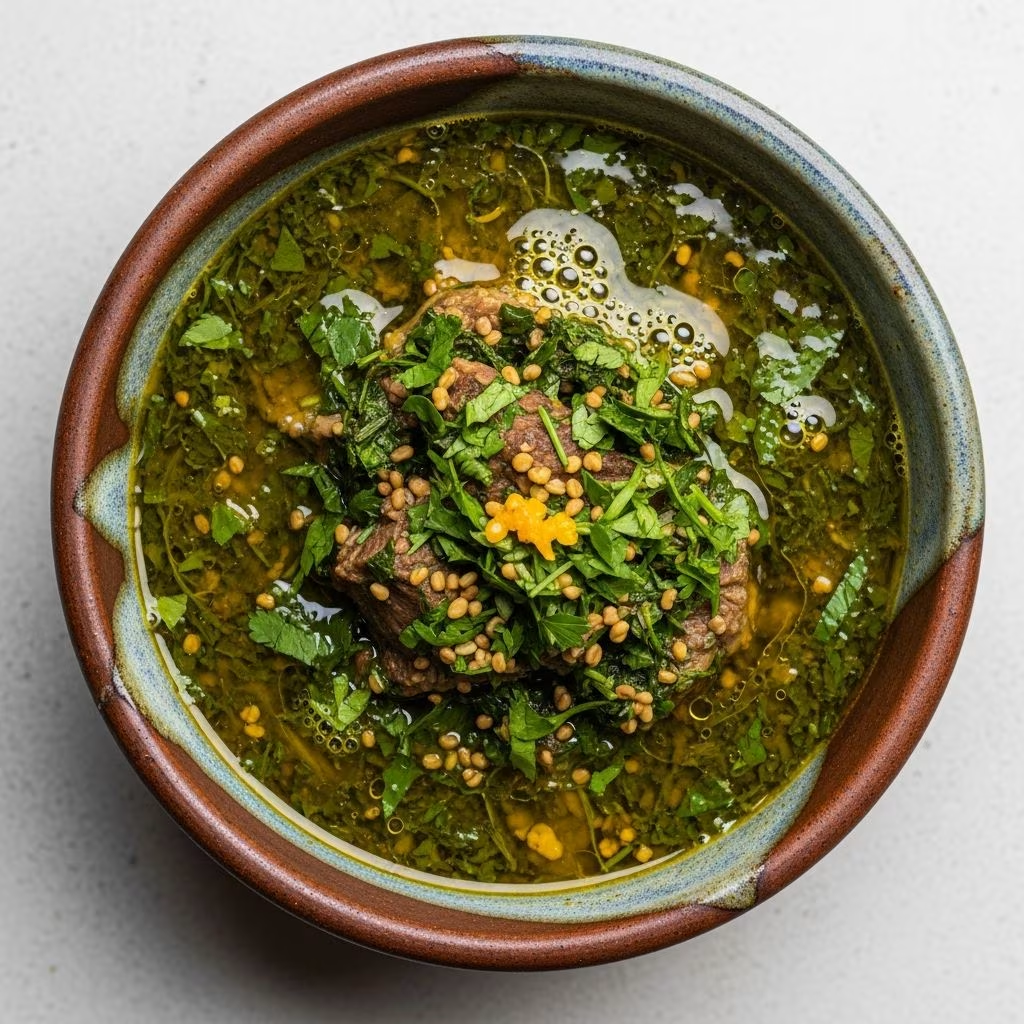
The culinary traditions of northern Iran hold some of the Middle East’s most distinctive and flavorful dishes, and among them, torshi tareh stands as a beacon of rustic elegance and wholesome nourishment. This herb-based stew represents far more than just a recipe—it embodies the connection between the fertile lands of the Caspian region and the families who have perfected its preparation across generations. The dish combines the earthiness of fresh seasonal herbs with the subtle tartness of citrus, creating a complexity that belies its humble ingredients.
Torshi tareh, often referred to as a sour herb stew in English, is a vegetable-forward preparation that showcases the importance of herbs in Persian cooking. Unlike many Western stews that rely on meat as their foundation, this northern Iranian specialty celebrates vegetables and aromatics, making it both accessible and deeply satisfying. The name itself—torshi, meaning sour or pickled, and tareh, referring to herbs—hints at the dish’s essential character.
Understanding the Regional Roots of This Traditional Preparation
Northern Iran, particularly the regions surrounding the Caspian Sea, has historically produced abundant fresh herbs and vegetables throughout much of the year. The climate and soil conditions create ideal growing environments for cilantro, parsley, dill, mint, and other aromatic plants that form the backbone of regional cuisine. Torshi tareh emerged from this agricultural abundance, representing an efficient way to utilize fresh herbs while creating a dish that could sustain families through varying seasons.
The preparation methods used in northern Iran reflect both practical wisdom and culinary refinement. Families traditionally prepared this stew during spring and early summer when herbs reached their peak freshness and potency. The combination of techniques—from the careful chopping of herbs to the precise marbling of eggs—demonstrates a level of culinary sophistication that challenges common perceptions of rustic cooking.
The Essential Ingredients That Define Authentic Torshi Tareh
Fresh Herbs: The Foundation of Flavor
The heart of torshi tareh lies in its generous use of fresh herbs. A traditional preparation typically incorporates multiple varieties, each contributing distinct aromatic and flavor notes. Cilantro provides a bright, citrusy quality; parsley adds earthiness and substance; dill contributes a slightly sweet, delicate undertone; and mint brings cooling, refreshing qualities. Some regional variations include chives, spinach, and even specialized herbs like eryngium caucasicum, known locally as chochaq, which adds unique peppery notes.
The quantity of herbs used might surprise Western cooks accustomed to using them as garnishes rather than primary ingredients. A single large bunch of mixed herbs forms the vegetable foundation of this dish, requiring careful selection at the market and thorough preparation before cooking.
Acidic Components: Balancing the Palate
The “sour” element that gives torshi tareh its character comes from citrus juice, with regional and personal preferences dictating which type to use. Fresh lime juice represents one common choice, offering bright acidity and aromatic qualities. Lemon juice provides sharper sourness, while some cooks prefer bitter orange juice for its complex flavor profile. Verjus—the juice of unripe grapes—and pomegranate juice appear in certain interpretations, each adding subtle variations to the final taste.
The quantity of acidic component allows for personal adjustment, making torshi tareh forgiving and adaptable to individual taste preferences. Cooks typically begin with recommended amounts and adjust based on desired sourness levels.
Eggs: Creating Visual and Textural Interest
Eggs play a crucial role in torshi tareh, providing protein, richness, and visual appeal. The technique of creating marbled eggs—where yolks are broken to allow whites to spread through the stew—produces an attractive presentation while ensuring even cooking and distribution of egg throughout the dish. Typically, one egg per serving maintains proper proportions, though recipes vary based on preferences and regional customs.
Supporting Ingredients and Aromatics
Garlic, prepared by smashing or mincing, builds a flavorful aromatic base alongside onions. Turmeric, a cornerstone of Persian cooking, adds earthiness and subtle color. Rice, cooked separately and incorporated into the stew, provides textural contrast and helps thicken the liquid slightly. Olive oil or butter serves as the cooking medium, while salt and black pepper complete the seasoning profile.
Step-by-Step Preparation Techniques for Success
Preparing the Rice Base
Begin by rinsing basmati rice under cold water to remove excess starch, a technique that promotes fluffy, separate grains rather than a mushy texture. Combine rinsed rice with water in a saucepan and bring to a boil, then reduce heat, cover, and simmer for approximately 15 minutes. Some recipes call for cooking the rice only partially, essentially parboiling it before incorporating into the stew, which allows for better integration of flavors and textures.
Aromatics and the Flavor-Building Process
Heat oil or butter in a large, high-sided skillet over medium-high heat. Add sliced onions and cook until edges begin browning, approximately 6 to 8 minutes, stirring occasionally to encourage even caramelization. This step develops sweetness and depth. Add minced or crushed garlic and cook briefly—approximately one minute—until fragrant but not browned, as burnt garlic imparts bitterness.
Stir in turmeric and cook for about 30 seconds, allowing the spice to bloom and distribute its flavor and color throughout the oil. This brief cooking time activates the turmeric’s compounds while preventing it from becoming acrid.
Incorporating the Fresh Herbs
Add all chopped fresh herbs and spinach to the skillet, stirring frequently as they wilt and release their aromatic compounds. This process typically requires about 2 to 10 minutes depending on herb quantity and cooking temperature. Watch for visible color changes and size reduction as herbs soften. The mixture should smell intensely aromatic and fresh, though noticeably cooked rather than raw.
Building the Stew and Achieving Proper Consistency
Add the parcooked rice along with its cooking water, plus any additional water specified in your recipe. Bring the mixture to a simmer, then reduce heat to medium-low, cover, and cook for approximately 10 minutes. This resting period allows flavors to meld and the stew to achieve the proper consistency. After this initial cooking, add your chosen acidic component—lime juice, lemon juice, or bitter orange juice—along with salt and pepper adjustments.
The Marbled Egg Technique
This distinctive technique requires attention but rewards careful execution with impressive presentation and proper texture. Create small indentations or divots in the simmering stew using the back of a spoon or spatula, spacing them evenly. Crack one egg into each divot. Working quickly, drag the tip of an offset spatula or butter knife through each egg yolk once or twice, encouraging the egg white to spread throughout the mixture while maintaining some separation from the yolk—the goal is a marbled appearance rather than full scrambling.
Cover the pan and simmer until eggs reach your preferred doneness, typically about 3 to 5 minutes depending on size and heat level. Some prefer jammy, partially set yolks, while others cook eggs until fully firm—personal preference guides this decision.
Serving and Pairing Recommendations
Torshi tareh traditionally accompanies plain steamed basmati rice served on the side, allowing diners to combine components according to personal preference. This presentation prevents the rice from absorbing excessive liquid and maintains textural contrast throughout the meal. Some regional preparations feature smoked white fish, particularly white-fleshed varieties, served alongside the stew, adding protein and complementary smoky flavors.
The stew itself should be consumed warm, ideally served directly from the cooking skillet or transferred to a serving dish to maintain temperature. Some cooks garnish with additional fresh herb sprigs or a drizzle of quality olive oil, adding final touches of freshness and richness.
Ingredient Variations Across Different Persian Regions
| Regional Variation | Key Differences | Characteristic Features |
|---|---|---|
| Northern/Gilani Style | Includes chives and specialized local herbs | More herb-forward, intensely aromatic |
| Tehran Interpretation | Often includes dried herbs, simplified ingredient list | More accessible for urban preparation |
| Vegetarian Adaptations | Emphasizes eggs and herbs exclusively | Lighter, more delicate flavor profile |
| Coastal Variations | Often paired with smoked fish | Protein-enhanced, more substantial |
Frequently Asked Questions About Torshi Tareh
Can frozen herbs be used as a substitute for fresh?
While fresh herbs provide superior flavor and texture, some recipes accommodate frozen alternatives, particularly frozen spinach and freeze-dried dill. However, the cooking time and technique may require adjustment, as frozen herbs have altered water content and structure compared to fresh specimens.
What if certain herbs are unavailable in my region?
The dish adapts well to available herbs while maintaining its essential character. Increase quantities of available varieties rather than substituting completely different herbs. For instance, if dill is unavailable, increase cilantro or parsley proportions.
How can I adjust the sourness level?
Begin with recommended citrus juice quantities and add incrementally, tasting as you progress. Remember that sourness intensifies slightly as the dish cools, so err toward slightly less acidic rather than too much initially.
Is this dish suitable for vegetarian diets?
Yes, torshi tareh is naturally vegetarian in most traditional preparations, relying entirely on plant-based ingredients and eggs. Even vegan adaptations are possible by omitting eggs or using plant-based egg substitutes, though this changes the textural profile significantly.
How should leftover torshi tareh be stored?
Refrigerate leftovers in airtight containers for up to three days. Reheat gently over low heat to avoid overcooking the eggs. Alternatively, store the stew base separately from eggs and recombine during reheating.
Perfecting Your Technique: Tips for Exceptional Results
Invest time in thorough herb preparation—proper chopping ensures even cooking and optimal flavor distribution. Use high-quality, fresh herbs harvested as close to cooking time as practical. Select tender herb stems rather than exclusively relying on leaves; tender stems contribute valuable flavor and nutrients.
The order of ingredient incorporation matters significantly; adding turmeric before herbs allows spices to bloom properly, while incorporating acidic components near the end prevents excessive sourness development during extended cooking. Pay attention to heat levels—medium to medium-low heat prevents herbs from scorching while ensuring gentle egg cooking.
Consider your specific stew consistency preference and adjust liquid amounts accordingly. Some prefer a brothier preparation, while others prefer a thicker, more concentrated result. Experimentation determines your ideal proportions.
References
- TAP Persia: Torshi Tareh, Delectable Gilani Dish — TAP Persia. Accessed April 2026. https://www.tappersia.com/blog/torshi-tareh/
- Rozina’s Persian Kitchen: Persian Sour Herbs Stew (Torishi Tareh) — Rozina’s Persian Kitchen. 2017. https://rozinaspersiankitchen.wordpress.com/2017/10/06/persian-sour-herbs-stew-torishi-tareh/
- The Caspian Chef: Torsh Tareh – Tangy Fresh Herb Stew with Poached Eggs — The Caspian Chef. 2021. https://thecaspianchef.com/2021/05/torsh-tareh-tangy-fresh-herb-stew-with-poached-eggs/
- Labsalliebe: Torsh-e Tareh – Vegetarian Herb Stew with Egg — Labsalliebe. Accessed April 2026. https://labsalliebe.com/en/torsh-e-tareh-vegetarian-herb-stew-with-egg/
- Yogurt Soda: Torshi Tareh (Iranian Chive and Herb Braise) — Yogurt Soda. 2019. https://yogurtsoda.com/2019/04/torshi-tareh-iranian-chive-and-herb-braise/