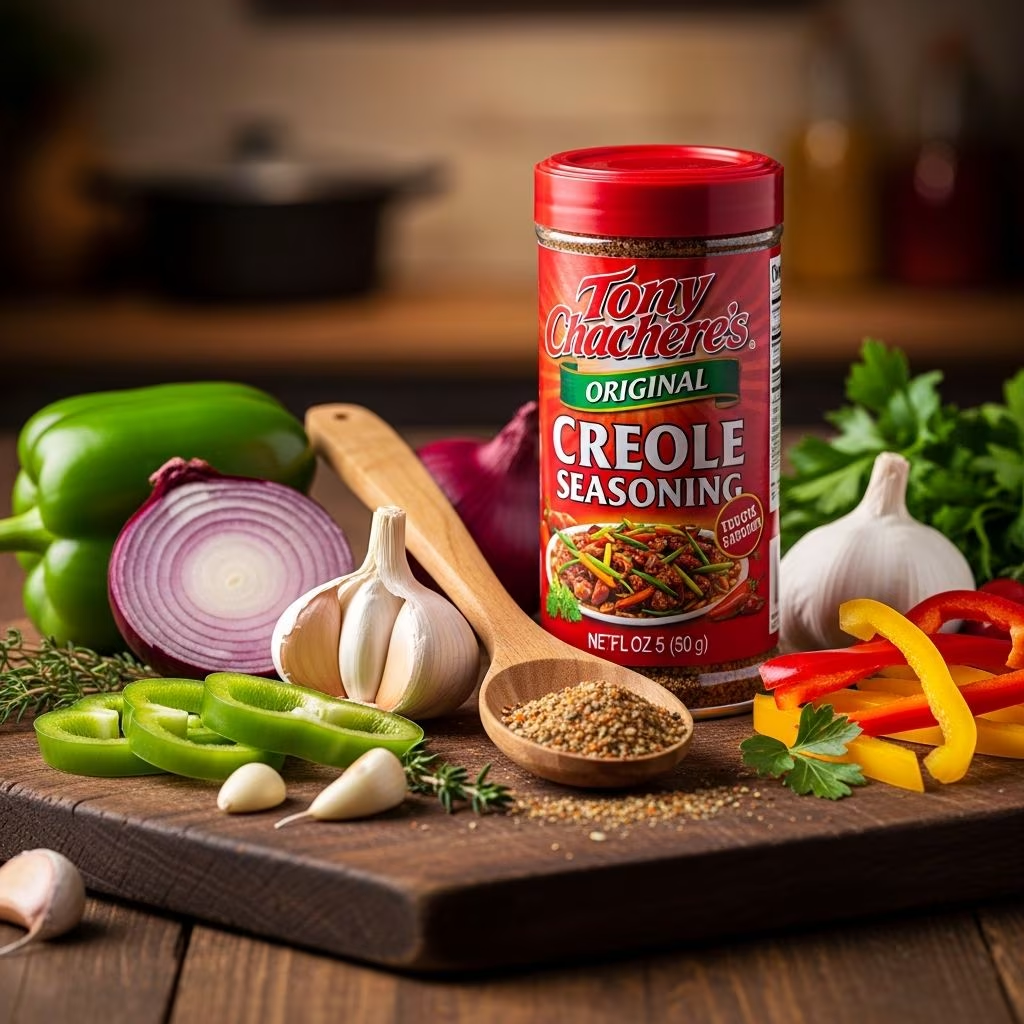
Tony Chachere’s Original Creole Seasoning stands as a cornerstone of Southern cooking, delivering the bold, zesty flavors synonymous with Louisiana’s culinary heritage. This versatile spice blend, born from family tradition, enhances everything from grilled meats to simple vegetables with its perfect balance of heat, salt, and aromatics.
The Origins of a Culinary Icon
The story of Tony Chachere’s begins in the early 20th century amid the vibrant culture of Louisiana. Tony Chachere, the man behind the brand, was born in 1905 into a world rich with Cajun and Creole influences. Growing up in Opelousas, Louisiana, he immersed himself in the local food traditions, mastering the art of seasoning dishes to capture the essence of Gulf Coast cuisine.
After years of professional pursuits, including sports and business, Tony retired in 1970. Far from idle, he channeled his passion into writing the Cajun Country Cookbook, published in 1972. This book featured his prized homemade seasoning recipe on its first page, sparking immediate demand from readers across the Gulf Coast. Residents clamored to buy the blend they had tasted in his recipes, leading Tony, at age 65, to launch Tony Chachere’s Famous Creole Cuisine that same year.
From humble beginnings—selling copies out of his station wagon—the brand exploded in popularity. Tony’s authentic personality and TV appearances further propelled it, turning a kitchen experiment into a national phenomenon still family-owned and operated today.
Understanding Creole vs. Cajun: The Flavor Foundation
Creole and Cajun seasonings both hail from Louisiana but reflect distinct regional styles. Creole seasoning, like Tony Chachere’s, draws from New Orleans’ urban melting pot, incorporating finer herbs and milder profiles suited to refined dishes such as gumbos and étouffées. Cajun seasoning, rooted in rural Acadiana, leans hotter and earthier, ideal for robust one-pot meals.
Tony Chachere’s Original bridges these worlds, offering a balanced Creole profile that’s versatile for both traditions. Its recipe remains a closely guarded secret, but core components include salt, red and black peppers, garlic, and onion powders, creating layers of savory heat.
| Aspect | Creole Seasoning | Cajun Seasoning |
|---|---|---|
| Origin | Urban New Orleans | Rural Acadiana |
| Flavor Profile | Milder, herbal | Hotter, rustic |
| Typical Uses | Sauces, seafood | Stews, crawfish boils |
| Tony Chachere’s Fit | Core product | Adaptable base |
Key Ingredients and What Makes It Special
While the exact formula is proprietary, Tony Chachere’s Original Creole Seasoning masterfully combines everyday spices into something extraordinary. Salt provides the backbone, amplifying other flavors. Red pepper brings a lively kick, black pepper adds depth, and garlic and onion deliver aromatic savoriness.
- Salt: Enhances natural tastes without overpowering.
- Peppers: Red for heat, black for sharpness.
- Garlic & Onion: Build umami layers.
- Herbs: Subtle notes of thyme or oregano for complexity.
This blend’s genius lies in its balance—spicy yet approachable, making it a go-to for novice and expert cooks alike. Over 50 years since inception, it remains the heart of the product line, expanded to no-salt options, marinades, and mixes.
Versatile Ways to Use Creole Seasoning in Your Kitchen
Tony Chachere’s elevates ordinary ingredients into flavorful feasts. Sprinkle it generously on proteins before cooking for a crusty, seasoned exterior.
On Meats and Seafood
Rub steaks, chicken, or pork with the seasoning hours ahead for deep infusion. For turkey, inject it mixed with butter for holiday perfection. Seafood shines too—dust shrimp or fish fillets for grilling or frying.
Vegetables and Sides
Transform bland veggies: toss potatoes, green beans, or corn on the cob in oil and seasoning before roasting. Even popcorn or fries get a gourmet upgrade with a light shake.
In Sauces and Soups
Stir into gumbo bases, jambalaya rice, or bloody mary mixes for authentic zest. It’s the secret to restaurant-quality gravies and étouffées at home.
Pro tip: Start light and taste as you go, as its salt content intensifies flavors quickly.
Recipe Ideas Featuring Tony Chachere’s
Here are original recipes showcasing the seasoning’s power, scaled for home cooks.
Creole-Spiced Grilled Chicken
- Mix 2 tbsp Tony Chachere’s, 1/4 cup olive oil, juice of 1 lemon.
- Coat 4 chicken thighs; marinate 2 hours.
- Grill over medium heat 6-8 minutes per side. Serves 4.
Seasoned Roasted Vegetables
- Toss 1 lb mixed veggies (carrots, broccoli, peppers) with 1 tbsp oil and 1 tbsp seasoning.
- Roast at 425°F for 25 minutes, stirring halfway.
- Garnish with parsley. Serves 4 as a side.
Shrimp Étouffée
- Sauté 1 lb shrimp in butter with 2 tbsp seasoning until pink.
- Add roux, stock, and veggies; simmer 20 minutes.
- Serve over rice. Serves 6.
Health Considerations and Variations
With its salt-forward profile, Tony Chachere’s suits bold eaters but calls for moderation in low-sodium diets. Opt for the No-Salt version to retain flavors without excess sodium.
Customize by blending with fresh herbs or citrus for unique twists. It’s gluten-free and versatile for dietary needs, aligning with modern wellness trends.
Storage and Shelf Life Tips
Store in a cool, dry place; the shaker lid keeps it fresh. Unopened cans last years, opened up to 3 years. Check for clumping as a freshness sign—vigorous shaking revives it.
The Family Legacy Continues
Today, multiple Chachere generations helm the company from Opelousas, expanding to dinner mixes, roux, and dressings while honoring Tony’s vision. Celebrating over 50 years, it remains a Southern staple, synonymous with Creole excellence.
Frequently Asked Questions (FAQs)
What is in Tony Chachere’s Original Creole Seasoning?
A proprietary mix of salt, red pepper, black pepper, garlic, onion, and select herbs.
Is it the same as Cajun seasoning?
Similar but Creole-style: milder and more herbal than traditional Cajun heat.
How long does it last?
Indefinitely if stored properly; use within 3 years of opening for peak flavor.
Can I use it on everything?
Yes—from meats and veggies to eggs and snacks—for instant flavor boost.
Where is it made?
Family-operated in Opelousas, Louisiana.
Why Tony Chachere’s Endures
This seasoning isn’t just spices—it’s Louisiana’s soul in a can. From Tony’s cookbook to modern pantries, it turns meals into memories, proving timeless flavor trumps trends.
References
- Tony Chachere’s: A Cajun Seasoning Legend — Louisiana Pantry. 2023. https://louisianapantry.com/blogs/news/tony-chacheres-a-cajun-seasoning-legend
- Celebrating 50 Years of Flavor! — Tony Chachere’s. 2022. https://www.tonychachere.com/press/celebrating-50-years-of-flavor/
- Our Roots — Tony Chachere’s. 2023. https://www.tonychachere.com/our-roots/
- Spotlight On: Tony Chachere’s in Opelousas, Louisiana — Pelican State of Mind. 2023. https://pelicanstateofmind.com/louisiana-love/spotlight-tony-chacheres-opelousas/