In an era when unconventional ingredient combinations dominate social media food trends, one dessert stands out for its unexpected charm: tomato soup cake. Far from being a modern culinary experiment, this distinctive cake represents a chapter of baking history that emerged during economically challenging times. What began as a creative solution to ingredient scarcity has evolved into a beloved retro treat that continues to captivate both seasoned bakers and curious home cooks.
Understanding the Historical Roots
The tomato soup cake owes its existence to resourcefulness and necessity. During the Great Depression era, this cake originated as a way to use pantry staples creatively. Condensed tomato soup, an affordable and shelf-stable ingredient, was repurposed as a key component in cake batter. The genius of this application lay in recognizing that the soup could replace traditional liquid ingredients while adding moisture and subtle flavor dimensions to the batter.
Campbell’s Condensed Tomato Soup played a pivotal role in popularizing this recipe. Over time, the recipe evolved from its original formulation, becoming adapted by countless families and eventually gaining traction as a vintage classic. What makes this dessert particularly interesting is how it demonstrates the ingenuity of Depression-era home bakers who transformed basic ingredients into satisfying treats.
The Science Behind the Surprising Ingredient
Using condensed tomato soup in cake batter might seem counterintuitive, but the ingredient serves several important functions beyond mere moisture provision. The condensed tomato soup makes the cake moist and colors it beautifully, creating a tender crumb structure that remains soft even days after baking.
The acidity present in tomato soup interacts chemically with baking soda, creating a leavening reaction. When you add the baking soda to the soup, it will froth and fizz a bit. This fizzing action helps the cake rise and achieve a light, fluffy texture. The soup’s tomato base, combined with warm spices like cinnamon, nutmeg, and cloves, creates a flavor profile that transcends the initial shock of the unconventional ingredient.
Interestingly, most tasters report an inability to detect the tomato flavor prominently. Instead, they experience a moist, complex spice cake that feels vaguely familiar yet distinctly unique. The soup functions as an invisible ingredient that enhances moisture and structure rather than dominating the flavor palette.
Essential Ingredients and Variations
Creating an authentic tomato soup cake requires both standard baking staples and some distinctive elements:
Core Components
- One 10.75-ounce can of condensed tomato soup (undiluted)
- All-purpose flour (typically between 1.5 to 2 cups)
- Granulated sugar (ranging from 1 to 1.33 cups)
- Butter, unsalted and softened
- Eggs (usually 1 to 2 large eggs)
- Baking soda (1 teaspoon)
- Baking powder (0.5 to 4 teaspoons, depending on the recipe variation)
Signature Spice Blend
- Ground cinnamon (1 teaspoon standard measure)
- Ground nutmeg (0.5 to 1 teaspoon)
- Ground cloves (0.5 to 1 teaspoon)
- Ground ginger (optional, 0.5 teaspoon in some variations)
- Salt (0.25 to 0.5 teaspoon)
Mix-ins and Enhancements
- Raisins (typically 1 cup for added texture and sweetness)
- Chopped walnuts or pecans (0.5 to 1 cup, optional)
- Vanilla extract (0.5 to 1 teaspoon)
Mastering the Baking Process
Preparation Phase
Success begins with proper setup. Preheat your oven to 350 degrees Fahrenheit and select an appropriate baking vessel. This cake bakes in a 9×13 cake pan, though round 8-inch pans, square 9×9 pans, and even Bundt pans can accommodate the batter. Spray your chosen pan thoroughly with cooking spray to prevent sticking, or grease and flour it following your preferred method.
Combining Wet Ingredients
Begin by preparing your soup mixture. Pour the entire contents of one can of condensed tomato soup into a small bowl, add one teaspoon of baking soda, and whisk together thoroughly. Expect some fizzing and bubbling as the baking soda reacts with the soup’s natural acidity. Set this mixture aside.
In the bowl of a stand mixer with the beater blade, cream together the butter and the sugar. Using an electric mixer significantly eases this process, ensuring thorough incorporation. Beat until the mixture becomes light and fluffy, typically requiring 2-3 minutes of mixing. This creaming step incorporates air, which contributes to the cake’s light texture.
Add your eggs one at a time, mixing well after each addition. This gradual incorporation ensures proper emulsification of the batter.
Dry Ingredient Integration
In a separate bowl, combine all dry ingredients: flour, remaining baking powder, salt, and your entire spice blend. Mix these together thoroughly before incorporating into the wet mixture.
Now comes a crucial technique: Add in the flour, baking soda and baking powder and spices. Mix well. Some recipes recommend alternating between additions of the tomato soup mixture and the flour mixture, which helps distribute ingredients evenly and prevents overmixing.
Final Assembly and Baking
The last addition of the cake is to add the soup, raisins and walnuts. Stir these in gently until just combined, being careful not to overmix the batter.
Pour the batter into your prepared pan and transfer to the preheated oven. The cake will take about 28-30 minutes to bake. The center of the cake should spring back when you touch it. For accurate doneness testing, insert a toothpick into the center; it should emerge clean or with only a few moist crumbs attached. Baking times may vary slightly depending on your pan choice and oven calibration, so begin checking around the 25-minute mark.
Frosting and Finishing Options
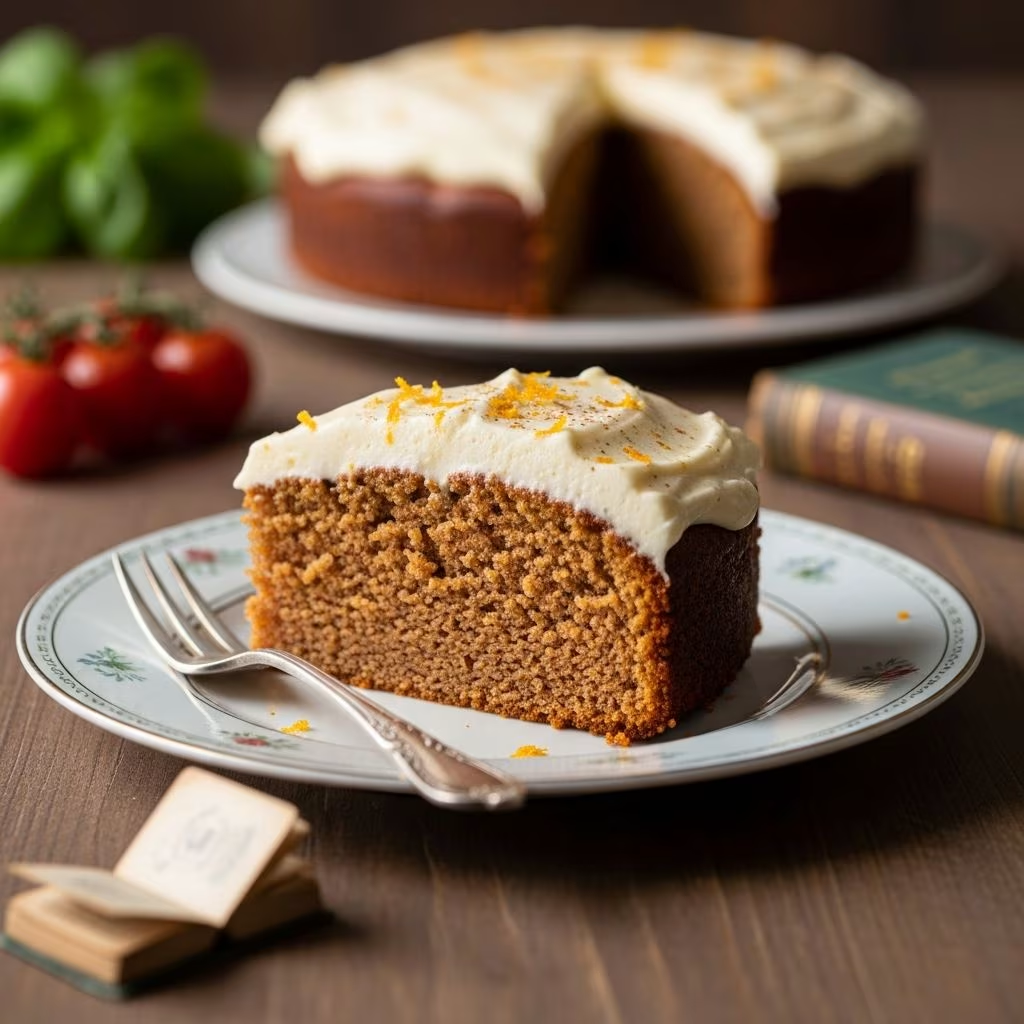
While a simple dusting of powdered sugar works, most traditional recipes call for a more substantial frosting. Cream cheese frosting remains the most popular choice, offering tangy richness that complements the spiced cake beautifully.
Classic Cream Cheese Frosting
Combine softened cream cheese with butter, then gradually add powdered sugar and vanilla extract. Beat until smooth and spreadable. This frosting provides a cooling contrast to the warm spices in the cake.
Salted Caramel Alternative
For a more sophisticated approach, some recipes incorporate salted caramel icing. This variation combines butter, brown sugar, sweetened condensed milk, vanilla, and sea salt, creating a richer, more decadent topping that adds depth to each bite.
Baking Tips for Success
| Common Challenge | Solution |
|---|---|
| Dense or Heavy Cake | Ensure you’ve creamed the butter and sugar adequately; avoid overmixing after adding flour |
| Dry Cake | Don’t overbake; remove from oven as soon as toothpick test passes; undiluted soup is crucial |
| Sinking Center | Check oven temperature with a thermometer; ensure even oven rack positioning |
| Cracked Top | This is normal; indicates proper rising; can be covered by frosting |
Storage and Serving Recommendations
Once baked and frosted, tomato soup cake keeps remarkably well. Store it in an airtight container at room temperature for up to three days, or refrigerate for up to a week. The cake often improves slightly as flavors meld together over time. For longer storage, wrap unfrosted cake layers in plastic wrap and freeze for up to three months.
Serve slices at room temperature or slightly chilled, depending on your frosting choice. The cake pairs wonderfully with coffee, tea, or milk, making it appropriate for afternoon gatherings or dessert occasions.
Why This Vintage Cake Endures
In contemporary baking culture, where complexity and novelty often dominate, tomato soup cake represents something different. Its appeal lies partly in nostalgia, partly in the genuine surprise and delight of discovering how well it works. The cake serves as a bridge between culinary history and modern experimentation, proving that resourceful Depression-era solutions can stand alongside contemporary creations.
The resurgence of interest in vintage recipes reflects broader cultural trends toward authenticity, sustainability, and mindful consumption. Tomato soup cake embodies these values while delivering genuine satisfaction and memorable flavor experiences.
Frequently Asked Questions
Can I substitute ingredients in tomato soup cake?
While the condensed tomato soup is essential to the cake’s character, you can adapt spice quantities based on preference. Some bakers reduce cloves if they find the flavor overpowering, or increase cinnamon for warmth. Nuts and raisins are somewhat flexible, though they contribute important texture contrast.
What if I can’t find condensed tomato soup?
The specific formulation of condensed tomato soup is difficult to replicate without that exact product. However, some bakers have experimented with tomato paste mixed with water and sugar, though results vary. For authentic results, seek out Campbell’s Condensed Tomato Soup at most grocery stores.
Can this cake be made gluten-free?
Yes, a one-to-one gluten-free flour blend can substitute for all-purpose flour. The cake’s moisture from the soup helps compensate for the different structure of gluten-free flour. You may need to adjust leavening agents slightly and test the first batch.
How should I frost the cake?
Allow the cake to cool completely before frosting. For a 9×13 sheet cake, frost directly in the pan. For layer cakes, allow thorough cooling, then transfer to a cake plate before frosting between layers and on top.
Is this cake appropriate for dietary restrictions?
The traditional recipe contains eggs and butter, making it unsuitable for vegan diets without modification. Dairy-free frosting options work well if that’s the primary concern. Always verify ingredient sourcing if accommodating specific dietary needs.
References
- Tomato Soup Cake Recipe {Old Fashioned Mystery Cake Recipe} — The Best Cake Recipes. 2024. https://thebestcakerecipes.com/tomato-soup-cake/
- Tomato Soup Cake: Just like Carrot Cake — Comfortable Food. 2024. https://comfortablefood.com/tomato-soup-cake-salted-caramel-icing-video/
- Tomato Soup Cake — Veggie Desserts. 2024. https://veggiedesserts.com/tomato-soup-cake/
- Tomato Soup Spice Cake with Cream Cheese Frosting — Taste and Tell Blog. 2024. https://www.tasteandtellblog.com/tomato-soup-spice-cake-recipe-cream-cheese-frosting/
- Vintage Tomato Soup Cake — Sizzling Eats. 2024. https://www.sizzlingeats.com/tomato-soup-cake/