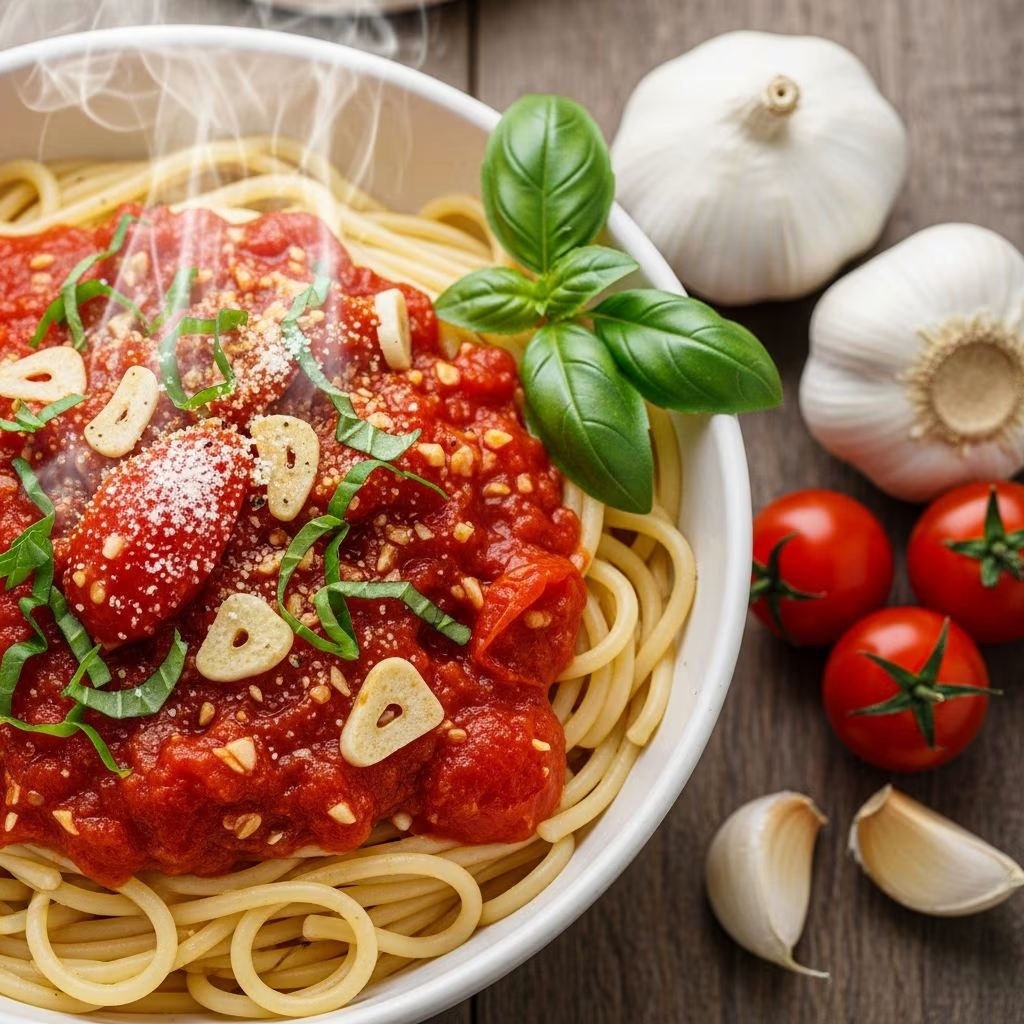
Italian cuisine celebrates the power of simplicity, and no dish exemplifies this principle better than tomato and garlic pasta. This timeless combination transforms just a handful of quality ingredients into a satisfying meal that delivers impressive flavor without requiring extensive culinary skills. Whether you’re preparing a weeknight family dinner or hosting guests, understanding the fundamentals of this classic recipe provides a foundation for countless variations and adaptations.
Why This Dish Deserves a Place in Your Kitchen
The appeal of tomato and garlic pasta lies in its accessibility and versatility. The recipe requires minimal prep work and uses ingredients that most home cooks keep on hand. The technique is straightforward enough for beginners yet allows experienced cooks to showcase their understanding of flavor development and texture. Unlike heavy cream-based sauces, this preparation celebrates the natural characteristics of its primary components, making it suitable for various dietary preferences and seasonal variations.
This dish also demonstrates an important cooking principle: quality ingredients require minimal manipulation. Fresh tomatoes combined with properly prepared garlic create a cohesive sauce through gentle cooking rather than prolonged simmering. The result is a pasta dish that tastes bright and fresh rather than overworked or one-dimensional.
Essential Ingredients and Quality Considerations
Selecting the Right Tomatoes
The foundation of exceptional tomato and garlic pasta begins with choosing appropriate tomatoes. Garden-fresh varieties or Roma tomatoes offer superior flavor profiles compared to standard supermarket alternatives. When tomatoes are in season, their natural sweetness and acidity balance create an ideal sauce without requiring additional seasoning adjustments. Look for tomatoes that yield slightly to pressure when gently squeezed, indicating ripeness without softness.
Cherry tomatoes present an alternative that works particularly well when roasted or blistered in a hot pan. Their smaller size allows for even cooking and natural burst characteristics that create appealing texture variations in the finished dish. The key consideration regardless of variety is ensuring that tomatoes are genuinely ripe, as underripe specimens lack the flavor complexity necessary for success.
Garlic: Quantity, Preparation, and Flavor Development
Garlic serves as the secondary but equally important ingredient in this preparation. The quantity significantly impacts the final flavor profile, with most successful preparations using between two to three cloves per serving. The method of preparation—whether minced, sliced, or left whole—influences how garlic’s flavor compounds develop during cooking.
Thinly sliced garlic offers the advantage of visible texture in the finished dish while distributing flavor throughout the sauce. When cooking garlic, temperature control becomes crucial. Medium heat allows garlic to become fragrant and lightly golden without developing bitterness, which occurs when temperatures exceed the point of proper caramelization. Most recipes incorporate an initial cooking phase where garlic infuses olive oil, followed by gentle simmering to prevent overcooking.
Supporting Ingredients
Olive oil serves as both a cooking medium and flavor carrier in this preparation. Extra virgin olive oil contributes fruity, complex notes that enhance the overall dish. Salt enhances the natural flavors of tomatoes and garlic while helping to draw out their moisture. Butter, when incorporated, adds richness and helps create a light coating on the pasta. Fresh herbs like basil, parsley, or oregano provide aromatic complexity and brightness.
Understanding the Cooking Process
Preparation Phase
Proper preparation ensures smooth execution during cooking. Cut larger tomatoes into uniform two-inch pieces, promoting even cooking and consistent texture. Slice garlic thinly or mince it finely depending on your preferred final texture. Measure all other ingredients in advance, allowing you to focus on timing and technique once cooking begins. Bring pasta water to a rolling boil and add salt before introducing the pasta.
Developing Flavors Through Careful Cooking
The cooking sequence matters significantly in achieving balanced flavor development. Begin by heating olive oil in a large skillet over medium heat. Add sliced or minced garlic and cook for approximately one minute until the oil becomes fragrant and the garlic just begins to change color. This brief cooking window activates garlic’s flavor compounds without allowing them to develop the bitter undertones associated with excessive heat.
Add tomatoes to the infused oil, stirring gently to coat them in the garlic-flavored oil. Continue cooking at medium heat for five to ten minutes, allowing the tomatoes to soften and begin releasing their juices. Some tomatoes will start to burst or blister, creating a sauce with both whole and broken fruit pieces. This variation in texture adds visual interest and complexity to the final dish.
Integration and Finishing Touches
Once the pasta reaches al dente consistency, drain it while reserving approximately one cup of cooking water. The starch in this water serves as a natural emulsifier, helping to bind the pasta and sauce into a cohesive mixture. Add the drained pasta directly to the tomato and garlic mixture, stirring gently but thoroughly to coat every strand.
If the mixture appears dry or the sauce doesn’t adequately coat the pasta, add pasta water one-quarter cup at a time while stirring. The goal is achieving a light coating where each piece of pasta glistens with sauce rather than swimming in liquid. Season with salt and pepper to taste, understanding that the reserved pasta water contains salt that may reduce the need for additional seasoning.
Ingredient Combinations and Recipe Variations
| Variation Type | Key Additions | Flavor Profile | Cooking Adjustment |
|---|---|---|---|
| Classic Simplicity | Butter, parmesan, fresh basil | Rich, herbal, bright | Standard preparation |
| Heat-Forward Version | Red pepper flakes, chili flakes | Spicy, warming undertones | Add flakes to oil with garlic |
| Citrus-Enhanced | Lemon zest, lemon juice | Bright, acidic, fresh | Add zest with garlic, juice at end |
| Herb-Focused | Fresh thyme, oregano, chives | Aromatic, garden-fresh | Add fresh herbs at finish |
| Wine-Enriched | Dry white wine, brandy | Deep, complex, sophisticated | Deglaze after tomatoes burst |
Practical Serving and Plating Strategies
Serve tomato and garlic pasta immediately after preparation while the pasta maintains its ideal texture and the dish retains optimal warmth. Transfer pasta to individual bowls or a serving platter, preserving the attractive visual composition of whole and burst tomatoes mixed with glistening pasta strands. Garnish with fresh parsley, basil, or additional parmesan cheese to enhance both appearance and flavor.
Consider the presentation context when determining portion sizes. A generous portion featuring approximately ten ounces of pasta with corresponding sauce volume works well as a main course for most appetites. This recipe typically yields four satisfying servings, making it suitable for family dinners or small gatherings.
Ingredient Selection for Optimal Results
Choosing Pasta Shapes
While linguine or spaghetti represent the traditional choices for this preparation, other pasta shapes accommodate the sauce effectively. Long, thin varieties like linguine and spaghetti maximize surface area for sauce contact, allowing more coating per bite. Short pasta shapes like penne or rigatoni work equally well, creating different texture and eating experiences while maintaining flavor integrity.
Fresh Herbs and Aromatics
Fresh basil represents the most traditional herb accompaniment, contributing bright, peppery notes that complement tomato and garlic. Parsley offers a milder herbal presence suitable for those preferring subtler flavor additions. Oregano or thyme bring earthy depth when incorporated during cooking rather than as a garnish. The choice depends on personal preference and what complements your intended flavor profile.
Frequently Asked Questions
Can I Make This Dish in Advance?
Tomato and garlic pasta is best consumed immediately after preparation to preserve pasta texture and flavor freshness. However, individual components can be prepared ahead. Cook and cool the tomato and garlic mixture, storing it in a refrigerator for up to three days. Cook pasta fresh when ready to serve, then combine components just before eating.
What If My Tomatoes Aren’t Very Ripe?
Underripe tomatoes lack the natural sweetness and complexity that characterize successful preparations. If using less-than-perfect tomatoes, consider roasting them at 400 degrees Fahrenheit for thirty minutes to concentrate their flavors. Add a small pinch of sugar to help balance any acidic undertones. Alternatively, incorporate a small amount of tomato paste to deepen the tomato flavor profile.
How Do I Prevent Garlic from Becoming Bitter?
Bitter garlic results from excessive heat exposure. Maintain medium temperature while cooking garlic, removing it from heat as soon as it becomes fragrant and just begins to change color. If accidentally overcooked, immediately remove the garlic piece with a spoon and discard it, starting fresh with a new garlic portion at lower heat.
Is This Recipe Suitable for Dietary Restrictions?
The base preparation using tomatoes, garlic, olive oil, and pasta accommodates most dietary preferences. The vegetarian nature requires no modifications. Those avoiding dairy can omit parmesan cheese or use plant-based alternatives. The recipe adapts to gluten-free pasta choices without requiring technique adjustments.
What Wine Pairs Well with This Dish?
Light, crisp white wines such as Pinot Grigio or Sauvignon Blanc complement the fresh, bright characteristics of this pasta. Italian white wines like Vermentino or Albariño offer regional authenticity. Avoid heavily oaked wines that might overpower the delicate flavors. If incorporating wine into the cooking process, use a dry variety and allow alcohol to evaporate completely.
Storage and Reheating Guidance
Leftover pasta should be stored in airtight containers and refrigerated for up to two days. Reheating requires gentle warming over low heat with a splash of water or olive oil to restore moisture lost during storage. Microwave reheating works but can result in uneven texture if not monitored carefully. Consider preparing only the quantity needed for immediate consumption to enjoy optimal texture and flavor.
Conclusion: Mastering Simplicity
Tomato and garlic pasta represents more than a quick weeknight solution; it embodies cooking philosophy centered on respecting quality ingredients while mastering fundamental techniques. By understanding ingredient selection, proper cooking temperatures, and timing principles, home cooks transform simple components into restaurant-quality dishes. The versatility of this recipe allows for personal experimentation while maintaining the essential character that makes it timeless. Whether serving it in its simplest form or incorporating complementary flavors, this Italian classic deserves a permanent place in your cooking repertoire.
References
- On Food and Cooking: The Science and Lore of the Kitchen — Harold McGee. Scribner, 2004. Available at academic and culinary reference collections.
- Pasta with Cherry Tomatoes and Garlic — Living Lou. Accessed April 2026. https://www.livinglou.com/pasta-cherry-tomatoes-garlic/
- Pasta with Roasted Tomatoes and Garlic — Julia’s Cuisine. Accessed April 2026. https://juliascuisine.com/pasta-with-roasted-tomatoes-and-garlic/
- Aglio e Olio with Fresh Tomatoes (Pasta with Garlic and Oil) — Chic Eats. Accessed April 2026. https://chiceats.com/recipe/italian-vegetarian-dinner/aglio-e-olio-fresh-tomatoes-pasta-garlic-and-oil
- Herb and Garlic Tomato Spaghetti — Lord Byron’s Kitchen. Accessed April 2026. https://www.lordbyronskitchen.com/herb-and-garlic-tomato-spaghetti/