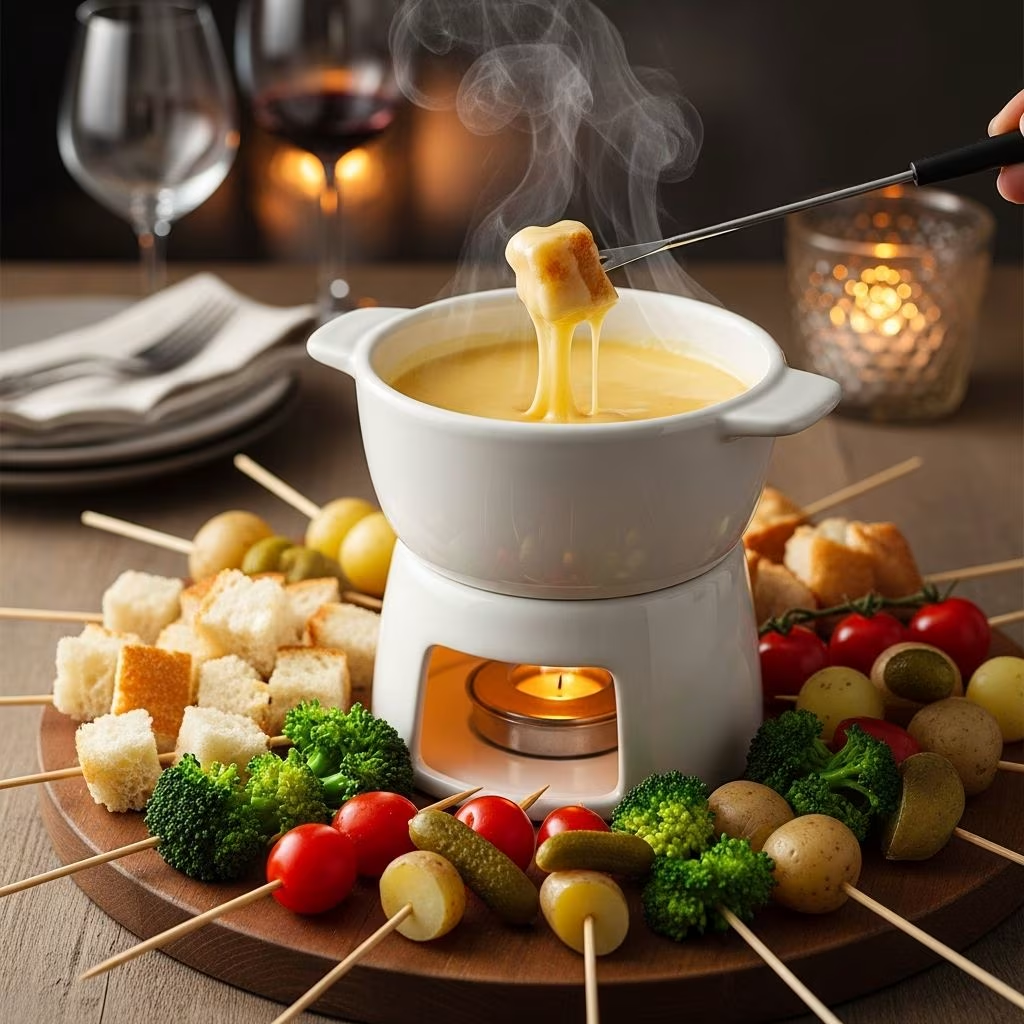
Few dishes evoke the charm and warmth of communal dining quite like fondue. This beloved Swiss tradition transforms simple ingredients into a luxurious, interactive experience that brings people together around a shared meal. A well-executed three-cheese fondue combines the nutty depth of Gruyère, the subtle earthiness of Emmental, and the sharp complexity of aged Cheddar into a harmonious blend that delights the palate. Whether you’re planning an intimate dinner party or a casual gathering with friends, understanding the fundamentals of fondue preparation elevates the experience from ordinary to extraordinary.
Understanding Cheese Selection and Quality
The foundation of exceptional fondue lies in selecting high-quality cheeses that melt smoothly and create the desired flavor profile. Each cheese in the traditional trio brings distinct characteristics to the final product. Gruyère, a semi-firm Swiss cheese, contributes a slightly sweet and complex flavor with subtle fruity notes. Its melting properties are superior, making it the backbone of most classic recipes. Emmental, another Swiss staple, offers a milder taste with delicate nutty undertones and creates a velvety texture when heated. Aged Cheddar provides sharpness and depth, cutting through the richness of the other cheeses with its tangy character.
When shopping for these cheeses, opt for varieties that have been aged appropriately. Younger cheeses may not melt as smoothly or develop the complexity desired in fondue. Request cheese that hasn’t been pre-shredded, as commercial shredding processes coat cheese with anti-caking agents that can interfere with melting consistency. Purchasing from specialty cheese counters or gourmet markets typically ensures access to higher-quality selections than standard grocery store options.
Essential Preparation Techniques
Building the Base
The preparation process begins with creating an aromatic foundation. A halved garlic clove rubbed inside your cooking vessel infuses the pot with subtle garlic flavor without overwhelming the delicate cheese notes. This classic technique, passed down through generations of Swiss cooks, requires discarding the garlic after the initial coating to prevent overpowering the finished dish.
The roux-based approach involves melting butter over low heat and whisking in all-purpose flour to create a smooth paste. This mixture, cooked for approximately three minutes while stirring continuously, acts as a thickening agent and stabilizer for the cheese emulsion. The low heat prevents browning, which would alter the color and potentially introduce unwanted flavors.
Incorporating the Wine
Dry white wine serves multiple purposes in fondue preparation. Pre-boiling the wine in a separate saucepan removes excess water, concentrating flavors and creating a more stable base for cheese integration. When slowly added to the flour mixture while whisking constantly, the wine creates a smooth sauce free from lumps. The acidity of white wine helps prevent the cheese from becoming grainy or separating during cooking. Select wines with crisp profiles, such as Sauvignon Blanc, as they complement the cheese flavors without introducing harsh characteristics.
Cheese Integration Method
Perhaps the most critical phase involves adding cheese to the wine base. Rather than pouring all cheese at once, introduce it gradually in small amounts, allowing each addition to melt completely before adding more. This methodical approach prevents overheating, which causes cheese proteins to tighten and separate from fat, resulting in a grainy texture. Stirring constantly with a whisk ensures even heat distribution and promotes smooth melting. The entire cheese incorporation process typically requires five to seven minutes, depending on the quantity being prepared.
Temperature Control and Heat Management
Maintaining proper temperature throughout preparation and service distinguishes exceptional fondue from mediocre attempts. The cooking temperature should remain below the boiling point; a gentle simmer indicates appropriate heat levels. Excessive heat causes the fondue to break, resulting in separated oil and solid particles rather than the desired creamy consistency. Using a heavy-bottomed pot distributes heat evenly and prevents hot spots that could cause localized overheating.
Once transferred to the fondue pot for serving, keeping the flame at the lowest setting maintains the fondue’s dipping consistency without degrading its texture. Many experienced cooks use alcohol burners or gentle heat sources specifically designed for table service. If the fondue begins to thicken during the meal, stirring in additional white wine by the tablespoon gradually restores the desired consistency. This troubleshooting technique also works for fondue prepared in advance and reheated.
Flavor Enhancement and Seasoning
While the cheese selection provides the primary flavor profile, subtle additions elevate the dish’s complexity. Ground nutmeg, used sparingly, adds warmth and sophistication without announcing its presence. Many contemporary recipes incorporate fresh lemon juice, which brightens the heavy richness of the cheese and prevents an overly dense mouthfeel. Optional brandy or kirsch, traditional liqueurs in Swiss fondue preparation, contributes depth and subtle sweetness that harmonizes with the cheese blend.
Experimentation with seasonings should proceed cautiously, as overpowering the natural cheese flavors defeats the purpose of selecting premium varieties. A quarter teaspoon of nutmeg for a standard batch typically provides sufficient flavor enhancement without dominance. Tasting and adjusting near the end of preparation allows for customization based on personal preferences.
Comprehensive Dipping Options
The true joy of fondue dining emerges through the selection of dippers that complement the cheese blend. Tradition calls for crusty baguette cubes, which provide textural contrast and soak up the cheese effectively. Beyond bread, the possibilities expand considerably:
Vegetable Selections
- Steamed broccoli florets maintain their structural integrity while absorbing cheese flavor
- Cauliflower pieces offer mild taste that doesn’t compete with the cheese
- Bell pepper strips provide sweetness and crunch
- Cherry tomatoes add acidity and brightness
- Mushroom caps, either raw or lightly sautéed, contribute earthy undertones
- Steamed asparagus spears provide elegant presentation
- Roasted Brussels sprouts offer nutty flavor complexity
Protein and Bread Options
- Cubed ham or prosciutto introduce salty, savory elements
- Salami pieces complement the sharpness of aged Cheddar
- Pumpernickel bread cubes provide interesting flavor contrast
- Soft pretzel nuggets contribute sweetness and chewy texture
- Cooked cheese tortellini creates a more substantial appetizer
Fruit and Other Combinations
- Apple slices offer natural sweetness and refreshing crispness
- Grape clusters provide bursts of juicy flavor
- Pear wedges present sophisticated fruit pairing options
- Pickled vegetables add tangy contrast
- Boiled potatoes, either regular or sweet varieties, create filling components
Presentation and Serving Strategies
Creating an inviting fondue experience extends beyond the cheese itself. Arranging dippers on platters surrounding the fondue pot encourages guests to customize their selections and maintain variety throughout the meal. Using long fondue forks or decorative toothpicks adds elegance and prevents accidental burns from the heated cheese and pot. Establishing a relaxed atmosphere where guests can take their time with conversation emphasizes fondue’s social nature.
For larger gatherings, preparing the fondue in advance and reheating over low heat saves time during entertaining. This approach allows hosts to focus on guest engagement rather than last-minute cooking tasks. Properly stored fondue keeps refrigerated for up to 24 hours, though gradual reheating with gentle stirring ensures optimal texture upon serving.
Common Challenges and Solutions
| Issue | Cause | Solution |
|---|---|---|
| Grainy, separated texture | Excessive heat or too-rapid cheese addition | Reduce heat immediately and whisk in additional wine gradually |
| Overly thick consistency | Cheese cooked too long or insufficient liquid | Stir in white wine by the tablespoon until desired thickness achieved |
| Uneven melting | Cheese added too quickly or heat spots in pot | Use heavy-bottomed pot and add cheese slowly while stirring constantly |
| Bland flavor profile | Insufficient seasoning or low-quality cheese | Add lemon juice or subtle nutmeg; upgrade cheese selection |
| Skin forming on surface | Exposed to air or inadequate heat during service | Maintain gentle heat and stir occasionally to break surface |
Entertaining Considerations
Fondue’s communal nature makes it ideal for various entertaining scenarios. Intimate dinner parties benefit from fondue’s conversation-encouraging format, as guests naturally slow down and interact while dining. Casual gatherings with friends embrace fondue’s playful element, transforming a simple meal into entertainment. Larger cocktail receptions incorporate fondue as an interactive appetizer station, reducing formal service requirements while maintaining elegance.
The format accommodates dietary preferences easily, as vegetarian guests enjoy unlimited vegetable options while others select protein accompaniments. Advance preparation reduces stress for hosts, enabling genuine enjoyment of their own gathering rather than constant kitchen duties.
Advanced Variations and Experimentation
Once mastering the classic three-cheese formula, exploring variations expands culinary horizons. Substituting one cheese variety introduces new flavor dimensions; for example, replacing Cheddar with Gouda creates a milder, slightly sweet profile. Adding fresh herbs like thyme or rosemary infused into the wine base introduces herbal notes without overwhelming delicate cheese flavors. Experimenting with liqueur additions beyond traditional brandy opens possibilities for personalized presentations.
Some contemporary interpretations incorporate roasted garlic, caramelized onions, or truffle oil for luxury versions. These additions should enhance rather than mask the fundamental cheese character that defines authentic fondue preparation.
Frequently Asked Questions
Can fondue be made without alcohol?
Yes, chicken or vegetable broth can replace wine in equal quantities, though the distinctive acidity and flavor will differ. Non-alcoholic versions require vigilant heat management as they lack wine’s protective properties against separation.
What’s the best way to store leftover fondue?
Transfer cooled fondue to an airtight container and refrigerate for up to 24 hours. Reheat gently over low heat, stirring frequently and adding wine to achieve proper consistency.
Why does my fondue get clumpy despite following instructions?
Clumping typically results from excessive heat or insufficient stirring during cheese addition. Slow-motion cooking with constant whisking prevents this issue.
Can I use pre-shredded cheese successfully?
Pre-shredded cheese contains anti-caking agents that impede smooth melting. Freshly grated cheese from blocks yields superior results, though pre-shredded varieties technically work with careful heat management.
How many servings does a standard batch yield?
A recipe using three cups total cheese typically serves four to six people as a main course or six to eight as an appetizer, depending on dipper portions.
References
- Cheese Fondue Preparation and Serving Guide — Swiss Cheese Commission. 2023. https://www.cheeseswiss.com
- Food Safety Guidelines for Cheese Melting and Heat Management — United States Department of Agriculture Food Safety and Inspection Service. 2024. https://www.fsis.usda.gov
- Emulsification and Texture Development in Cheese Sauces — International Dairy Federation. 2023. https://www.idf.org
- Traditional Swiss Fondue Recipes and Techniques — Swiss Culinary Academy. 2024. https://www.culinaryarts.ch
- Wine and Food Pairing Chemistry — American Wine Society. 2023. https://americanwinesociety.org