The arrival of warmer months brings with it a natural inclination to gather outdoors with friends and family. The extended daylight hours, pleasant temperatures, and abundance of fresh produce create an ideal environment for hosting memorable meals and celebrations. However, successful warm-weather entertaining requires thoughtful planning and an understanding of how seasonal ingredients and outdoor settings differ from traditional indoor dining experiences. This guide explores the essential elements needed to elevate your summer hosting endeavors.
Understanding Seasonal Ingredient Availability
One of the greatest advantages of entertaining during the summer months is access to an extraordinary variety of fresh, locally-sourced produce at peak ripeness. Unlike other seasons, summer provides an abundance of vegetables, fruits, and herbs that reach their optimal flavor profiles during these warm months. Understanding what’s in season allows you to build menus around ingredients that are not only at their best but also more affordable and sustainable.
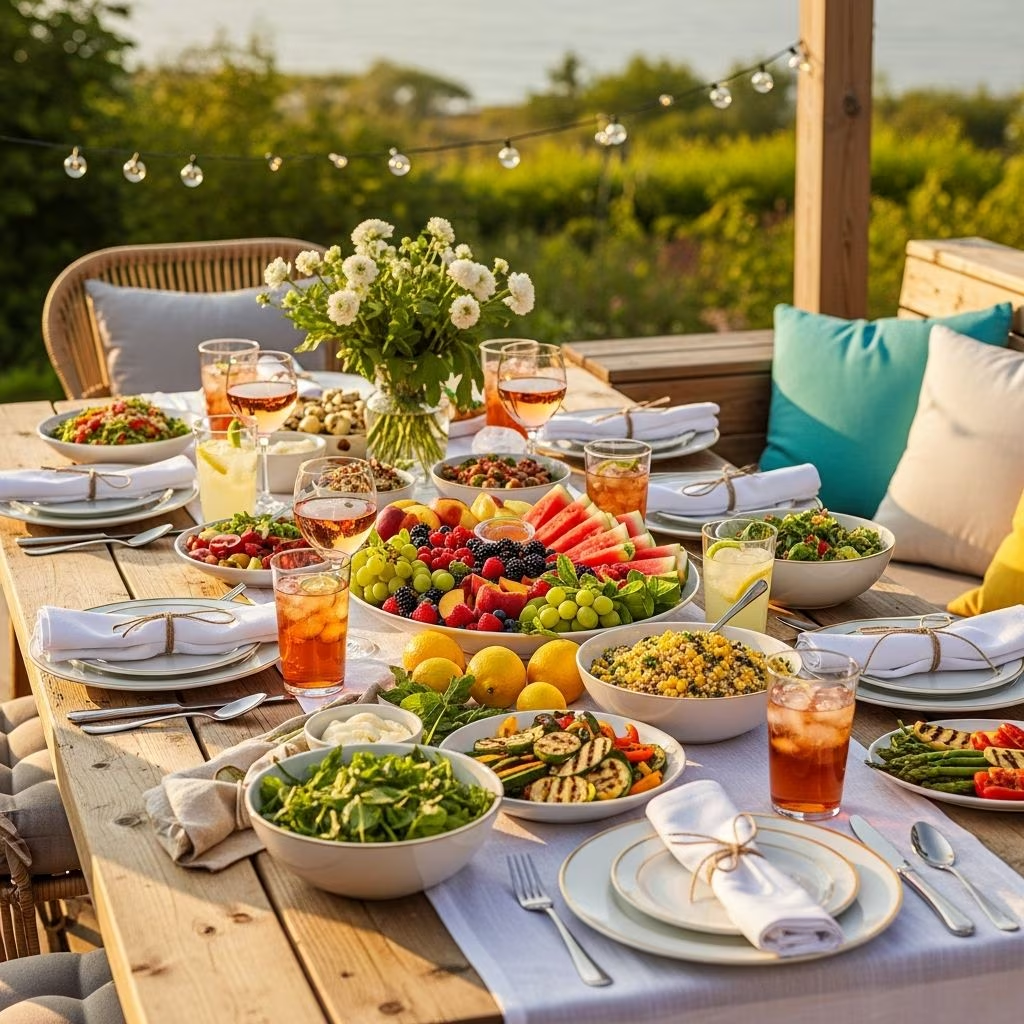
The summer harvest includes vibrant tomatoes with complex flavor notes, crisp vegetables like zucchini and bell peppers, fresh stone fruits including peaches and nectarines, and an array of berries bursting with natural sweetness. Herbs such as basil, cilantro, oregano, and thyme flourish during this period, providing bright, fresh flavors that define summer cuisine. Building your entertaining strategy around these ingredients creates a cohesive narrative for your table while ensuring maximum flavor satisfaction.
Strategic Menu Construction for Warm Weather
Summer entertaining calls for a different approach to menu planning compared to traditional seasonal celebrations. The heat of the season suggests lighter fare that won’t overwhelm guests or require extended time spent near a hot kitchen. However, “lighter” doesn’t mean less flavorful or impressive. Consider how temperature influences flavor perception—foods that seem rich indoors often feel more balanced and enjoyable when consumed in warm outdoor settings.
Building Your Menu Framework:
- Begin with a clear understanding of your guest count and dining duration
- Select one or two focal protein components that can be prepared ahead
- Incorporate multiple vegetable preparations that showcase seasonal produce
- Plan cold or room-temperature components that reduce last-minute cooking stress
- Include refreshing beverages that complement rather than compete with food flavors
- Consider dietary preferences and restrictions when designing options
The most successful summer menus balance several elements: items prepared in advance that free you to enjoy your guests, dishes that taste excellent at various temperatures, preparations that highlight the inherent quality of seasonal ingredients rather than masking them with heavy sauces, and a variety of textures and flavor profiles that maintain interest throughout the meal.
Temperature Management and Food Safety
Hosting outdoors during warm months requires particular attention to food safety protocols. Higher ambient temperatures accelerate bacterial growth, necessitating strategic planning about which dishes can sit safely at room temperature and which require continuous temperature control. Understanding these dynamics protects your guests while reducing anxiety during your event.
Temperature Guidelines for Outdoor Serving:
| Food Category | Safe Duration at Room Temperature | Best Practices |
|---|---|---|
| Cold Salads (Vegetable-Based) | 2-3 hours | Keep in coolers with ice, serve in batches |
| Prepared Proteins (Cooked) | 1-2 hours | Use insulated containers, cover with foil |
| Dairy-Based Dishes | 1-2 hours | Keep chilled until serving moment |
| Fresh Fruits | 2-3 hours | Cover to prevent pest contact |
| Prepared Grains | 2-3 hours | Cover and refresh periodically |
Investing in proper cooling equipment—such as beverage coolers, insulated food containers, and ice packs—demonstrates preparation and responsibility. Many experienced entertainers prepare components earlier in the day and keep them refrigerated until the optimal moment for service, minimizing time spent in the temperature danger zone.
Beverage Selection and Pairing Philosophy
Beverages deserve as much consideration as the food components of your gathering. The combination of heat, activity, and outdoor settings means guests will consume more liquid than they might indoors. Selecting refreshments that complement your menu while accounting for hydration needs ensures guest comfort and satisfaction.
Summer beverages should generally emphasize refreshment and brightness. Lighter wines with good acidity work beautifully with seasonal vegetables and grilled preparations. Non-alcoholic options might include infused waters featuring seasonal fruits and herbs, freshly prepared lemonades, herbal iced teas, or sparkling beverages that feel celebratory without requiring alcohol. The key is offering variety that respects different preferences while maintaining thematic consistency with your overall menu.
Beverage Pairing Considerations:
- Acidic wines enhance perception of freshness and complement grilled foods
- Sparkling options feel festive and aid digestion
- Herbal infusions provide complexity without requiring alcohol
- Cold preparations feel more appropriate than room-temperature options
- Offering iced versions of traditionally warm beverages expands appeal
- Sufficient ice and chilling capability prevents drinks from becoming diluted
Creating Comfortable Outdoor Dining Environments
The physical setting of your summer gathering significantly impacts guest experience and enjoyment. While outdoor spaces offer natural beauty and pleasant temperatures, they also present challenges absent from traditional interior entertaining. Addressing lighting, weather protection, comfort, and ambiance transforms a backyard into an inviting venue worthy of your culinary efforts.
Strategic lighting creates atmosphere while extending usable hours into evening. String lights, lanterns, and candles provide both practical illumination and aesthetic appeal. Weather contingencies—such as umbrellas, tents, or covered patio areas—ensure comfort regardless of unexpected temperature changes or rain. Thoughtful seating arrangements that consider sight lines, conversation flow, and sun exposure improve the overall experience substantially.
Preparation Timelines and Stress Reduction
Perhaps the most important aspect of successful summer entertaining is developing a realistic preparation timeline that distributes tasks across multiple days rather than concentrating everything into final hours. This approach dramatically reduces stress while improving the quality of both food and your hosting presence.
Multi-Day Preparation Framework:
- One Week Prior: Finalize guest list and menu; confirm special dietary needs; shop for non-perishables
- Two Days Before: Prepare components that improve with time, such as marinades and dressings; confirm rentals and equipment needs
- One Day Before: Shop for fresh produce and proteins; prepare cold dishes that don’t require last-minute assembly; arrange serving vessels and tableware
- Morning of Event: Final produce preparation; set up serving stations; arrange seating and ambiance elements
- One Hour Before: Final temperature checks on chilled items; light grills or heating equipment; arrange ice and beverages
Frequently Asked Questions About Summer Entertaining
What ingredients are most versatile for summer menus?
Fresh herbs, high-quality olive oil, citrus juices, and seasonal vegetables form the backbone of adaptable summer menus. These components work across multiple cuisines and preparation methods while highlighting rather than obscuring ingredient quality.
How can I reduce time spent in the kitchen during my gathering?
Prioritize cold dishes and items that taste equally good at room temperature. Grilled components can be completed before guests arrive and served at appropriate temperatures. Many appetizers and sides benefit from advance preparation, freeing you to focus on final touches and guest interaction.
Should I always prepare food myself for summer entertaining?
Not necessarily. Many hosts successfully combine homemade components with quality store-purchased items, allowing focus on signature dishes while maintaining overall quality. This hybrid approach reduces pressure while maintaining an impressive presentation.
What’s the best approach to handling dietary restrictions?
Request dietary information when extending invitations, then build flexibility into your menu structure. Offering vegetable-forward dishes that work across multiple preferences, clearly labeling components, and having simple alternatives available demonstrates thoughtfulness without requiring completely separate menus.
How do I maintain food quality throughout a longer gathering?
Serve in batches rather than presenting everything simultaneously. Refresh items periodically, keep cold foods chilled until the last possible moment, and maintain proper temperatures for warm components. This approach also creates natural rhythm throughout your event.
Advancing Your Hosting Skills
Summer entertaining represents an excellent opportunity to refine hosting capabilities and culinary confidence. Each gathering provides insights into what worked well and what might improve future events. Successful hosts remain flexible, focusing on creating welcoming environments where guests feel valued rather than attempting to execute flawlessly complex menus.
The most memorable summer gatherings often share common characteristics: thoughtful menu selection showcasing seasonal ingredients, comfortable and well-appointed outdoor spaces, refreshments that complement the food and setting, and a host who is present and engaged rather than stressed by last-minute demands. By approaching entertaining strategically—beginning with realistic planning and distributing preparation across multiple days—you create space for spontaneity, genuine connection, and true enjoyment of the occasion.
References
- Food Safety Guidelines for Outdoor Entertaining — United States Department of Agriculture Food Safety and Inspection Service. 2024. https://www.fsis.usda.gov/food-safety/safe-food-handling-and-preparation/food-safety-basics/safe-temperature-charts
- Seasonal Produce Guide — United States Department of Agriculture National Institute of Food and Agriculture. 2024. https://www.nal.usda.gov/legacy/fnic/seasonal-produce-guide
- Wine Pairing Fundamentals — International Organization of Vine and Wine (OIV). 2023. https://www.oiv.int/
- Best Practices in Food Preservation and Storage — National Center for Home Food Preservation at University of Georgia. 2024. https://nchfp.uga.edu/
- Hospitality and Event Planning Standards — Professional Convention Management Association (PCMA). 2023. https://www.pcma.org/