Coconut has long been a beloved ingredient in desserts across cultures, bringing warmth, tropical flair, and rich flavor to any sweet treat. Whether you’re a seasoned baker or someone just beginning to explore the kitchen, coconut desserts offer something for everyone. From lightweight no-bake options ideal for warm weather gatherings to decadent layer cakes that impress guests, the versatility of coconut makes it an exceptional choice for creating memorable desserts. This comprehensive guide explores various coconut-based sweet creations, from time-tested favorites to innovative combinations that will transform your dessert repertoire.
The Appeal of Coconut in Dessert Making
Coconut’s natural sweetness and distinct tropical character make it a distinctive ingredient that requires minimal additional flavoring to shine. The ingredient comes in multiple forms—shredded, cream, milk, and oil—each offering unique textural and flavor contributions. Shredded coconut adds pleasant crunch and concentrated flavor, while coconut cream and milk provide luscious richness and depth. Understanding these different forms helps bakers select the most appropriate option for their desired outcome.
The popularity of coconut desserts spans continents and centuries, reflecting its importance in tropical and subtropical cuisines worldwide. Modern bakers continue to embrace this ingredient, combining it with both traditional and contemporary techniques to produce desserts that range from simple weeknight treats to show-stopping centerpieces for special occasions.
Layered No-Bake Creations
For those seeking desserts that require minimal oven time, layered no-bake coconut options provide an excellent solution. These desserts typically feature multiple distinct layers, each contributing different flavors and textures to create a complex eating experience.
A classic approach involves constructing three distinct layers: a sturdy, buttery foundation that provides structural support; a tangy middle layer offering brightness and contrast; and a silky coconut-cream top that delivers the dessert’s signature flavor profile. This arrangement creates a harmonious balance of sweet, tangy, and creamy elements that work together to produce a memorable dessert.
The beauty of no-bake approaches extends beyond convenience. These desserts work particularly well during warm months when activating ovens seems counterintuitive. They also allow for advance preparation, as most no-bake desserts benefit from refrigeration and often taste better the following day after flavors have melded together.
Classic Coconut Cream Pies
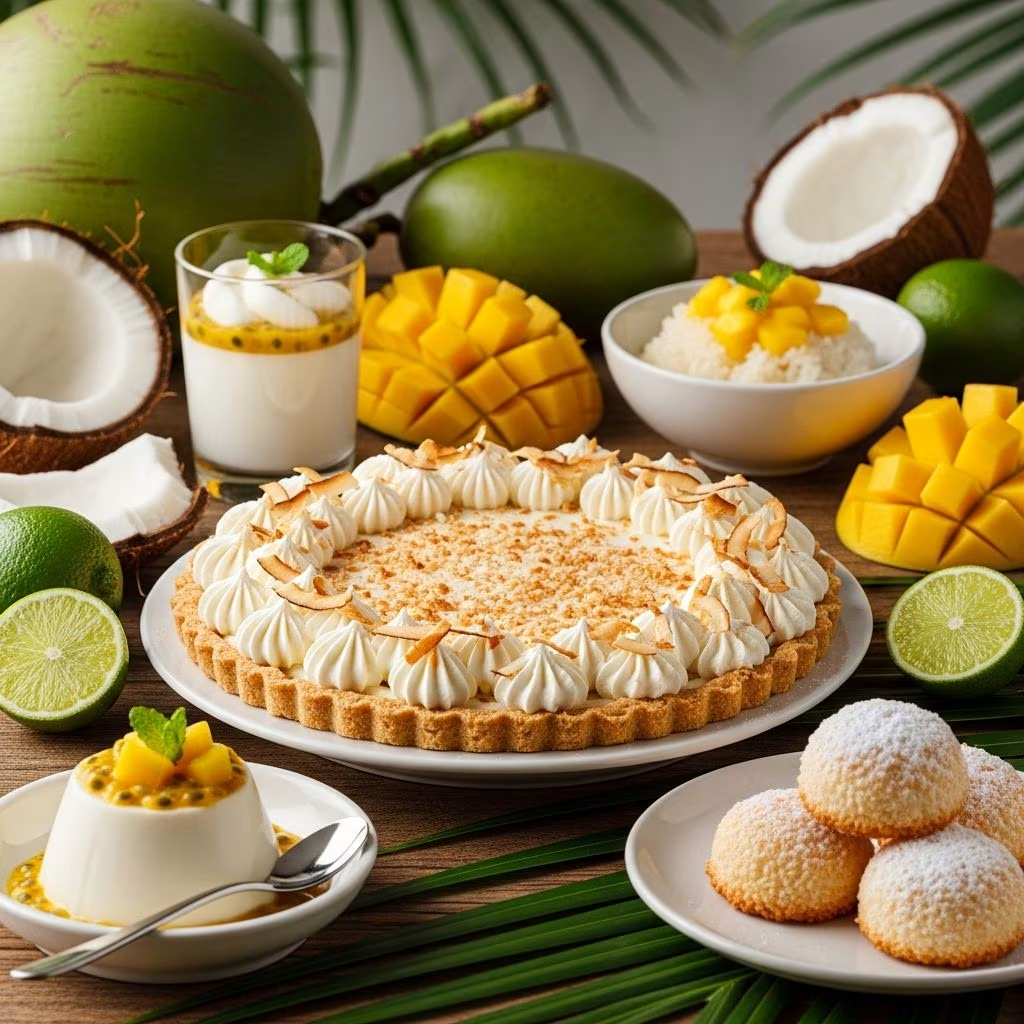
The coconut cream pie represents one of the most enduring coconut desserts, combining a crispy, buttery pastry crust with a smooth, luxurious custard filling. What distinguishes an exceptional coconut cream pie is the quality of each component and how they work in concert.
The crust must strike a balance between crispness and tenderness, providing structural support without overwhelming the delicate filling. Traditional recipes use butter, flour, and salt, creating a flaky base through proper technique and temperature control. Some modern adaptations incorporate additional ingredients for enhanced flavor or texture.
The custard filling relies on coconut milk or cream as its primary ingredient, combined with eggs, sugar, and cornstarch to achieve the desired consistency. Coconut cream, which contains a higher proportion of solids compared to coconut milk, produces a richer, denser filling that many consider superior for this application. The filling bakes until just set, creating a silky texture that practically melts on the tongue.
Finishing touches typically include toasted coconut flakes for crunch and whipped cream for indulgence. Some recipes incorporate tropical accompaniments like a blended Thai iced coffee, creating a complete sensory experience that transports diners to sun-soaked shores.
Simple Cookie and Blondie Options
For those seeking portable, handheld coconut treats, cookies and blondies offer straightforward solutions requiring minimal technique. These desserts range from delicate, chewy textures to dense, fudgy configurations depending on ingredient ratios and baking duration.
Coconut blondies—essentially brownies without chocolate or with chocolate as a supporting player—combine melted butter with brown sugar to create a moist, caramel-like base. Shredded coconut mixed throughout the batter provides concentrated coconut flavor and pleasant textural contrast. Many recipes incorporate dark chocolate chips alongside coconut, creating a harmonious pairing where each ingredient complements the other.
These bar-style cookies are particularly appealing for batch preparation, as a single 9×13 pan yields numerous servings. Preparation involves combining wet ingredients, mixing in dry components, and baking until the edges pull slightly away from the pan. A generous topping of additional shredded coconut before baking creates appealing visual presentation and intensified coconut flavor.
Multi-Component Cakes
Coconut cakes showcase the ingredient’s ability to contribute to complex, sophisticated desserts. Unlike simpler preparations, these cakes often feature coconut throughout multiple layers and components, creating depth and consistency in flavor.
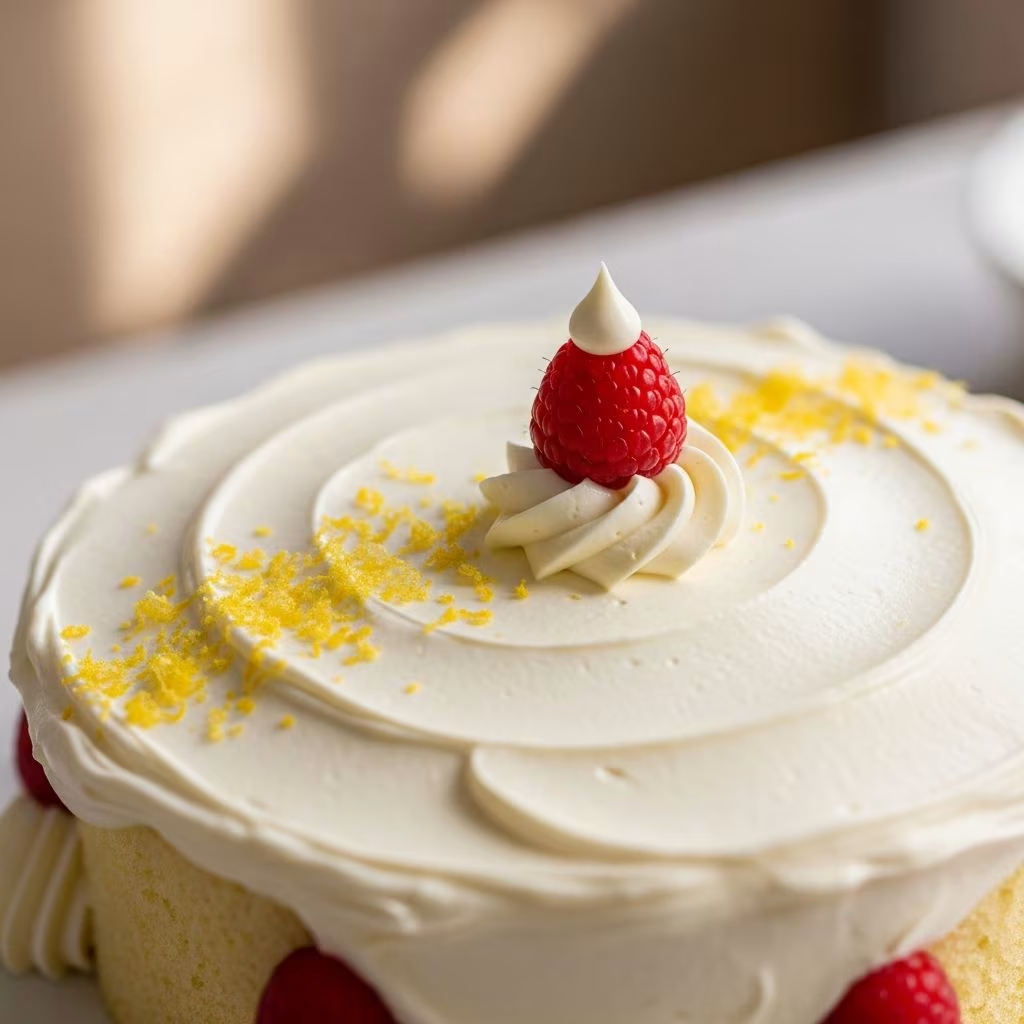
Yellow cake bases provide a neutral canvas for coconut flavoring, as their subtle vanilla notes don’t compete with tropical ingredients. Incorporating coconut milk into the cake batter infuses the entire structure with coconut essence, while shredded coconut adds textural complexity. Cream cheese frosting offers tangy contrast, balancing the sweetness while providing a smooth, spreadable medium for additional toasted coconut flakes.
The layering and assembly process for coconut cakes allows for creative expression. Some bakers choose to build three or more layers, with frosting between each, creating impressive height and visual drama. Others prefer simpler single-layer or sheet cake approaches that prove equally delicious despite reduced complexity.
Coconut cakes adapt well to various serving contexts. They transition from casual family gatherings to formal celebrations, and pair beautifully with warm beverages like coffee, ginger tea, or traditional hot chocolate.
Custard and Cream-Based Desserts
Custard represents an elegant approach to coconut desserts, relying on eggs and cream to create silky, luxurious textures. These preparations often appear in traditional Caribbean and Asian cuisines, reflecting coconut’s importance in regional cooking practices.
Coconut custards employ both full-fat coconut milk and cream, combined with egg yolks and sugar, to produce rich, velvety results. The mixture either bakes until just set or cooks stovetop, requiring careful attention to prevent overcooking that would create separation or graininess.
Some contemporary adaptations create vegan coconut cream puddings using only three ingredients: coconut cream, cocoa powder, and sweetener. These simplified preparations demonstrate how coconut’s natural richness sometimes renders additional components unnecessary.
Diverse Coconut Flavor Combinations
While coconut certainly stands well independently, it also integrates beautifully with complementary flavors that enhance and expand its profile.
| Flavor Pairing | Dessert Application | Reason for Success |
|---|---|---|
| Chocolate | Blondies, cookies, mousse | Rich cocoa deepens coconut’s sweetness while adding complexity |
| Lime and citrus | Cakes, pies, mousse | Bright acidity provides refreshing contrast to tropical richness |
| Pineapple | Cakes, pancakes, dump cakes | Complementary tropical flavors create cohesive, harmonious profiles |
| Banana | Pies, waffle combinations, layer cakes | Similar tropical character while adding moisture and natural sweetness |
| Rum and spices | Cakes, custards, grown-up desserts | Warm spice complexity complements coconut while adding depth |
These pairings demonstrate how coconut functions as both a lead ingredient and a supporting player in dessert compositions. Understanding these relationships allows bakers to create their own innovations while building on proven flavor foundations.
Accessibility and Difficulty Levels
Coconut desserts accommodate varying skill levels, from absolute beginners to experienced bakers seeking technical challenges.
- Beginner-Friendly Options: No-bake desserts, simple cookies, blondies, and puddings require minimal technique and few specialized tools. These desserts benefit from straightforward ingredient combinations and simple instructions.
- Intermediate Preparations: Traditional pies, cakes with frosting, and custard-based desserts require more attention to technique and timing but remain achievable for home cooks with basic baking experience.
- Advanced Creations: Multi-layer cakes with complex frosting work, delicate pastry applications, and specialized preparations challenge experienced bakers while rewarding their efforts with spectacular results.
Preparation and Storage Considerations
Maximizing the success of coconut desserts requires attention to preparation methods and proper storage techniques. Most coconut cakes and pies benefit from advance preparation, as flavors meld and mature during refrigeration. No-bake desserts often taste superior the following day after flavors have fully developed.
Proper storage protects coconut desserts from staling and flavor degradation. Airtight containers in cool environments extend shelf life for cookies and blondies. Cakes and pies store well in the refrigerator, sometimes for several days, though certain preparations benefit from freezing for longer-term preservation.
Understanding moisture content helps predict how individual recipes will age. Drier preparations like cookies remain stable longer, while cream-filled pies require refrigeration and consumption within specified timeframes.
Selecting Quality Coconut Products
The quality of finished desserts depends significantly on the coconut products selected. Unsweetened shredded coconut offers flexibility, allowing bakers to control final sweetness levels. Coconut cream and milk vary considerably between brands, with full-fat options providing superior flavor and texture compared to reduced-fat alternatives.
Toasted coconut flakes offer intensified flavor and appealing visual presentation compared to raw alternatives, making them ideal for finishing touches and garnishes. Understanding these distinctions helps bakers select optimal ingredients for their specific applications.
Frequently Asked Questions
Can I substitute coconut milk with cream of coconut in recipes?
Cream of coconut contains added sugar and different consistency than coconut milk, making direct substitution inadvisable. Recipes specifically calling for one ingredient should use that product. However, some applications allow substitution with adjusted sweetener quantities.
How do I prevent coconut desserts from becoming dry?
Incorporating moisture-rich ingredients like coconut milk, eggs, or oil helps prevent dryness. Avoiding overbaking is critical, as even brief additional cooking time significantly impacts texture. Storage in airtight containers maintains moisture levels during aging.
Are there vegan coconut dessert options?
Yes, numerous vegan coconut desserts exist, utilizing full-fat coconut milk or cream as substitutes for dairy. Plant-based sweeteners and binding agents like cornstarch or agar-agar replace traditional animal-based components while delivering satisfying results.
What’s the best way to toast coconut flakes at home?
Spreading coconut in a single layer on a baking sheet and baking at 325°F for 8-10 minutes produces evenly toasted coconut. Stirring halfway through ensures consistent browning. Watch carefully, as coconut transitions quickly from golden to burned.
Can I make coconut desserts without fresh coconut?
Shredded, canned, and processed coconut products work beautifully in modern recipes. Fresh coconut requires additional preparation and offers limited advantages over quality processed options for most applications.
Conclusion
Coconut desserts represent an accessible entry point for home bakers while simultaneously offering advanced technical challenges for experienced practitioners. The ingredient’s natural sweetness, versatile forms, and beautiful integration with complementary flavors make it invaluable in any baker’s toolkit. Whether crafting simple no-bake treats for weeknight gatherings or constructing elaborate layered cakes for special celebrations, coconut provides the tropical essence that transforms ordinary desserts into memorable experiences. Exploring these diverse preparations expands culinary horizons while delivering consistent satisfaction through proven flavor combinations and reliable techniques.
References
- Coconut Cream Lush – Amanda’s Cookin’ — Amanda’s Cookin’. Accessed April 10, 2026. https://amandascookin.com/coconut-cream-lush/
- 10 Stunning Coconut Dessert Recipes — Leite’s Culinaria. Accessed April 10, 2026. https://leitesculinaria.com/518558/roundups-coconut-dessert-recipes.html
- Easy Coconut Dessert Recipes — Ally’s Kitchen. Accessed April 10, 2026. https://allyskitchen.com/easy-coconut-dessert-recipes/
- Coconut Desserts You Need To Make! — Barefeet In The Kitchen. Accessed April 10, 2026. https://barefeetinthekitchen.com/coconut-desserts/
- 35 Insanely Good Coconut Milk Recipes — Immaculate Bites. Accessed April 10, 2026. https://www.africanbites.com/insanely-good-coconut-milk-recipes/
- No-Bake Coconut Cream Lush Dessert — Belly Full. Accessed April 10, 2026. https://bellyfull.net/no-bake-coconut-cream-lush-dessert/
- 3 Ingredient Chocolate Coconut Cream Pudding — Bucket List Tummy. Accessed April 10, 2026. https://www.bucketlisttummy.com/chocolatecoconutcreampudding/